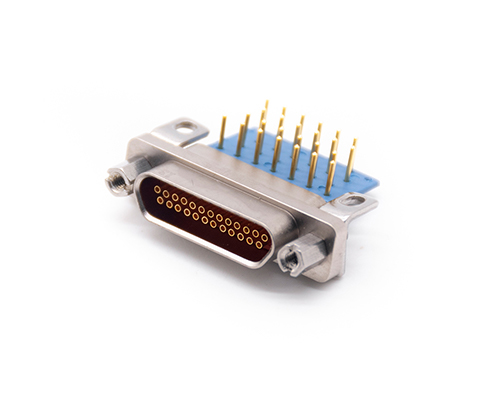
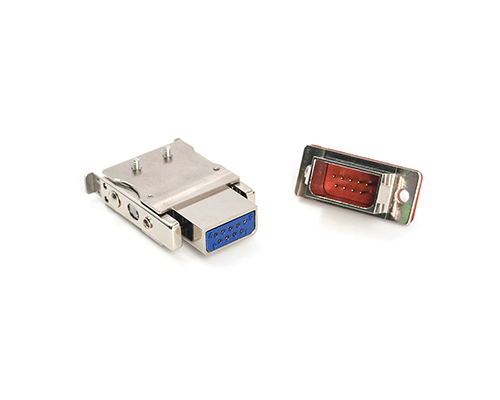
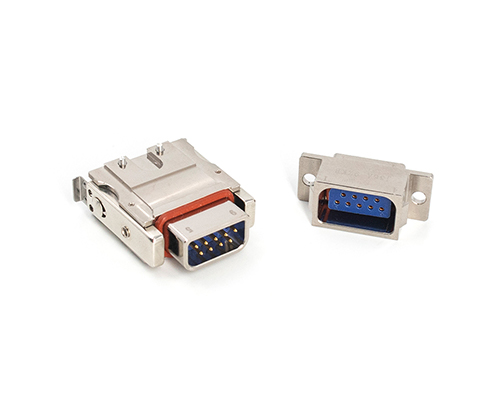
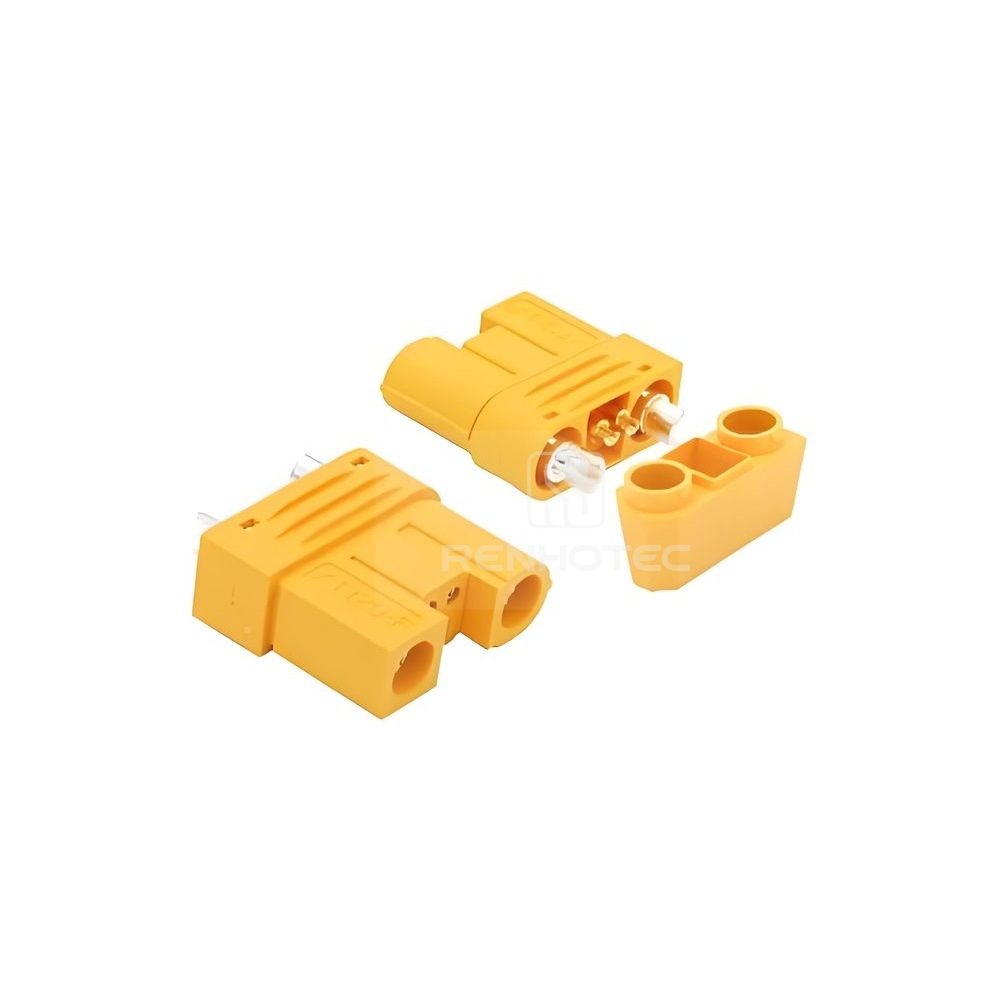
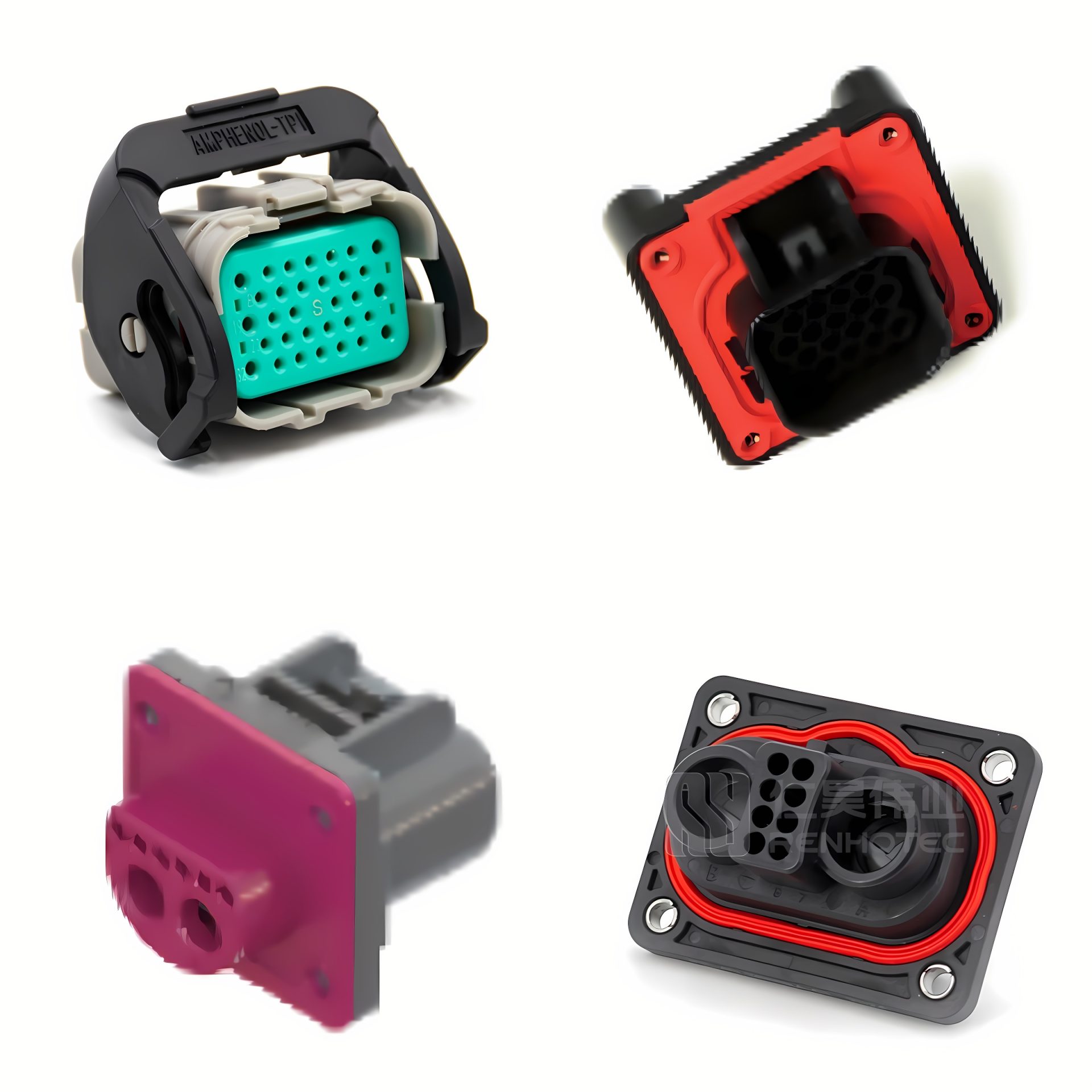
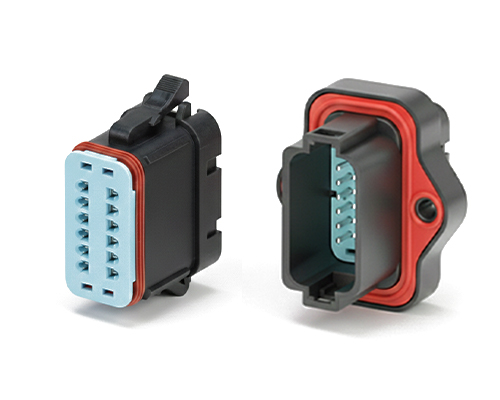
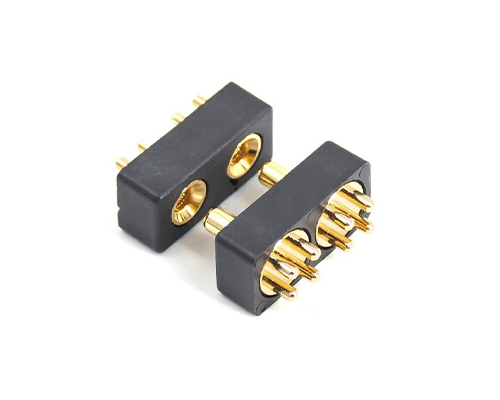
The Rectangular Connector is widely used in aerospace, medical instruments, consumer electronics (such as computers, TVs, game consoles, etc.), industrial control equipment, communication equipment, and automotive electronics. With its reliable connection performance, diverse specifications, and relatively convenient plug-in and unplug operations, it has become an indispensable component in various electronic and electrical applications.
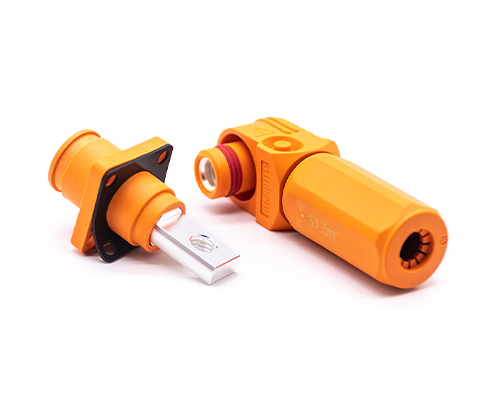
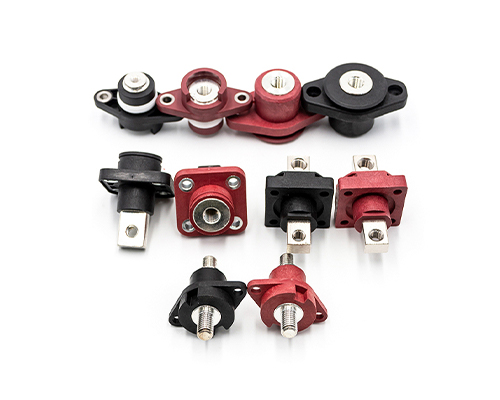
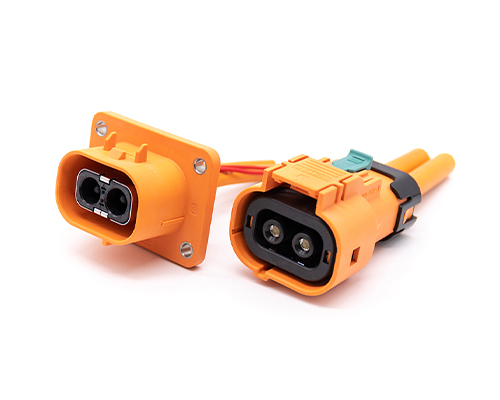
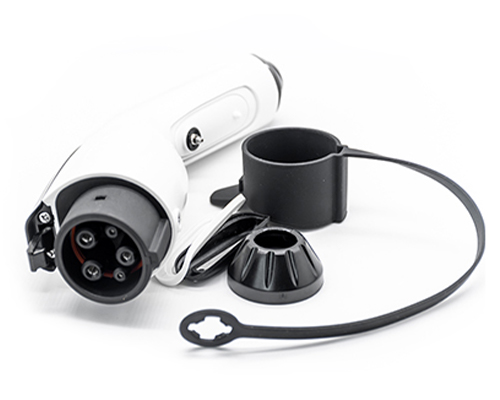
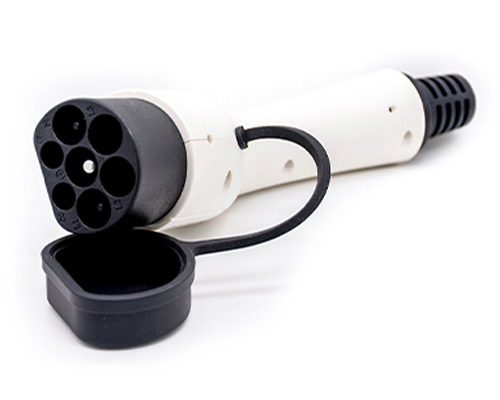
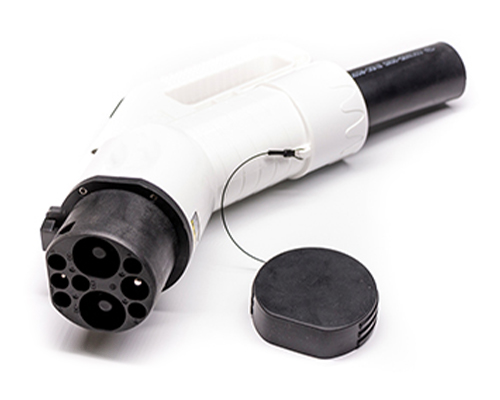
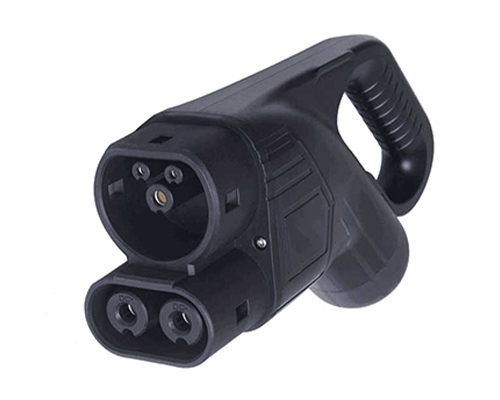
High Voltage Connectors are widely used in EV power systems, renewable energy installations, and industrial high-voltage circuits. Renhotec’s series drives the building of efficient, safe, and sustainable electrical ecosystems, meeting current technological demands.
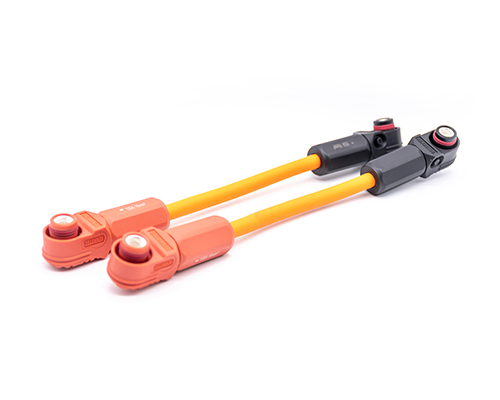
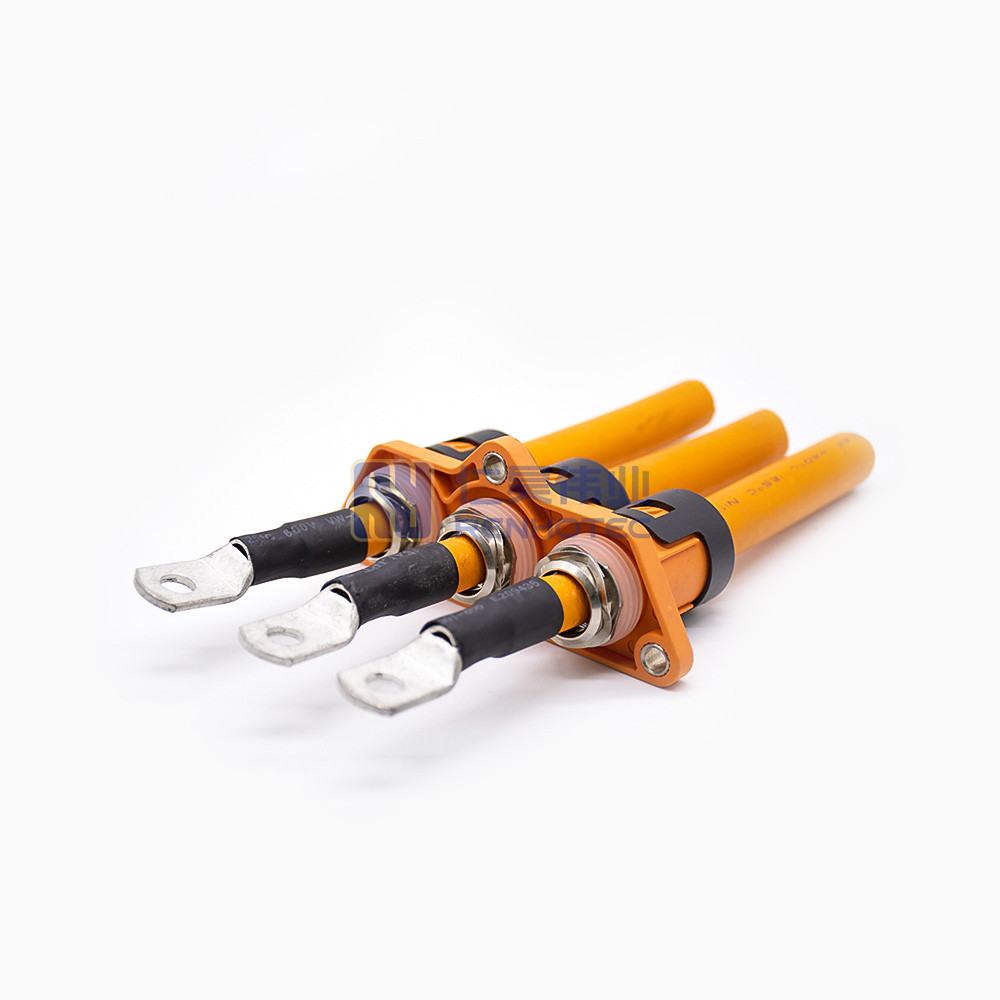
Renhotec EV Cable, crafted with top-notch conductive materials and meticulously engineered insulation, showcases outstanding impedance control and voltage-withstanding properties. Its design combines flexibility and durability to meet a wide array of installation needs. This cable is widely utilized in grid interconnections, large-scale industrial power supply systems, and high-voltage renewable energy projects, enabling smooth and efficient power transmission.
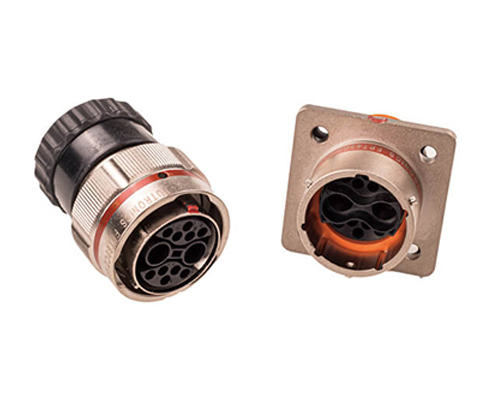
Renhotec, as a professional supplier, offers a comprehensive range of these Signal Transmission Connector products. Whether it is the high-reliability applications of the metal series or the wide adaptability of the plastic series in consumer electronic products, Renhotec can provide customers with high-quality options to meet the diverse requirements of signal transmission connections in different industries and scenarios.
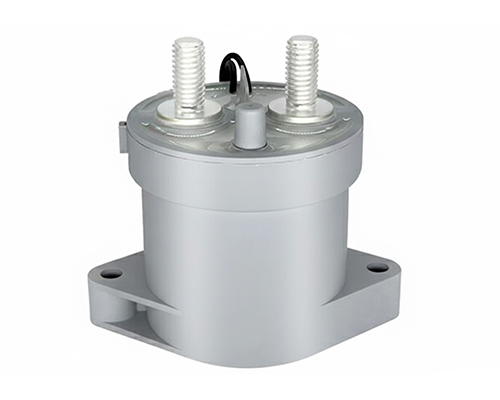
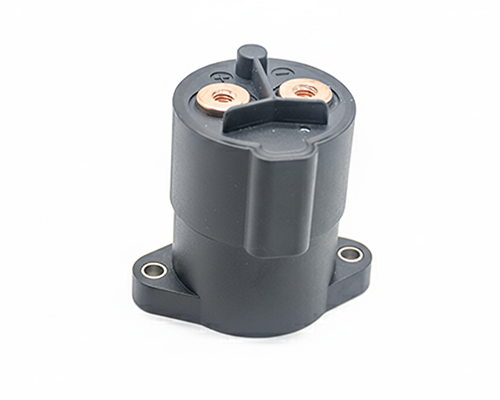
Renhotec, active in electrical components, offers High Voltage DC Contactors in Epoxy Resin Sealing and Ceramic Sealing variants, with a 20A – 1000A current range. The Epoxy Resin Sealing one is cost-effective and protective. The Ceramic Sealing variant excels in thermal stability and insulation. They’re widely used in EV charging, renewable energy grid, and industrial high-voltage DC power distribution for reliable circuit control and current interruption, providing comprehensive solutions for multiple sectors.
High-voltage Connector and High-voltage Wire for New Energy Vehicles
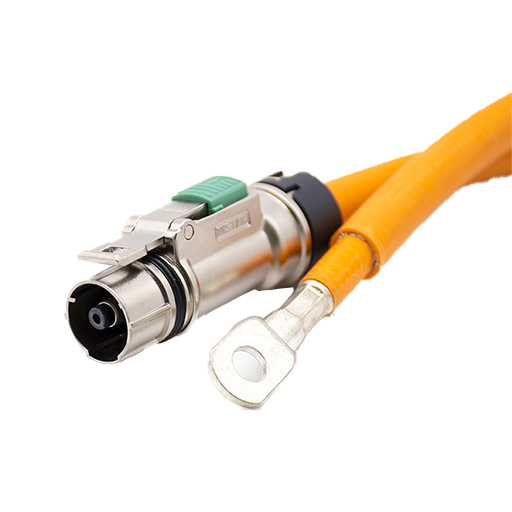
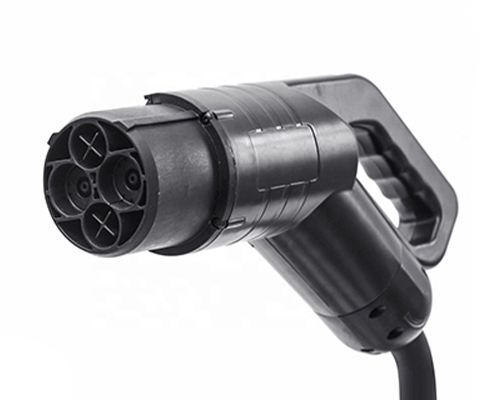
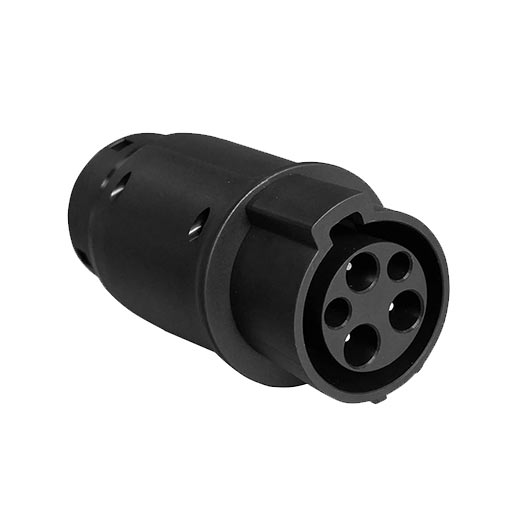
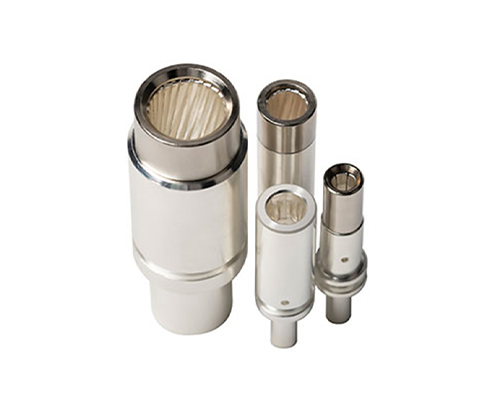
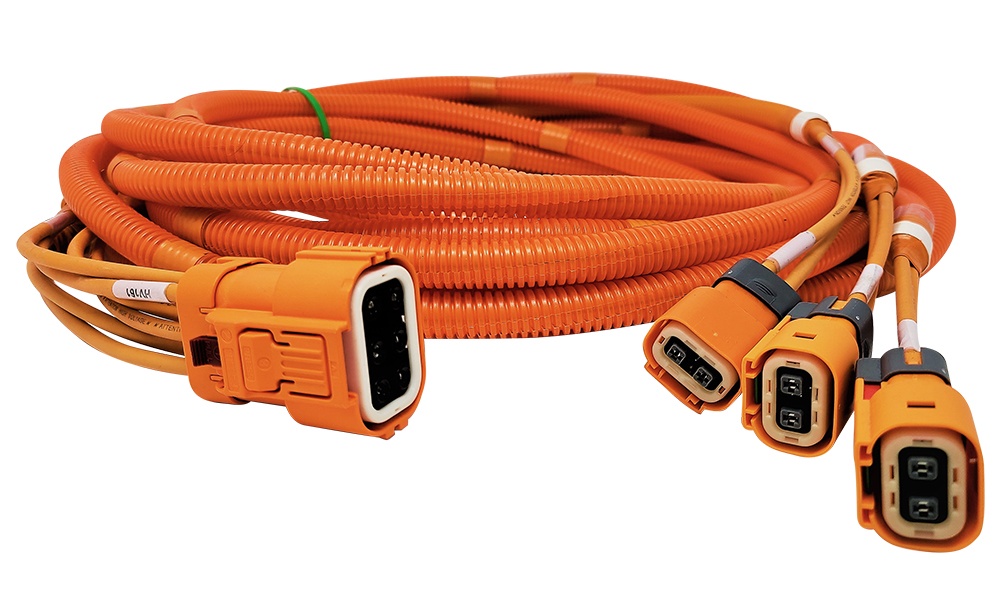
The leading role in new energy vehicles is played by the high-voltage connector and high-voltage wire. The HV connector for new energy vehicles is a mechatronic product consisting of four parts: contact, insulator, shell and accessories. Among them, the contact is the core part of the connector to complete the optical and electrical signal connection. The vehicle needs to connect the optical and electrical signals through the insertion and closing of the contact to complete the vehicle. Insulators and shells mainly play fixed insulation and mechanical protection.
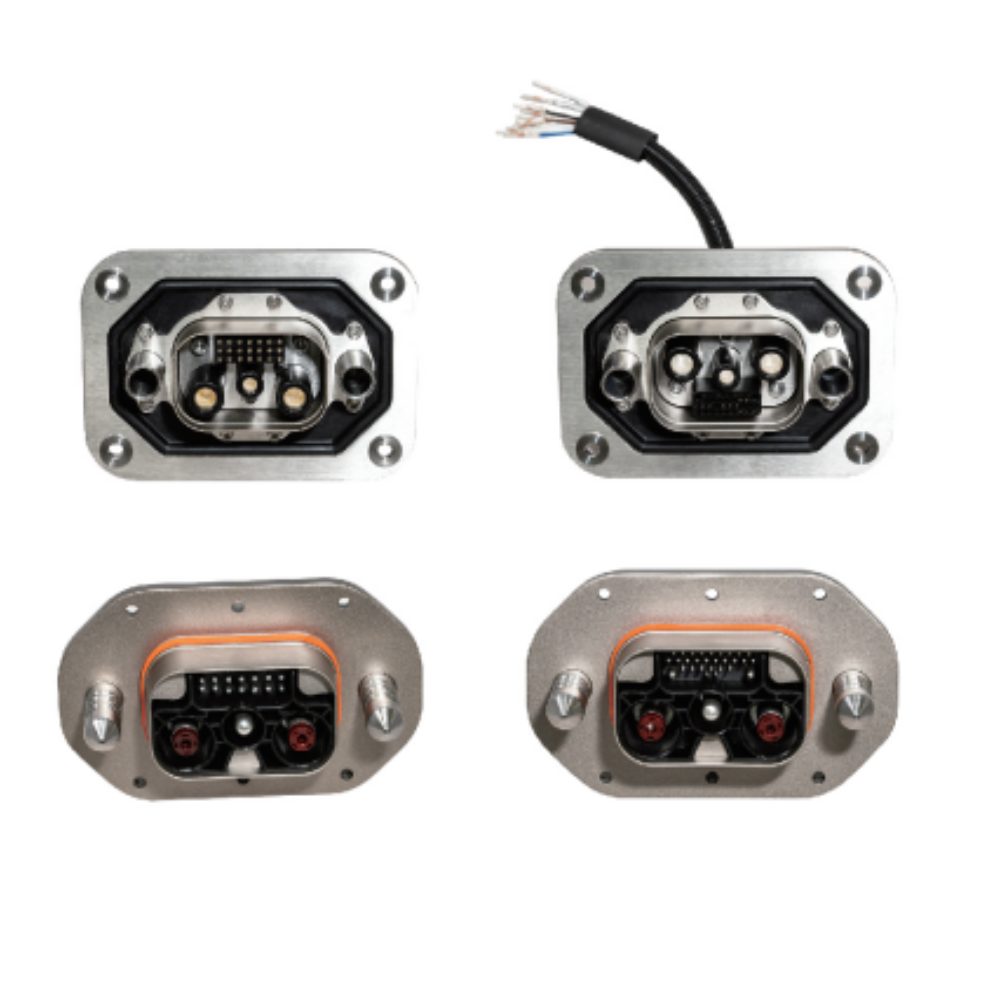
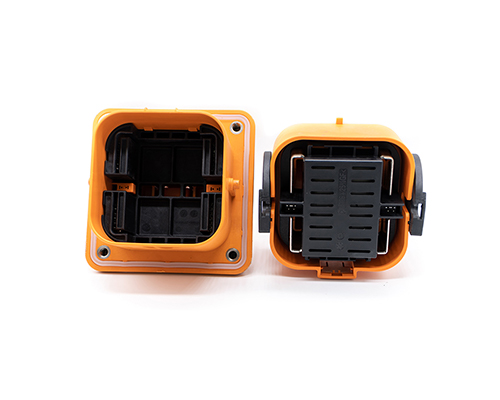
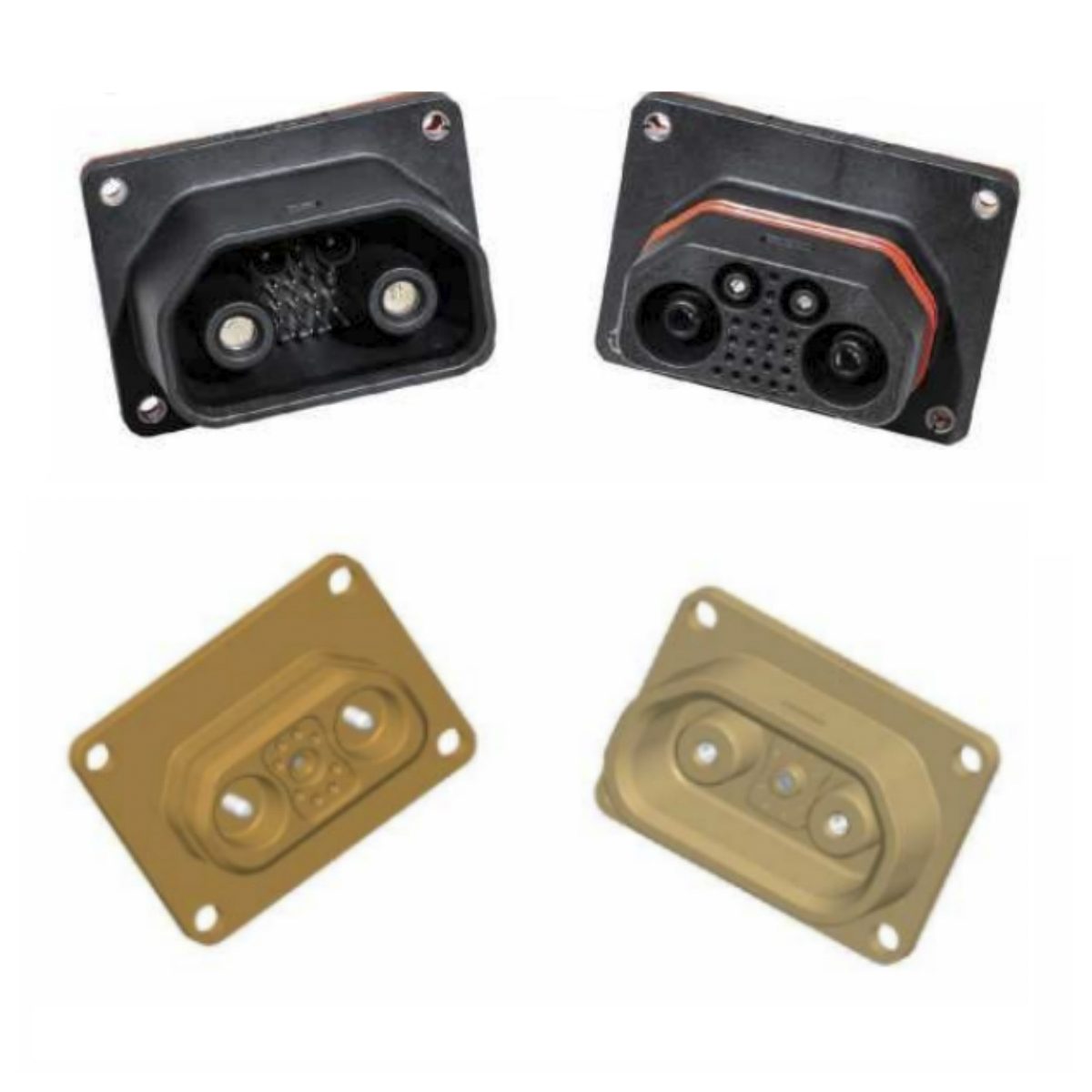
High-voltage Connectors and wires
The manufacturing process integrates electrical performance design, CNC machining, stamping process technology, plastic pressing process technology, precision die-casting process technology, strict test means and other multi-technology combination.
The quality and accuracy of high-voltage connector products directly affect the electrical, mechanical, and environmental performance of the connector, which in turn affects the safety of electric vehicles on the road. Therefore, the quality requirements and manufacturing precision of high-voltage connectors are relatively high, belonging to the connector field in the higher value-added high-end products.
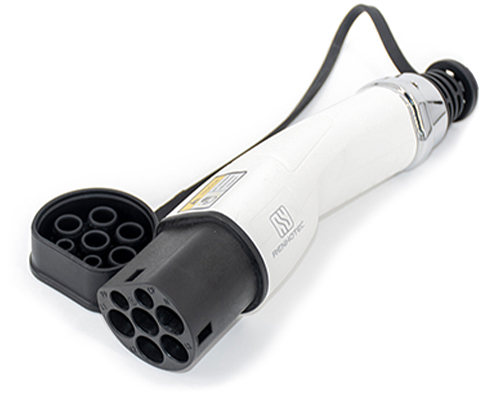
In the new energy vehicle industry, high-voltage connectors are extremely important meta-components. There are applications on the whole vehicle and charging facilities. The main application scenarios of high-voltage connectors on the entire vehicle are DC, water heating PTC charger, air heating PTC, DC charging port, power motor, high voltage wiring harness, maintenance switch, inverter, power battery, high voltage box, electric air conditioner, AC charging port, etc.
Influence of Use Environment
1. High Voltage and High Current (vehicle)
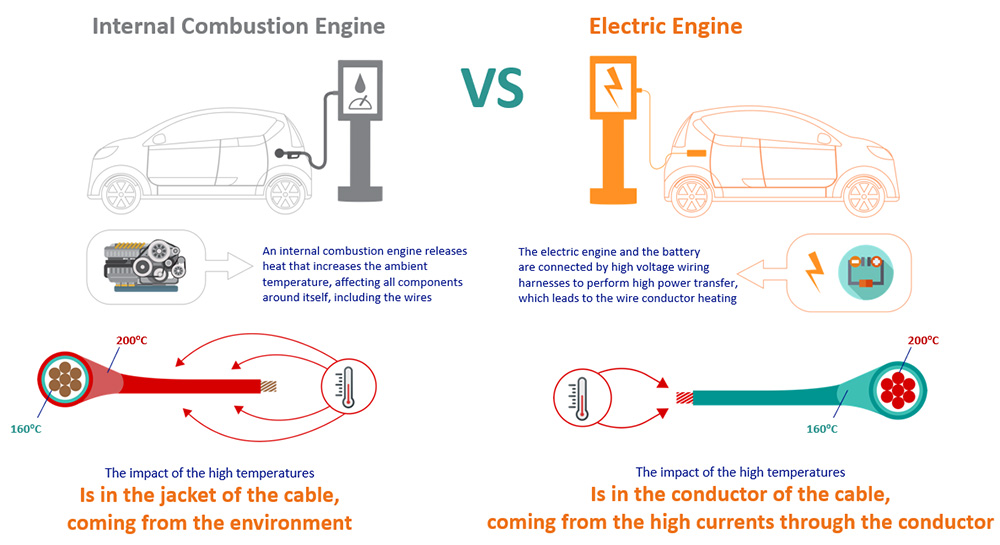
It can reach 600/300A. But the battery voltage of traditional fuel vehicles is usually 12V, which corresponds to the voltage withstand the level of wires less than 60V.
2. Large Wire Diameter, a Large Number of Cables (vehicle)
High-voltage battery variable frequency transformer, low-voltage battery, air conditioning compressor, electric heating and power distribution single. Much electrical construction with cable connection, in a limited space configuration huge cable.
3. Exposed Space (outside the car)
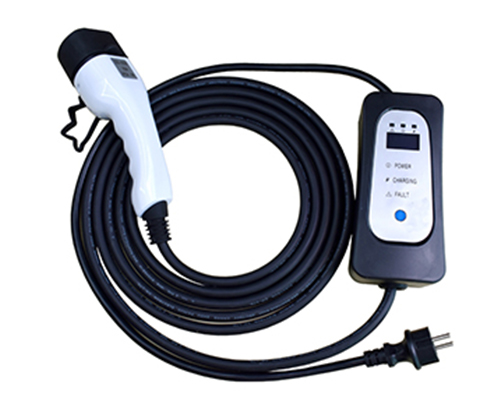
The charging gun part of the cable has been in the exposed space for a long time, and there are strict requirements for weather resistance, abrasion resistance, bending resistance, and tear resistance.
Design Challenges for High-voltage Wire Harnesses
1. Wiring
The arrangement requirements of the new energy vehicle high-voltage wire inside the vehicle are as follows:
4 times the wire’s outer diameter for the minimum gyration radius for static loads.
When dynamic load, 8 times the wire’s outer diameter for the minimum gyration radius.
Minimum spacing of 100 mm or more between high and low voltage wires.
From the end of the high-voltage connection wire to the initial fixed point of the distance of 100 mm or less, the distance between adjacent fixed points is generally 150 to 200 mm or less.
Arrangement of the high-voltage wire harness under the vehicle as far as possible.
The wire selection includes silicon rubber wire, flexible cross-linked polyolefin wire and other tough wires.
2. Safety
High voltage and high current, in addition to high voltage, have strict requirements for insulation performance. High temperature caused by a high current is also a point that must consider.
Wire Selection Items
The use of high-voltage wire 600V900V (AC ).
The use of high wire, a wall thickness of 0.6 mm – 1.1 mm.
Heat-resistant cord, heat-resistant 150 degrees or more: silicone rubber cord, cross-linked polyethylene cross-linked polyolefin material, with excellent flame-retardant effect.
Sealing
To match the high-voltage connector, the seal is waterproof and dustproof (IP67, IP69K). The wire requires dimensional stability performance, good roundness, and aging performance.
3. Shield
Reasons why electromagnetic shielding is required for high-voltage wire harnesses.
Electromagnetic field noise caused by high voltage and high AC.
Electromagnetic interference is caused by rapid power cut-off of electrical components.
The high-voltage wire is a critical connection between the connectors and cables inside the electric vehicle during the whole vehicle operation. The main potential hazards affecting the high-voltage wiring harness are overheating or combustion. The harsh environment on the harness should also shield performance, the risk of water and dust, etc.
The development of new energy vehicles in China has made great progress, and a variety of new energy vehicles have come into our daily lives. Mainly including pure electric vehicles, extended program electric vehicles, hybrid electric vehicles, fuel cell electric vehicles, hydrogen engine vehicles, other new energy vehicles, etc.
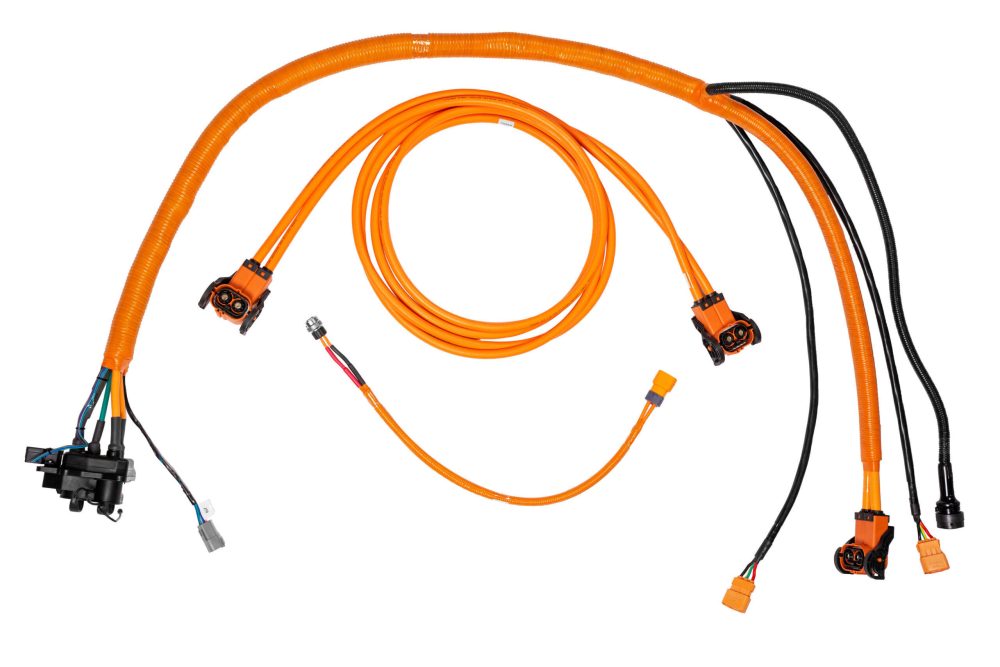
But regardless of the form of new energy vehicles, the common feature is that they use voltage platforms of up to 300V~600V or even higher. When it comes to wiring, they all have the same basic requirements. It is the safe transmission of high currents and voltages under an electromagnetic interference protection system. The high-voltage cables are precisely used to connect high-voltage batteries, inverters, air conditioning compressors, three-phase generators and electric motors, thus enabling the transmission of electrical power energy.
However, the high-voltage wiring harness of electric vehicles is not the same as the high-voltage power transmission cables in our daily life. Still, it is only relative to the low-voltage system of conventional vehicles.
One thought on “High-voltage Connector and High-voltage Wire for New Energy Vehicles”

 Deutsch
 Русский






Thanks for your blog, nice to read. Do not stop.