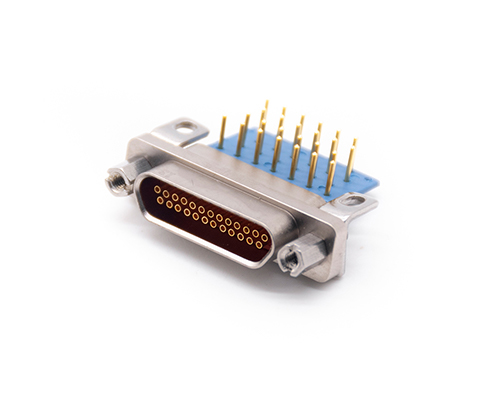
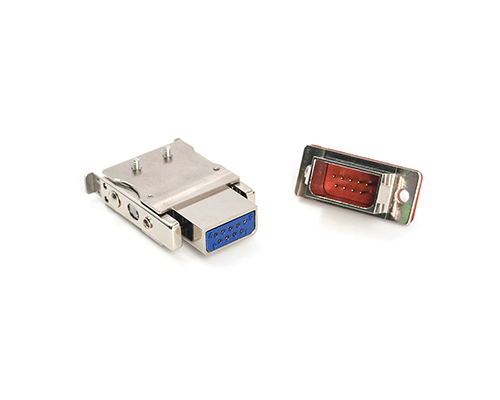
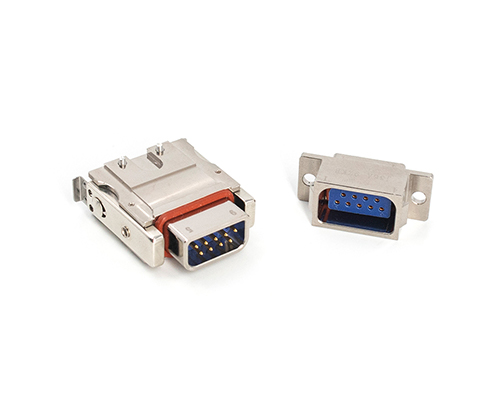
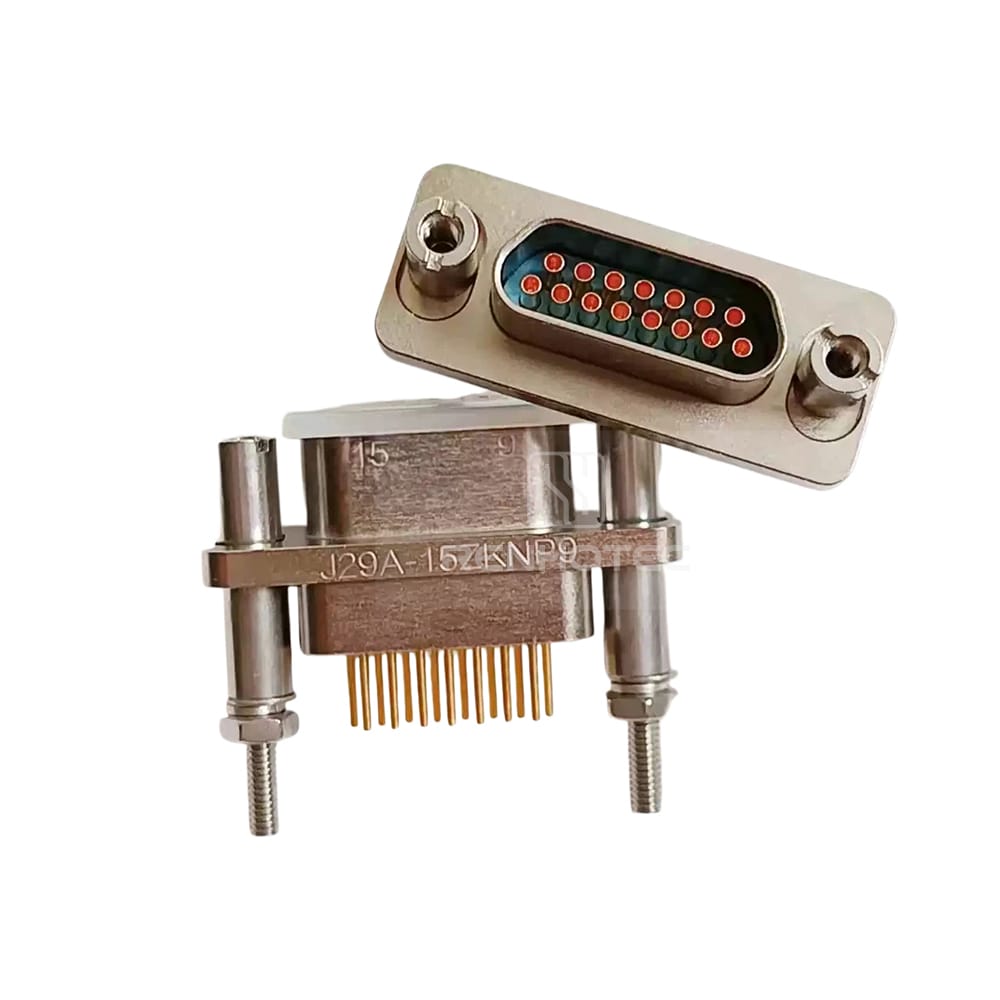
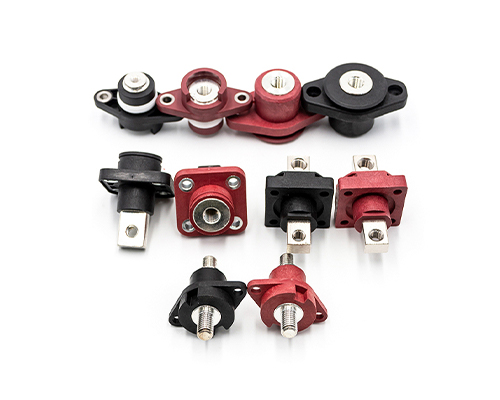
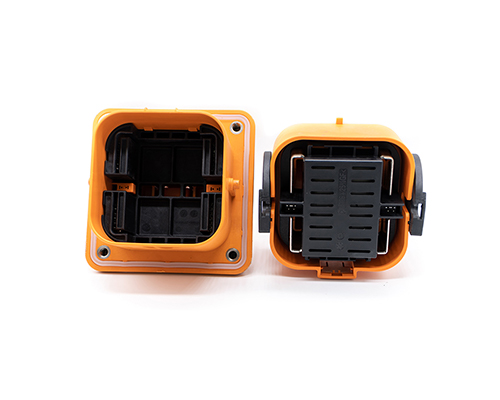
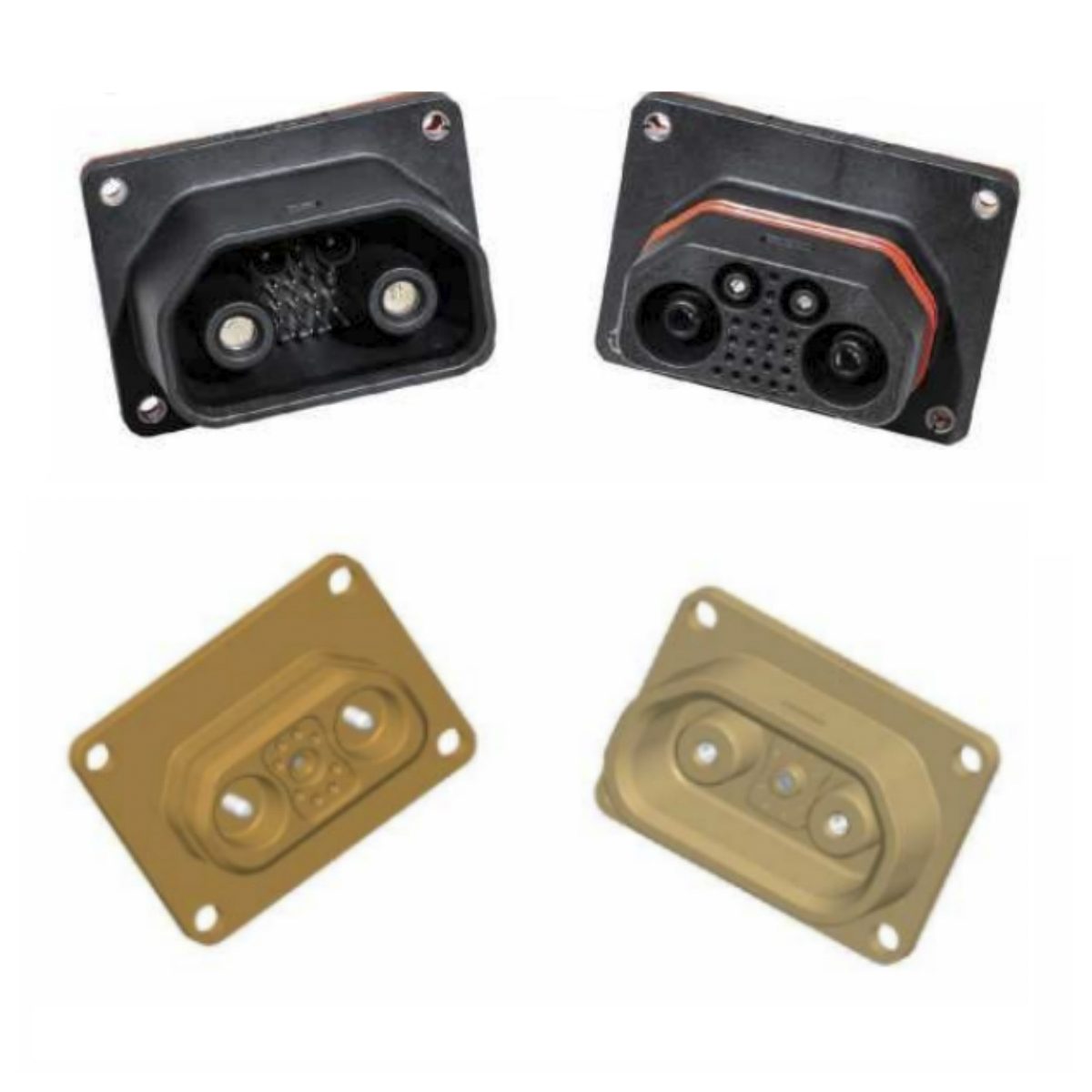
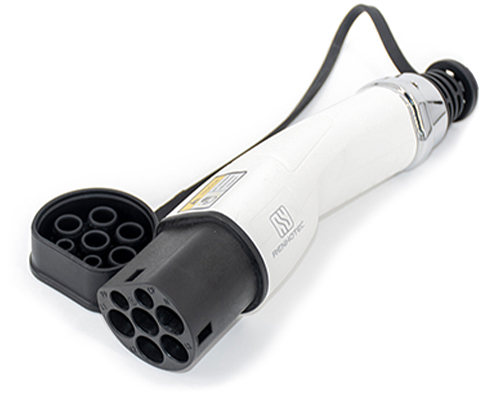
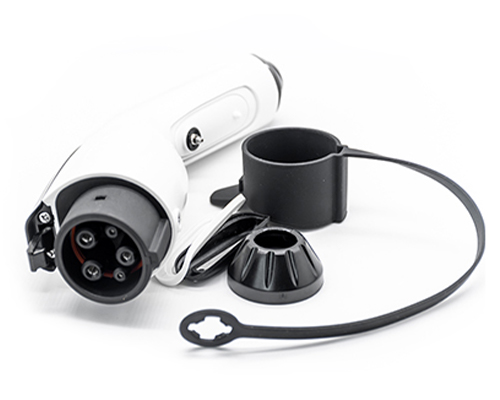
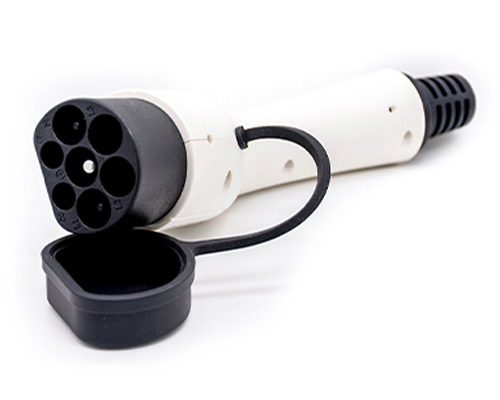
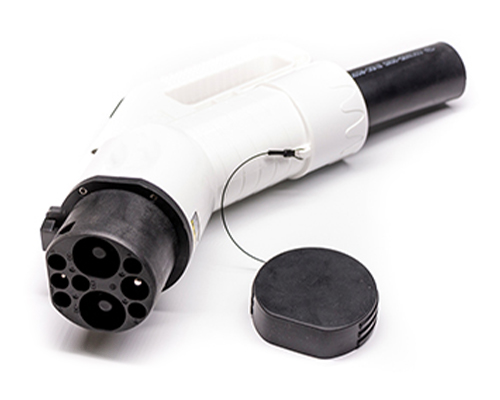
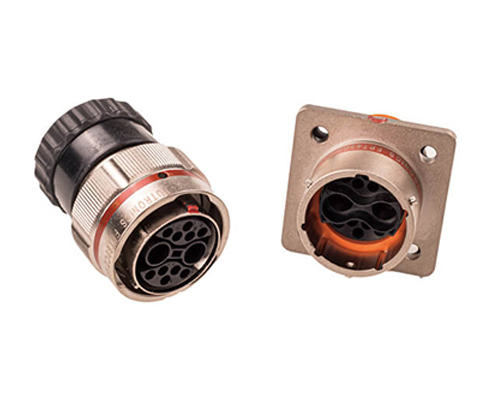
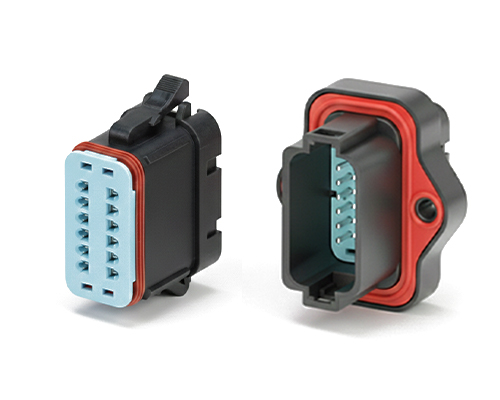
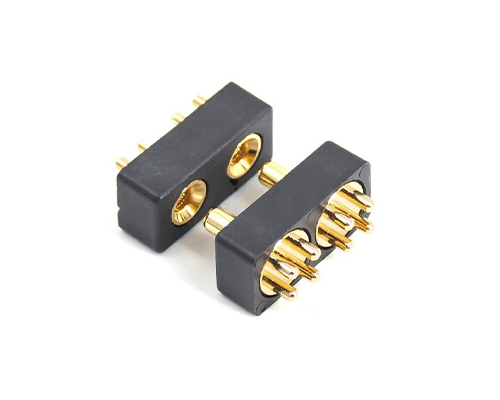
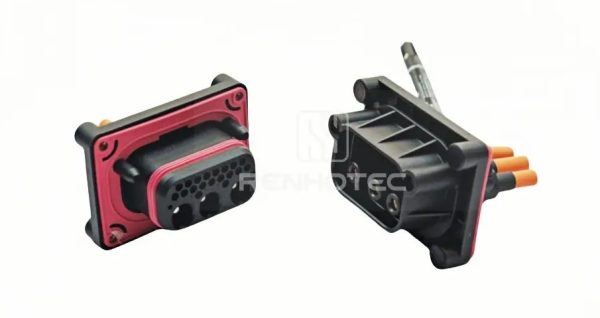
The Rectangular Connector is widely used in aerospace, medical instruments, consumer electronics (such as computers, TVs, game consoles, etc.), industrial control equipment, communication equipment, and automotive electronics. With its reliable connection performance, diverse specifications, and relatively convenient plug-in and unplug operations, it has become an indispensable component in various electronic and electrical applications.
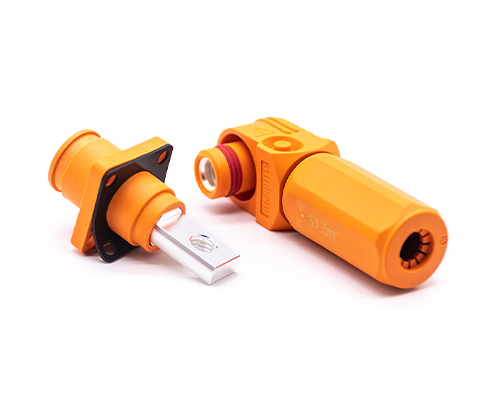
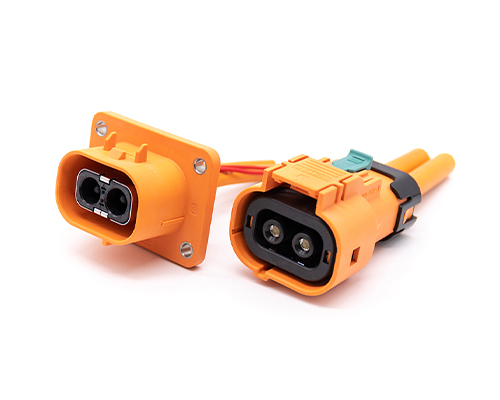
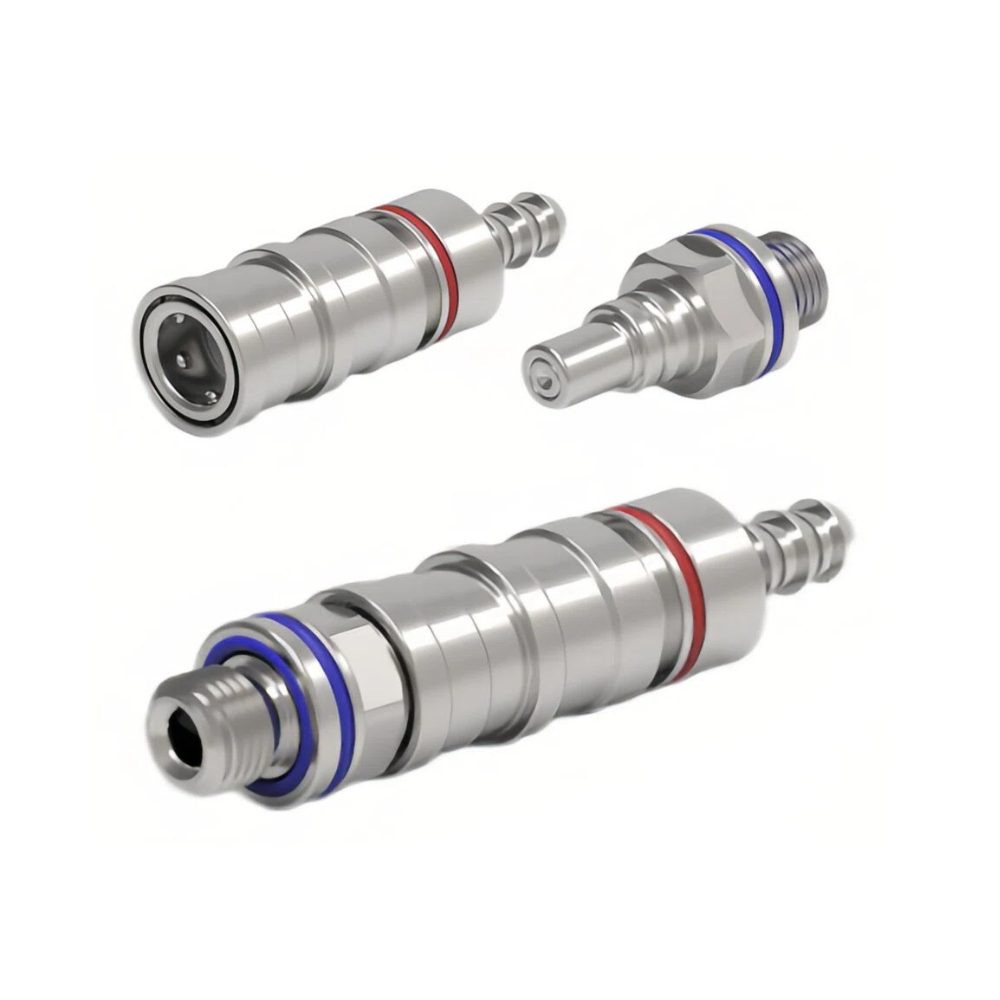
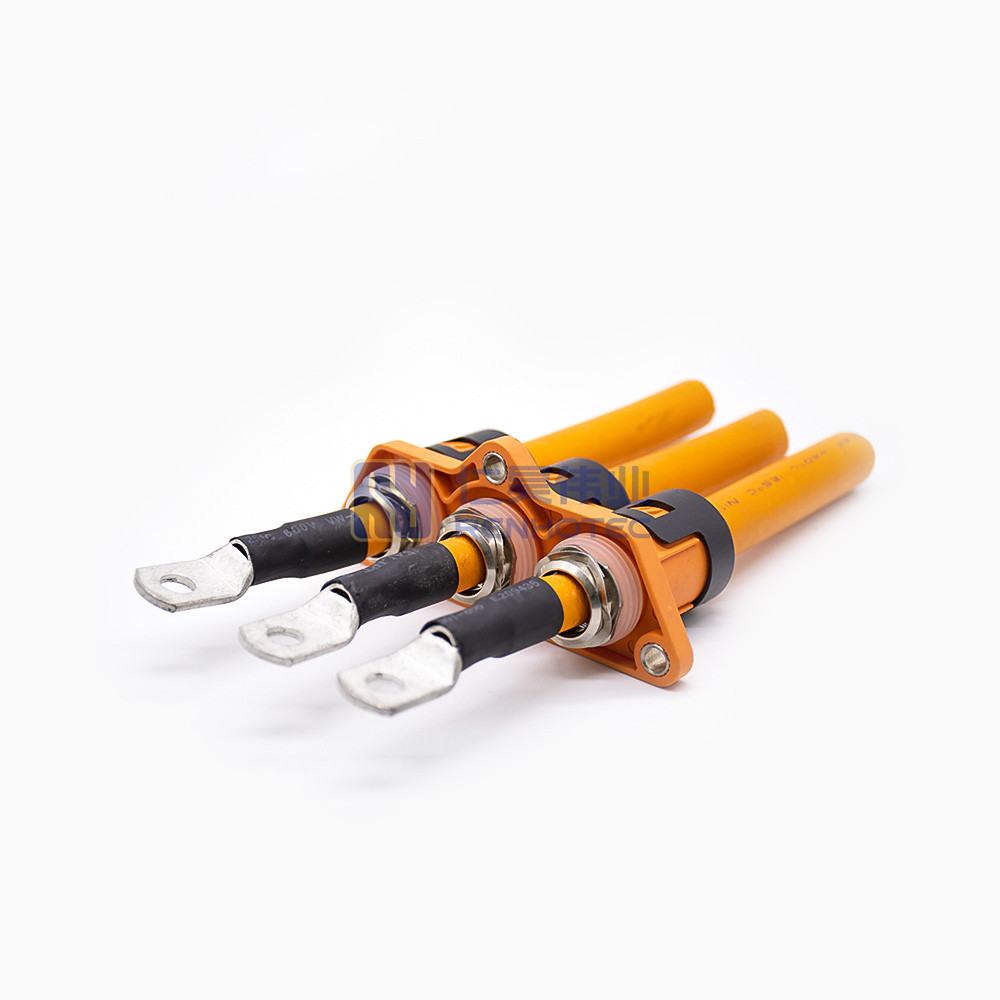
High Voltage Connectors are widely used in EV power systems, renewable energy installations, and industrial high-voltage circuits. Renhotec’s series drives the building of efficient, safe, and sustainable electrical ecosystems, meeting current technological demands.
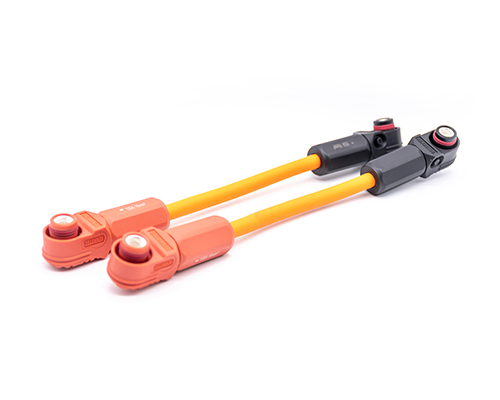
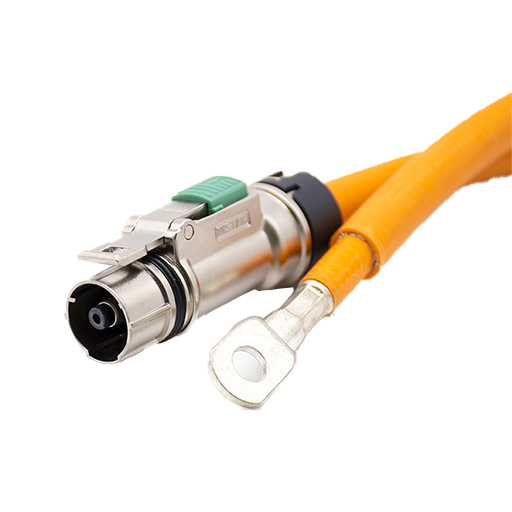
Renhotec EV Cable, crafted with top-notch conductive materials and meticulously engineered insulation, showcases outstanding impedance control and voltage-withstanding properties. Its design combines flexibility and durability to meet a wide array of installation needs. This cable is widely utilized in grid interconnections, large-scale industrial power supply systems, and high-voltage renewable energy projects, enabling smooth and efficient power transmission.
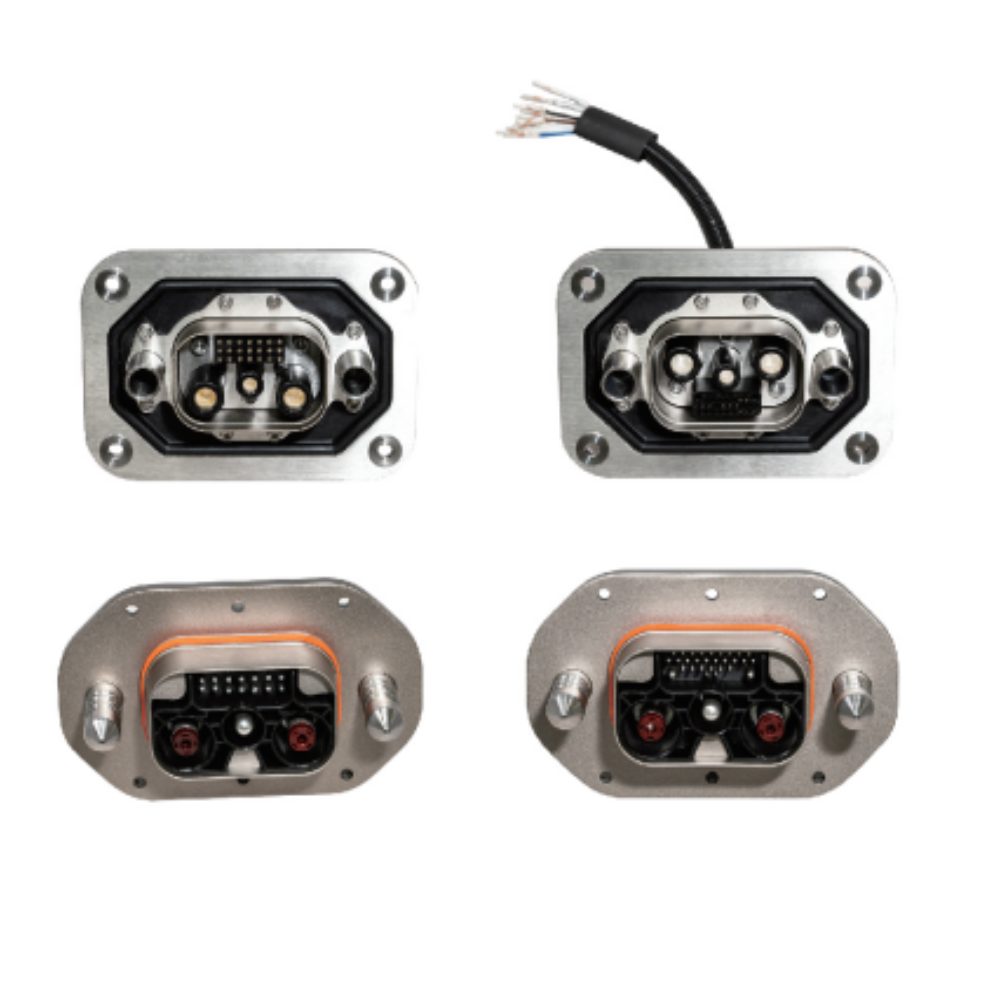
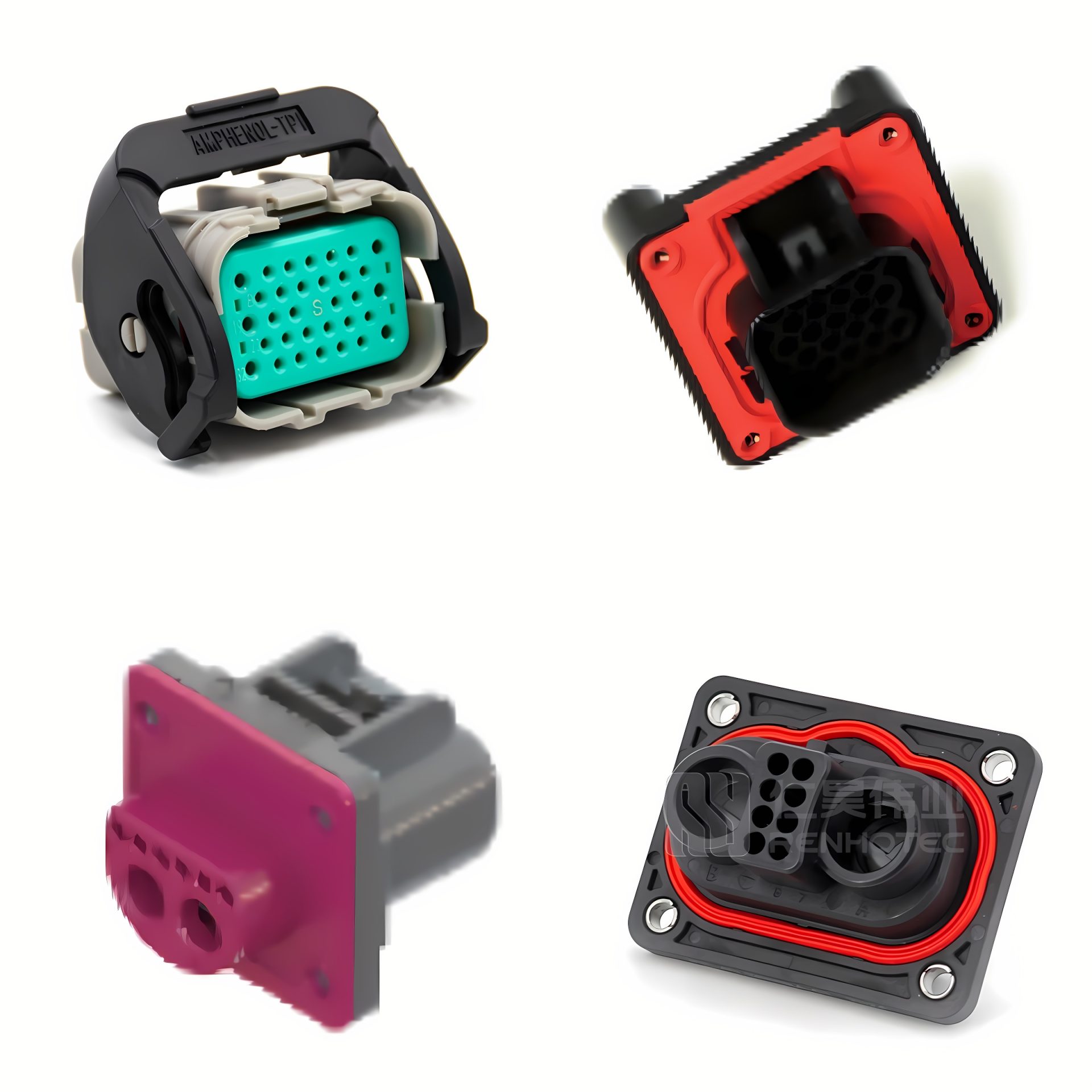
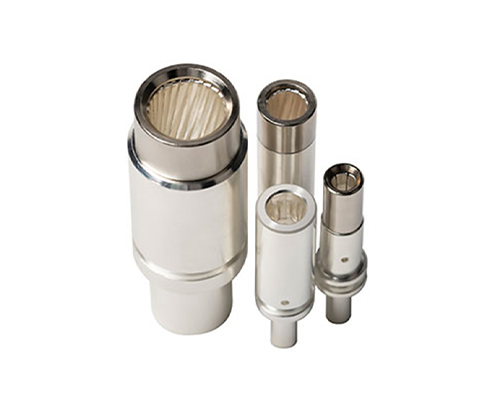
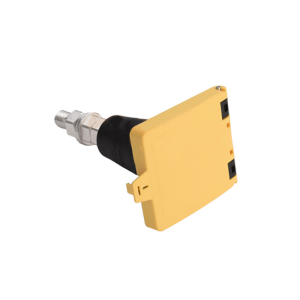
Renhotec, as a professional supplier, offers a comprehensive range of these Signal Transmission Connector products. Whether it is the high-reliability applications of the metal series or the wide adaptability of the plastic series in consumer electronic products, Renhotec can provide customers with high-quality options to meet the diverse requirements of signal transmission connections in different industries and scenarios.
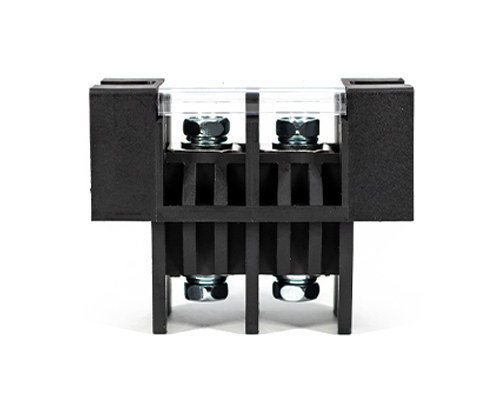
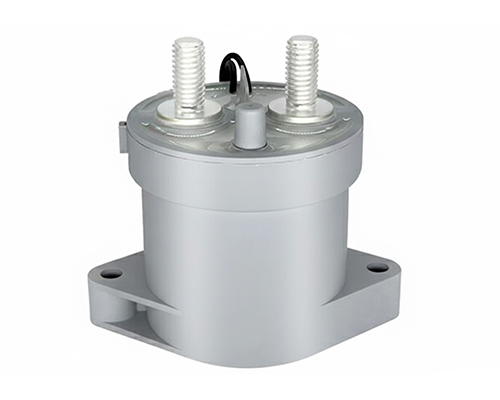
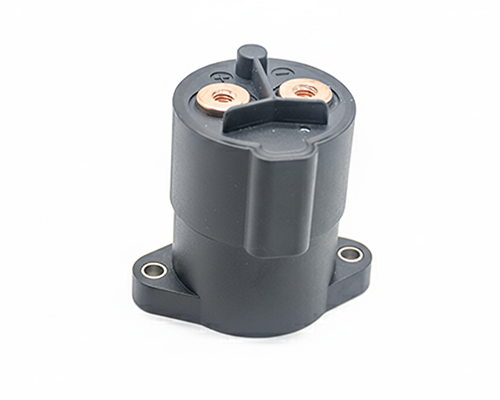
Renhotec, active in electrical components, offers High Voltage DC Contactors in Epoxy Resin Sealing and Ceramic Sealing variants, with a 20A – 1000A current range. The Epoxy Resin Sealing one is cost-effective and protective. The Ceramic Sealing variant excels in thermal stability and insulation. They’re widely used in EV charging, renewable energy grid, and industrial high-voltage DC power distribution for reliable circuit control and current interruption, providing comprehensive solutions for multiple sectors.
What is a battery swap connector? It is a specialized, high-performance electromechanical interface designed to rapidly and securely connect a detachable electric vehicle (EV) battery pack to the vehicle’s powertrain or to the automated charging infrastructure of a battery swapping station. Unlike standard charging plugs—which require manual operation and take anywhere from tens of minutes to several hours to use—battery swap connectors are designed to simultaneously handle massive electrical loads and critical Battery Management System (BMS) data within a matter of seconds. By bridging high voltages—typically up to 1000V or 1500V DC—and complex communication signals within a single rugged enclosure, they serve as the critical gateways that make automated, zero-downtime electric mobility possible.
2. How Battery Swap Works
How battery swap works is a highly synchronized, automated process. During this process, a depleted EV battery is physically removed and replaced with a fully charged unit, typically in under three minutes. When an EV or e-motorcycle enters a swapping station, robotic arms or guided tracks first mechanically align the vehicle. The system then automatically unlocks the battery pack housing. Here, the battery swap connector becomes critical: it must safely disconnect the high-voltage power and BMS signal lines without causing electrical arcing. Once a depleted battery pack is removed, the robotic system inserts a fully charged one; the connectors must seamlessly re-engage to instantly restore power transmission and data communication, allowing the vehicle to depart. This continuous loop requires the entire system—especially the connection interfaces—to be built for strict speed and precision for speed and precision.
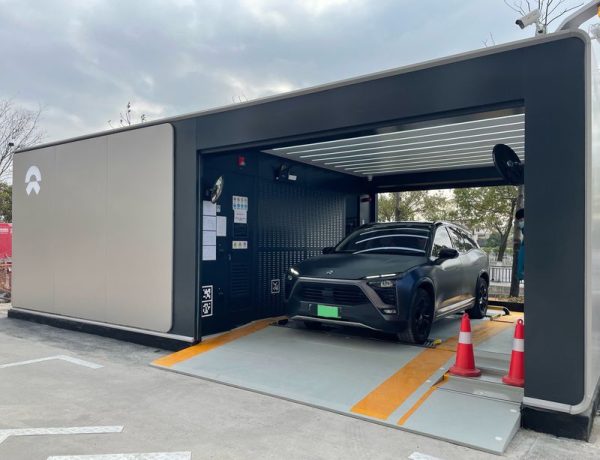
EV Battery Swap Station from NIO
3. Key Features of Battery Swap Connectors
Engineers must evaluate these connectors against the severe mechanical and electrical stress of a swap station. Top-tier connectors rely on several specific design features to survive this environment:
High Mating Cycles: For external interfaces handled by robotic arms, connectors are engineered with specialized crown bands to survive 10,000+ mating cycles. Meanwhile, internal pack connectors—used for assembling modules inside the swapped battery—rely on a highly durable 100 to 500-cycle standard to ensure reliable performance during periodic maintenance.
Mechanical Self-Alignment (Blind-Mate): Because robotic arms and heavy battery packs cannot achieve perfect millimeter-level alignment, these connectors feature built-in floating tolerances and elongated guide pins. This mechanical self-alignment allows the connector to blindly guide itself into position, preventing the fragile internal pins from being crushed.
Environmental Adaptability: Swapping infrastructure and internal battery packs face extreme conditions, from road salt and extreme temperature fluctuations to coolant micro-leaks. A robust connector must feature heavy-duty silicone seals to achieve an IP67 or IP6K9K waterproof rating, alongside high corrosion resistance to maintain conductivity.
Hybrid Integration (Power + Signal): Space is the most valuable asset in EV architectures. Instead of running separate heavy-voltage cables and delicate data wires, advanced connectors utilize a hybrid design. They integrate 250A+ power transmission and multi-pin BMS communication signals (e.g., CAN bus) into a single, unified housing.
Safety Locking & HVIL: To prevent catastrophic electrical arcing during an active swap, these connectors incorporate secure mechanical locking structures and a High Voltage Interlock Loop (HVIL). The shorter signal pins break first during disconnection, instantly telling the system to cut the main high-voltage power before the primary contacts separate.
Modular and Stackable Design: Especially for internal pack architecture, modularity is key. Connectors with stackable straight housings allow engineers to scale the power and signal outputs according to the battery pack’s specific capacity, simplifying the internal wire routing and assembly process.
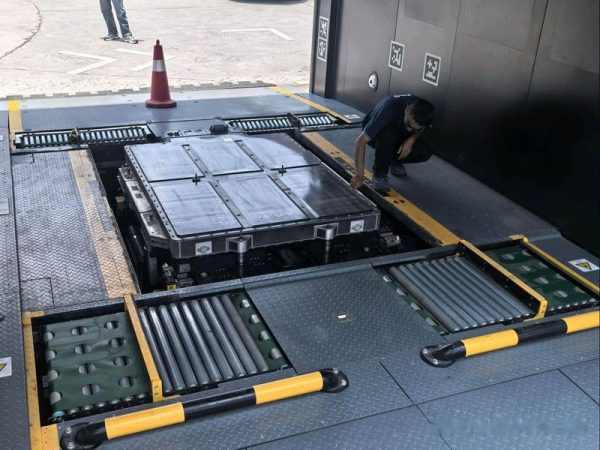
EV Battery Swap Station
4. Battery Swap Connector Types
Battery swap connector types vary significantly depending on the specific application, ranging from light-duty two-wheelers to heavy-duty commercial fleets. Understanding these classifications is crucial for engineers mapping out a new electric vehicle architecture. The primary types are categorized by their mating mechanism and voltage requirements.
Battery swap connectors are classified into manual connectors and automatic connectors. Manual connectors are predominantly used in electric motorcycles and e-scooters. The user physically unplugs the depleted battery and swaps it by hand, requiring a connector with an ergonomic grip, reliable IP67 waterproofing for outdoor exposure, and a moderate mating force. On the other hand, automatic connectors are the backbone of commercial EV swapping stations. These are subjected to brutal mechanical forces from robotic arms and require advanced blind-mate capabilities, heavy-duty guide pins, and high-frequency mating cycle ratings.
Second, classification by voltage separates high-voltage from low-voltage systems. Low-voltage types (typically 48V to 72V) manage the power for light mobility. High-voltage battery swap connectors (often rated for 800V, 1000V, or even 1500V DC) are engineered for passenger cars and electric trucks. Furthermore, the industry is increasingly relying on internal pack hybrid connectors. While the external interface handles the robotic swap, these critical internal connectors (rated for an industry-standard 100 to 500 maintenance cycles) optimize the battery pack’s internal space by combining massive 250A power terminals and delicate BMS signal pins into one stackable unit.
5. Battery Swap vs Charging
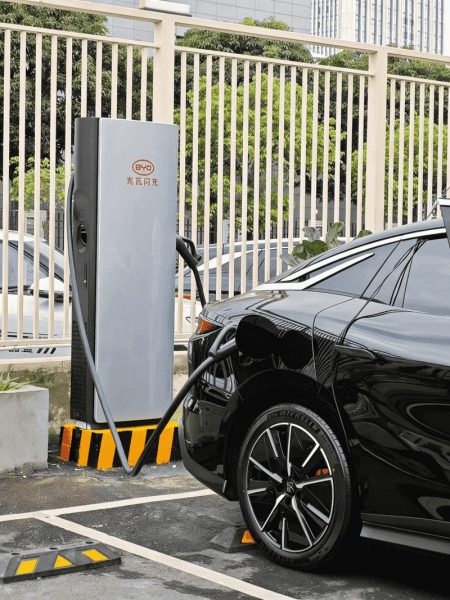
The development of battery technology is faster than we imagined. When evaluating battery swap vs charging today, we must address the elephant in the room: ultra-fast charging has evolved drastically. As of early 2026, breakthroughs like BYD’s 2nd-generation Blade Battery and 1.5MW Flash Charging technology have pushed charging times down to an astonishing 9 minutes (from 10% to 97%). For general car drivers, this is quite close to the speed of a physical battery swap or filling up a gas tank.
BYD MegaWatt Flash Charge
So, does this mean that battery-swapping connectors have been phased out? For commercial fleets, electric trucks, and heavy-duty logistics, the answer is no. While charging speeds have caught up, the fundamental advantages of swapping have shifted to infrastructure, battery physics, and economics.
The Grid Infrastructure Bottleneck
A single modern mega-charger draws up to 1.5 Megawatts. A highway station with just ten of these chargers would require 15MW of power. This is roughly equivalent to the electricity consumption of a small town. The existing power grid simply cannot support this massive, unpredictable localized draw during peak hours. Swapping stations solve this by acting as decentralized energy storage. They slowly trickle-charge their inventory of batteries during off-peak night hours, entirely neutralizing the grid strain while ensuring fully charged packs are always ready for the morning shift.
Battery Health and Thermal Degradation
Physics dictates that forcing 1500kW of power into a lithium-ion pack generates extreme internal temperatures. While advanced cooling systems mitigate this, chronic megawatt-level fast charging inevitably degrades cell chemistry faster than slow charging. Battery swap stations charge their modular packs in a highly climate-controlled environment at optimal, low C-rates. This meticulous thermal management maximizes the overall lifespan of the battery asset.
Economic Scale and BaaS
For commercial operations, vehicle downtime is lost revenue. Even a 10-minute charge can cause bottlenecks at busy logistics hubs. A heavy-duty battery swap connector allows a truck to swap a massive 500kWh pack in three minutes. Furthermore, under the Battery-as-a-Service (BaaS) model, fleet operators do not own the batteries. They can minimize the financial depreciation resulting from battery degradation.
6. The Technical Structure of a Battery Swap Connector
The technical structure of modern battery-swapping connectors has resolved numerous challenges within the field of electromechanical engineering. It enables the integration of heavy-duty power transmission, precise data transmission, and rigorous safety protocols into an extremely confined space. To achieve this, the architecture is broken down into four foundational pillars:
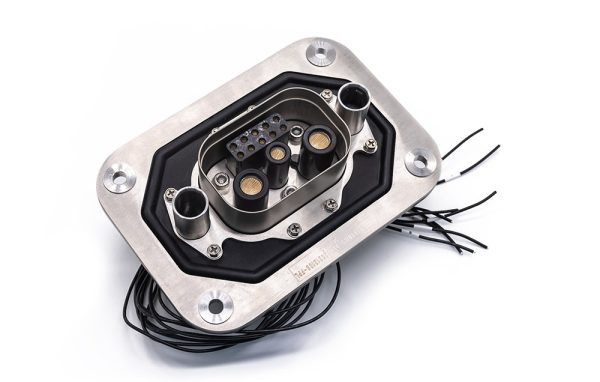
Power Terminals: At the core of the connector are the high-current power terminals. Transmitting 200A to 500A continuously generates immense thermal energy due to Joule heating ($P=I^2R$). To combat temperature rise, these terminals are manufactured from high-conductivity copper alloys and plated with heavy silver. They often utilize hyperbolic wire springs or crown band internal geometries to maximize the contact surface area and minimize electrical resistance, ensuring efficient power transfer without melting the housing.
Signal Pins for BMS: Surrounding or adjacent to the power terminals are the signal pins. These are responsible for the CAN bus communication between the Battery Management System (BMS) and the vehicle’s central control unit. They transmit critical data such as cell temperature, state of charge (SoC), and system health. The pins must be completely intact; if the signal is interrupted while the vehicle is traveling at high speed, power could be lost instantly.
High Voltage Interlock Loop (HVIL): The HVIL is the primary safety mechanism integrated into the structure. It utilizes a dedicated set of shorter signal pins (the “first-mate, last-break” principle). When the connector is unmated, the HVIL circuit breaks first, instantly signaling the system’s contactors to cut the high-voltage power before the main power terminals separate, effectively preventing lethal electrical arcing.
Shielding and Housing: Finally, the entire assembly is enclosed in a rugged, highly engineered housing. Made from flame-retardant thermoplastics like Polyamide 66 (PA66) or Polyphenylene Sulfide (PPS), the housing provides a UL94 V-0 safety rating. Furthermore, it incorporates heavy-duty silicone seals to achieve IP67 or IP6K9K waterproof ratings, and built-in metallic shielding to prevent the high-current power lines from causing electromagnetic interference (EMI) with the sensitive BMS data signals.
Battery Swap Connector
7. How to Choose a Battery Swap Connector for Your Project
When designing swappable-battery EV architectures, the selection of battery swap connectors by engineers is of critical importance. A poor selection will lead to thermal runaway, communication failure, or crippling maintenance downtime. When evaluating suppliers and datasheets, procurement teams must scrutinize the following parameters:
Identify the Application Interface (Cycle Life): First, strictly define where the connector will be used. If it is the external interface handled by a robotic arm, demand a lifespan of 10,000+ cycles. However, if you are designing the internal modules of the battery pack (connecting the cell clusters to the Power Distribution Unit), specifying a 10,000-cycle connector is a massive waste of budget and space. For internal pack integration, an industry-standard cycle life of 100 to 500 operations is the optimal choice for maintenance and assembly.
Current and Voltage Ratings: As EV architectures transition to 800V and beyond to minimize cable weight, the connector must keep up. Look for components rated for at least 1000V DC or 1500V DC, capable of handling 200A to 250A of continuous current without exceeding a temperature rise (ΔT) of 50°C.
IP Rating and Environmental Sealing: Moisture is the enemy of high voltage. Even for internal battery pack connectors, condensation or coolant micro-leaks can cause short circuits. Ensure the connector features robust silicone seals and achieves a minimum of an IP67 waterproof rating.
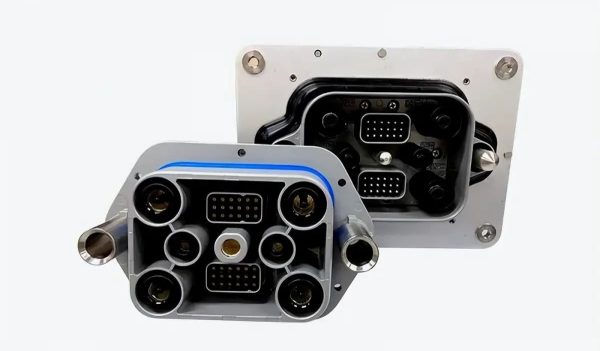
Signal Integration (Hybrid Design): To save space and simplify the wiring harness, prioritize hybrid connectors that integrate the heavy power terminals and the multi-pin BMS signal contacts (e.g., 3+19Pin layouts) into one unified, stackable housing.
EV Battery Swap Connectors
8. Major Applications of EV Battery Swapping System
Battery swapping systems were initially applied to consumer passenger vehicles; however, the related infrastructure for commercial vehicles is currently expanding rapidly.
E-Motorcycles and Light Mobility: In densely populated urban centers across Asia and Europe, electric two-wheelers rely almost exclusively on manual swapping networks. Riders simply pull up to a kiosk, swap a 10kg battery, and drive away in 30 seconds. This demands highly ergonomic and weather-resistant connectors.
Heavy-Duty Commercial Fleets: Electric mining trucks, automated port AGVs, and long-haul logistics fleets cannot afford hours of charging downtime. Automated swapping allows a massive 500kWh electric truck to get back to work in three minutes, making robust, high-current automatic connectors indispensable.
Energy Storage Systems (ESS): Interestingly, the retired batteries from EVs are often repurposed for grid-level energy storage. The highly reliable internal connectors used during their EV lifecycle ensure these packs can be safely cascaded and integrated into stationary ESS racks.
9. Engineering the Swappable Battery Packs
To establish a stable and reliable battery-swapping ecosystem, it is imperative to overcome complex electrical engineering challenges spanning every stage—from external robotic arm interfaces to the vehicle’s internal power distribution network. Nowadays, as electric vehicle battery packs are required to house ever-increasing energy capacities within shrinking spatial constraints, the practice of routing high-voltage cables and intricate BMS wiring harnesses separately is no longer a viable engineering solution.
In terms of internal battery pack design, In terms of battery pack internal design, we now focus more on optimizing space utilization and facilitating maintenance, rather than solely pursuing high-frequency blind-mating capabilities. By integrating both power and signal lines into a single connector, we not only eliminate redundant cables and connectors—thereby simplifying wiring—but also mitigate the risk of assembly errors.
Hybrid Power Connector
This is the exact design philosophy behind our Hybrid Power Connector Series. Engineered specifically for the internal environments of swappable battery packs and high-capacity energy storage systems, these connectors bridge the gap between performance and spatial efficiency:
High-Density Integration: Custom pin configurations (e.g., 3+19Pin, 3+2+21Pin) allow engineers to route up to 1000V/1500V DC and 250A alongside critical BMS communication signals within a single, unified footprint.
Maintenance-Optimized Lifespan: Built to an industry-standard 100 to 500 mating cycle rating, they are perfectly calibrated for factory assembly and periodic pack servicing, avoiding the unnecessary cost overhead of robotic-grade external connectors.
Environmental Reliability: Featuring IP67-rated, stackable straight housings, they ensure robust performance against internal condensation, thermal shifts, or unexpected coolant micro-leaks.
Accelerate your battery pack design process with the right connection components.
[Contact Us] to request the full Hybrid Power Connector catalog, technical datasheets, and 2D/3D CAD models, or to discuss customized pin layouts for your specific application.

 Deutsch
 Русский