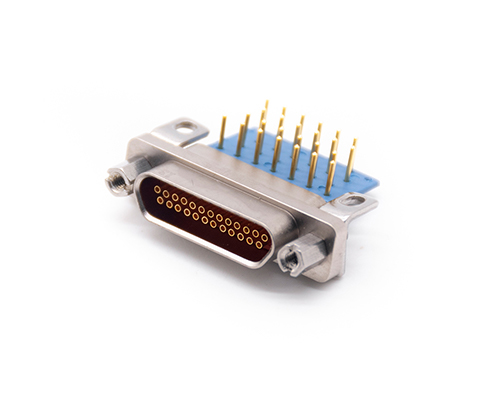
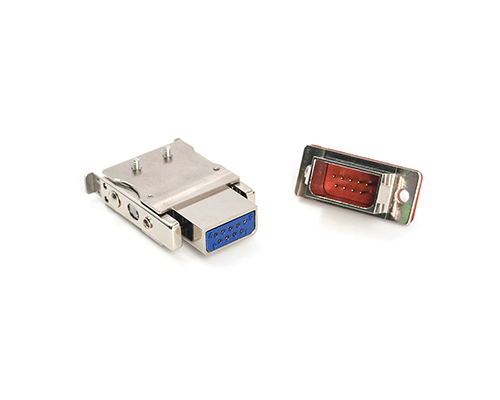
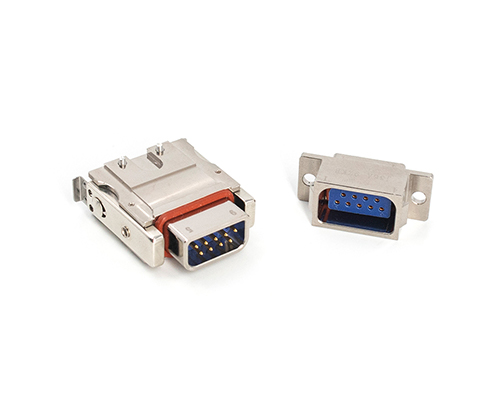
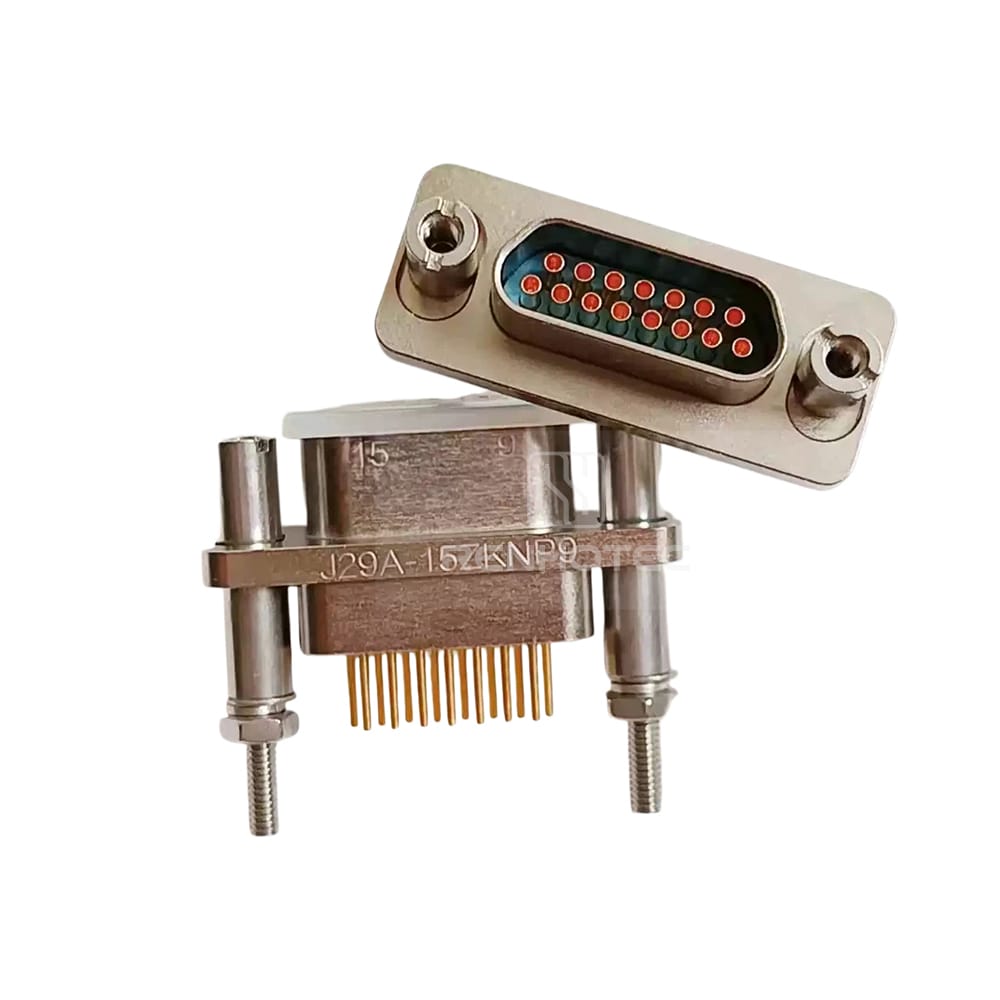
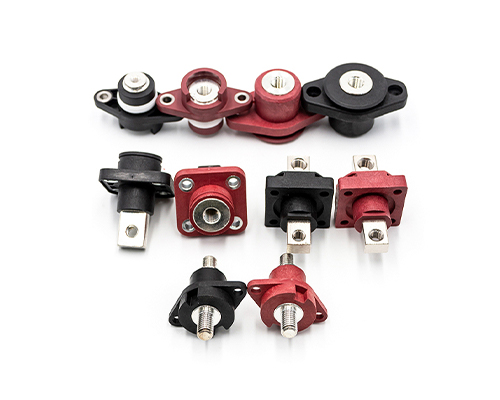
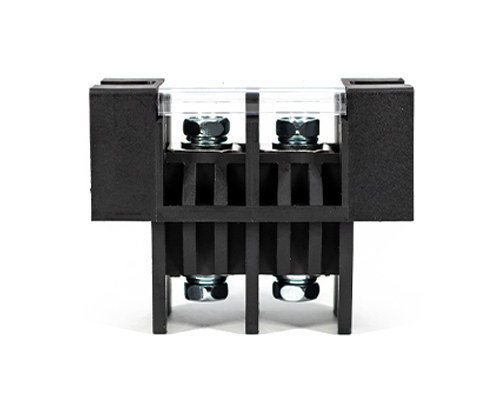
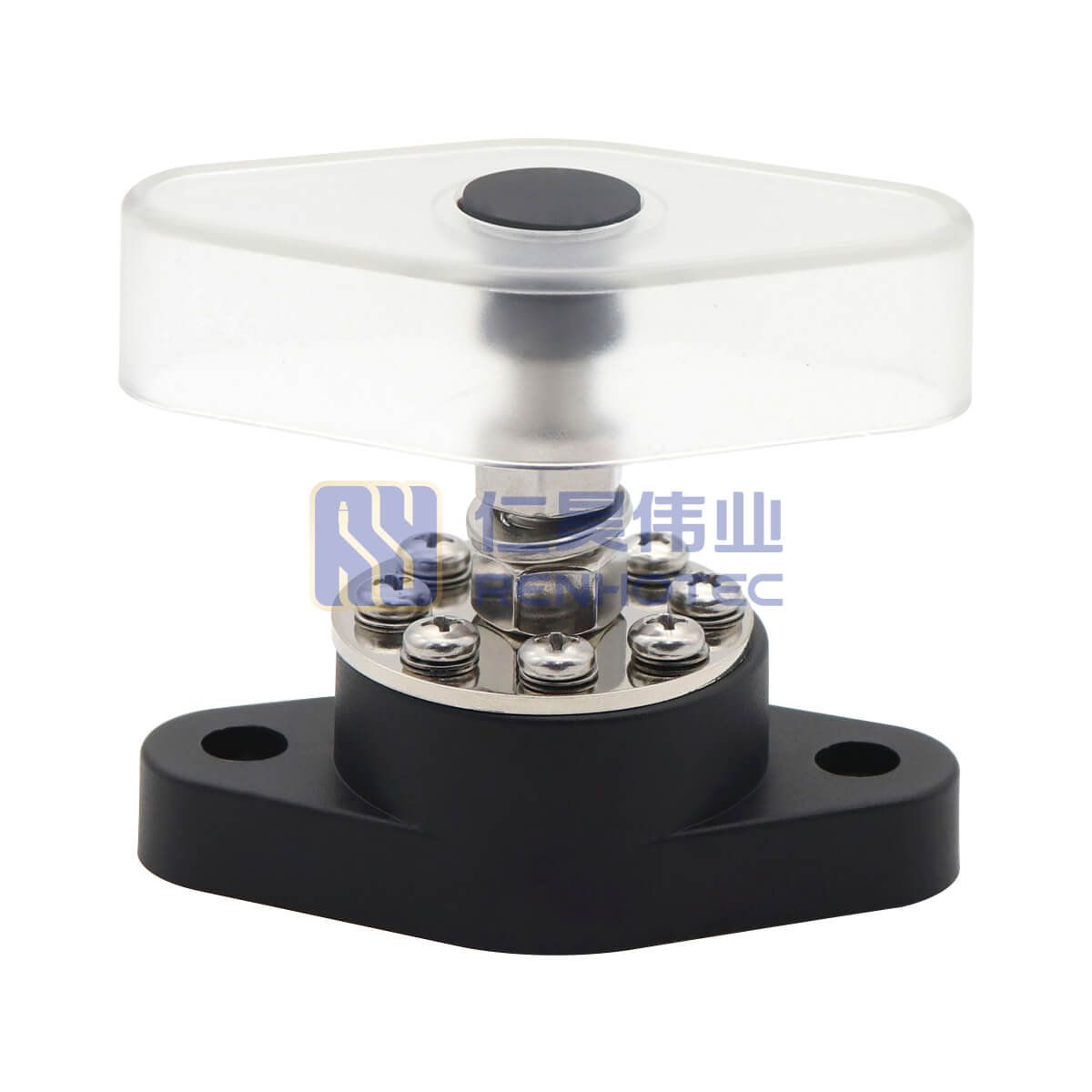
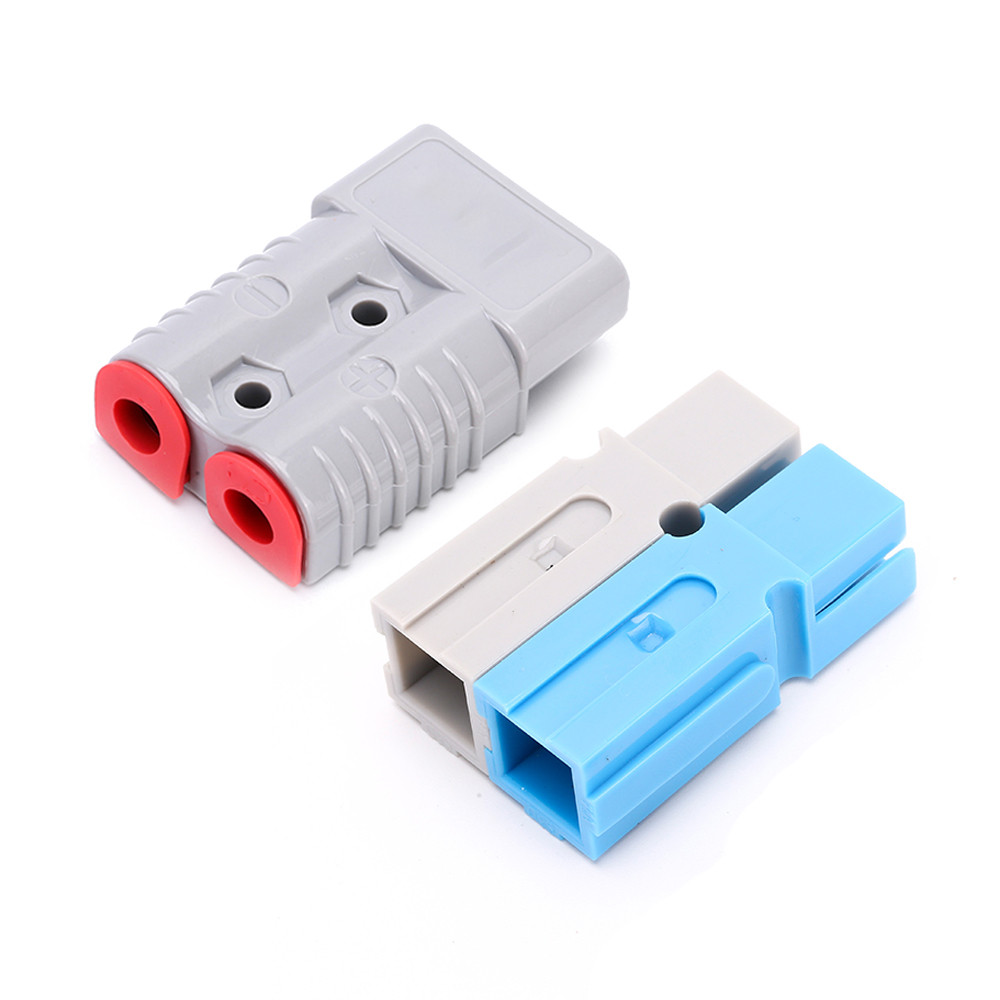
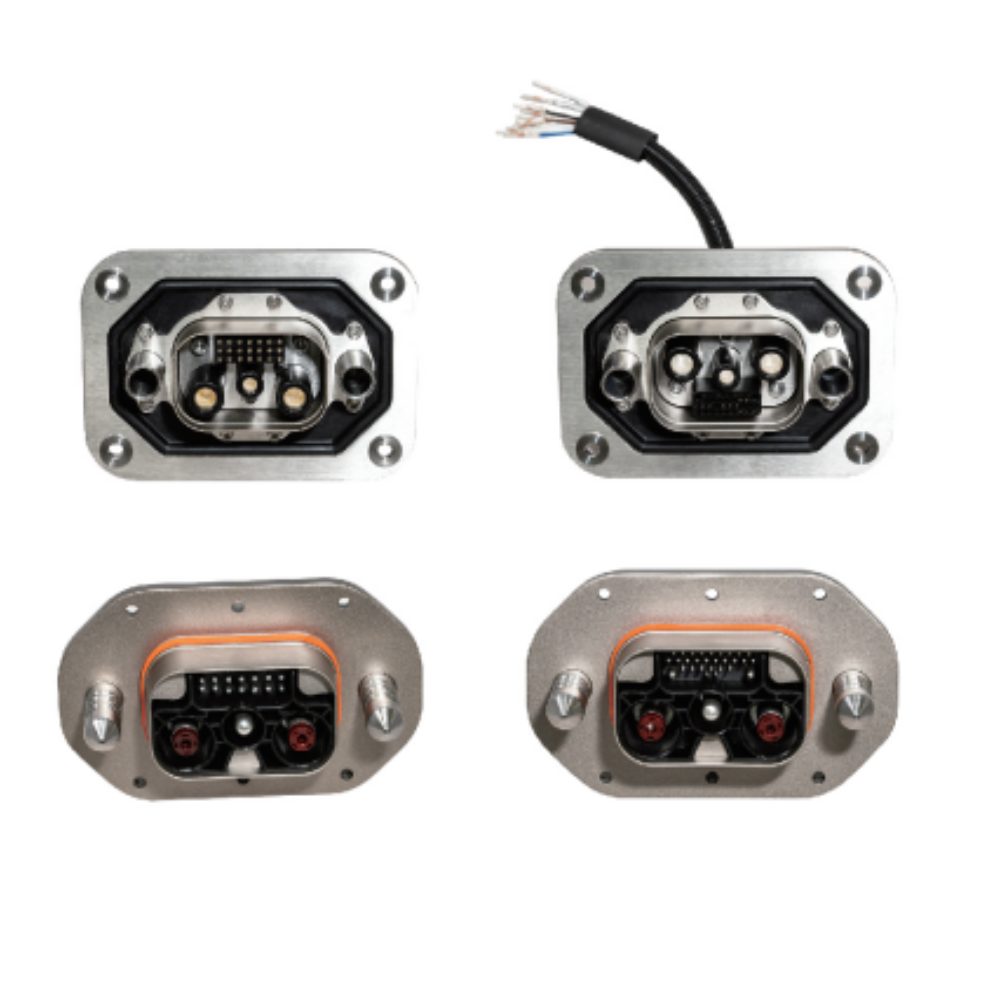
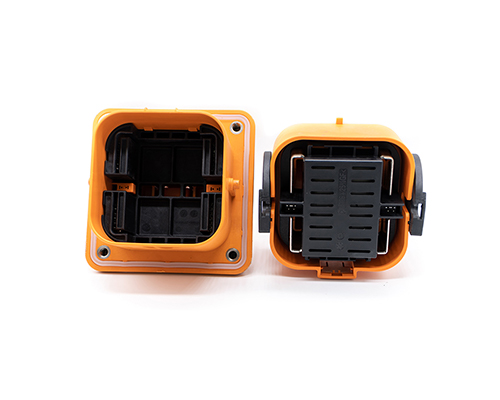
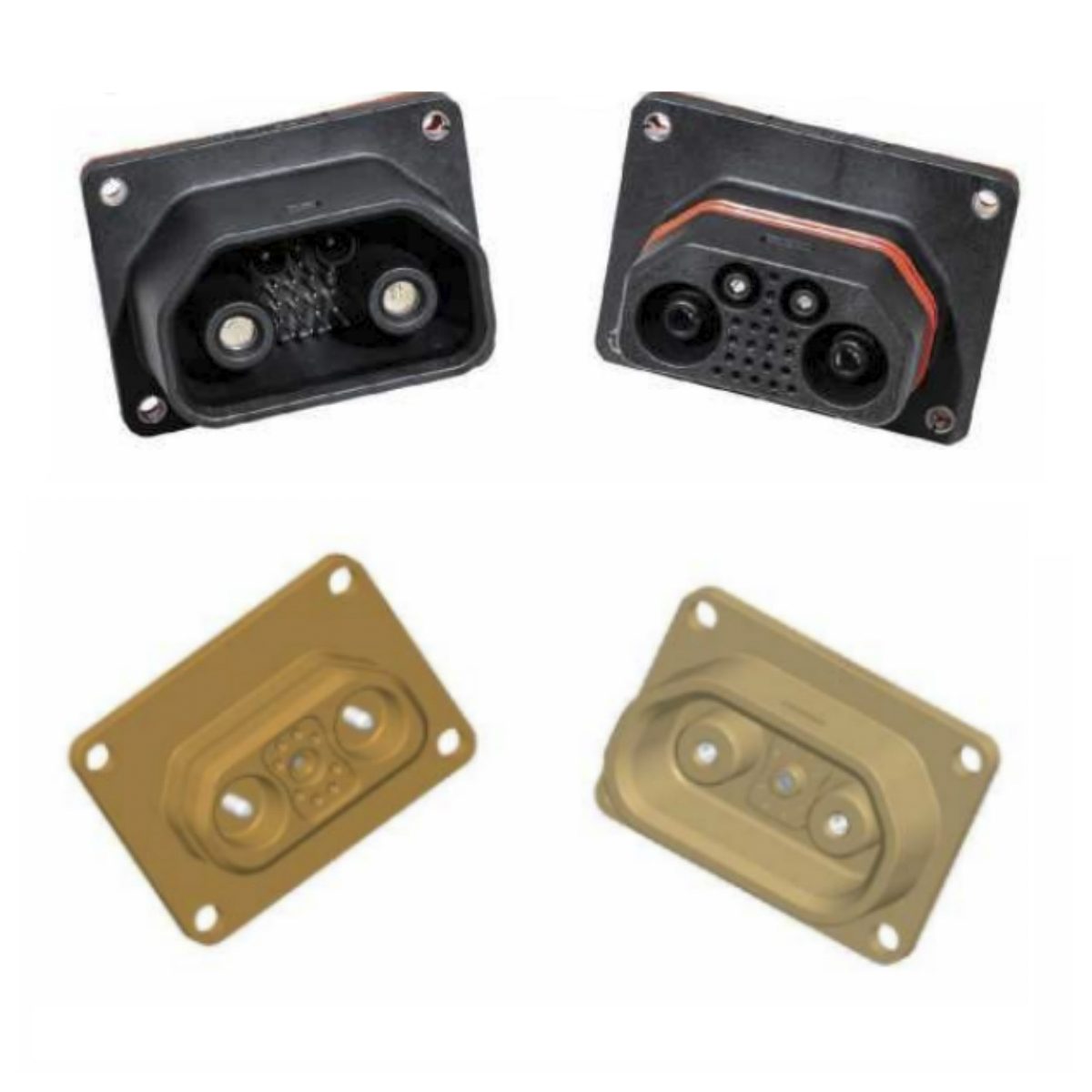
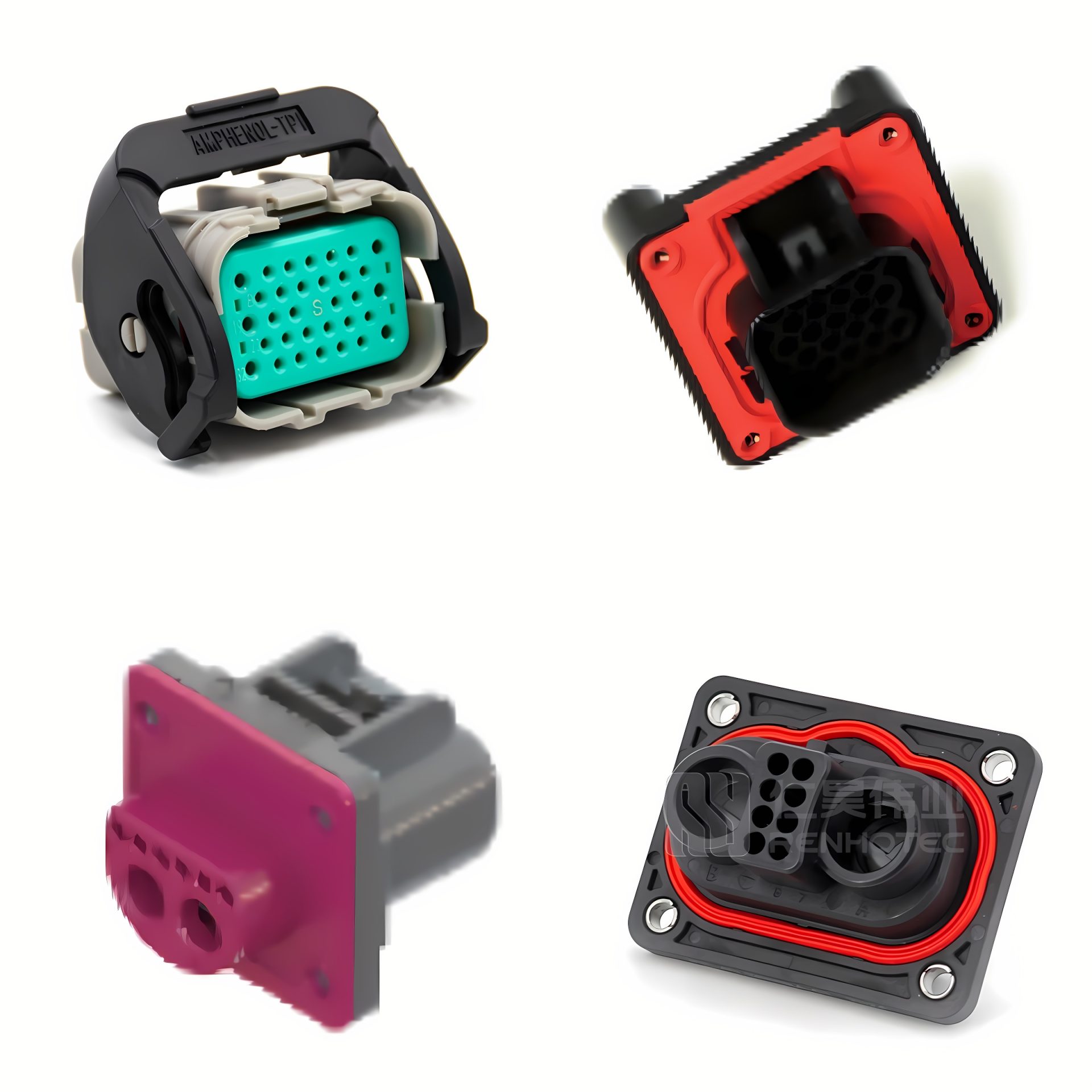
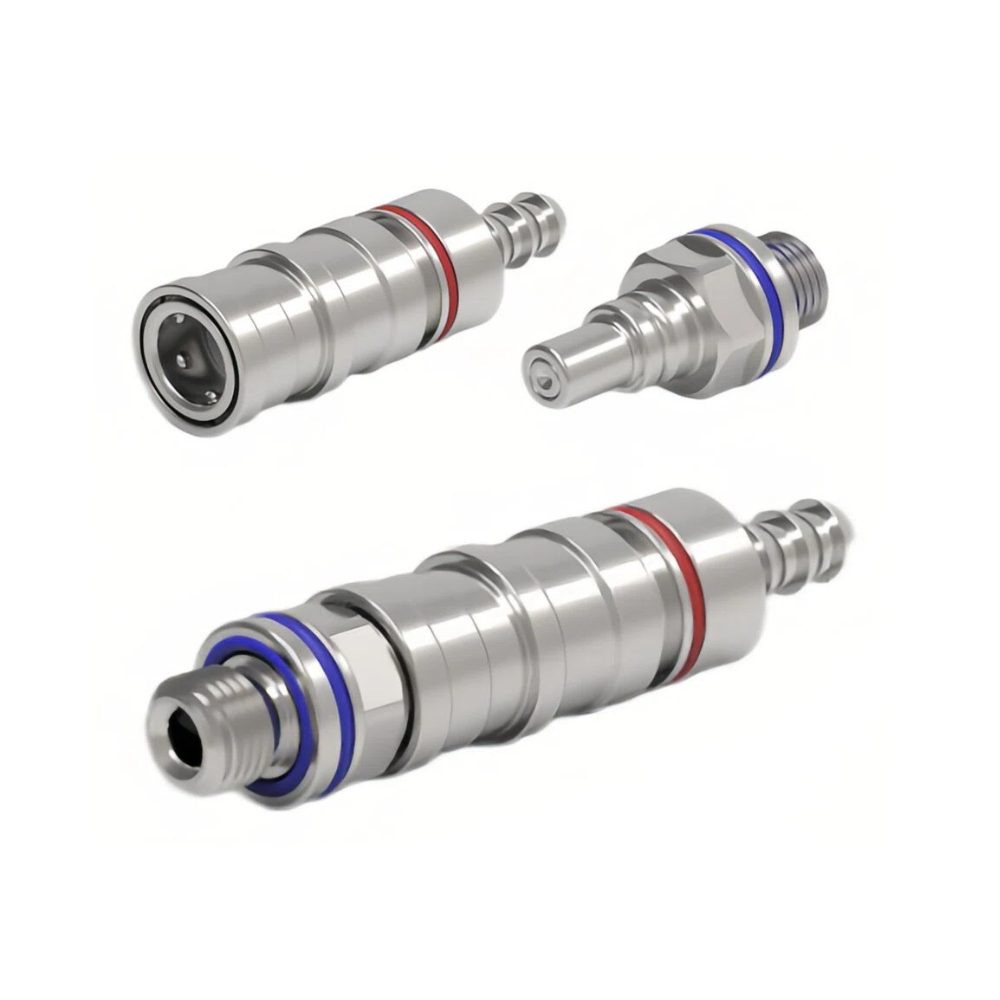
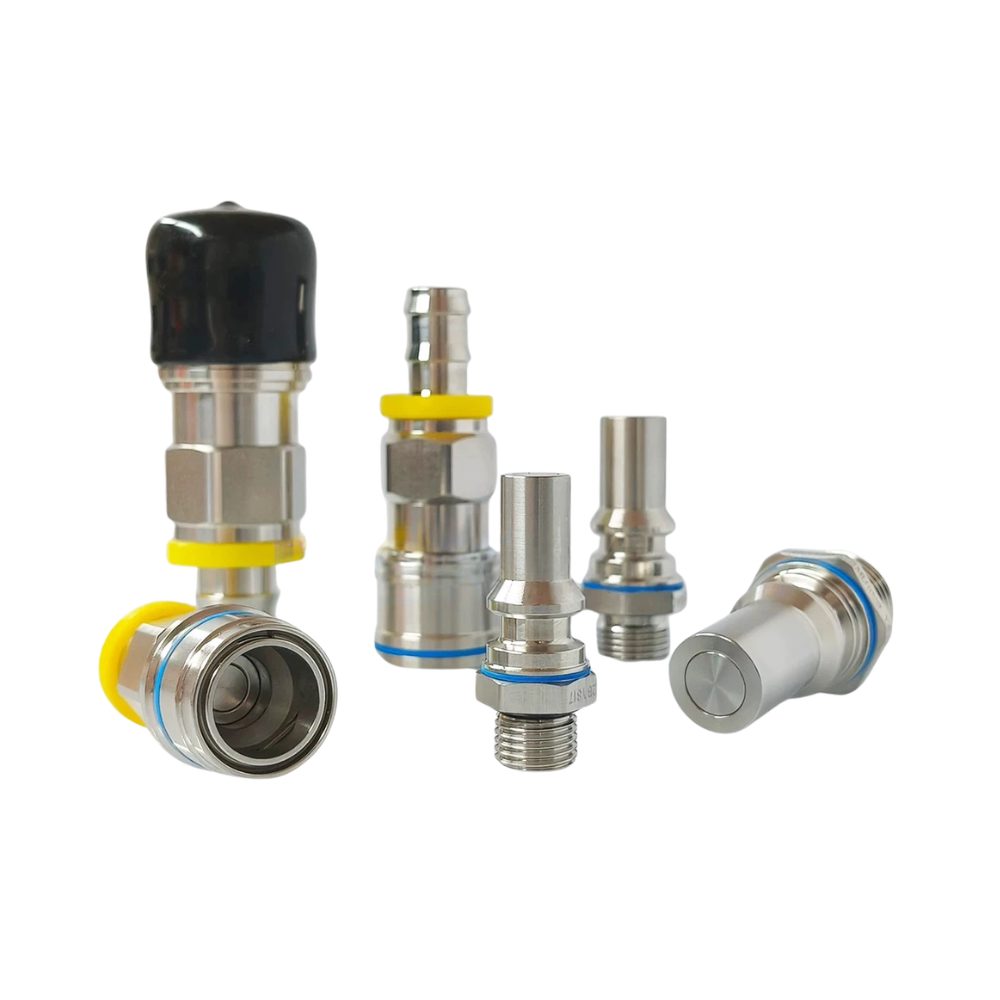
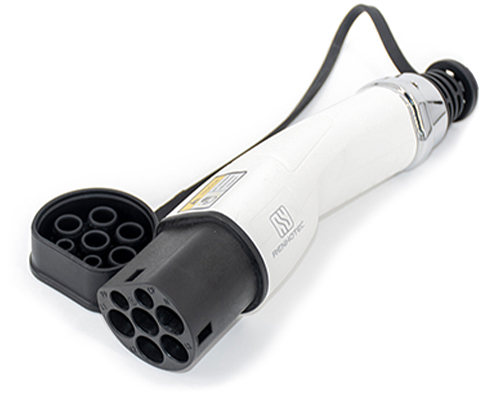
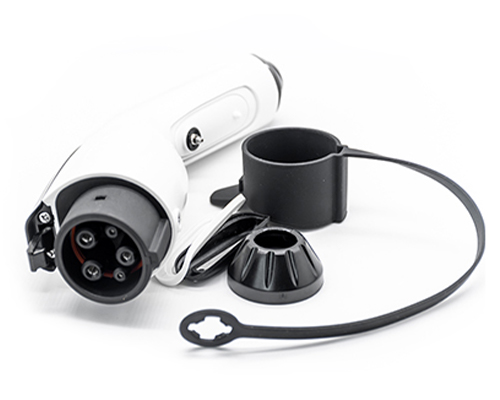
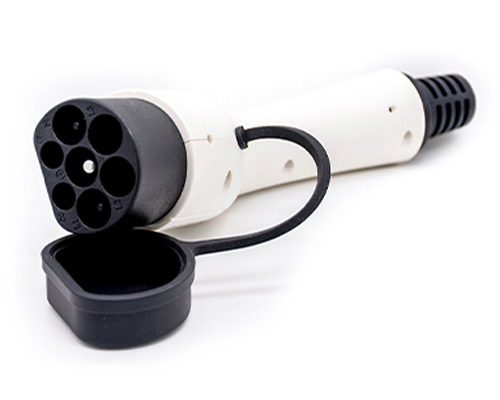
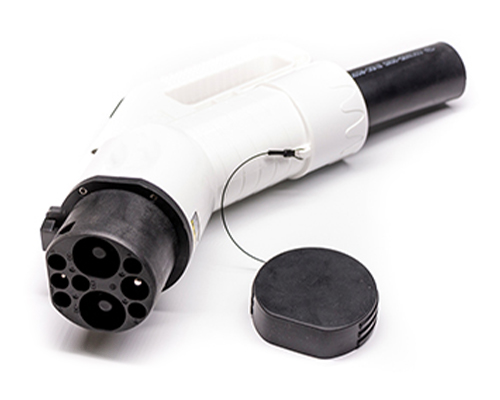
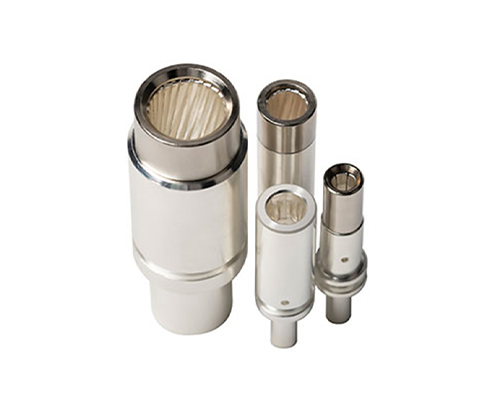
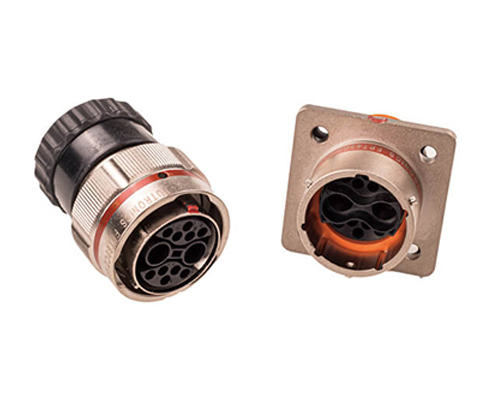
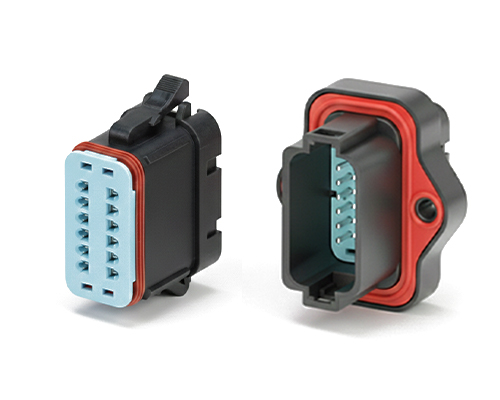
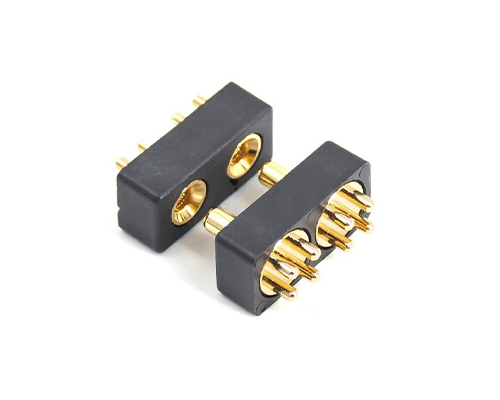
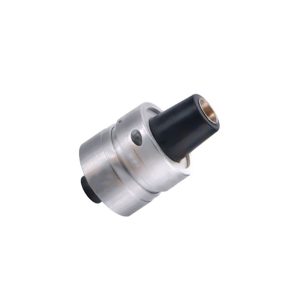
The Rectangular Connector is widely used in aerospace, medical instruments, consumer electronics (such as computers, TVs, game consoles, etc.), industrial control equipment, communication equipment, and automotive electronics. With its reliable connection performance, diverse specifications, and relatively convenient plug-in and unplug operations, it has become an indispensable component in various electronic and electrical applications.
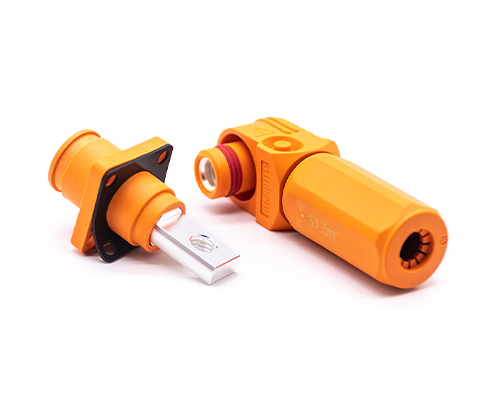
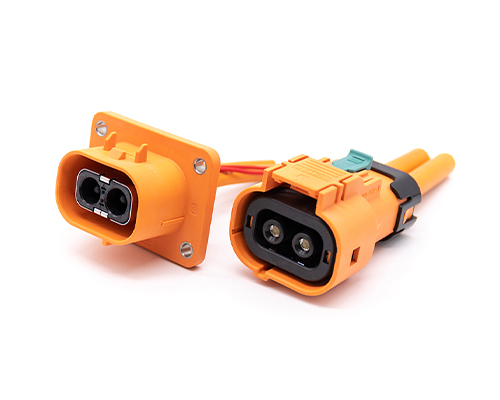
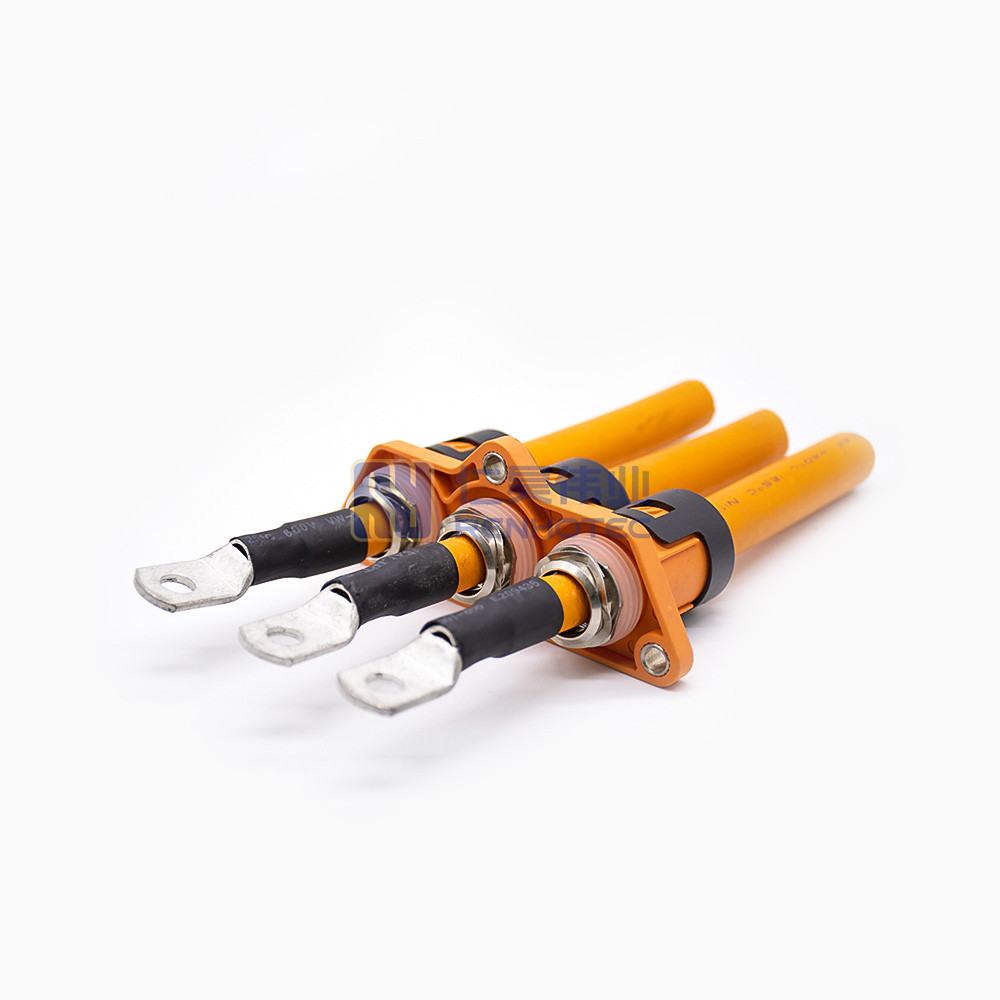
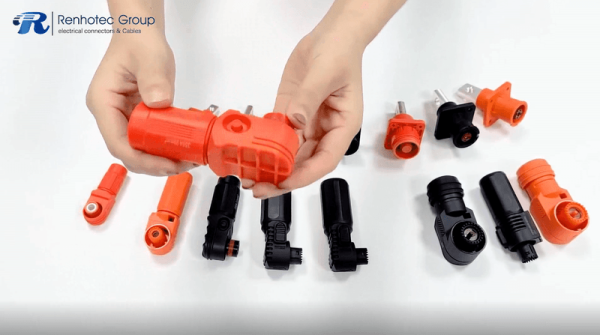
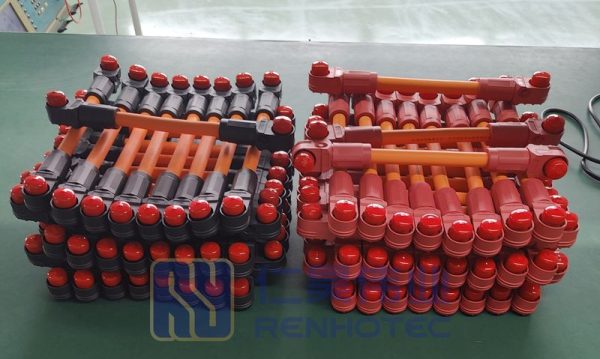
High Voltage Connectors are widely used in EV power systems, renewable energy installations, and industrial high-voltage circuits. Renhotec’s series drives the building of efficient, safe, and sustainable electrical ecosystems, meeting current technological demands.
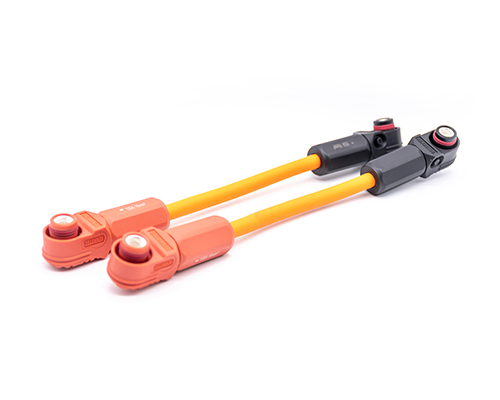
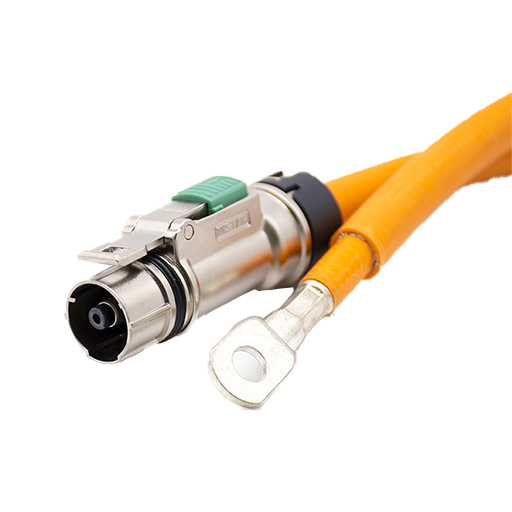
Renhotec EV Cable, crafted with top-notch conductive materials and meticulously engineered insulation, showcases outstanding impedance control and voltage-withstanding properties. Its design combines flexibility and durability to meet a wide array of installation needs. This cable is widely utilized in grid interconnections, large-scale industrial power supply systems, and high-voltage renewable energy projects, enabling smooth and efficient power transmission.
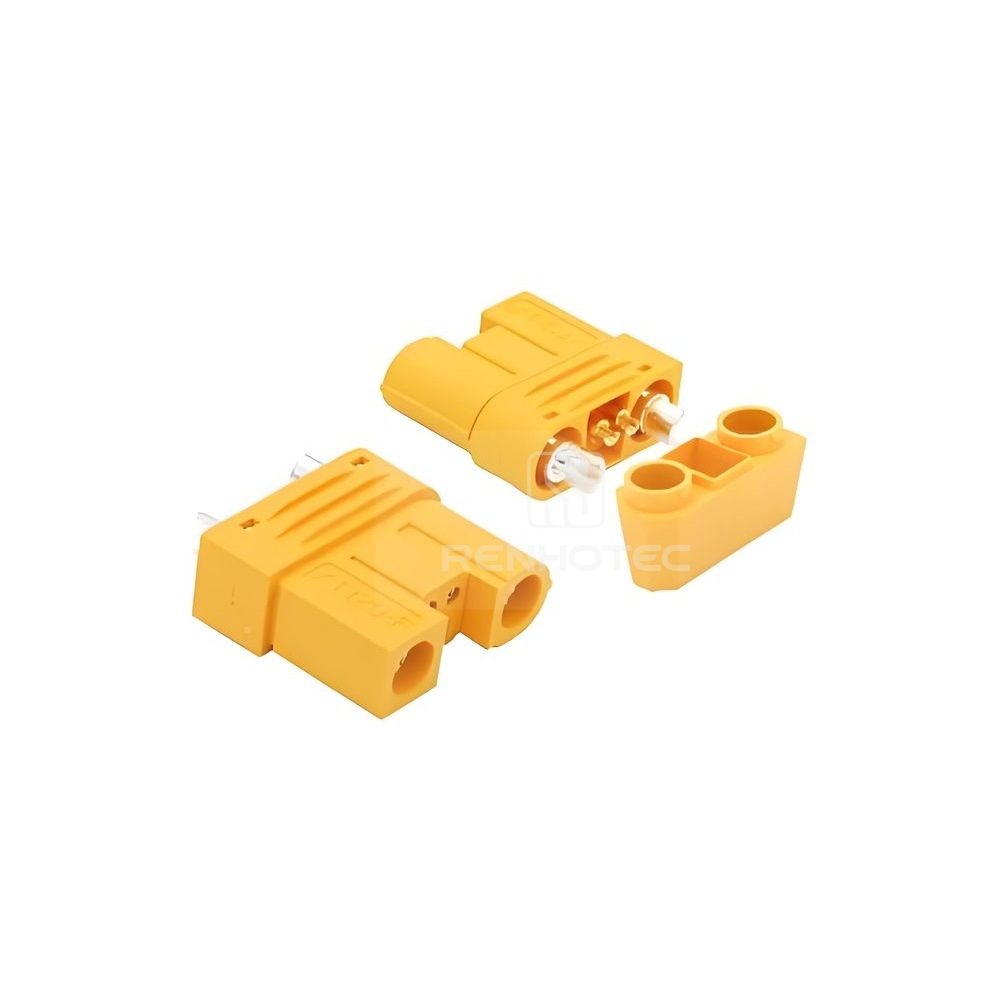
Renhotec, as a professional supplier, offers a comprehensive range of these Signal Transmission Connector products. Whether it is the high-reliability applications of the metal series or the wide adaptability of the plastic series in consumer electronic products, Renhotec can provide customers with high-quality options to meet the diverse requirements of signal transmission connections in different industries and scenarios.
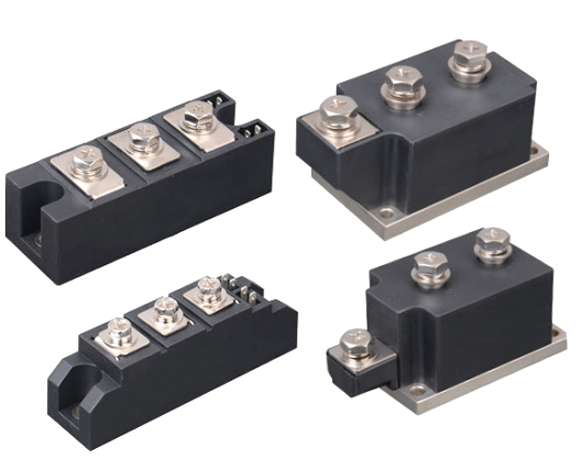
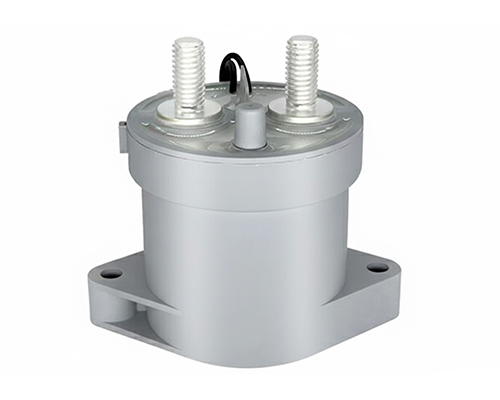
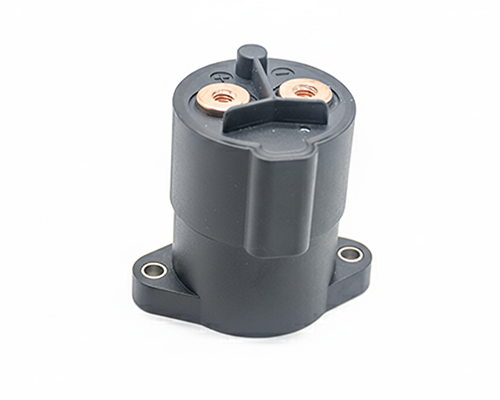
Renhotec, active in electrical components, offers High Voltage DC Contactors in Epoxy Resin Sealing and Ceramic Sealing variants, with a 20A – 1000A current range. The Epoxy Resin Sealing one is cost-effective and protective. The Ceramic Sealing variant excels in thermal stability and insulation. They’re widely used in EV charging, renewable energy grid, and industrial high-voltage DC power distribution for reliable circuit control and current interruption, providing comprehensive solutions for multiple sectors.
Key Electrical, Environmental, and Installation Factors for Modern ESS Projects
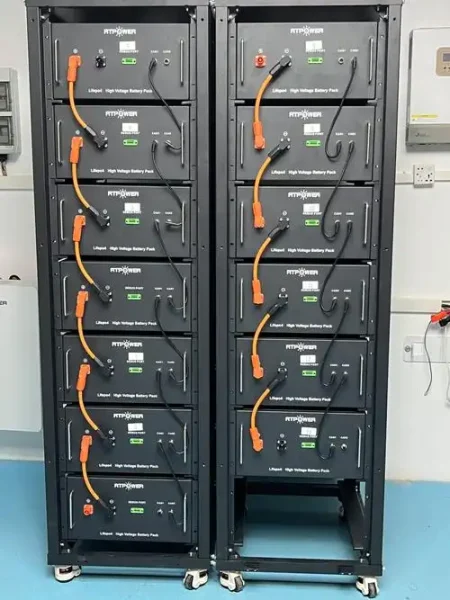
As the rapid development of AI in recent years, the entire market is facing a shortage of computing power, chips, and electricity. It’s no secret that AI ultimately boils down to power. Whether to build long-term energy storage, containerized large-scale energy storage, all-solid-state batteries and industrial/power battery packs, or new integrated photovoltaic-energy storage-charging (liquid-cooled supercharging stations), these are all markets that are currently booming.
At the same time, in regions facing grid instability or infrastructure disruption, decentralized energy storage systems and microgrids are increasingly being deployed to maintain power continuity.
In many projects, ESS connector failures are not caused by the battery itself, but by problems such as:
overheating caused by poor crimping
loose contacts under vibration
insufficient IP protection in outdoor environments
thermal runaway triggered by excessive contact resistance
cable stress caused by limited installation space
connector deformation after repeated mating cycles
For system integrators, EPC contractors, and energy storage manufacturers, selecting the correct ESS connector is no longer just a component-level decision — it directly impacts system safety, maintenance cost, deployment efficiency, and long-term operational reliability.
This guide explains how to evaluate and select energy storage connectors for modern ESS applications, covering key considerations such as:
voltage and current requirements
thermal performance and contact materials
IP protection and operating environment
common connector failure risks
mechanical design and installation flexibility
application requirements across different ESS systems
supply-chain reliability and sourcing considerations
Select Energy Storage Connectors
1. What Is an Energy Storage Connector?
An energy storage connector (ESS connector or BESS connector) is a high-current electrical interconnection device used to transfer power between:
battery packs
PCS systems
combiner cabinets
inverter systems
liquid cooling modules
busbars
charging infrastructure
distributed power systems
Compared with standard industrial connectors, ESS connectors are designed to handle:
higher DC voltage
sustained high current loads
harsh outdoor environments
repeated maintenance cycles
vibration and thermal expansion
compact installation spaces
In modern energy storage systems, connectors must provide not only electrical conductivity, but also:
thermal stability
operator safety
fast deployment capability
maintenance accessibility
reliable locking performance
2. Key Electrical Parameters for ESS Connector Selection
Selecting an energy system connector starts with understanding the electrical operating conditions of the system.
Rated Voltage
Modern industrial and commercial ESS systems commonly operate at:
1000V DC
1500V DC
For most C&I ESS projects, 1000V DC remains the mainstream requirement.
A connector with insufficient voltage rating may increase the risk of:
electrical arcing
insulation breakdown
partial discharge
long-term dielectric degradation
These specifications help maintain safe insulation performance during transient voltage spikes and high-load operation.
Rated Current
Current selection depends on:
battery architecture
PCS design
cable size
thermal management
ambient temperature
Typical ESS connector ranges include:
Application
Recommended Current Range
Small commercial ESS
60A–120A
Containerized BESS
120A–350A
High-power storage systems
350A–500A
Liquid-cooled charging systems
350A+
In practical ESS engineering, current de-rating is strongly recommended. Many engineers reduce actual operating current to 70–80% of the connector’s maximum rated value to reduce thermal stress during long-duration cycling.
3. Why Contact Material Matters in High-Current ESS Systems
One of the most overlooked factors in ESS connector reliability is contact plating material.
Poor-quality contacts increase:
contact resistance
localized heating
oxidation risk
long-term power loss
In high-current DC systems, even small increases in resistance can create significant thermal buildup.
Silver-plated copper alloy contacts improve conductivity and reduce temperature rise during continuous high-current transmission.
This becomes especially important in:
fast charge/discharge cycles
outdoor ESS cabinets
high ambient temperature environments
liquid-cooled charging stations
renewable-energy microgrids
4. When Is IP67 Necessary for ESS Connectors?
Many buyers specify IP67 without clearly understanding when it is actually required.
IP67 protection becomes critical in:
outdoor battery cabinets
containerized ESS systems
distributed solar + storage projects
humid coastal regions
temporary mobile power systems
dusty industrial environments
Without adequate sealing protection, moisture and contamination may cause:
corrosion
insulation degradation
unstable contact resistance
overheating
intermittent electrical faults
Different environment requires different IP rating:
Environment
Recommended IP Rating
Indoor electrical room
IP54
Outdoor ESS cabinet
IP67
Some products on the market meet the IP67 standard, and combined with their operating temperature range of -40°C to +105°C, they can fully adapt to the environment of colder European countries.
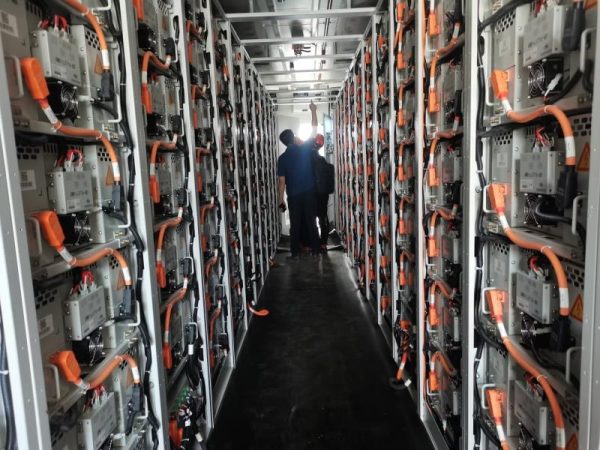
Connecors in Large-scale Energy Storage System
5. Common ESS Connector Failure Modes in Real Projects
In many energy storage systems, connector failures are predictable and preventable.
Industry failure analyses show that connector-related field failures are commonly linked to:
improper crimping
insufficient contact pressure
vibration-induced loosening
moisture intrusion
incorrect connector selection
cable strain and bending stress
thermal overload
According to multiple connector reliability studies and field reports, overheating and intermittent electrical faults are often caused by increased contact resistance at the crimp interface or mating surface.
Common Failure Modes and Prevention
Failure Mode
Typical Cause
Result
Prevention
Overheating
Poor crimping or undersized connector
Housing deformation or thermal runaway
Use proper current margin and validated crimp tools
Intermittent connection
Vibration or contact wear
System instability
Use locking structures and secure cable routing
Corrosion
Moisture intrusion
Increased resistance
Use IP67 sealed connectors
Cable fatigue
Tight bend radius
Internal conductor breakage
Use strain relief and flexible routing
Connector loosening
Improper installation torque
Arcing or disconnect
Use quick-lock structures
Cross wiring
Complex installation environments
Polarity errors
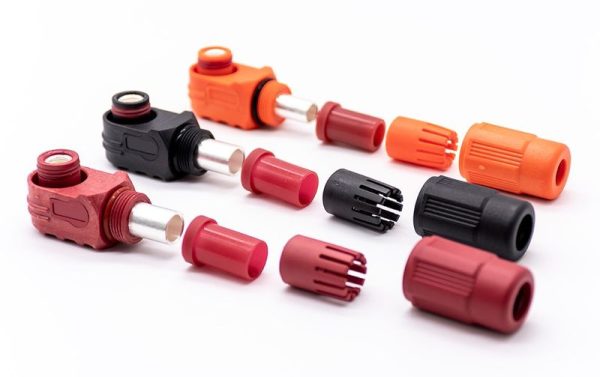
Use color-coded housings
Several industry reports also identify vibration-induced contact wear (fretting), insufficient strain relief, and improper cable routing as major causes of connector degradation in industrial systems.
6. Mechanical Design Features That Improve ESS Reliability
Electrical specifications alone are not enough.
Mechanical design strongly affects:
installation efficiency
maintenance speed
cable reliability
long-term field stability
360° Rotating Plug Design
Large ESS cabinets often have limited cable routing space.
Traditional fixed connectors may create:
excessive cable bending
mechanical stress
installation difficulty
conductor fatigue
This helps reduce cable stress in:
containerized BESS
battery rack systems
high-density power cabinets
hybrid energy systems
Quick Lock and Press-to-Release Design
Fast deployment is increasingly important in modern ESS projects.
Some connectors use:
quick locking mechanisms
press-to-release structures
touch-proof safety design
These features help:
reduce installation time
simplify maintenance
improve vibration resistance
increase operational safety
Color-Coded Connector Identification
In large-scale ESS deployments, installation errors can cause severe electrical failures.
Color-coded connector housings help engineers quickly identify:
positive terminals
negative terminals
grounding circuits
This reduces the risk of incorrect field wiring.
7. How to Choose the Correct ESS Connector
Step 1 — Determine System Voltage
Confirm whether the system uses:
1000V DC
1500V DC
Voltage selection affects:
insulation distance
dielectric requirements
safety certification requirements
Step 2 — Calculate Continuous Operating Current
Do not select connectors based only on peak current.
Engineers should evaluate:
continuous operating current
ambient temperature
duty cycle
airflow conditions
cable temperature rise
Step 3 — Evaluate Environmental Conditions
Ask the following:
Is the system installed outdoors?
Is there exposure to humidity or dust?
Is vibration present?
Is the installation space restricted?
Is liquid cooling involved?
These conditions determine:
required IP rating
contact plating requirements
locking mechanism design
cable flexibility requirements
Step 4 — Consider Maintenance Frequency
Systems requiring frequent maintenance or module replacement should prioritize:
This becomes especially important for rapidly expanding energy infrastructure projects.
10. Why Reliable ESS Connectors Matter
Modern ESS systems are becoming more compact and power-dense, placing greater thermal and mechanical stress on high-current connectors.
In practical deployments, connector reliability directly affects:
system stability
installation efficiency
maintenance frequency
long-term operational safety
Common field issues such as overheating, loose connections, cable stress, and environmental exposure are often linked to improper connector selection or insufficient protection design.
For this reason, modern ESS projects increasingly prioritize:
In addition to connector design and electrical performance, project verification and supply-chain transparency are also important considerations in ESS deployment.
Renhotec supports:
CE and RoHS compliance documentation
temperature rise and electrical performance test reports
sample evaluation for engineering validation
factory audit support for international customers
quality inspection and production verification support
rapid lead-time support: 1 to 3 weeks depends on order quantity
12-month quality assurance
These resources help engineers, integrators, and procurement teams evaluate connector reliability before large-scale deployment and reduce sourcing uncertainty in long-term ESS projects.
Whether used in:
containerized BESS
distributed energy systems
solar-storage projects
liquid-cooled charging infrastructure
commercial ESS deployments
reliable energy storage connector selection remains one of the foundational decisions in long-term system reliability and operational safety.

 Deutsch