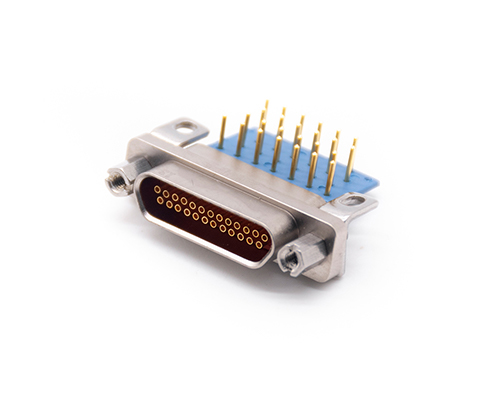
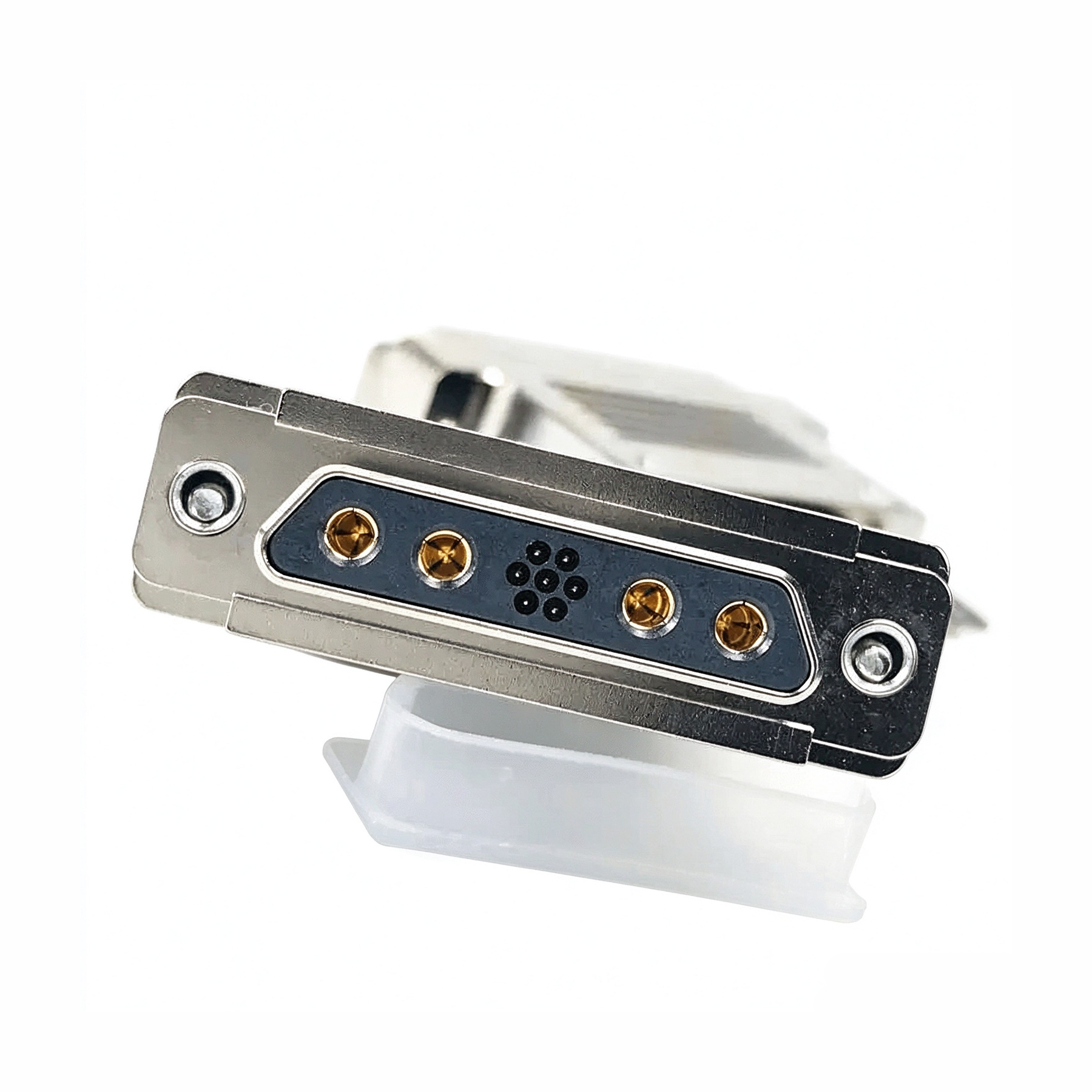
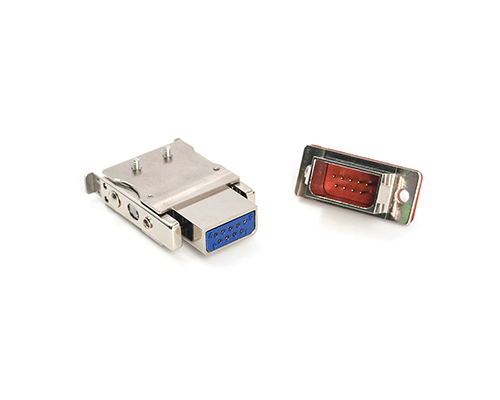
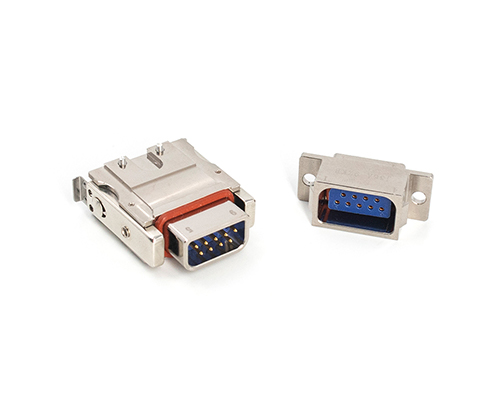
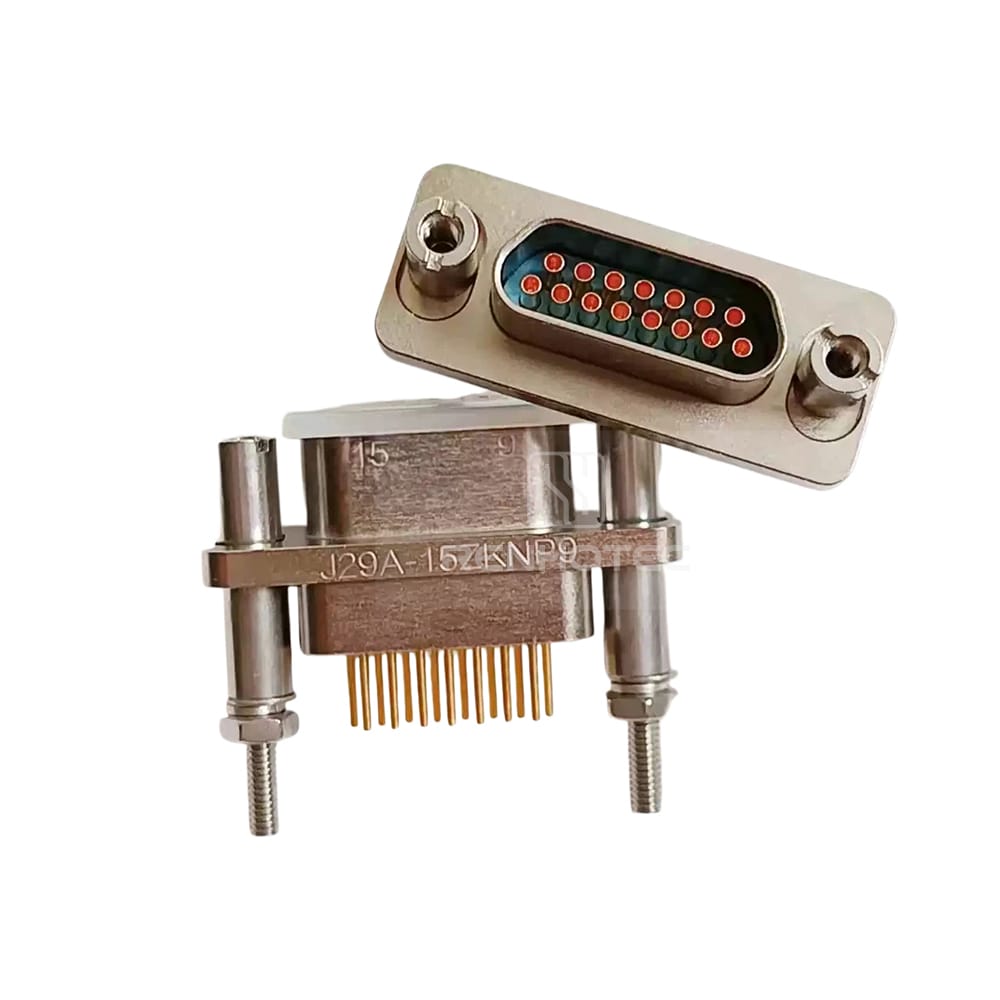
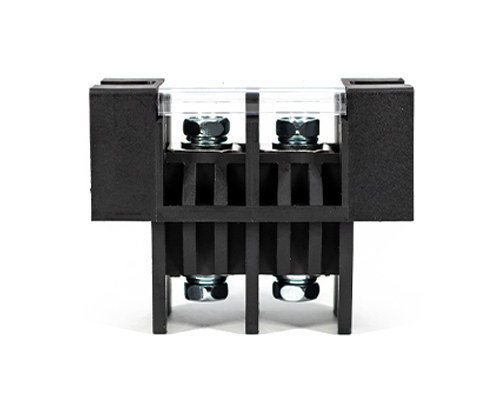
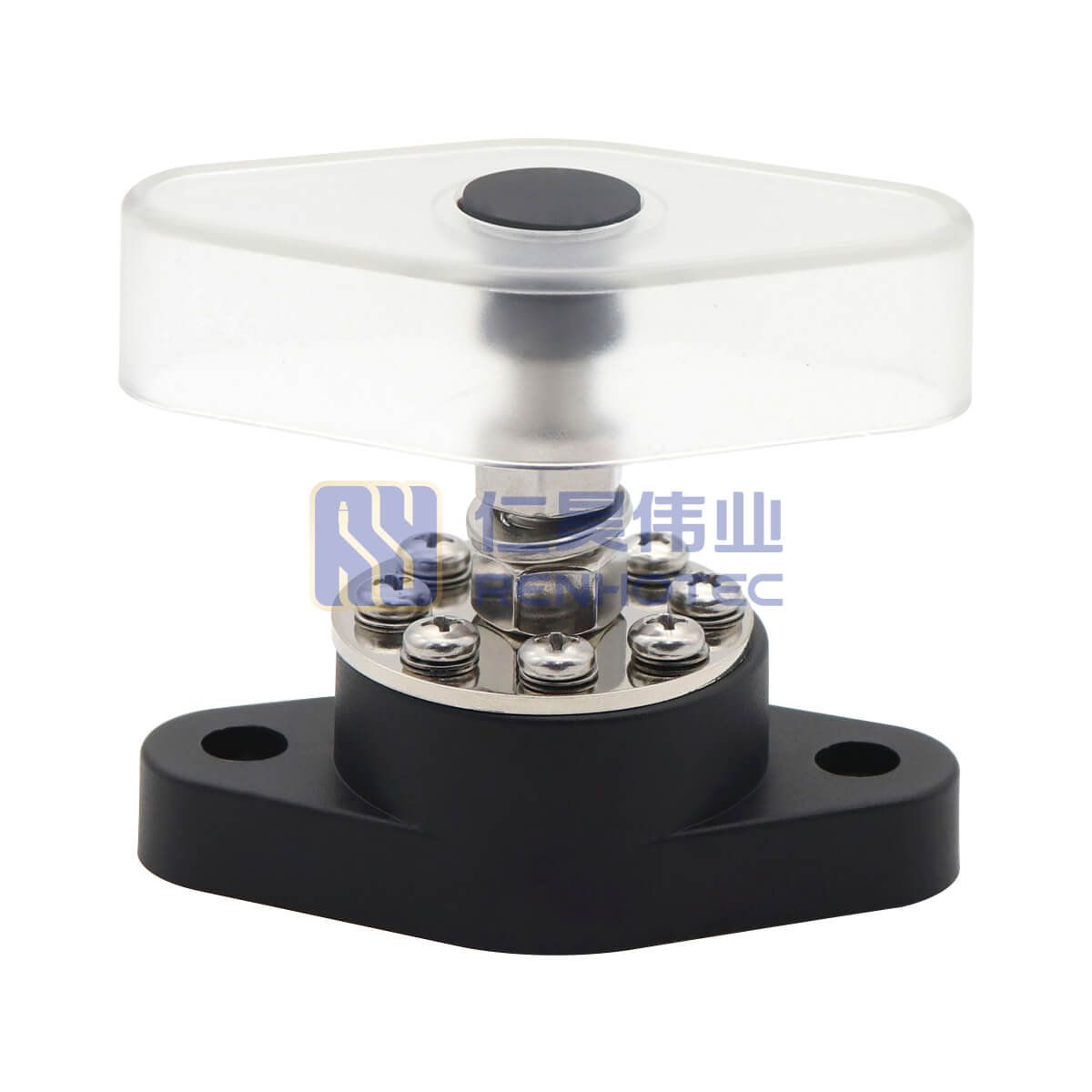
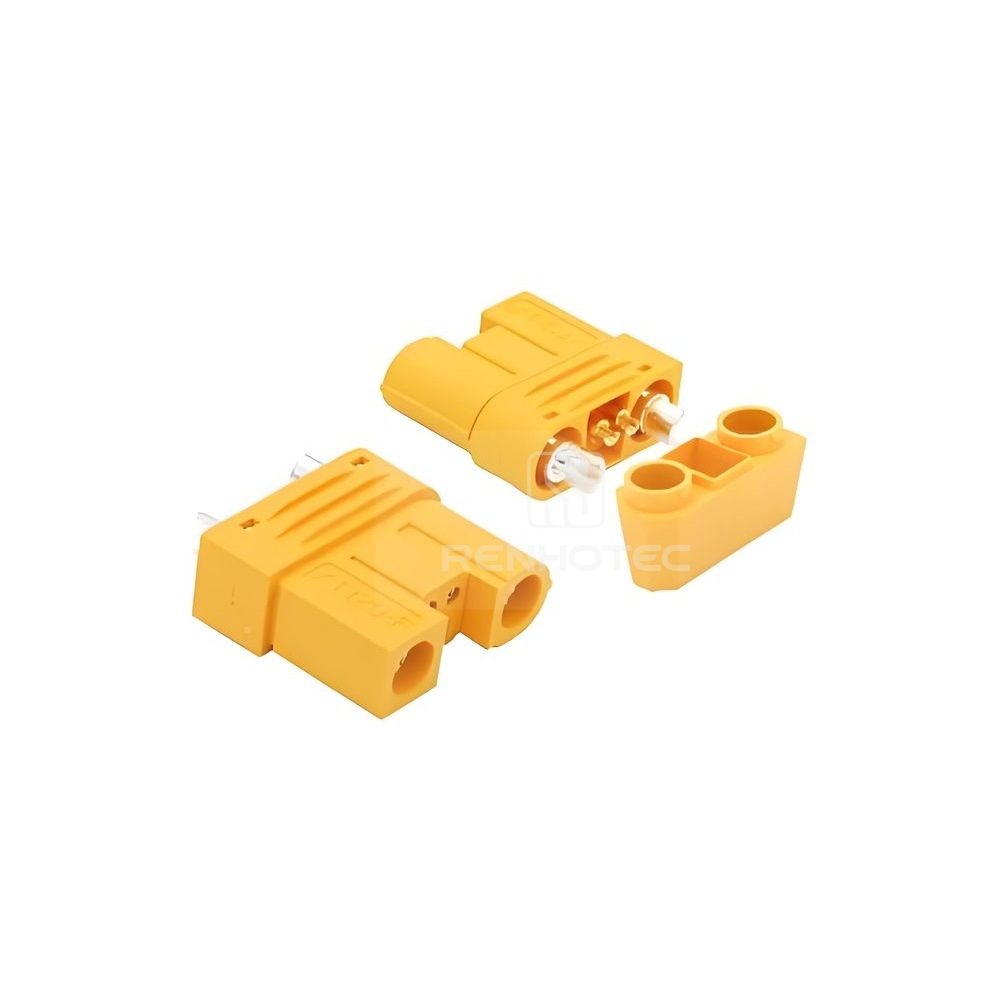
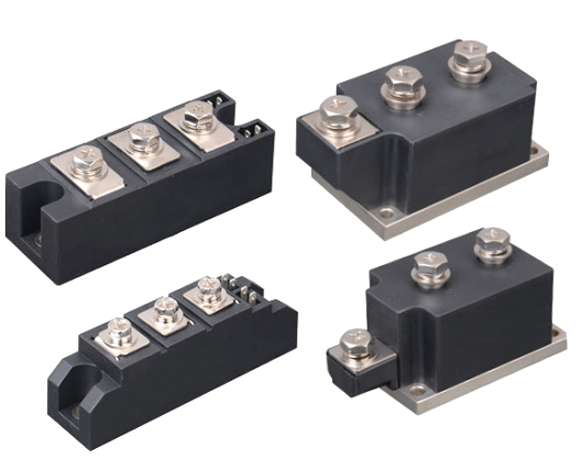
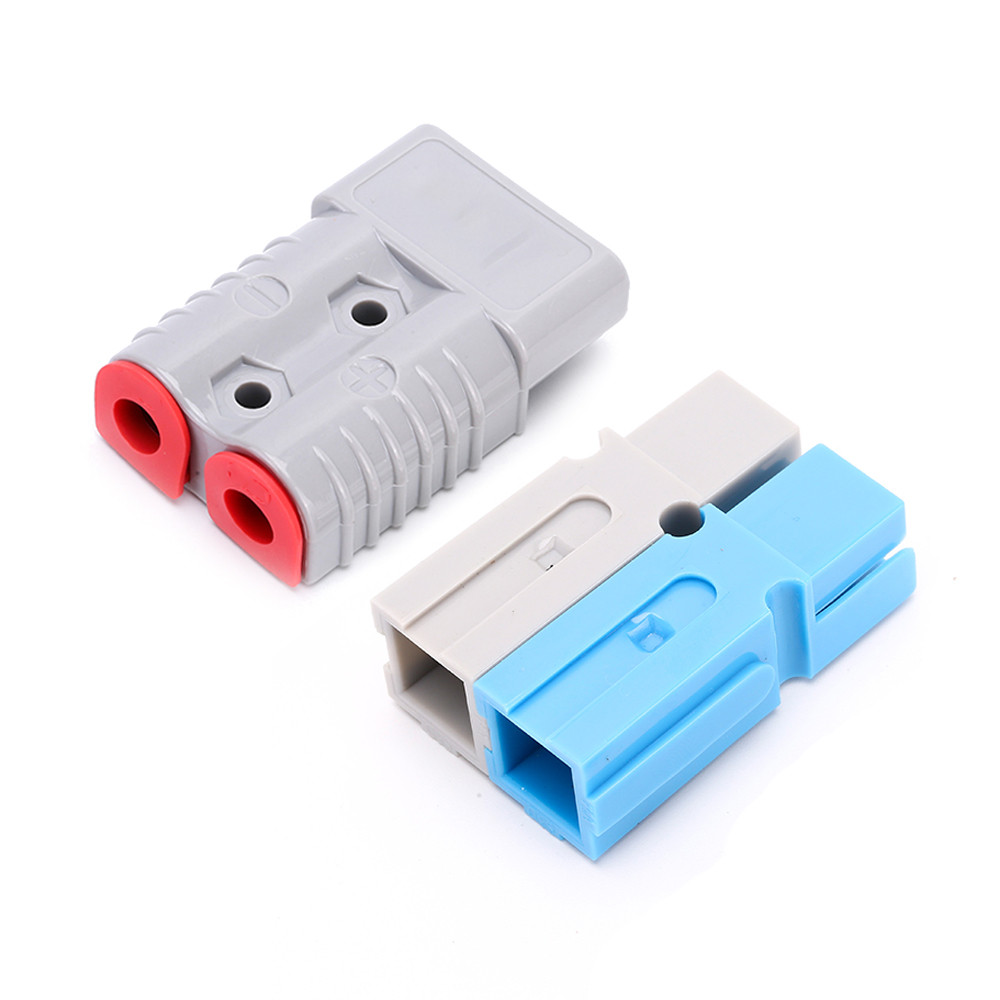
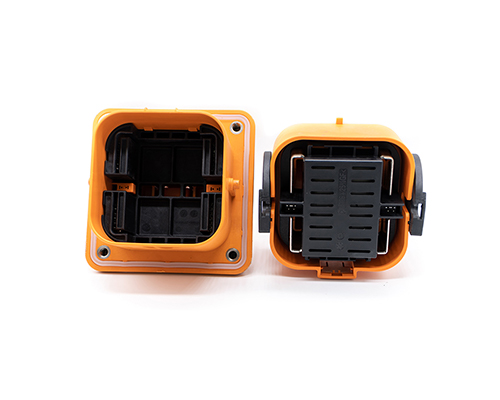
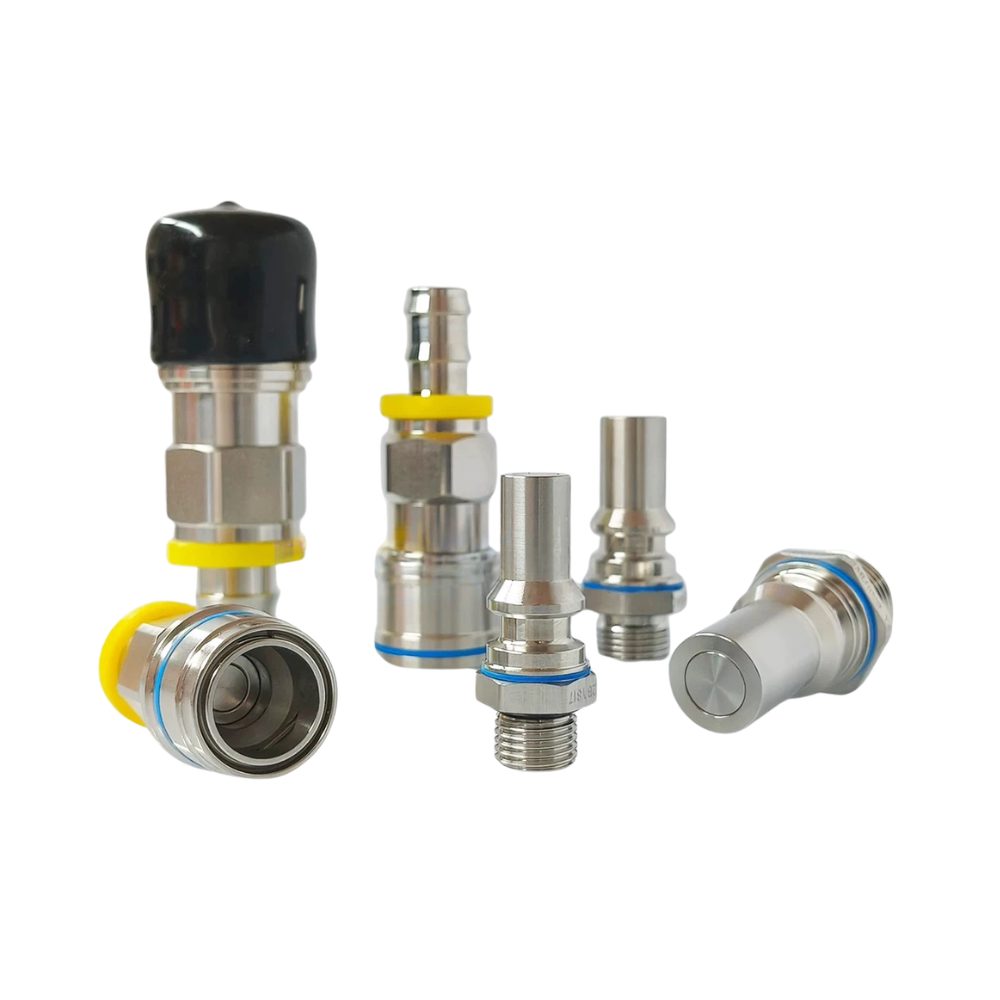
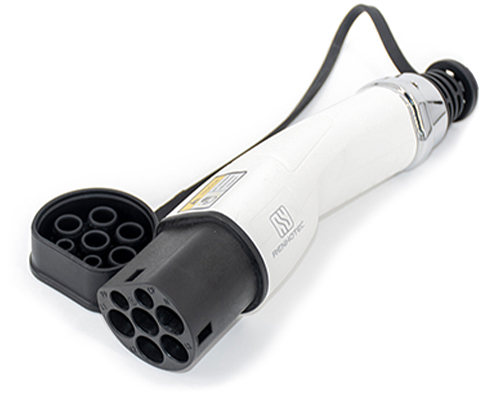
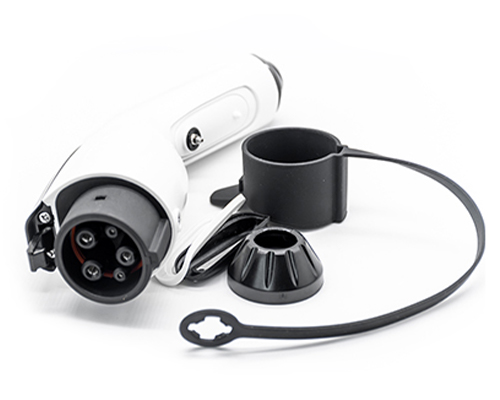
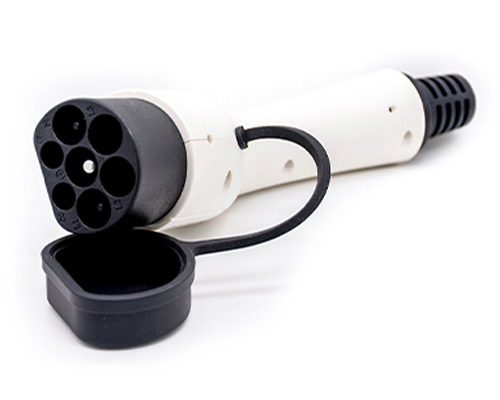
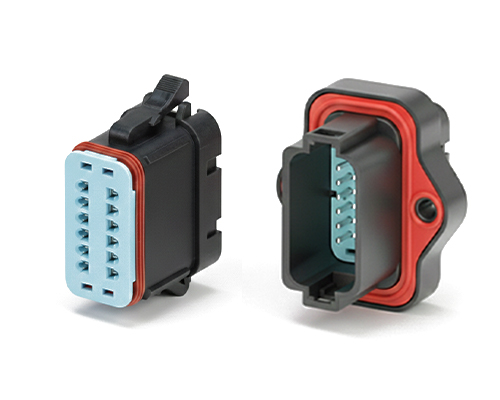
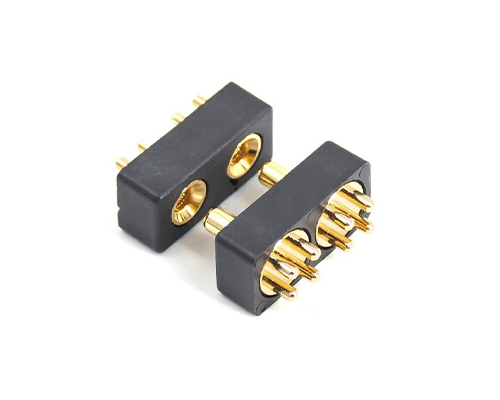
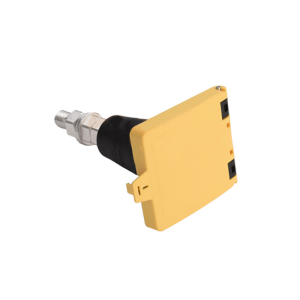
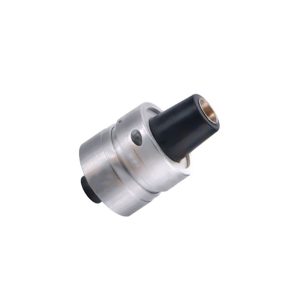
The Rectangular Connector is widely used in aerospace, medical instruments, consumer electronics (such as computers, TVs, game consoles, etc.), industrial control equipment, communication equipment, and automotive electronics. With its reliable connection performance, diverse specifications, and relatively convenient plug-in and unplug operations, it has become an indispensable component in various electronic and electrical applications.
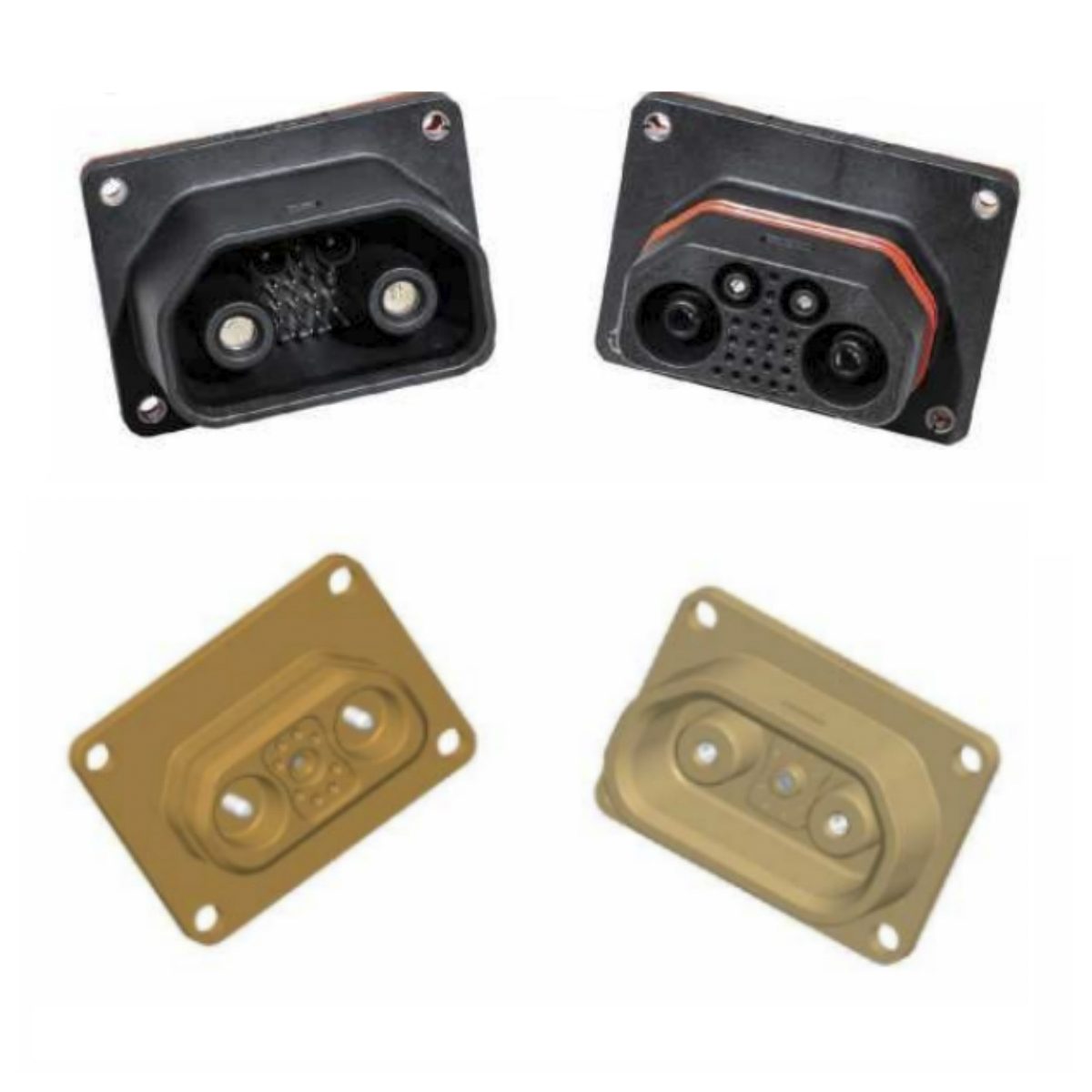
J30J General Connectors and Cable Assemblies
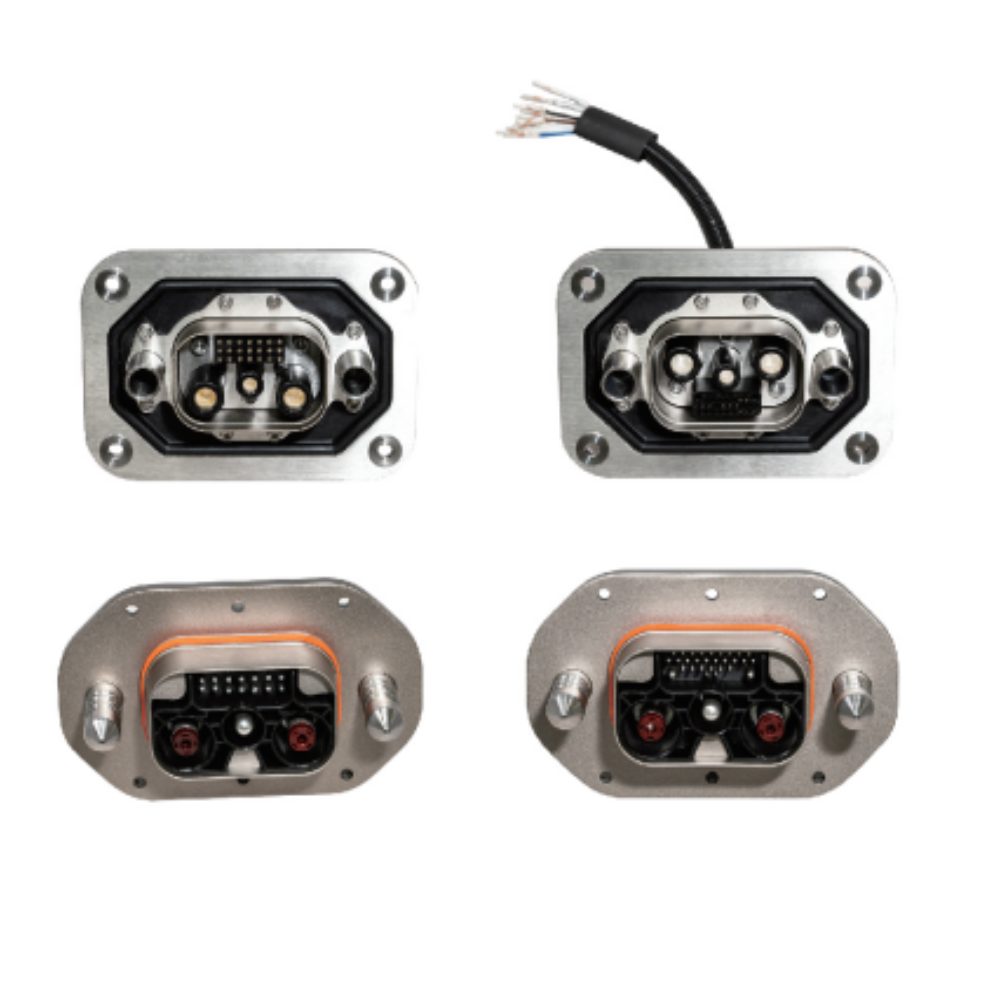
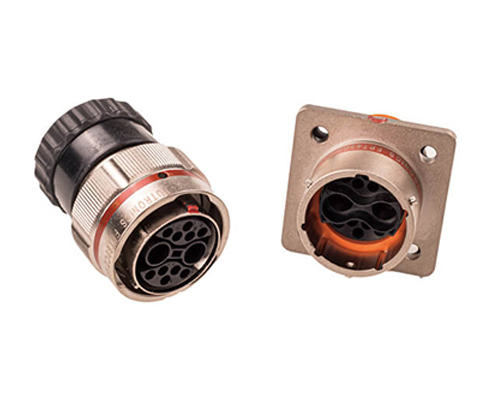
J30J Mixed Current (Hybrid) Connectors and Cable Assemblies
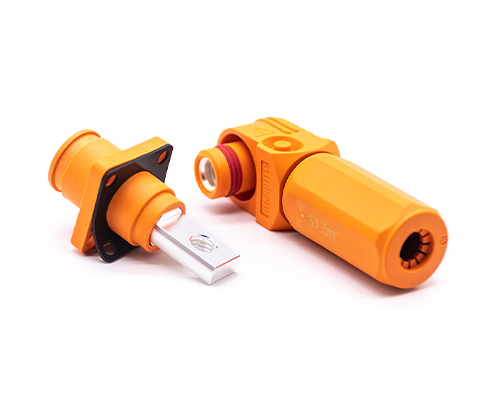
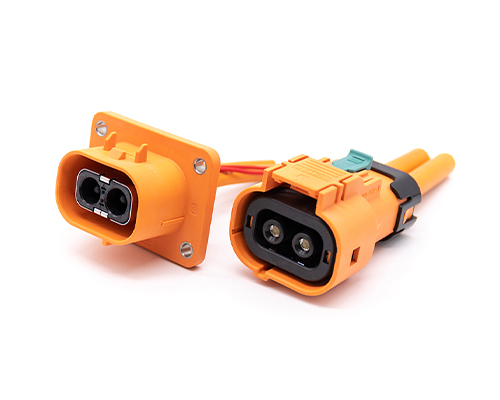
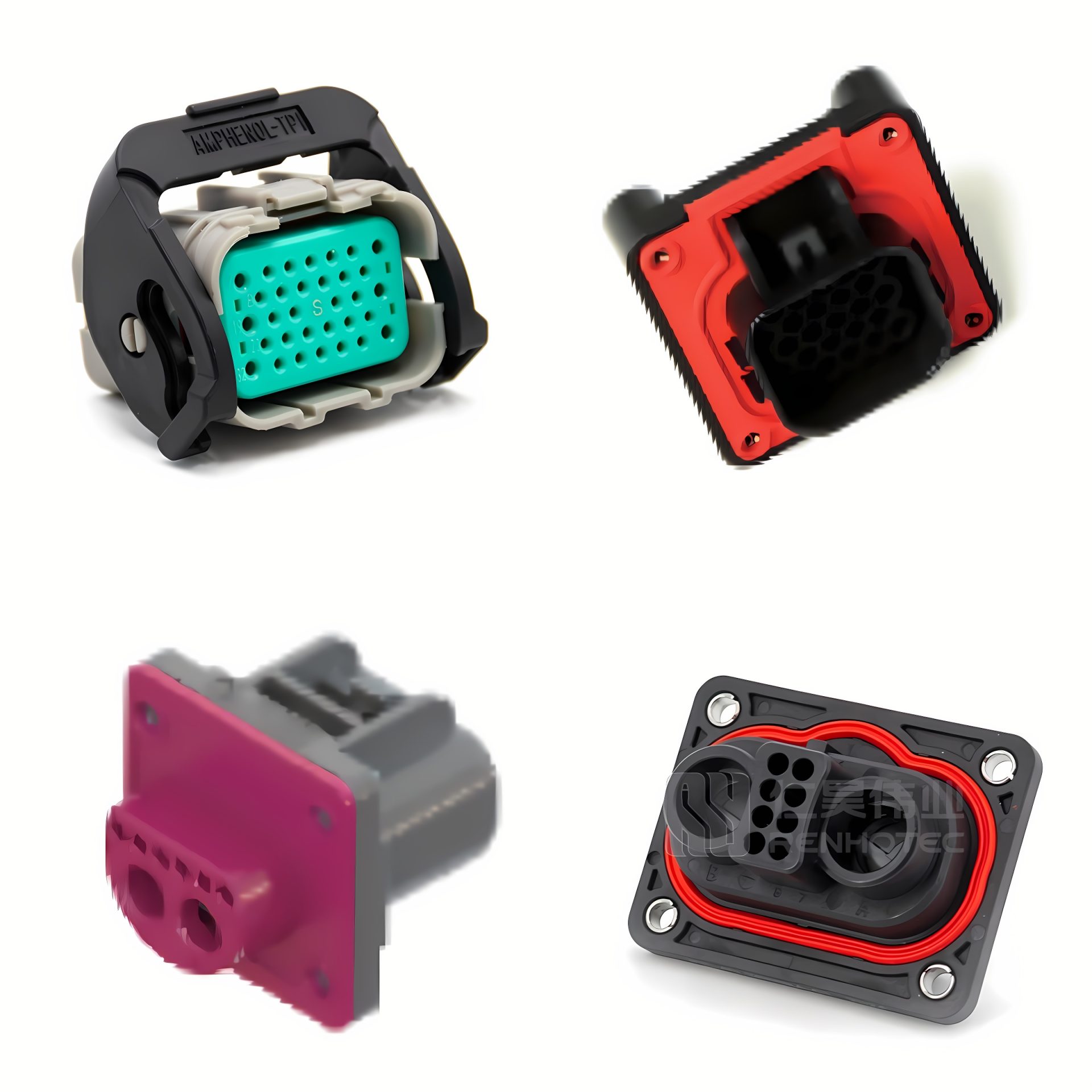
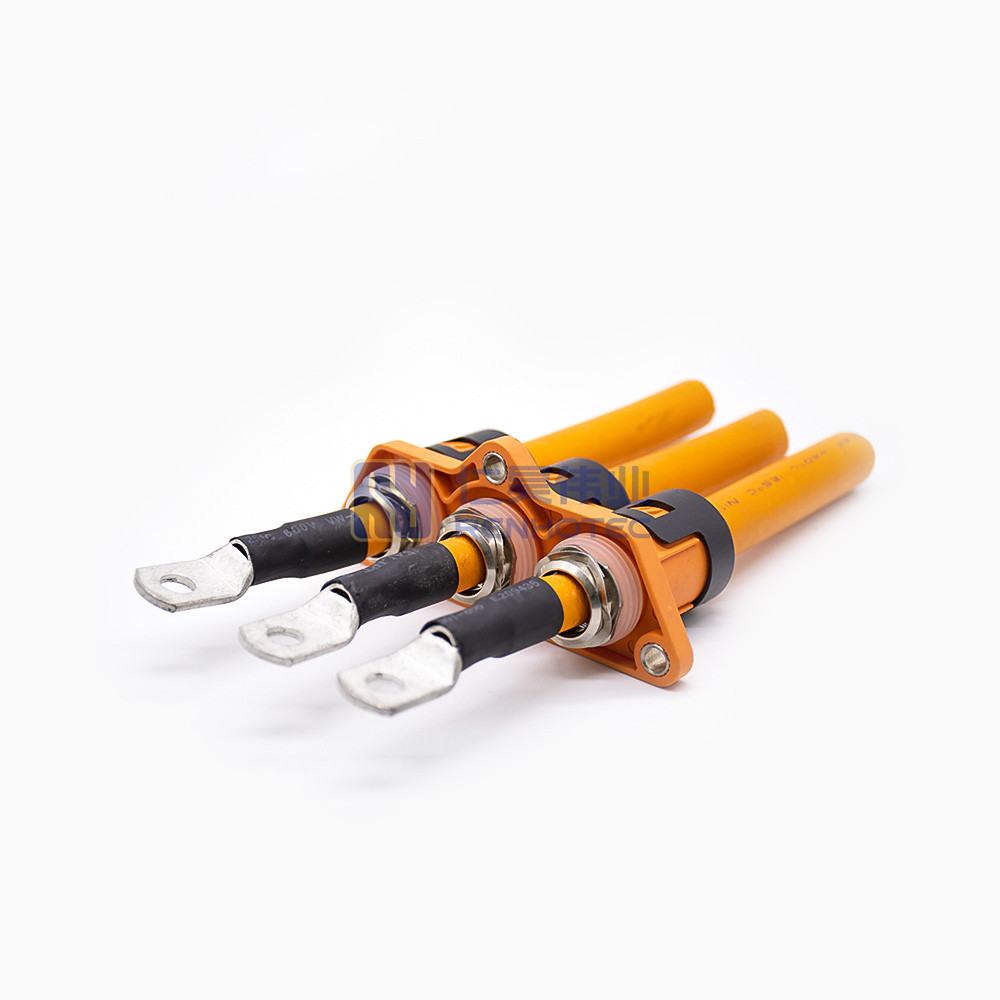
High Voltage Connectors are widely used in EV power systems, renewable energy installations, and industrial high-voltage circuits. Renhotec’s series drives the building of efficient, safe, and sustainable electrical ecosystems, meeting current technological demands.
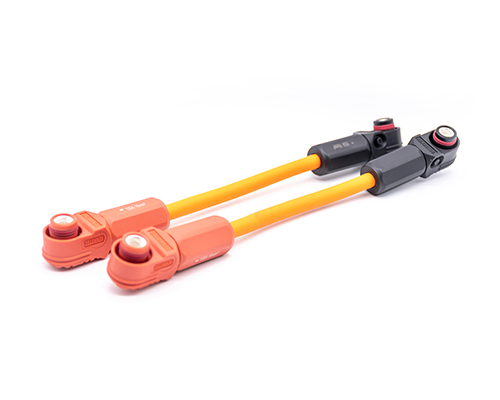
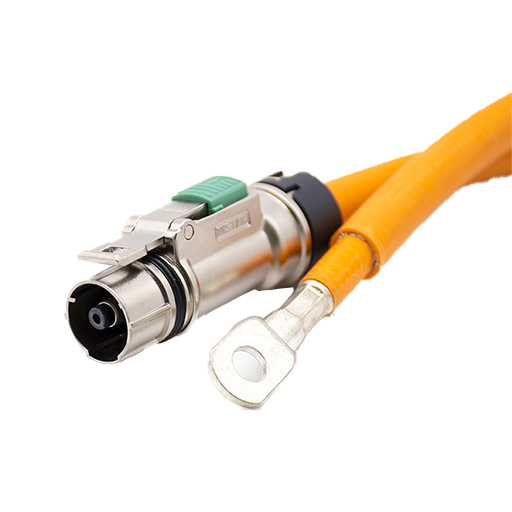
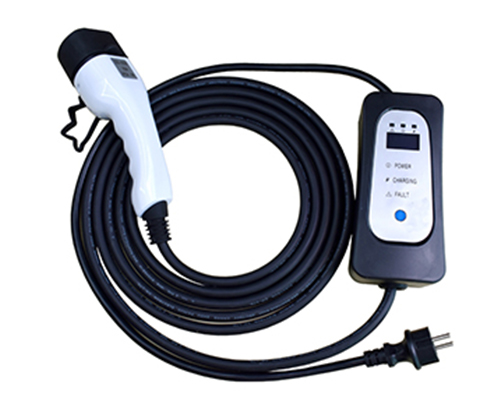
Renhotec EV Cable, crafted with top-notch conductive materials and meticulously engineered insulation, showcases outstanding impedance control and voltage-withstanding properties. Its design combines flexibility and durability to meet a wide array of installation needs. This cable is widely utilized in grid interconnections, large-scale industrial power supply systems, and high-voltage renewable energy projects, enabling smooth and efficient power transmission.
Renhotec, as a professional supplier, offers a comprehensive range of these Signal Transmission Connector products. Whether it is the high-reliability applications of the metal series or the wide adaptability of the plastic series in consumer electronic products, Renhotec can provide customers with high-quality options to meet the diverse requirements of signal transmission connections in different industries and scenarios.
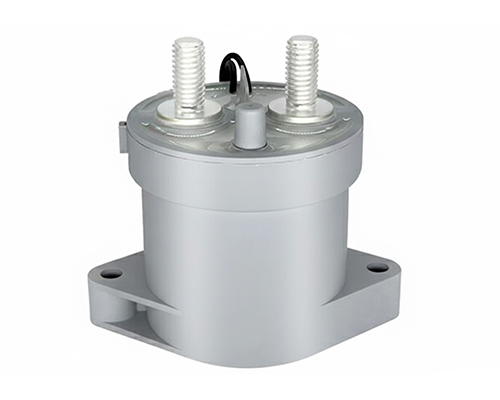
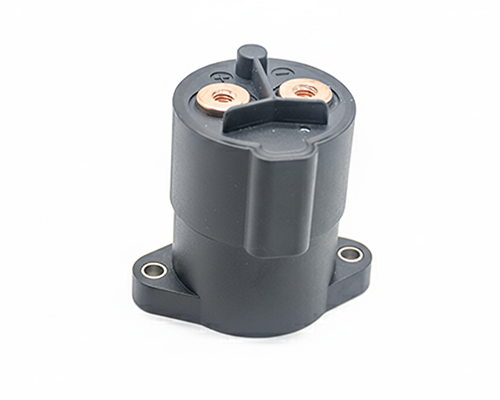
Renhotec, active in electrical components, offers High Voltage DC Contactors in Epoxy Resin Sealing and Ceramic Sealing variants, with a 20A – 1000A current range. The Epoxy Resin Sealing one is cost-effective and protective. The Ceramic Sealing variant excels in thermal stability and insulation. They’re widely used in EV charging, renewable energy grid, and industrial high-voltage DC power distribution for reliable circuit control and current interruption, providing comprehensive solutions for multiple sectors.
High Current DC Power Connectors for Battery Energy Storage Systems (BESS): Types, Selection Guide, and Key Parameters
If you walk up to a modern, grid-scale Battery Energy Storage System (BESS), you will see massive steel containers, advanced liquid cooling systems, and sophisticated inverters. But hidden in plain sight, bridging the gap between thousands of battery cells and the main power grid, is a component that rarely gets the spotlight but carries the weight of the entire operation: the connector.
As the global push for renewable energy accelerates, energy storage installations are scaling up massively. We are no longer just talking about small 48V home backup batteries; we are dealing with 5MWh+ utility-scale containers operating at extreme voltages and grueling duty cycles. In these high-stakes environments, High Current DC Power Connectors are not just simple plug-and-play accessories—they are the critical lifelines of the entire system.
A poorly chosen connector can lead to spiking contact resistance, severe overheating, and ultimately, catastrophic fires that cost millions. Conversely, selecting the exact right and compliant Battery Energy Storage Connector ensures absolute long-term safety, minimizes energy loss, and drastically reduces costly field installation time.
Whether you are a system architect designing the next generation of solar-plus-storage solutions, or a procurement manager looking for a reliable energy storage connector supplier, this comprehensive guide will walk you through everything you need to know. We will break down the core product categories, explain the critical technical parameters you must evaluate, and provide a step-by-step selection workflow for your next project.
When navigating a supplier’s catalog, B2B buyers and engineers primarily categorize High Current DC Power Connectors based on their physical form factor. Understanding these four primary categories is the first step in building your bill of materials (BOM).
Cable Plug Connectors
These are the mobile halves of the connection equation, crimped directly onto heavy-gauge copper wires.
Design & Function: They feature ergonomic housings made of high-grade, flame-retardant plastics and utilize quick-lock or push-pull mechanisms. This allows field technicians to securely mate heavy DC lines in seconds, without the need for specialized tools.
Application: Used to daisy-chain battery modules together or route power from battery clusters to control boxes.
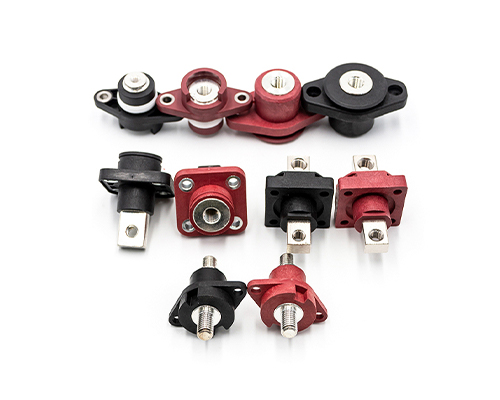
Panel Mount Socket Connectors
These are the fixed receptacles that mate with cable plugs.
Design & Function: Designed to be bolted or snapped directly onto the thick metal walls of battery enclosures, power distribution units (PDUs), or external container walls. High-quality panel mount sockets come with robust O-rings and gaskets to ensure the cabinet’s IP rating is maintained.
Application: These form the primary input/output ports on battery packs or main heavy-duty feed-through points on container walls.
Busbar / Bolt-on Connectors
For massive, continuous current loads where pluggable flexibility isn’t required, solid copper busbar/bolt-on connectors are the standard.
Design & Function: These connectors (often called through-wall power terminals) facilitate the transfer of power directly to internal copper busbars. They involve securing heavy-duty copper ring terminals directly to threaded posts or bolted joints, offering unmatched vibration resistance and low contact resistance.
Application: Utilized inside main high-voltage combiners, inverter connection points, and internal battery rack structures where maintenance disconnection is rarely required.
Battery Storage Cable Assemblies
The industry trend is shifting toward complete, pre-manufactured cable assemblies.
Design & Function: These are fully finished “whips” consisting of flexible battery cable, perfectly crimped cable plugs on one or both ends, and protective conduit.
Application: Sourcing assemblies directly from a certified manufacturer eliminates the massive labor costs and quality control risks associated with manual on-site crimping. It ensures that the critical junction between the wire and the terminal is factory-tested before reaching the job site.
View and Download Battery Energy Storage Connector Catalog
Selecting an ESS connector involves far more than matching a current rating. The reality of electrical engineering under continuous high-power loads is nuanced.
Rated Current and Safety Margins
A connector rated for 300A might only safely handle that current at 20°C ambient temperature. Inside a tightly packed battery container, temperatures can soar. Experienced engineers often employ an “over-sizing” strategy: if your system’s maximum continuous current is 200A, to cope with extreme high-temperature environments, you must always leave a 20% to 30% safety margin by sourcing a connector rated for 250A or higher.
Contact Resistance and Temperature Rise
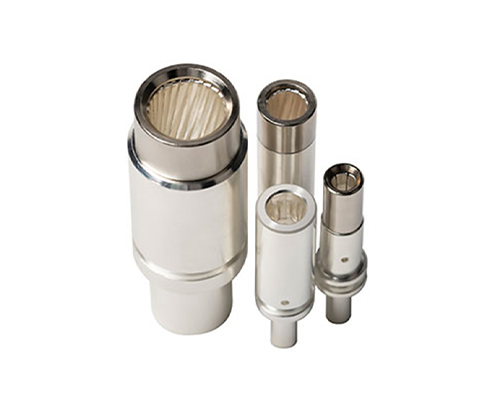
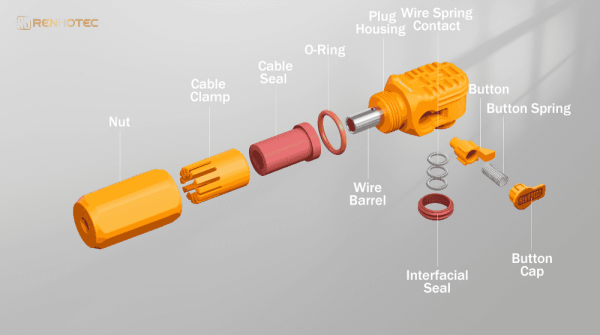
Wire Spring Contact
Heat is the enemy of energy storage, and it is generated by Contact Resistance where pins and sockets meet. Premium High Current DC Power Connectors utilize advanced internal terminal architectures (like “Crown Spring” or “Wire Spring” technology) to create dozens of high-pressure contact points. This engineering keeps contact resistance incredibly low (typically below 0.3 milliohms), ensuring that temperature rise (ΔT) does not exceed 45 Kelvin above ambient temperature.
Wire Spring Contact Technology
The Industry Shift: 1000V vs. 1500V Systems
The industry has aggressively shifted to 1500V DC. Higher voltage allows for lower current to deliver the same power, enabling thinner, lighter cables. However, upgrading to 1500V places immense dielectric stress on the connector. You must verify that the manufacturer uses specialized insulating plastics with high CTI (Comparative Tracking Index) to prevent surface carbon tracking and arc flashes over the system’s 10 to 15-year lifespan.
Environmental Protection: IP Ratings
Indoor/Rack Level: IP20 or IP65 is generally sufficient.
Outdoor/Container Level: IP67 or IP68 is mandatory. Furthermore, outdoor housings must be molded from UV-resistant plastics to prevent cracking under years of solar radiation.
3. How to Select the Right High Current DC Connector
Step 1: Define Your Baseline Electrical Needs
Start with the maximum continuous current (multiply by 1.25 safety margin) and lock in your system voltage (1000V or 1500V).
Step 2: Match the Cable Size
Ensure the connector is engineered for your specific cable cross-section (e.g., 35mm² to 120mm²). The outer diameter (OD) must perfectly match the sealing range of the connector’s cable gland. Working with a source manufacturer allows you to customize cable lengths and terminal types specifically for your project.
Step 3: Verify Keying, Color Coding, and Touch-Proofing
Color Coding: Use Orange/Red for positive, Black for negative.
Mechanical Keying: Positive and negative plugs must feature different physical keyways to prevent accidental shorts.
IP2X Touch-Proof: Ensure pins are shrouded so that a technician’s finger cannot touch live metal parts.
Step 4: Verify Standards, Certifications, and Manufacturing Quality
As a reliable supplier, one must offer verified supply chain security.
Product Standards: Look for authoritative third-party testing like TUV, which ensures high-standard endurance testing. CE and RoHS are mandatory requirements for market access and environmental safety.
Manufacturing Excellence: Prioritize a manufacturer operating under strict quality systems like IATF 16949 and ISO 9001. IATF 16949 is an automotive-grade quality management standard, ensuring the production consistency and traceability required for 10-15 year BESS lifespans.
4. Common Sourcing Mistakes
Mistake 1: Treating Motive Power Connectors as BESS Connectors Forklift connectors (like Anderson-style plugs) are designed for 12V-120V dynamic environments. They lack the creepage distances and touch-proofing required for 1500V high-voltage static grids. Always insist on a dedicated Battery Energy Storage Connector.
Mistake 2: Ignoring Mating Cycles If a connector is only rated for 50 cycles, the silver plating will wear off quickly, leading to oxidation and thermal failure. Always source connectors rated for a minimum of 100 to 500 mating cycles.
Mistake 3: Overlooking Supply Chain Stability Relying on trading companies rather than a direct manufacturer leads to bottlenecks. Establishing a direct relationship with a factory that possesses automotive-grade quality control ensures priority engineering support and predictable lead times.
5. IInstallation & Maintenance Best Practices
Crimping: Never use solder for high-current DC cables. You must use a professional, calibrated hydraulic crimping tool with the exact die size recommended by the manufacturer. A proper hex crimp creates a gas-tight seal, minimizing resistance.
Protecting Terminals: Always keep dust caps on the ESS connector until the exact moment of mating to prevent contamination.
Thermal Imaging: Routine maintenance must include infrared scanning. If any High Current DC Power Connector glows hotter than its peers, it indicates a poor connection that must be investigated immediately.
6. Related Resources and Product Solutions
Ready to specify the right solution for your project? Access our technical library and product catalogs below: