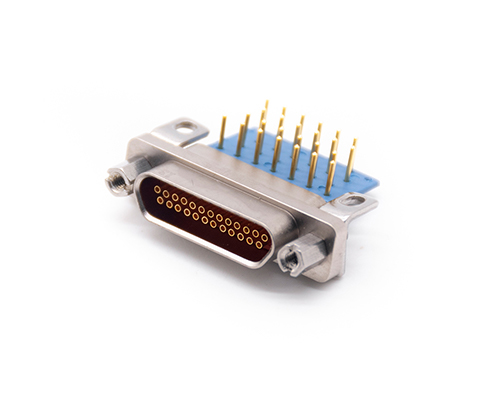
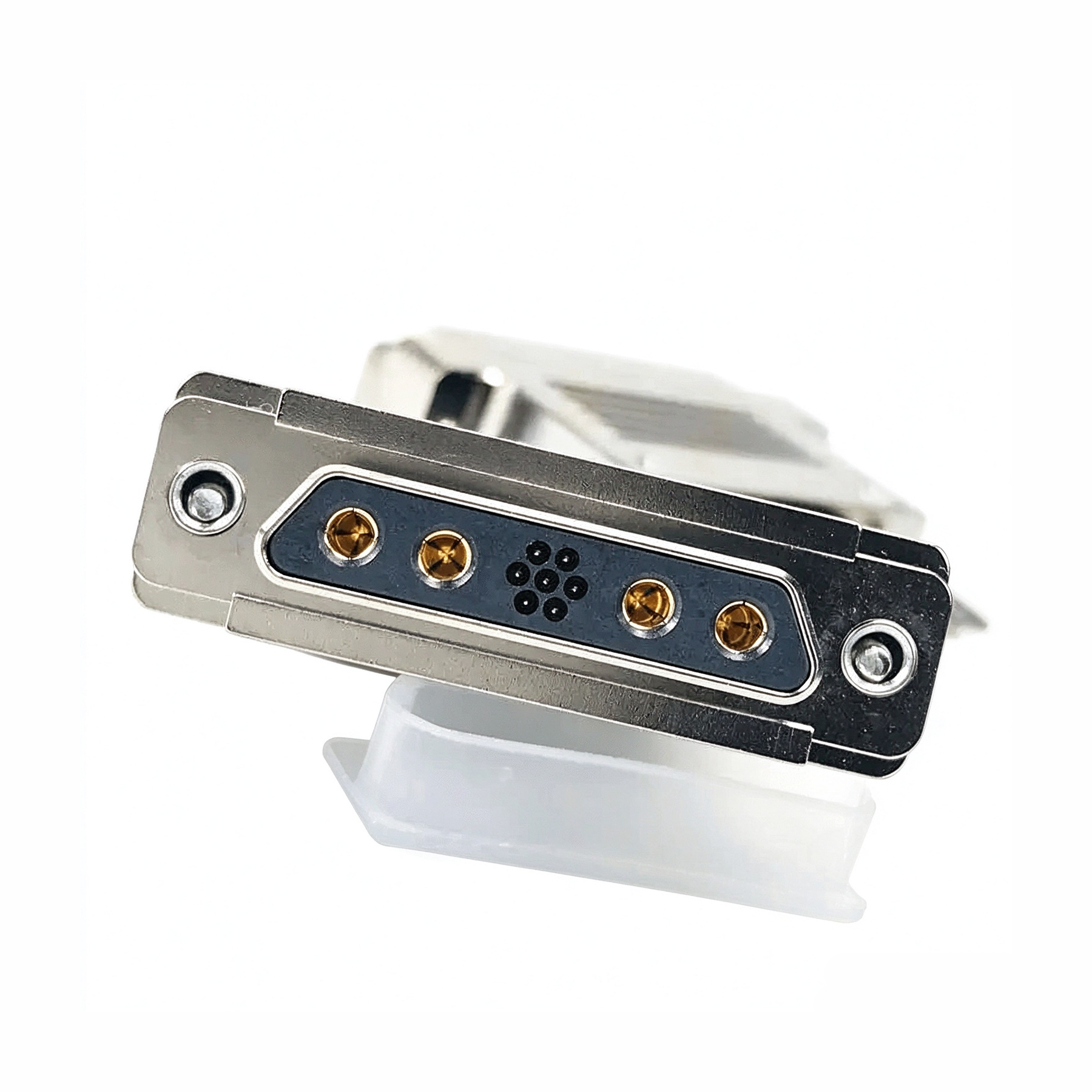
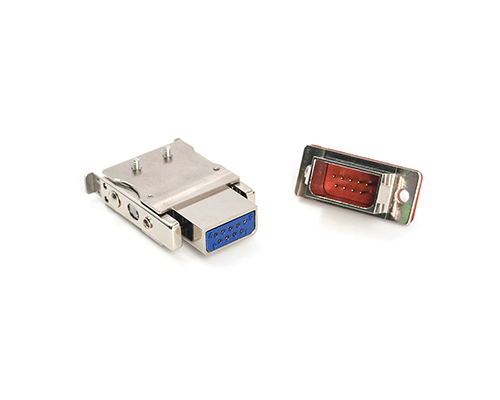
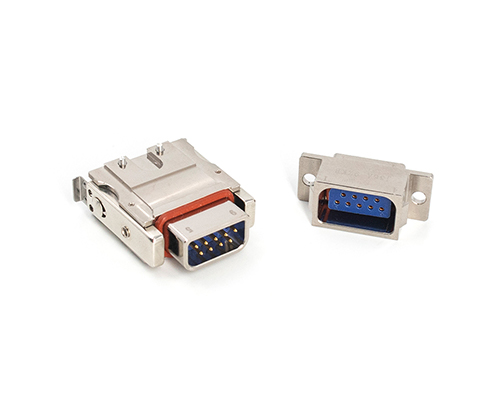
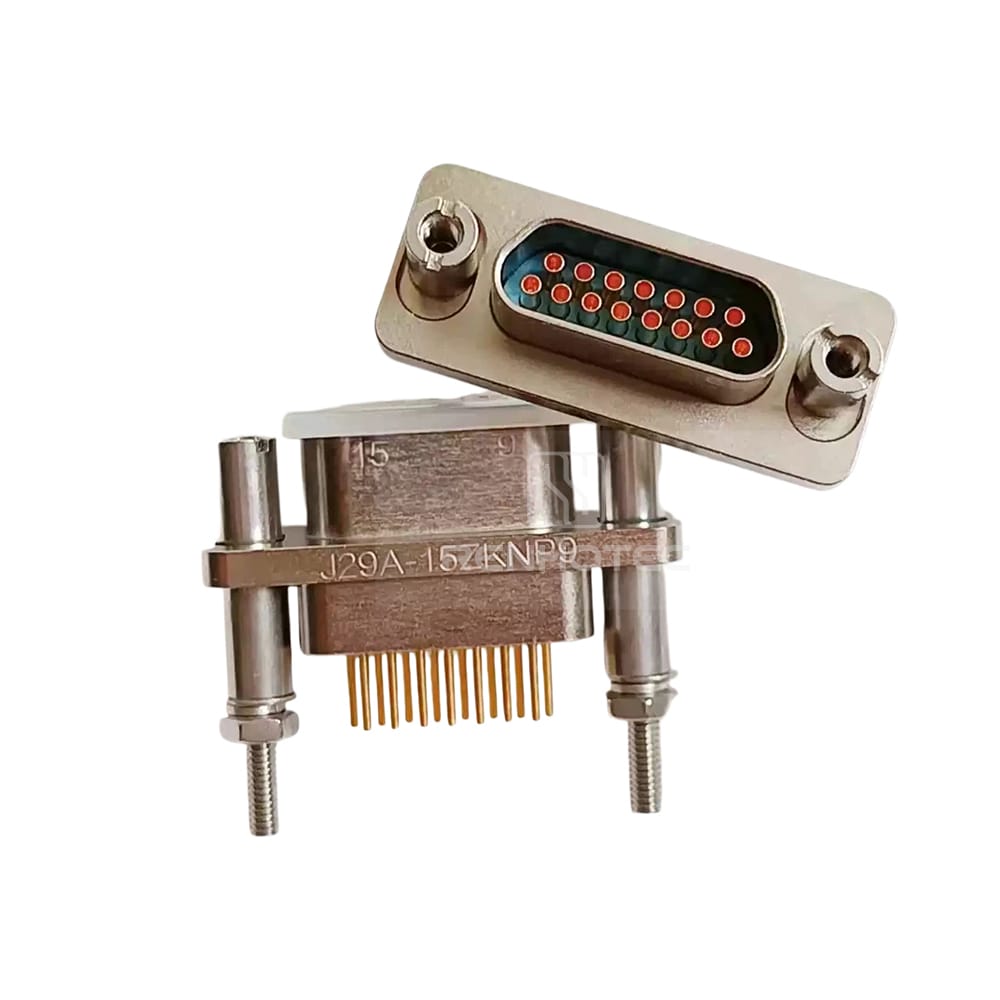
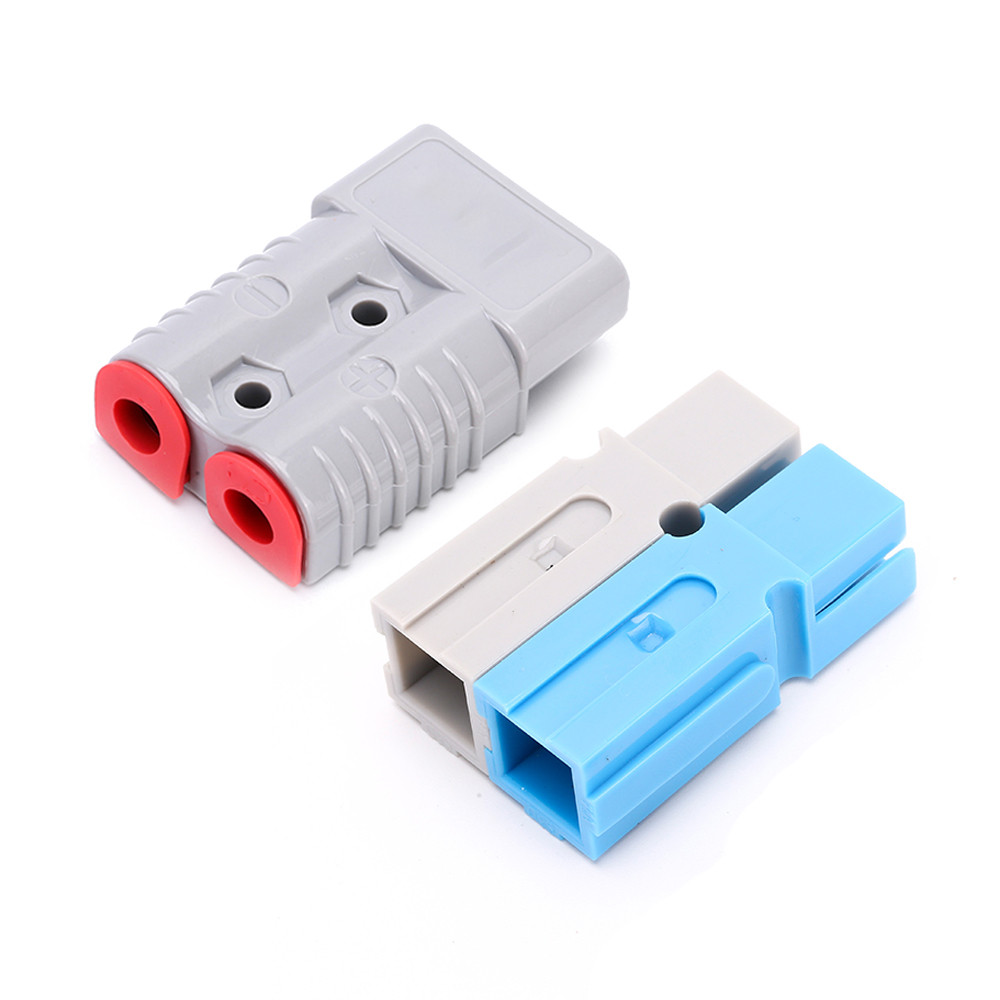
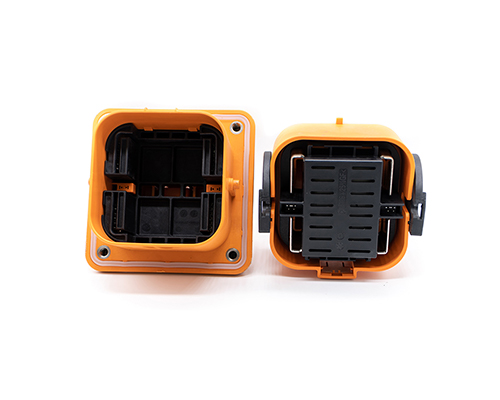
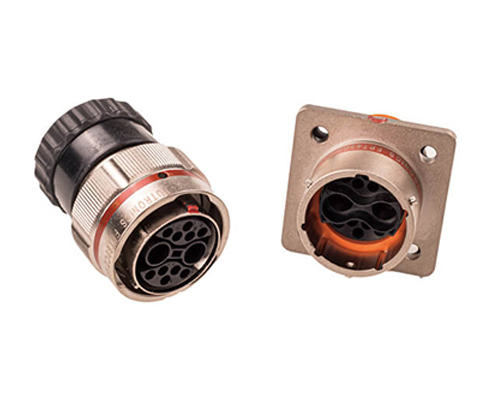
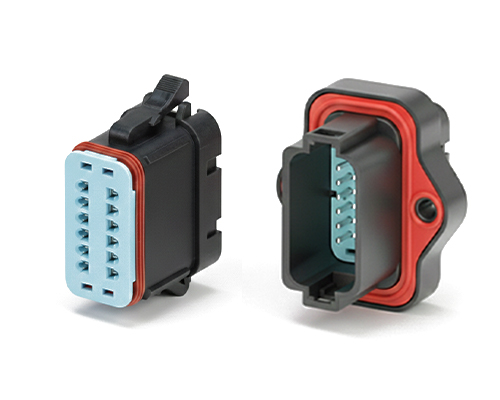
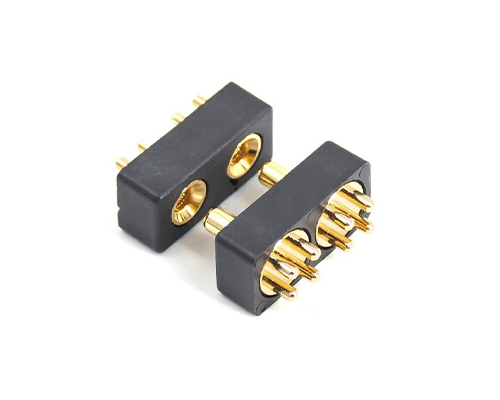
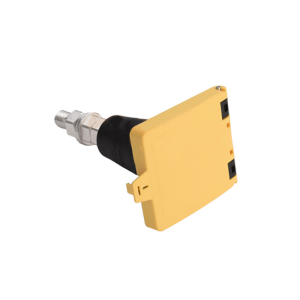
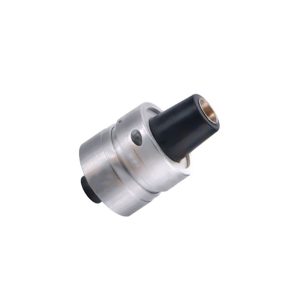
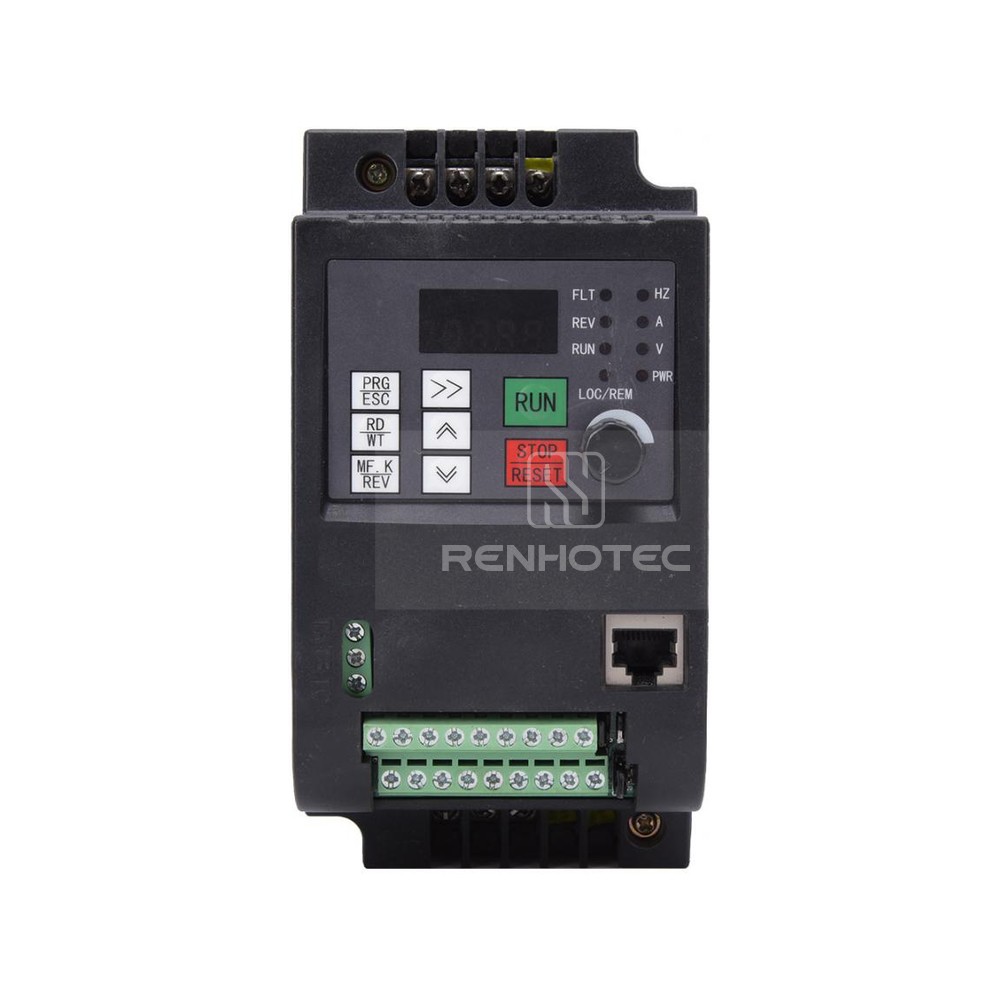
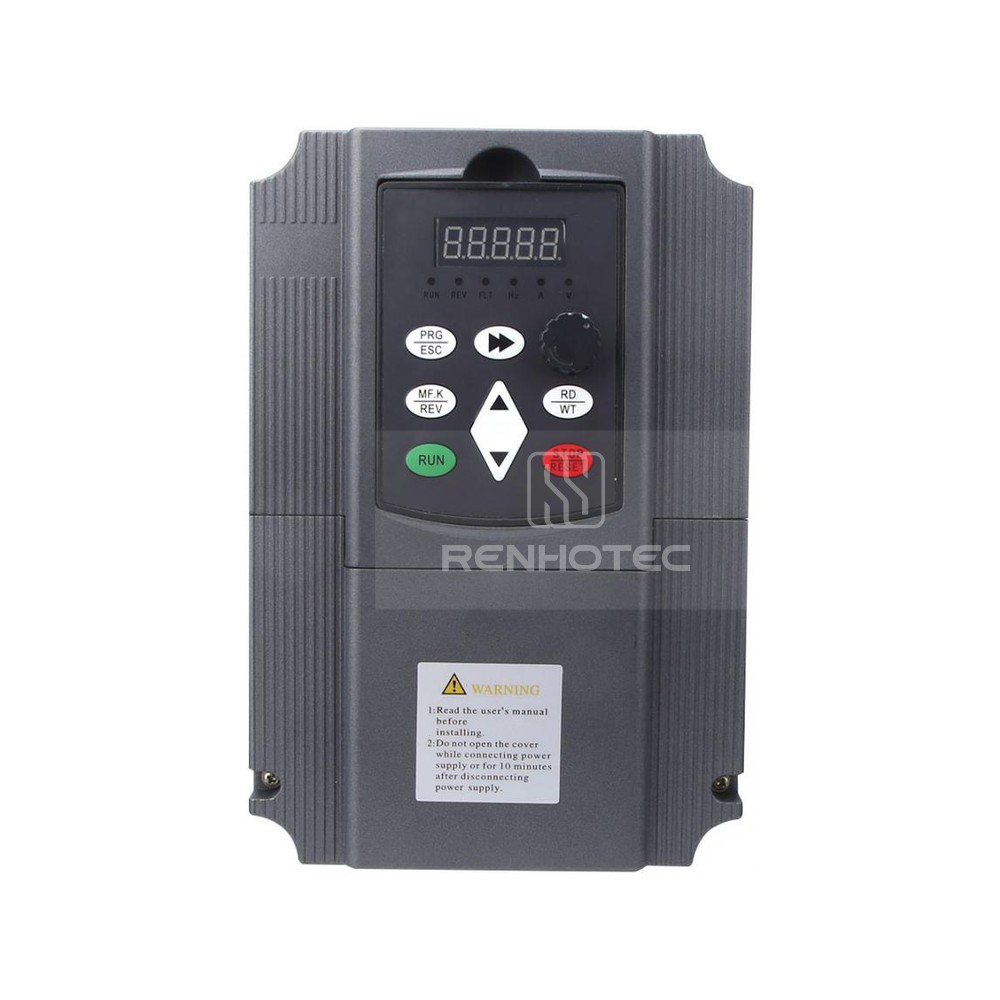
The Rectangular Connector is widely used in aerospace, medical instruments, consumer electronics (such as computers, TVs, game consoles, etc.), industrial control equipment, communication equipment, and automotive electronics. With its reliable connection performance, diverse specifications, and relatively convenient plug-in and unplug operations, it has become an indispensable component in various electronic and electrical applications.
J30J General Connectors and Cable Assemblies
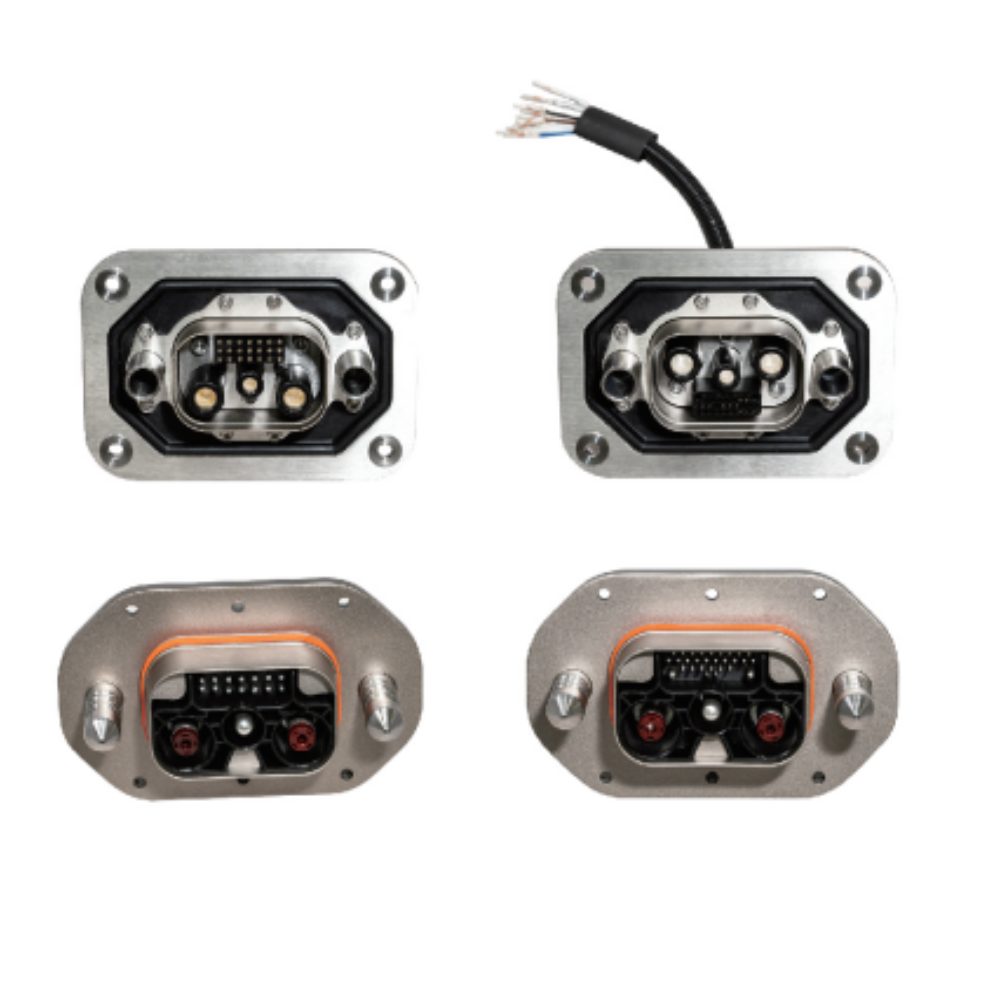
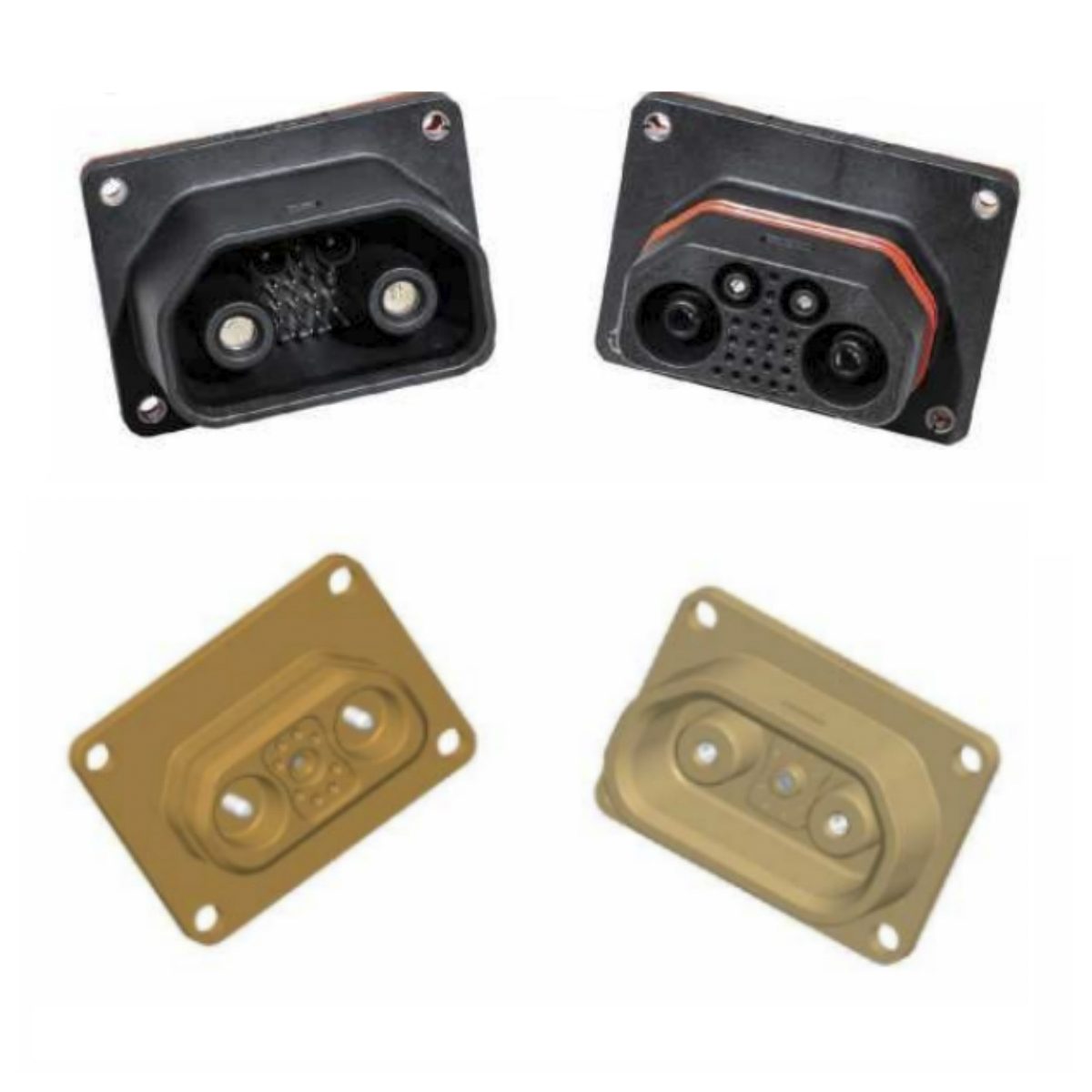
J30J Mixed Current (Hybrid) Connectors and Cable Assemblies
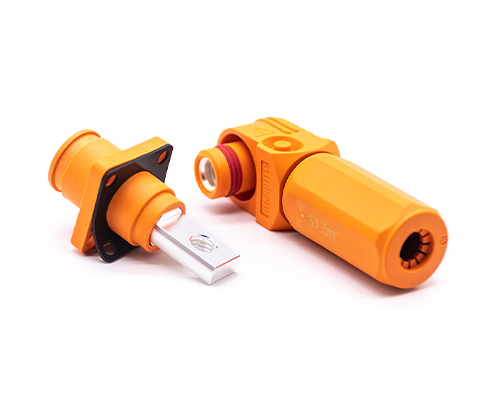
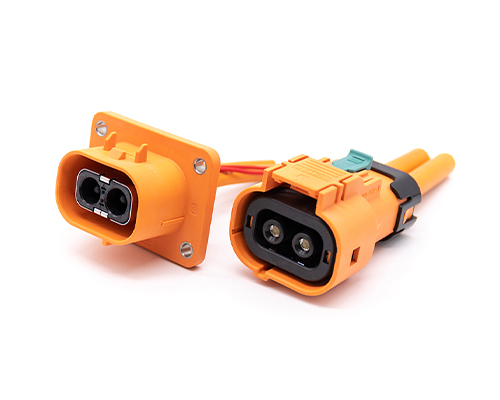
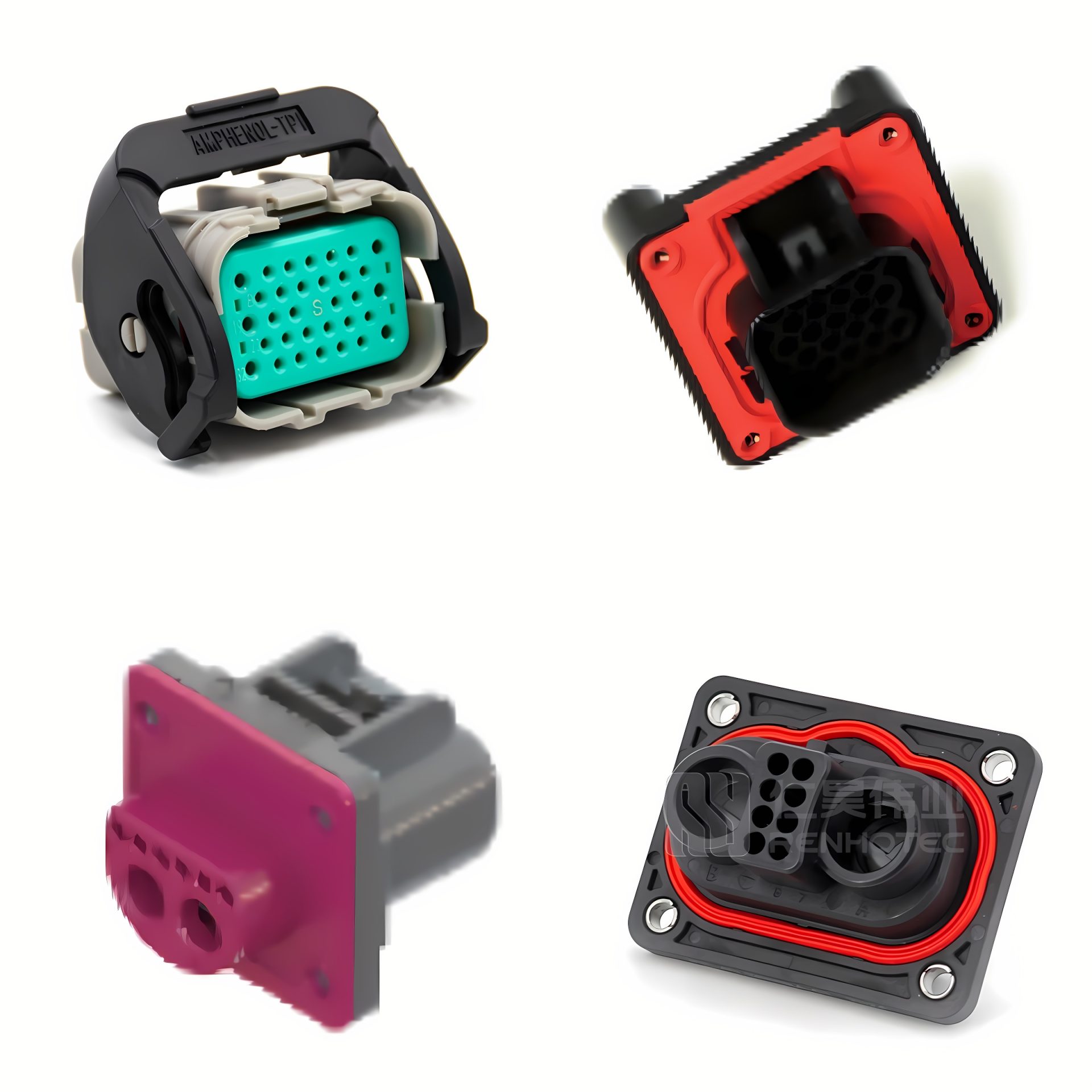
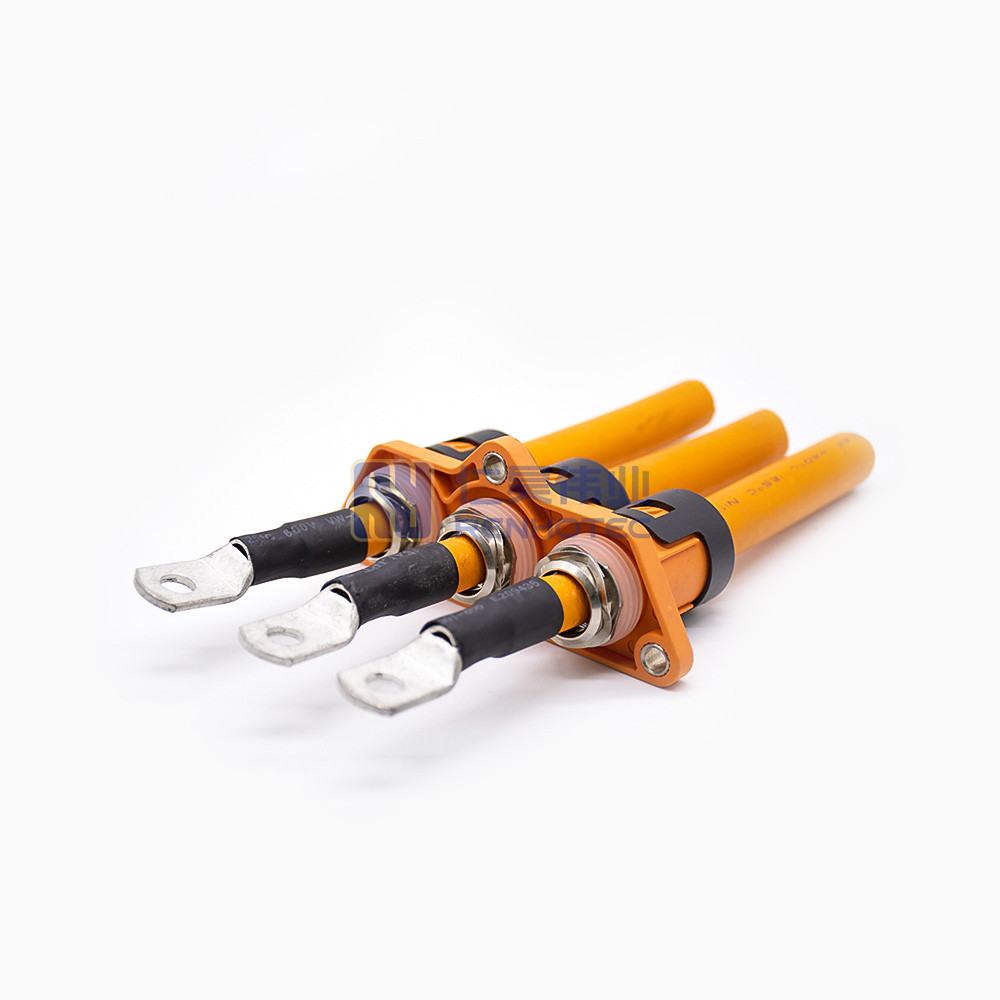
High Voltage Connectors are widely used in EV power systems, renewable energy installations, and industrial high-voltage circuits. Renhotec’s series drives the building of efficient, safe, and sustainable electrical ecosystems, meeting current technological demands.
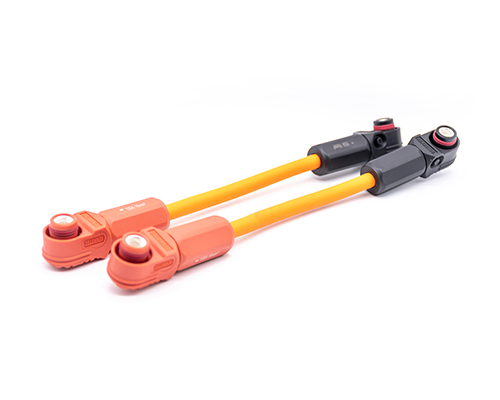
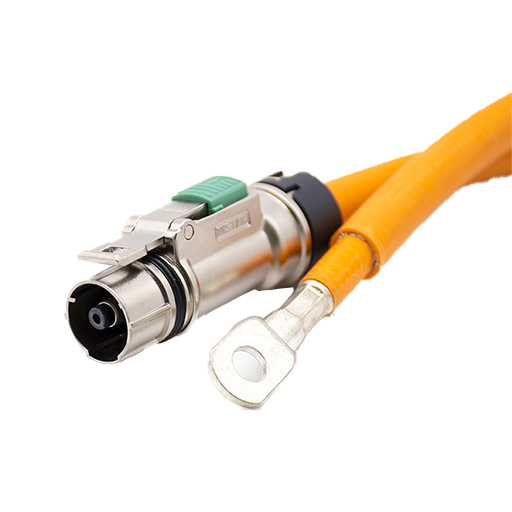
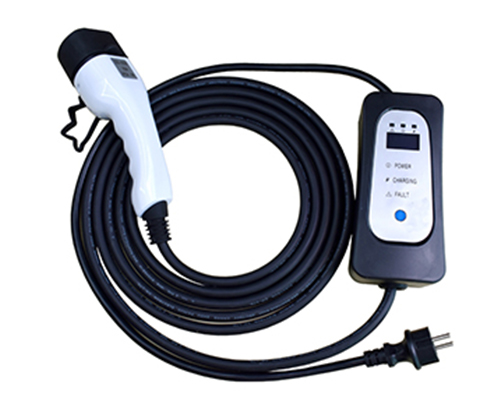
Renhotec EV Cable, crafted with top-notch conductive materials and meticulously engineered insulation, showcases outstanding impedance control and voltage-withstanding properties. Its design combines flexibility and durability to meet a wide array of installation needs. This cable is widely utilized in grid interconnections, large-scale industrial power supply systems, and high-voltage renewable energy projects, enabling smooth and efficient power transmission.
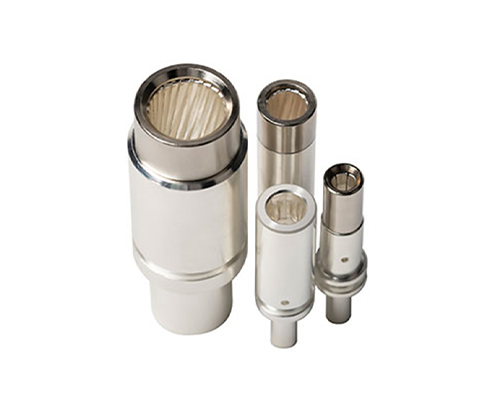
Renhotec, as a professional supplier, offers a comprehensive range of these Signal Transmission Connector products. Whether it is the high-reliability applications of the metal series or the wide adaptability of the plastic series in consumer electronic products, Renhotec can provide customers with high-quality options to meet the diverse requirements of signal transmission connections in different industries and scenarios.
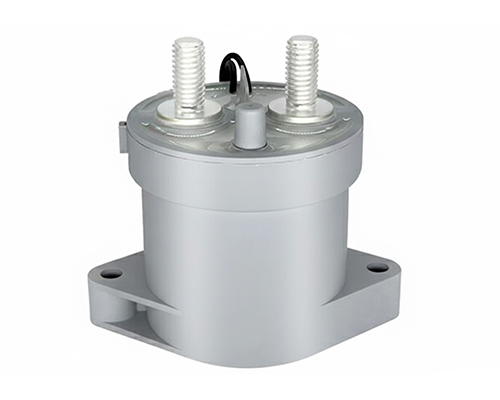
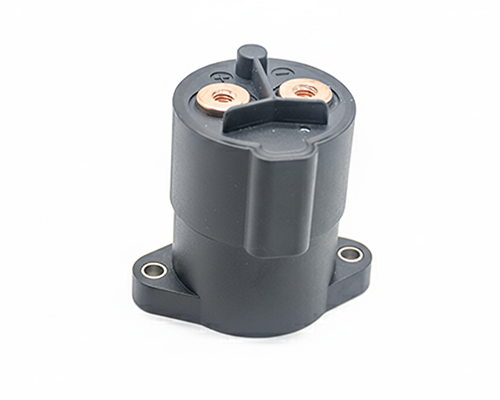
Renhotec, active in electrical components, offers High Voltage DC Contactors in Epoxy Resin Sealing and Ceramic Sealing variants, with a 20A – 1000A current range. The Epoxy Resin Sealing one is cost-effective and protective. The Ceramic Sealing variant excels in thermal stability and insulation. They’re widely used in EV charging, renewable energy grid, and industrial high-voltage DC power distribution for reliable circuit control and current interruption, providing comprehensive solutions for multiple sectors.
ESS Cabinet Design: Evaluating Different Battery Connector Types and Solutions
Routing high current through a sealed enclosure forces you to make tough choices. As you evaluate different battery connector types, you’re essentially balancing electrical performance against strict budgets and field maintainability. Instead of just listing specs, let’s take a practical look at the real-world trade-offs of five widely adopted solutions—HVIL quick connectors, standard cable glands, custom busbar feedthroughs, Anderson-style plugs, and heavy-duty feedthrough power terminals—helping you lock in the best design for your ESS project.
Why Does Battery Cabinet Connection Design Matter?
The point where power exits a battery cabinet is often the most vulnerable node in the entire energy storage architecture. Selecting the appropriate connection method is not merely a matter of mechanical fit; it requires a multidimensional engineering assessment:
Electrical Considerations: As systems scale, managing high continuous current and high voltage isolation becomes critical. Engineers must account for creepage and clearance distances to prevent arcing, as well as strict temperature rise control to mitigate thermal runaway risks at the connection interface.
Mechanical Considerations: ESS cabinets are subjected to significant mechanical stress, including vibration during transit or operation (especially near cooling fans) and the physical weight of heavy-gauge cabling (e.g., 4/0 AWG). Space efficiency is equally vital, as internal cable routing spaces are aggressively minimized to increase battery cell density.
Environmental Considerations: Outdoor ESS deployments face harsh conditions. Maintaining an absolute IP rating (IP65/IP67) against humidity, dust, and salt spray is non-negotiable to protect sensitive internal BMS electronics and cell terminals.
Maintenance Considerations: When a specific battery module fails, field replacement must be rapid. Solutions that require disassembling the entire cabinet or wrestling with stiff cables drastically increase downtime and service costs.
This is why different cabinet architectures—ranging from indoor server racks to outdoor utility-scale containers—require vastly different connection strategies.
4 Common Battery Connector Types for ESS (Pros and Cons)
When navigating the market for panel-entry wiring, engineers typically encounter four primary battery connector types. Each has its specific operational mechanics, strengths, and inherent downsides.
1. Energy Storage Quick Connectors
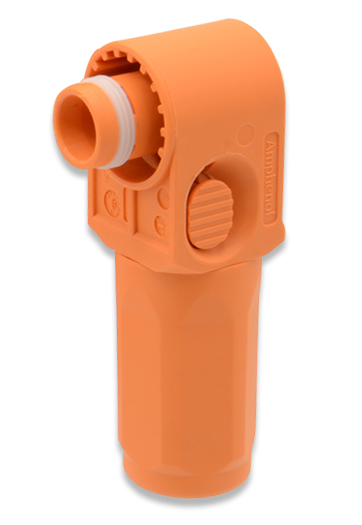
Mechanism: These are modular, plug-and-play components featuring a panel-mounted receptacle and a cable-mounted plug, often utilizing High-Voltage Interlock Loop (HVIL) technology for enhanced safety. Advantages: When designing modular packs that require frequent blind mating, a high-voltage battery quick connector is typically the premier choice. They offer fast replacement and high touch-proof safety for non-qualified field technicians. Cons: They are exceptionally expensive, often costing multiples of traditional hardware. Furthermore, they are bulky, consume significant panel space, and introduce contact wear over thousands of mating cycles. The required specialized crimping tools also lower manufacturing fault tolerance. When to Use It: Quick connectors are the premier choice for utility-scale BESS container retrofits and modular battery packs that require frequent maintenance. Because the polarization and touch-proof designs eliminate human error during connection, they are perfectly suited for high-budget projects where rapid deployment is prioritized over component costs. Industry-standard architectures in this category include Amphenol’s SurLok Plus™ series and TE Connectivity’s HIVONEX/BCON+ heavy-duty systems.
2. Cable Glands for Direct Cable Entry
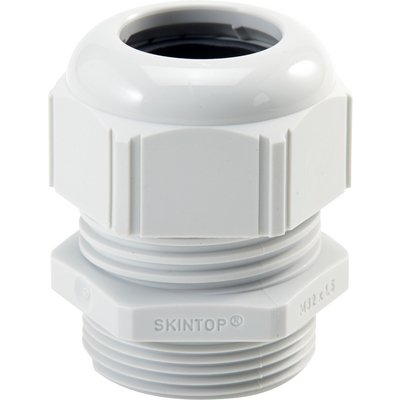
Mechanism: A sealed, threaded fitting that allows an uninterrupted, continuous cable to pass directly through the cabinet bulkhead. Advantages: This is the most cost-effective sealing method. Because the cable remains whole, there is zero added contact resistance at the panel, virtually eliminating the risk of localized temperature rise. Cons: It is a maintenance nightmare. Cable glands are entirely non-modular. If an internal component requires replacement, technicians must pull the entire stiff, heavy cable through the gland. Additionally, providing adequate strain relief for heavy DC cables using only a gland is mechanically difficult. When to Use It: Cable glands find their ideal use case in static, cost-sensitive residential ESS or small-scale distributed outdoor battery boxes where the internal architecture is completely finalized. They are highly effective for “sealed-for-life” systems that require zero modular replacements over a 10-to-15-year lifecycle. When engineering these nodes, integrators often specify high-retention industrial standards like the LAPP SKINTOP® series or Phoenix Contact’s CES (Cable Entry System) to ensure robust anti-vibration performance.
3. Custom Busbar Feedthrough Sealing
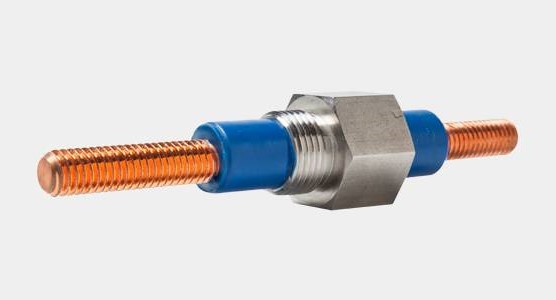
Mechanism: Solid copper or aluminum busbars penetrate the cabinet wall directly, utilizing custom-molded epoxy sealing or mechanical insulated plate structures to maintain environmental isolation. Advantages: Unmatched high-current carrying capacity. This method is often the only viable choice for utility-scale applications exceeding 500A to 1500A, where cables become too rigid to bend. Cons: This approach suffers from immense manufacturing complexity. It requires custom engineering for every unique cabinet design, making standardization nearly impossible and driving up NRE (Non-Recurring Engineering) tooling costs. When to Use It: This specialized architecture is heavily utilized in central inverter stations, megawatt-scale power conversion systems (PCS), and heavy-duty containerized platforms. It is suited for standardized, high-volume container builds where physical dimensions are completely locked in, allowing initial tooling costs to be amortized. Common sealing implementations for these extreme applications involve hermetic epoxy technologies similar to Douglas Electrical’s StudSeal™, or mechanical multidiameter modules like the Roxtec BG™ sealing system.
4. Anderson-Style High Current Plugs
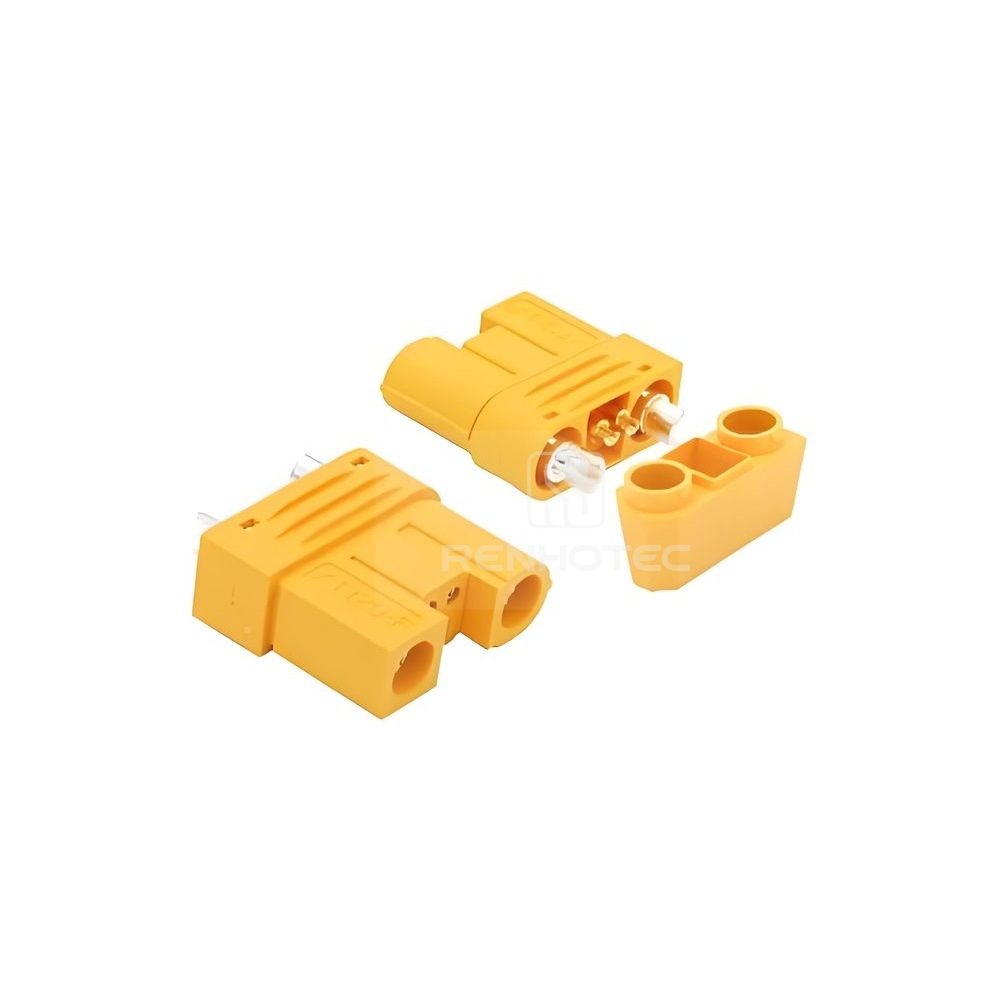
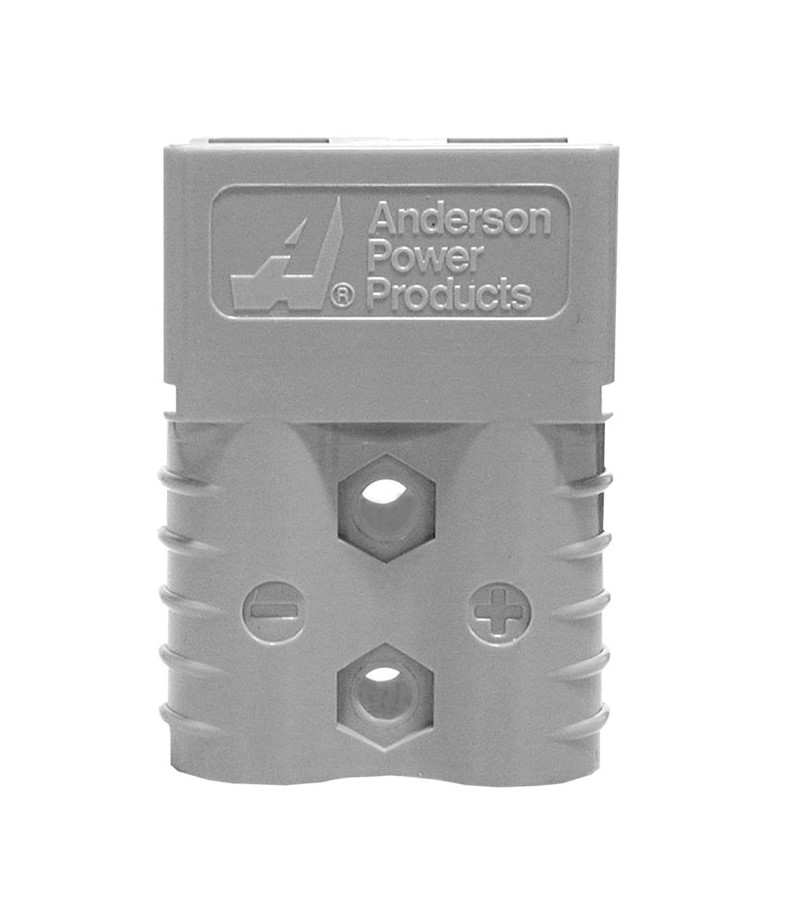
Mechanism: Originally engineered to serve as a heavy-duty forklift battery connector, this genderless architecture use flat wiping contact technology and internal springs to maintain constant mating pressure. Advantages: Excellent for low-voltage DC systems and rack-mounted modules. The physical wiping action inherently cleans the contacts during insertion, ensuring low resistance over time. Cons: They are functionally inadequate for outdoor ESS enclosures. Standard Anderson-style housings offer limited sealing (typically IP20). Achieving an IP65+ rating requires purchasing highly expensive, bulky rubber boots. They also struggle in modern 1500V high-voltage architectures. When to Use It: These connectors are highly optimized for indoor, controlled environments utilizing rack-mounted battery topologies, such as telecom base station backup power and data center UPS systems. They are engineered precisely for high-frequency cycle environments, provided the operating voltage remains within low-voltage DC limits and water ingress is not a factor. The industry standard and original innovator for this architecture is Anderson Power Products (APP), making the genuine anderson battery connector universally recognized for indoor rack deployments.
The Biggest Challenge: Balancing Cost, Space, and IP Rating
As the energy storage industry matures, integrators face an engineering “trilemma” regarding bulkhead connections. Modern systems demand solutions that simultaneously deliver:
Extreme Space Efficiency: Liquid-cooled packs leave zero wasted space for bulky connectors.
Absolute Environmental Sealing (IP67): To survive outdoor commercial deployments.
Aggressive Cost Reduction: To remain competitive in global B2B tenders.
Evaluating the earlier solutions against this trilemma reveals significant gaps. Quick Connectors solve space and IP rating but fail the cost test. Cable Glands win on cost and IP rating but fail miserably in maintenance and space management. Anderson plugs are cost-effective and maintainable but completely fail the environmental IP test.
As a result, many ESS integrators are adopting feedthrough-style power terminals to break this trilemma, achieving a compact, reliable, and cost-effective cabinet interconnect architecture.
Side-by-Side Comparison: Which Connector is Right for You?
To streamline the specification process, the following matrix compares the performance of different architectures, clearly highlighting where feedthrough power terminals bridge the gap.
Solution
IP Rating
Current Capacity
Modularity
Maintenance Efficiency
Space Efficiency
Total Cost (TCO)
Best Application
Quick Connectors
IP67 / IP68
Up to 350A
High
Excellent
Low (Bulky)
Very High
Mobile ESS / High-Budget Projects
Cable Glands
IP68
Cable Dependent
None
Poor
High
Very Low
Cost-driven, Zero-maintenance Boxes
Custom Busbar
IP65 (Variable)
500A – 2000A+
Low
Moderate
Moderate
High (Tooling)
Utility-scale Containerized ESS
Anderson-Style
IP20 (Standard)
Up to 350A
High
Excellent
Moderate
Medium
Indoor Rack-mounted Batteries
Feedthrough Terminals
IP54 / IP68
Up to 600A
High
Excellent
High
Low
C&I ESS / Battery Cabinets
Why Feedthrough Power Terminals Are the Best Choice for Either Outdoor or Indoor ESS?
For commercial and residential stationary storage, feedthrough power terminals offer the most logical engineering balance.
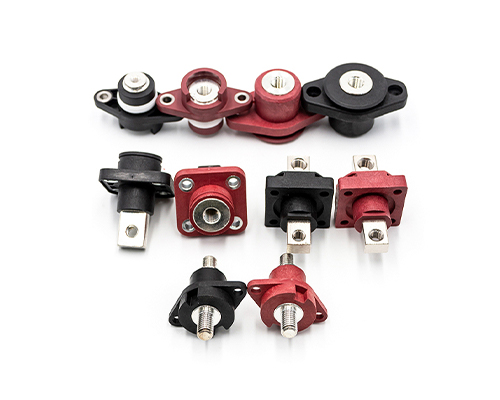
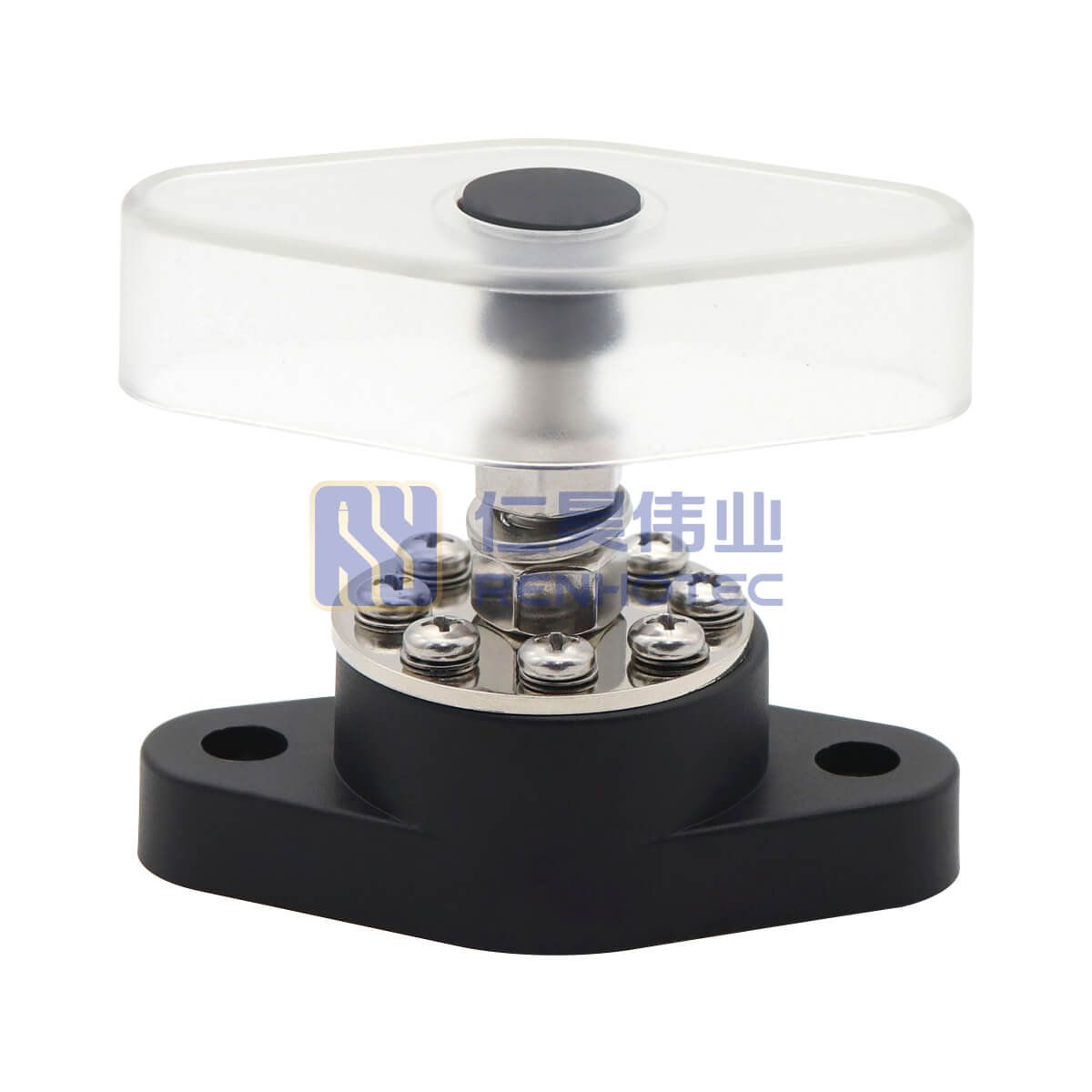
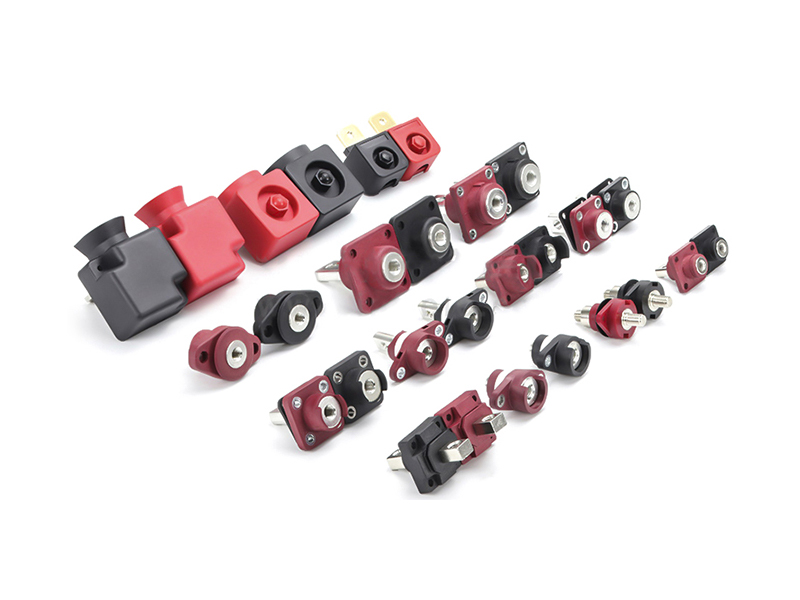
A feedthrough power terminal is a bulkhead-mounted, heavily insulated conductor. It features a threaded stud on both sides of an insulating base, allowing internal and external cables (or busbars) to connect independently to the same electrical node while perfectly sealing the panel cutout.
Typical Applications in Energy Storage Systems
These components act as the primary DC distribution nodes. They are heavily utilized for routing power from the battery rack to the PCS (Power Conversion System), connecting solar inputs to the inverter, and managing high-current distribution within combiner boxes.
Top Benefits of Using Feedthrough Terminals
Superior Total Cost of Ownership (TCO): Compared to the exorbitant hardware costs of HVIL quick connectors or the high NRE tooling fees of custom busbar seals, feedthrough terminals provide heavy-duty power routing at a fraction of the price, drastically lowering the BOM (Bill of Materials) cost for volume cabinet production.
Perfect Decoupling for Maintenance: The dual-side connection isolates internal wiring from the external load. Technicians can detach external cables simply by removing a hex nut, without ever opening the sealed battery cabinet.
Compact Installation: They require only a simple circular panel cutout, drastically reducing the required surface area compared to multi-pin connectors.
Flexible Conductor Compatibility: Whether the design utilizes flexible cables with ring terminals, cable lugs, or rigid copper busbars, all can be bolted directly to the terminal stud.
How to Choose the Right Feedthrough Power Terminal?
Not all hardware is created equal. When sourcing these components, rigorous evaluation of their datasheets is mandatory to ensure system reliability.
Current Rating: Solutions must be matched to both continuous and peak current demands. Standard capacities range from 20A to heavy-duty 600A applications.
Voltage Rating and Insulation: Modern designs demand 1000V DC to 1500V DC isolation. The housing material must be a high-performance thermoplastic (such as PA66 or thermoset composites) featuring a UL94 V-0 flame retardant rating.
Conductor Material: This is where poor quality introduces thermal risk. Engineered as heavy-duty copper battery terminal connectors, premium feedthroughs utilize highly conductive, tin-plated copper alloys. Tin plating is essential to prevent galvanic corrosion and ensure low contact resistance, actively controlling temperature rise.
IP Protection & Sealing: Integrators must specify the correct sealing level based on the deployment environment to avoid over-engineering costs. For indoor C&I racks or fully containerized ESS interiors, standard IP54 rated terminals offer the best cost-efficiency. However, for fully exposed outdoor cabinets, specifying premium models engineered with heavy-duty O-rings to achieve an IP68 waterproof rating is mandatory to prevent environmental degradation and internal short circuits.
Stud Size (Thread Size): Precision-machined threads (M6, M8, M10, M12) are critical. Accurate torque specifications must be followed to prevent thread stripping while ensuring adequate clamping force against the cable lug.
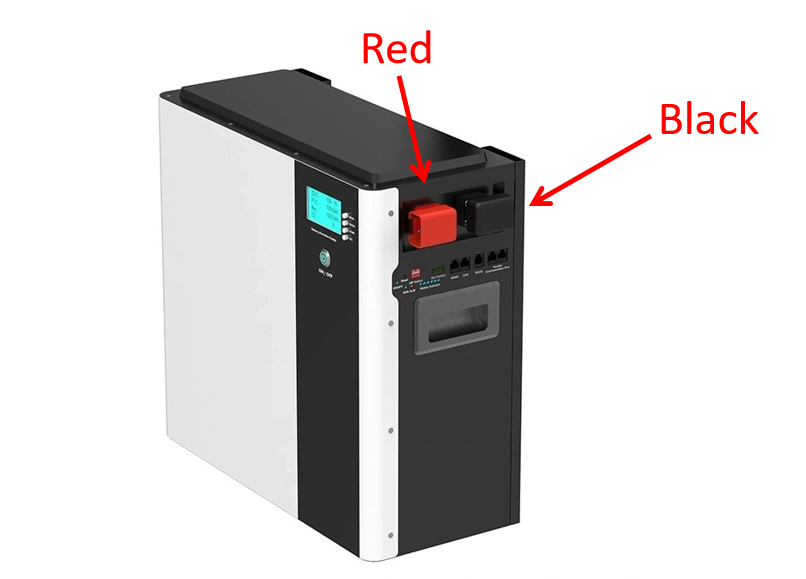
Color Coding: Red and black (or orange for HV DC) bases provide immediate visual polarity identification, preventing catastrophic cross-wiring during field installation.
Factory Customization Services for ESS Integrators
While feedthrough terminals are standard hardware, source factories offer vital engineering support for ESS integrators. This includes custom thread lengths for unusually thick enclosure panels (e.g., >15mm), specific O-ring material selection (like EPDM or Viton) for extreme environments, and custom busbar punching/bending services to provide a complete, ready-to-install internal wiring kit.
How to Choose the Right Solution for Your ESS Project
Selecting the interconnect architecture is a decision that dictates your project’s total cost of ownership and field reliability.
If your system requires daily, blind-mating plug-ins, invest in Quick Connectors. If you are building indoor, low-voltage racks, Anderson-style plugs will suffice. However, if you are designing highly dense, outdoor commercial battery cabinets where long-term safety, IP protection, and cost-control must perfectly intersect, Feedthrough Power Terminals stand as the undisputed optimal solution.
If you are designing battery cabinets or high-current DC systems, selecting the right interconnect architecture early can significantly improve reliability, safety, and long-term maintainability. Explore our full catalog of high-current feedthrough power terminals, review detailed torque specifications and test reports, or contact our engineering team to discuss custom panel-mount solutions for your next ESS deployment.

 Deutsch