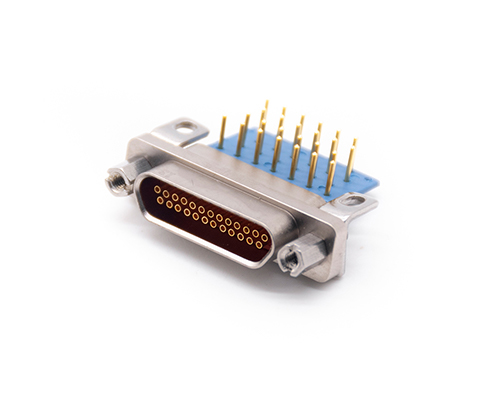
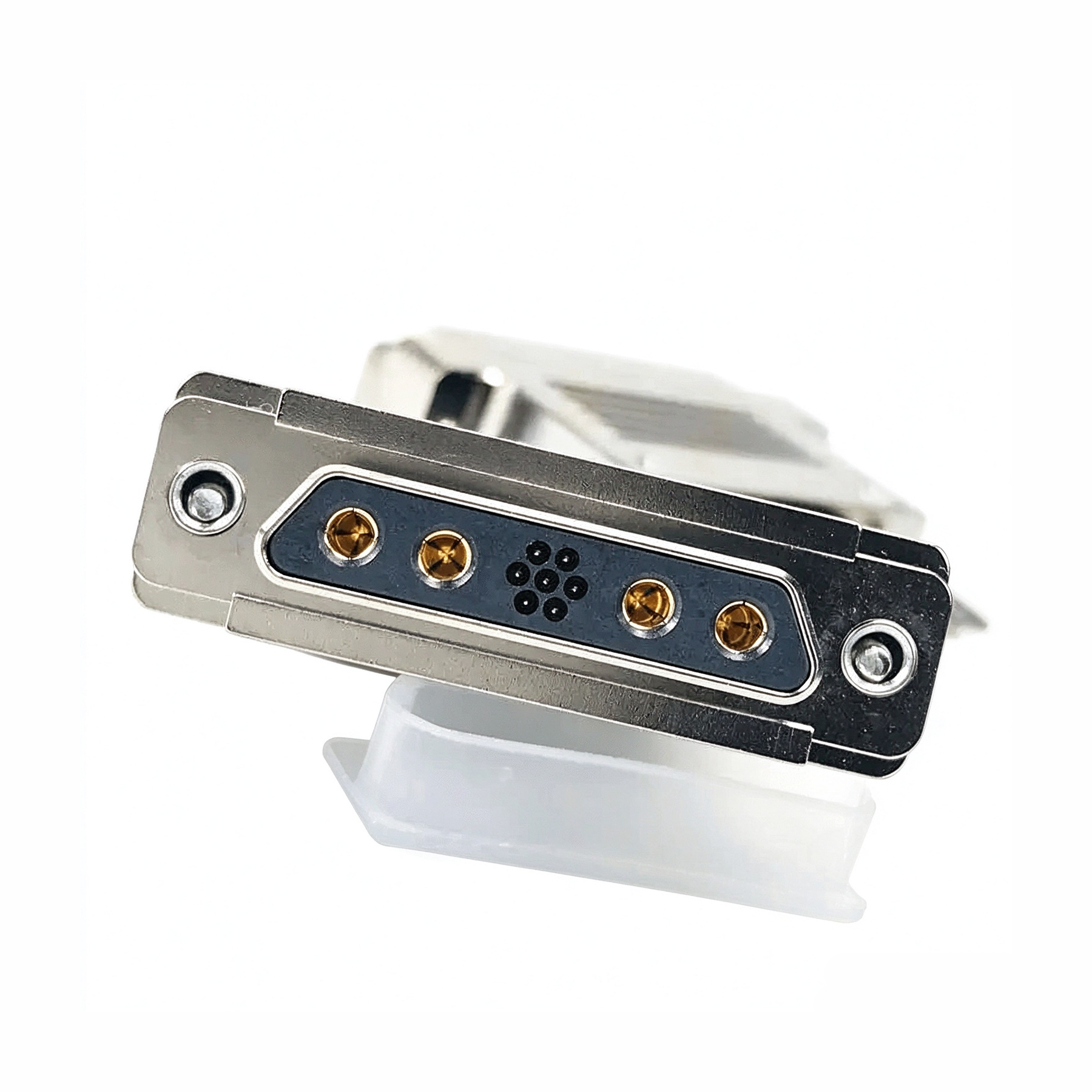
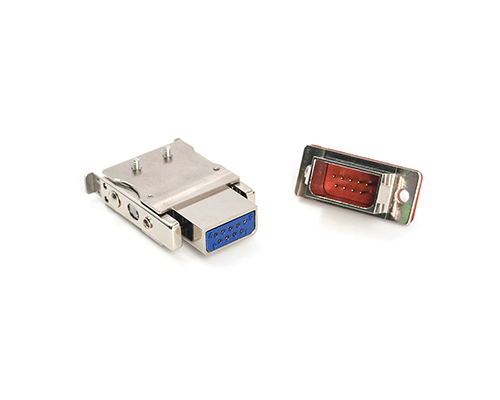
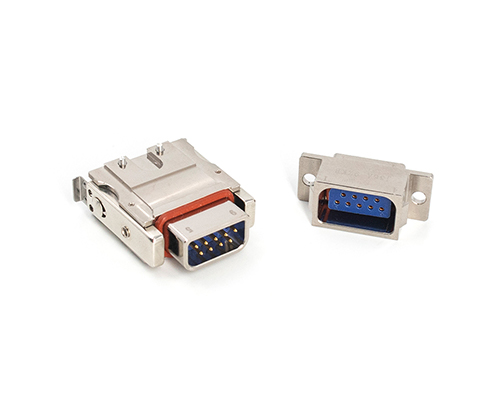
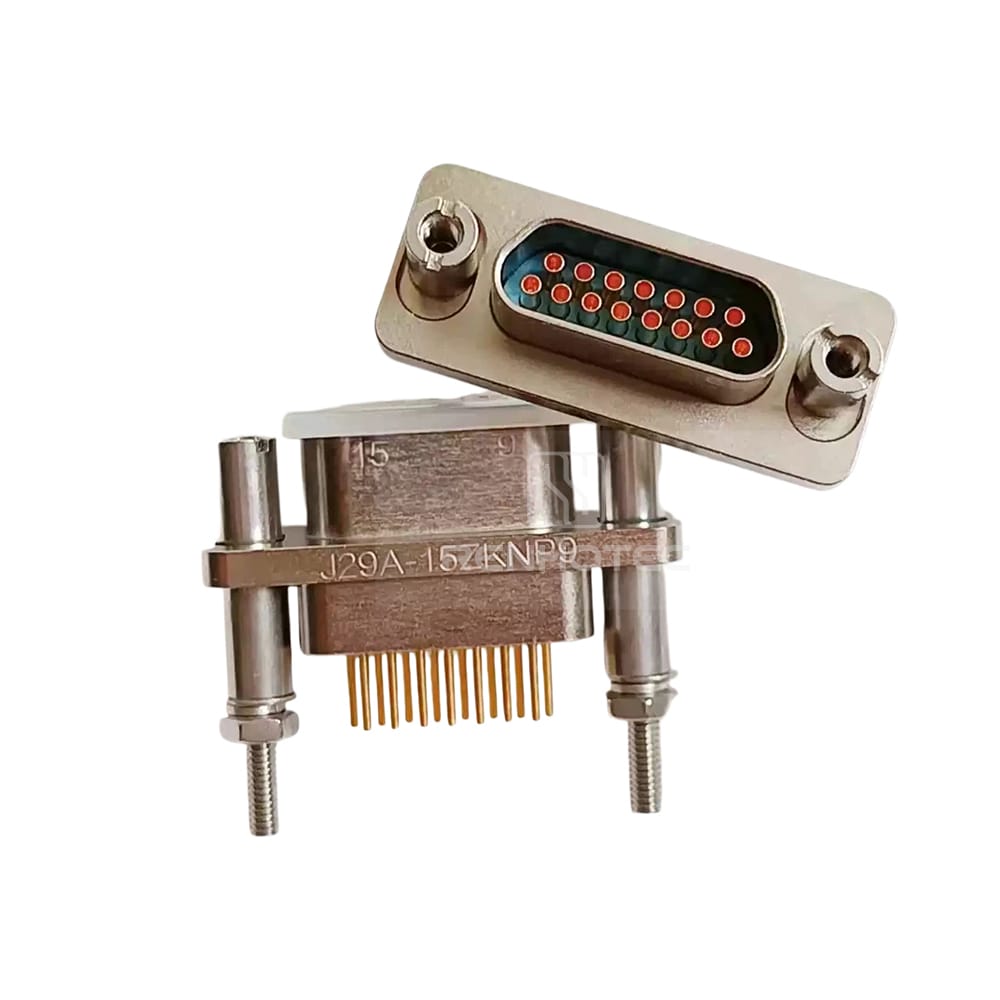
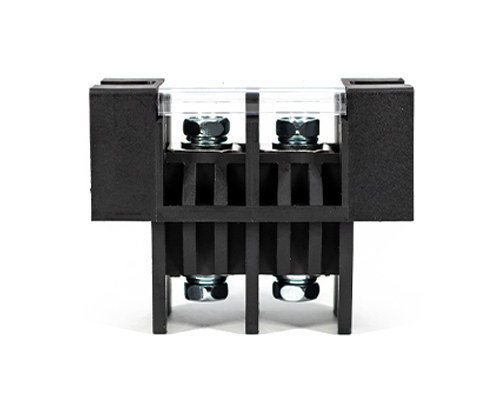
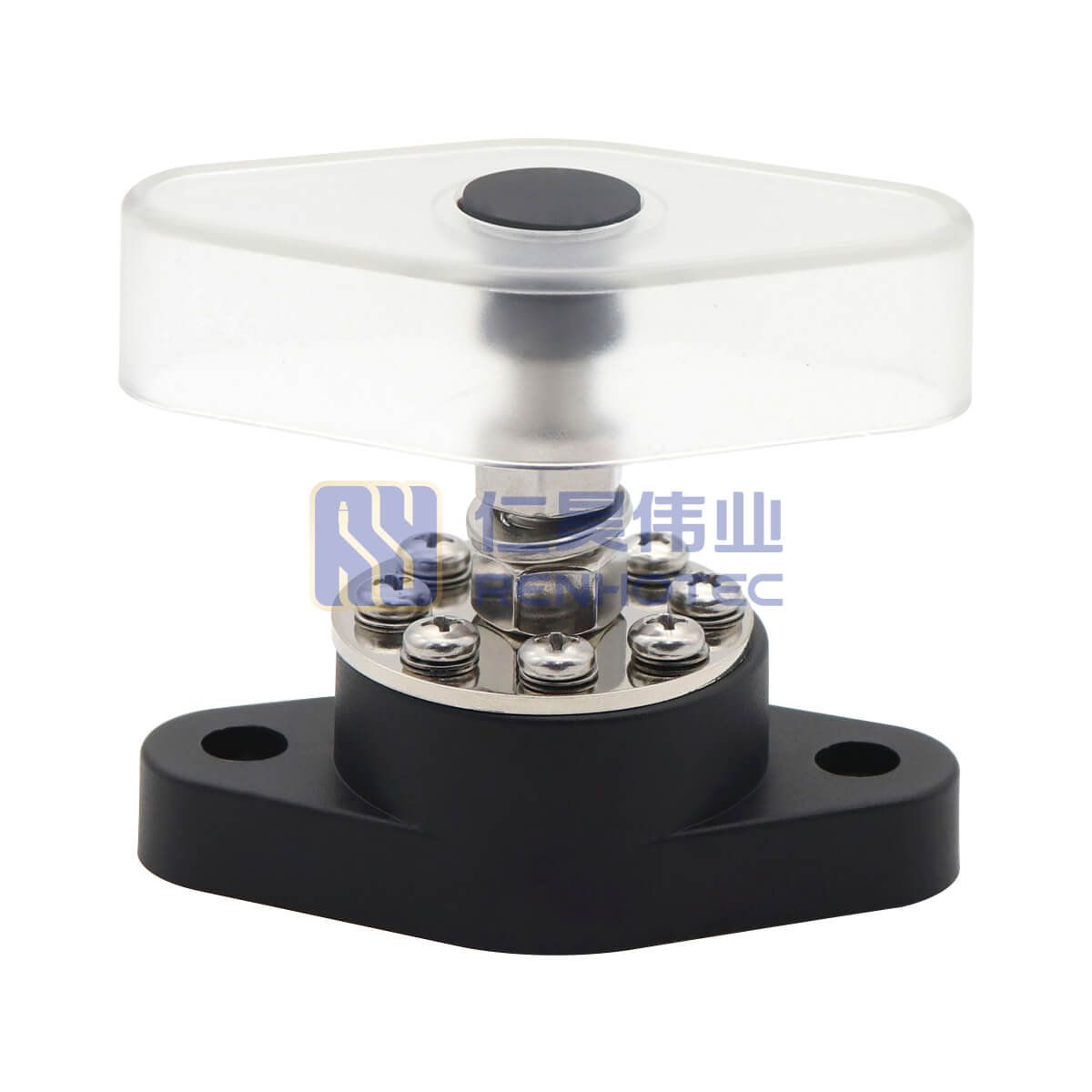
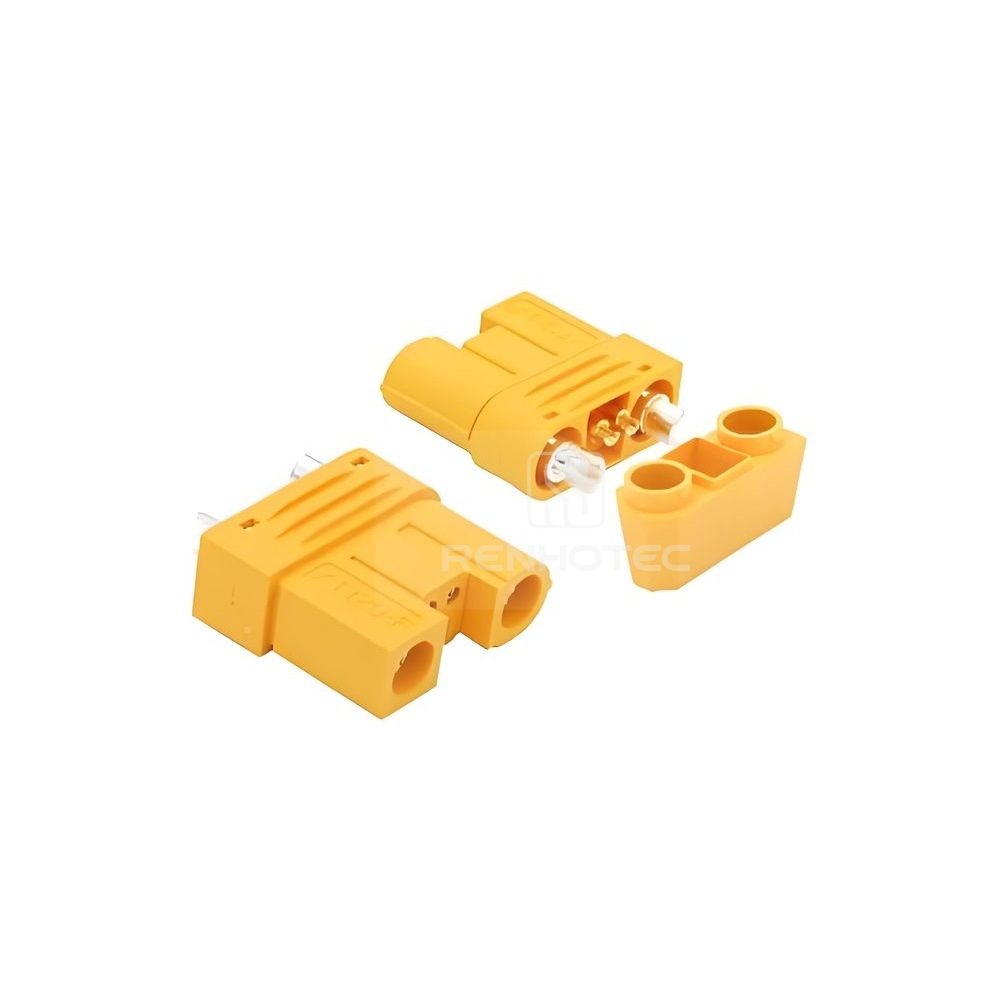
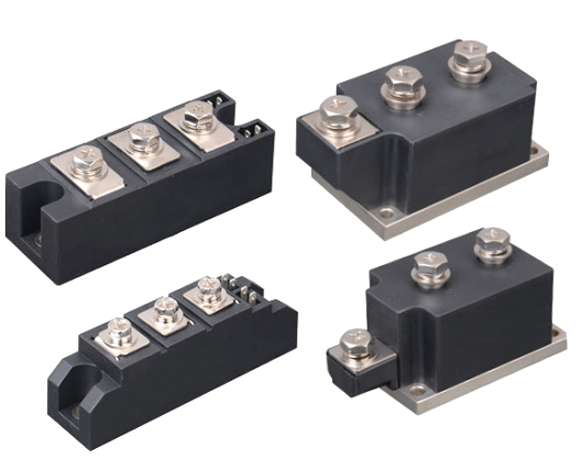
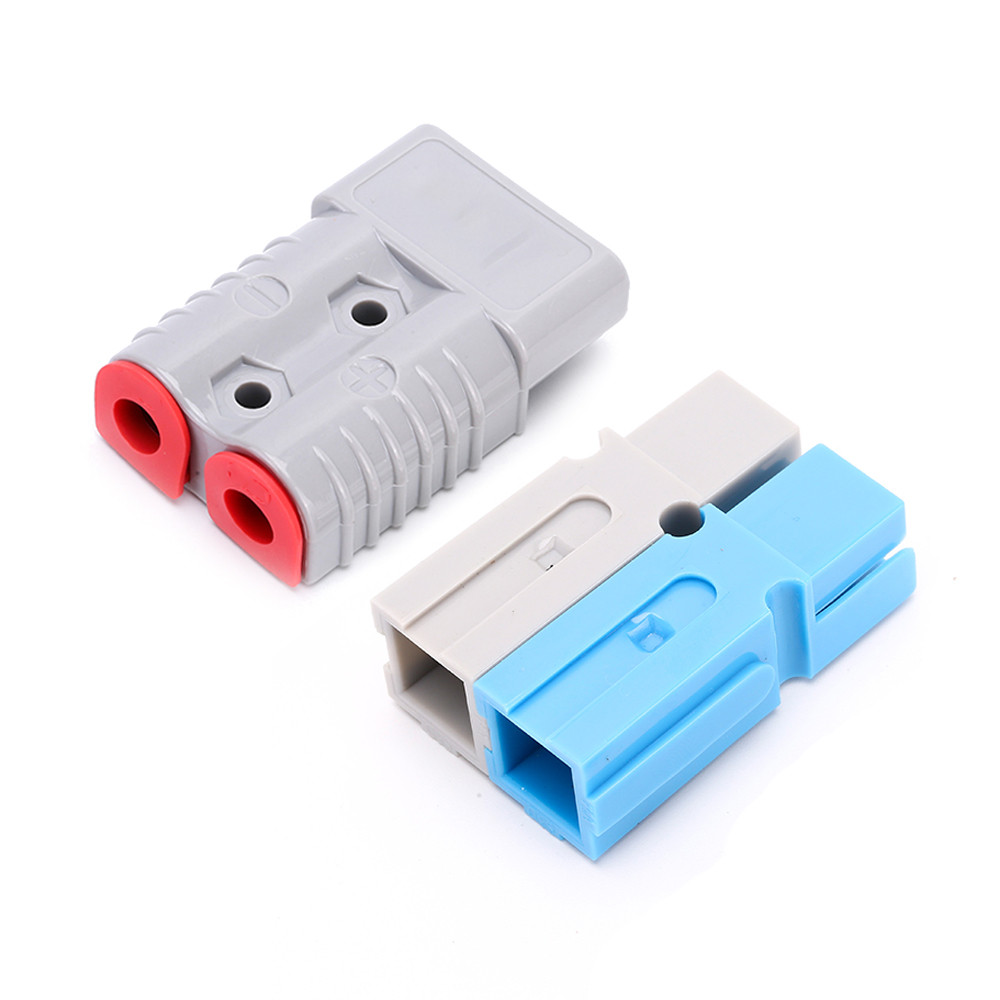
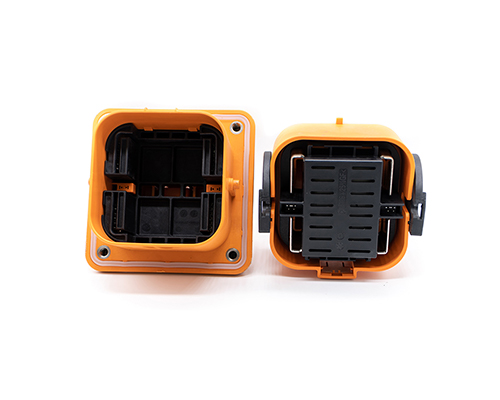
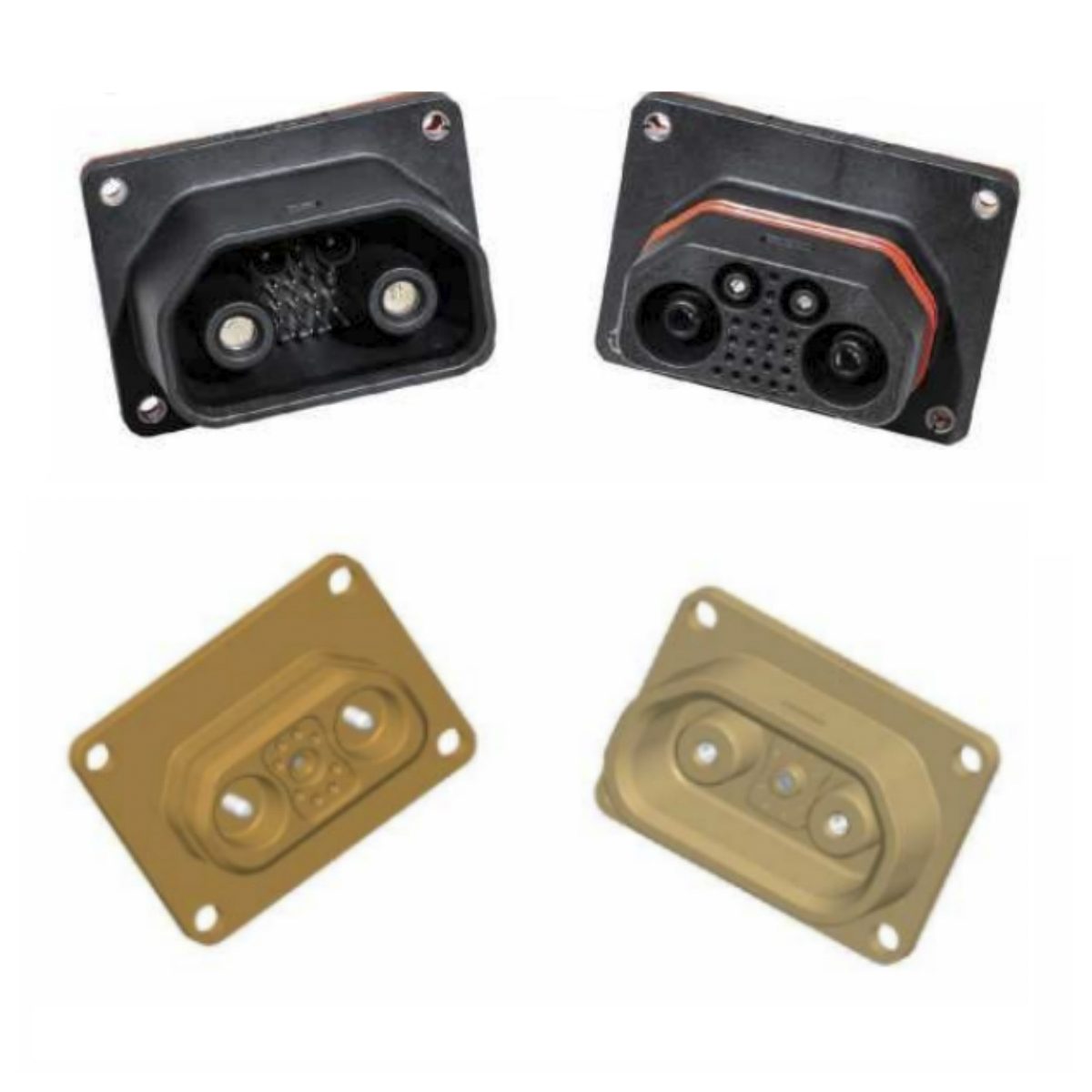
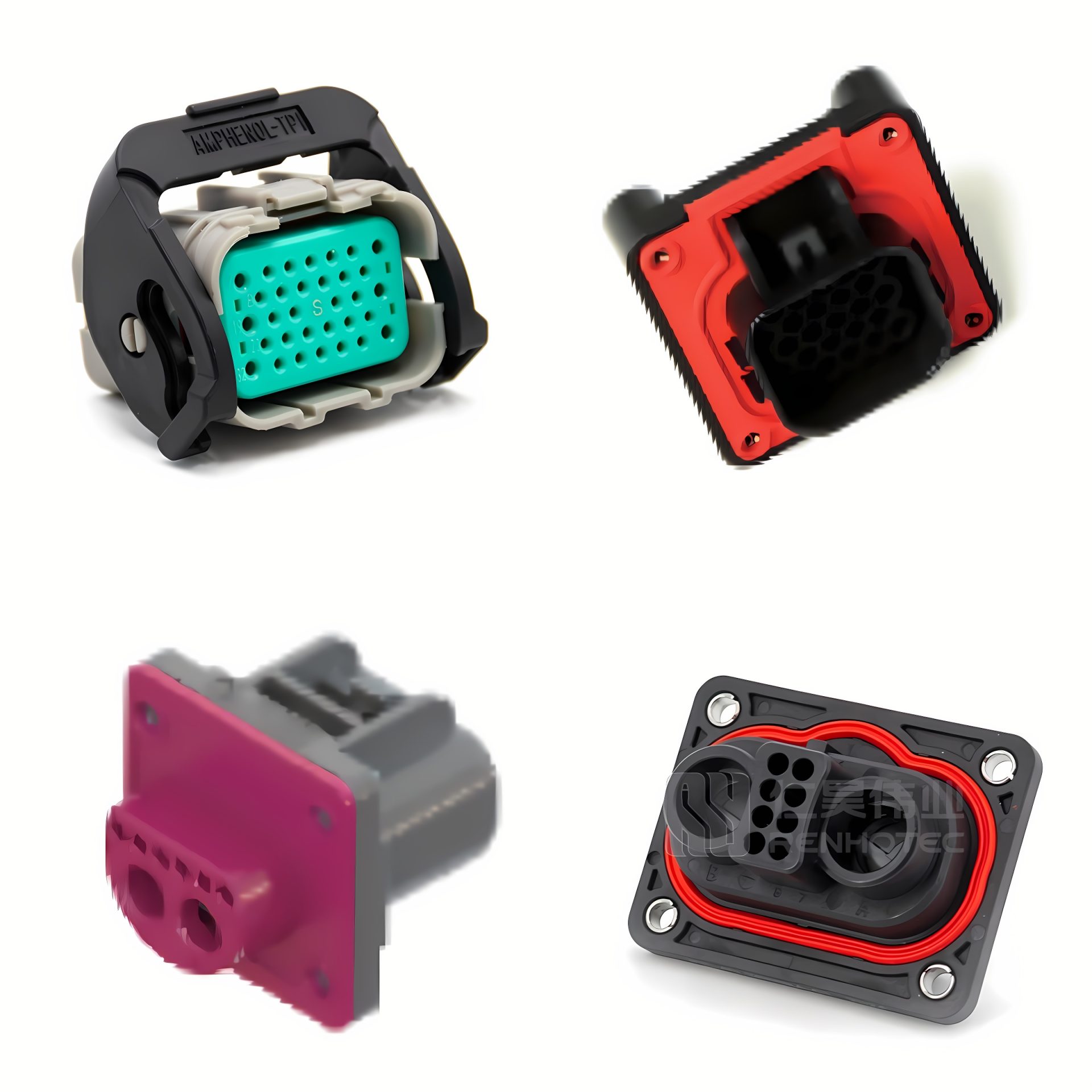
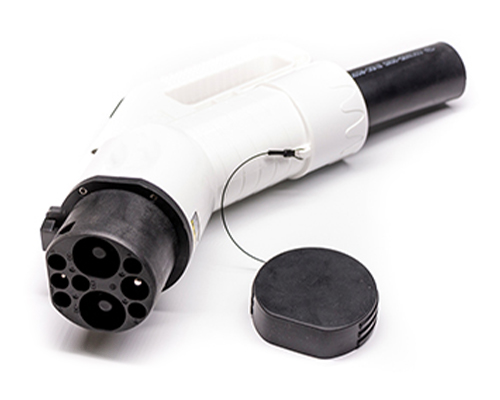
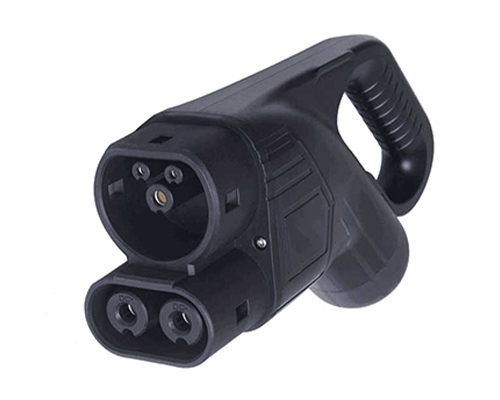
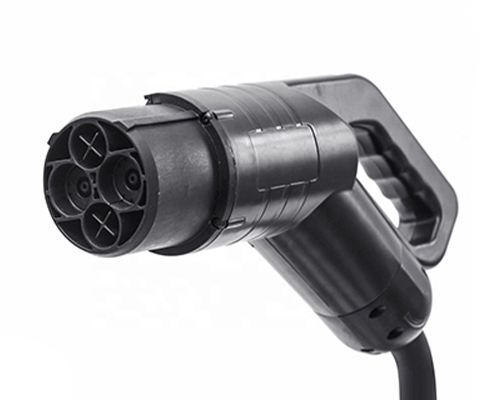
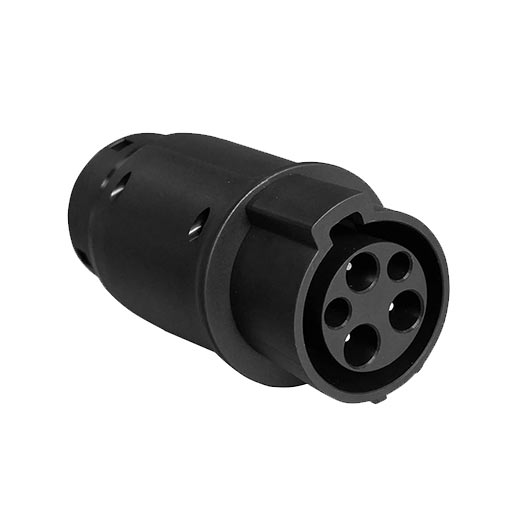
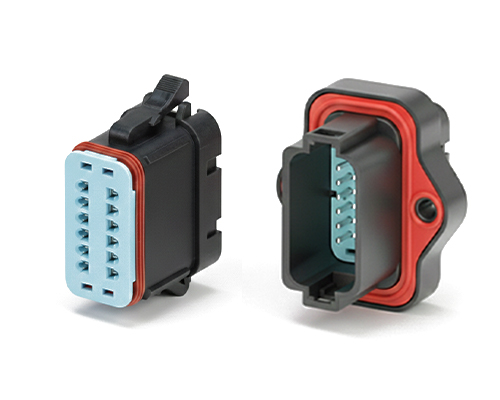
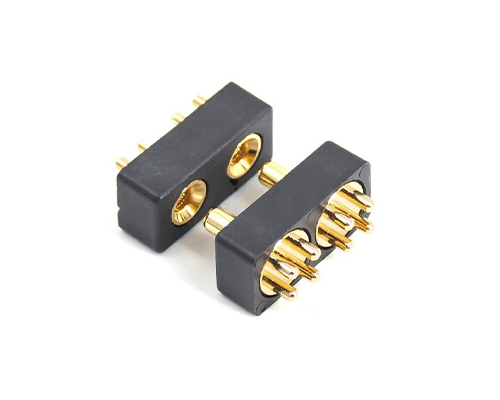
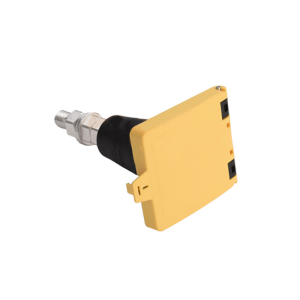
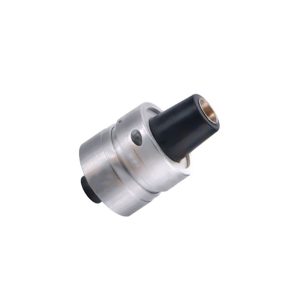
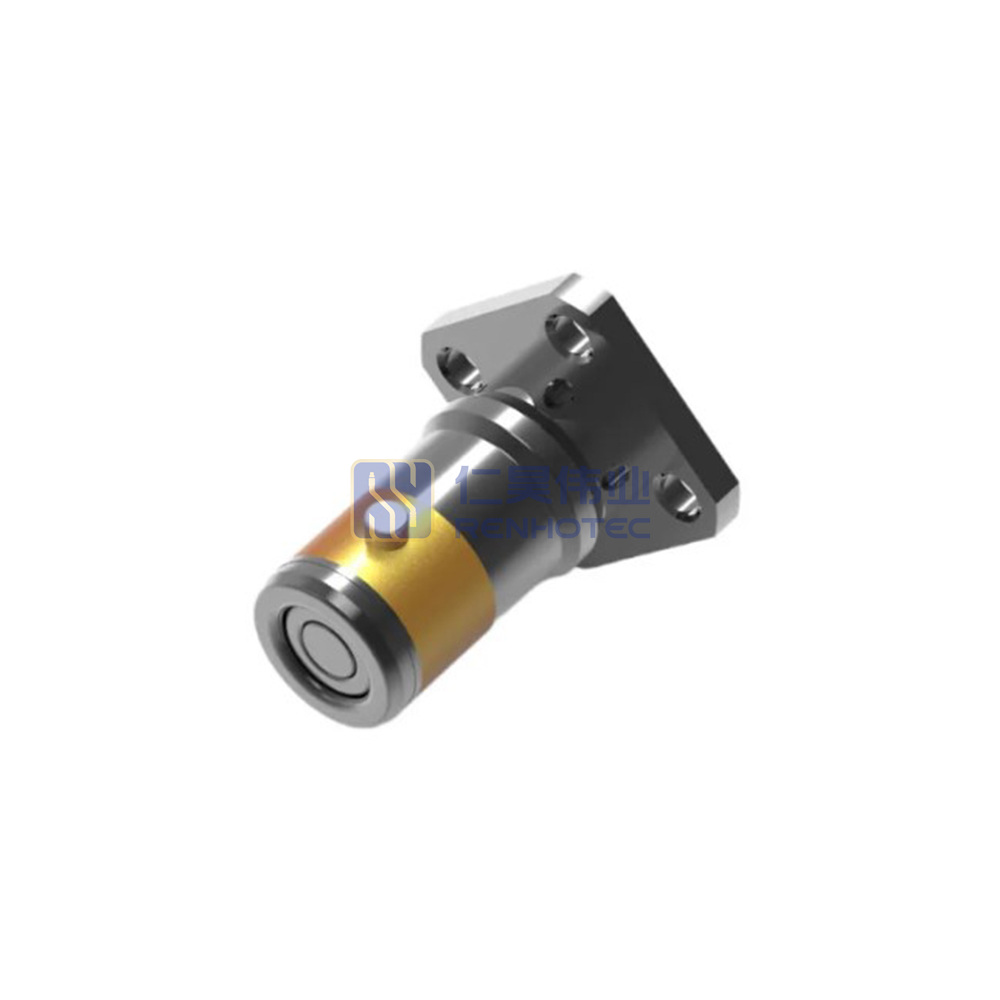
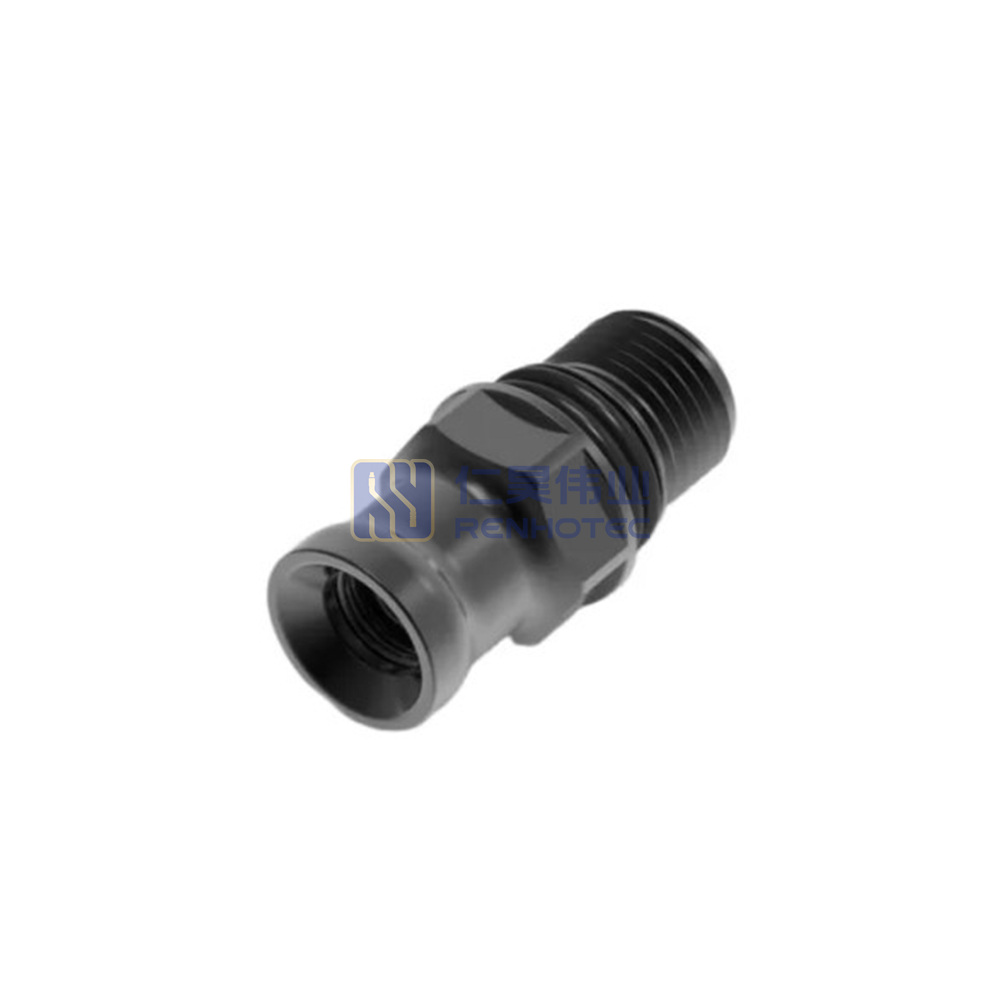
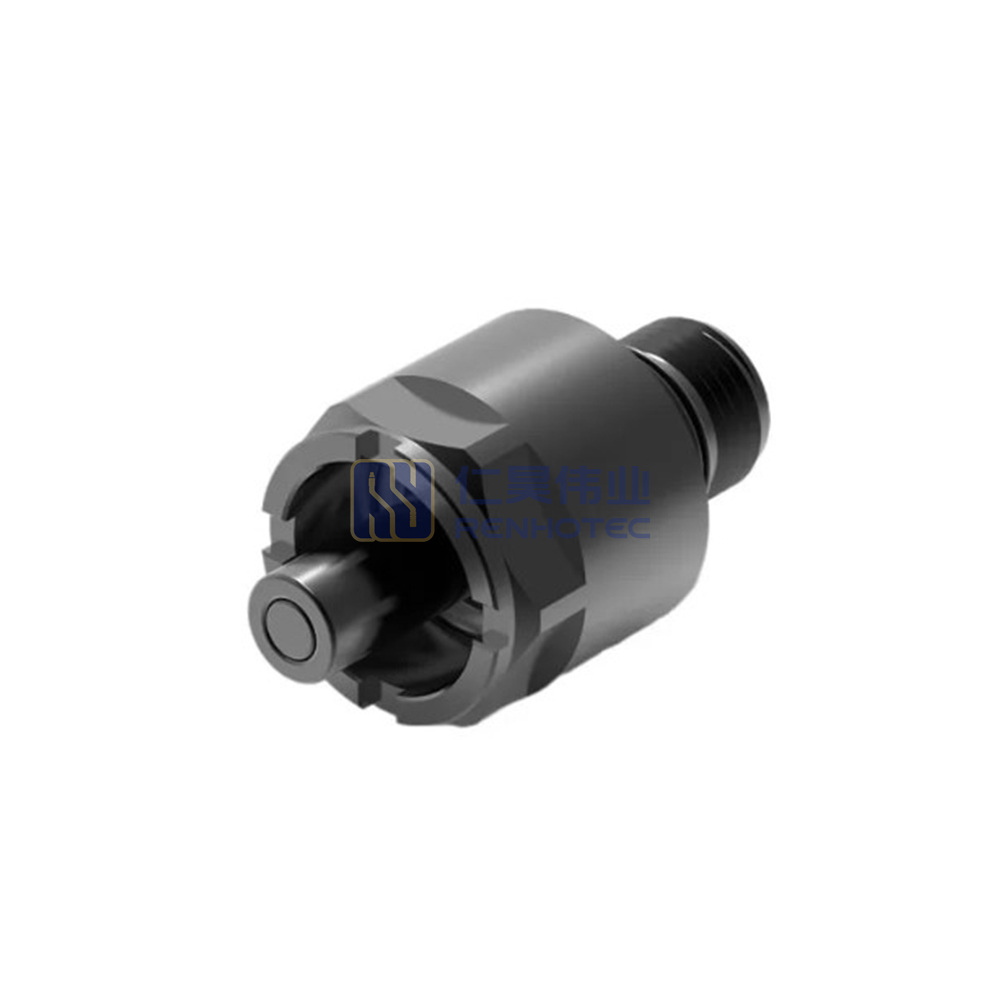
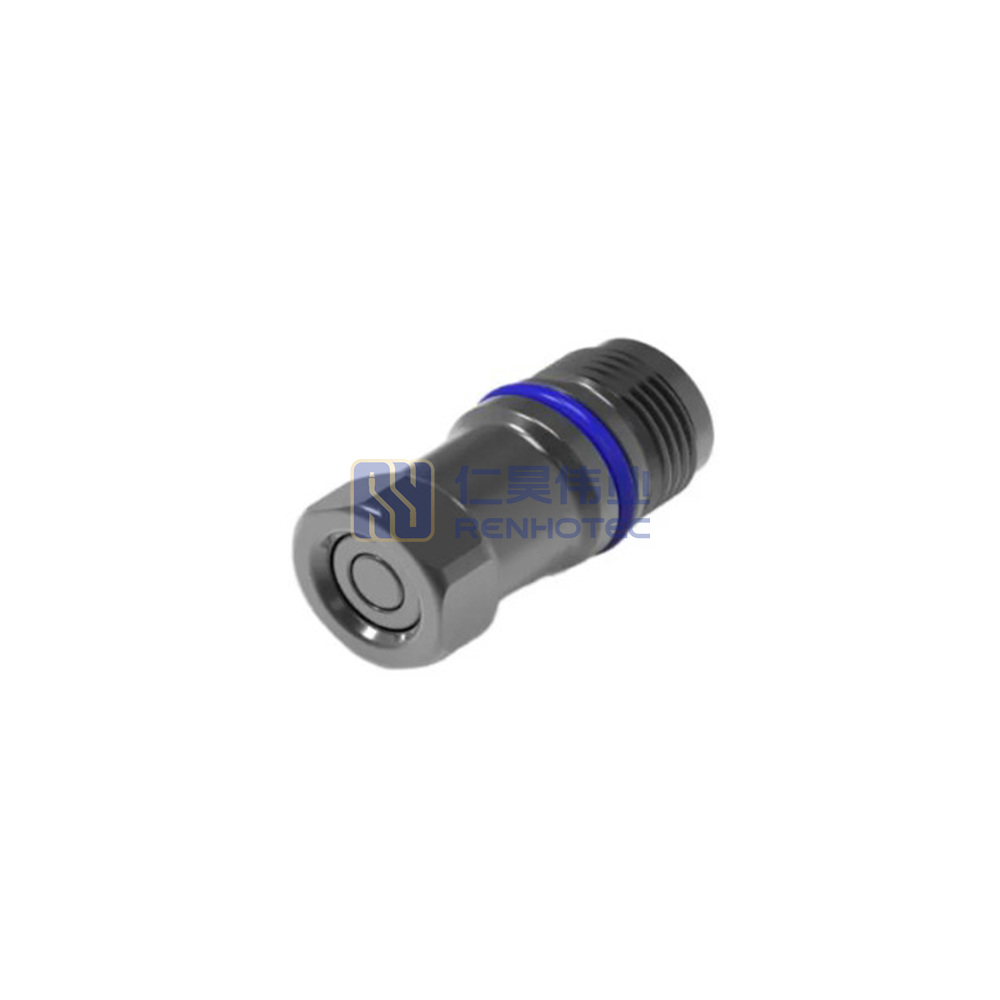
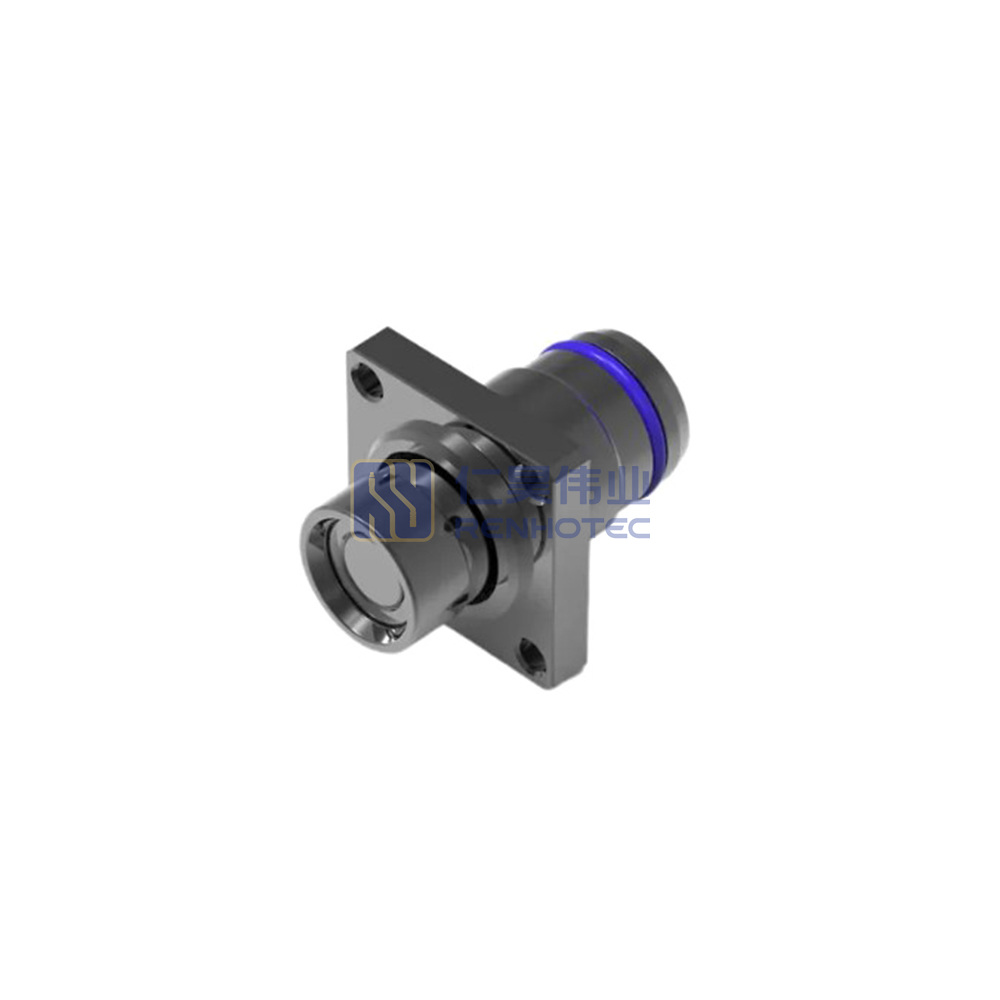
The Rectangular Connector is widely used in aerospace, medical instruments, consumer electronics (such as computers, TVs, game consoles, etc.), industrial control equipment, communication equipment, and automotive electronics. With its reliable connection performance, diverse specifications, and relatively convenient plug-in and unplug operations, it has become an indispensable component in various electronic and electrical applications.
J30J General Connectors and Cable Assemblies
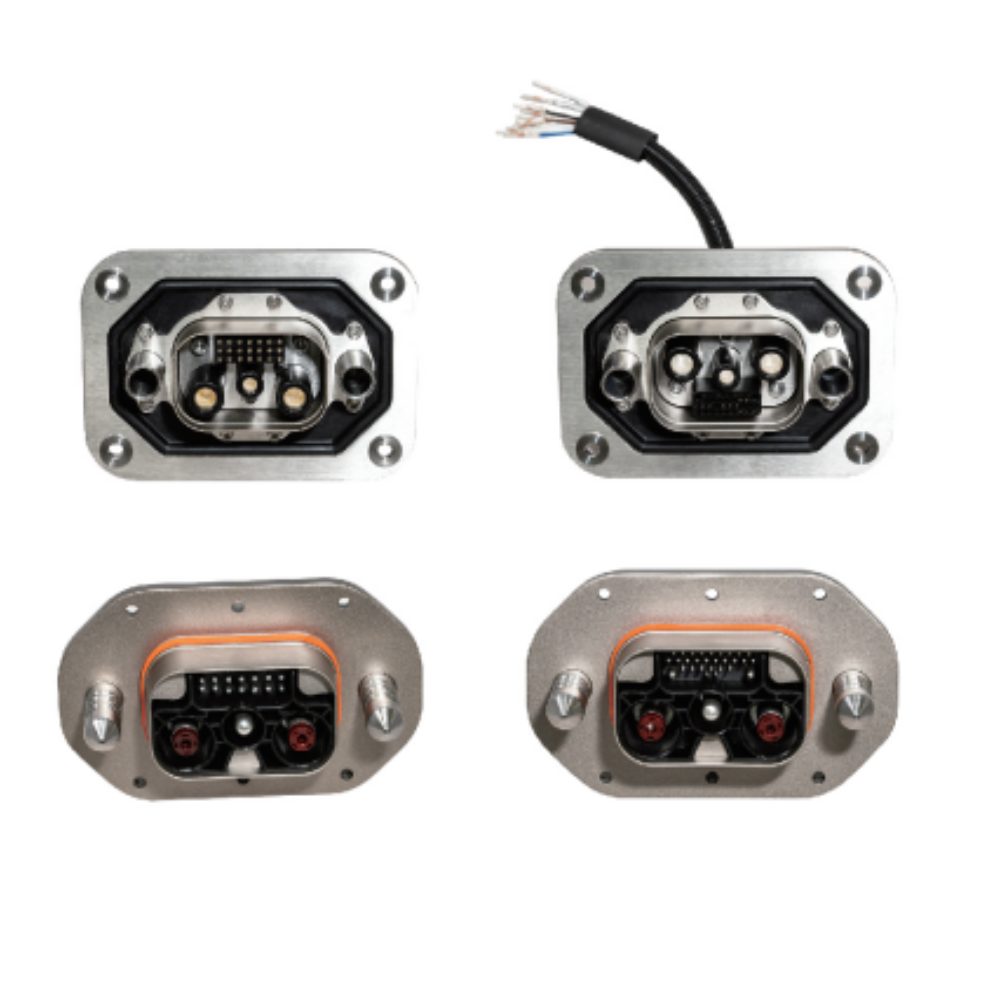
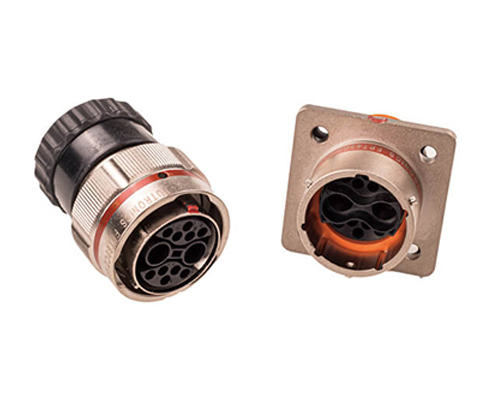
J30J Mixed Current (Hybrid) Connectors and Cable Assemblies
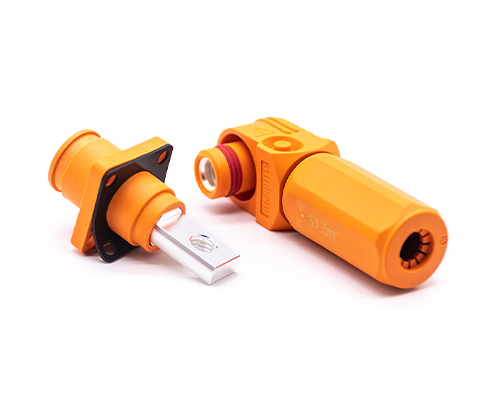
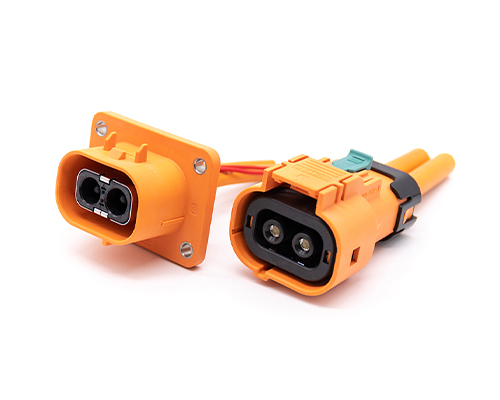
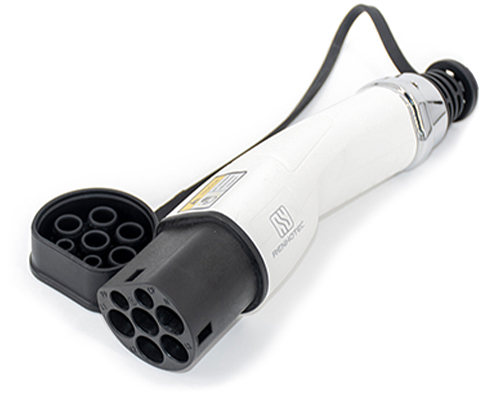
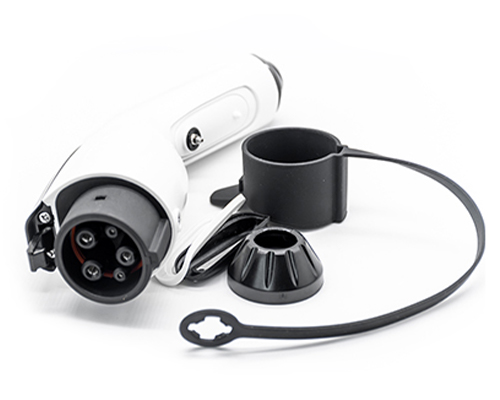
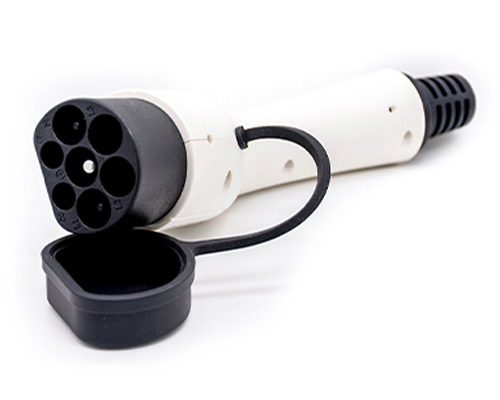
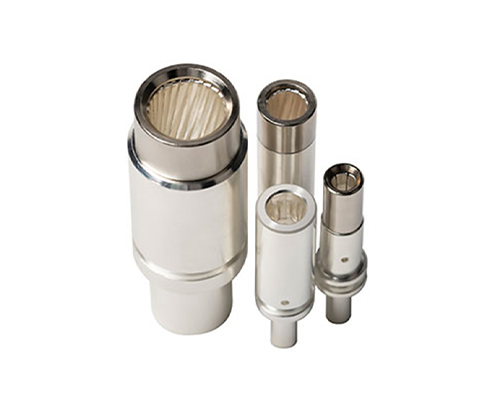
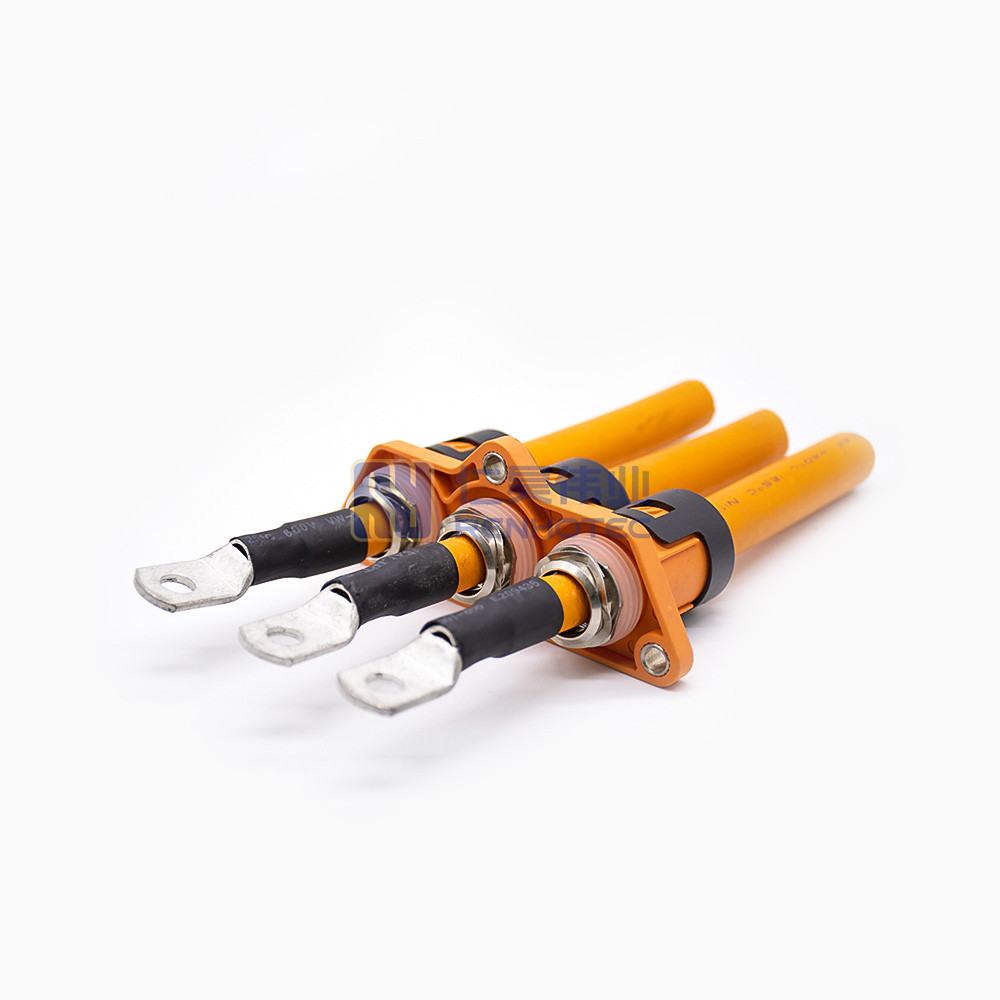
High Voltage Connectors are widely used in EV power systems, renewable energy installations, and industrial high-voltage circuits. Renhotec’s series drives the building of efficient, safe, and sustainable electrical ecosystems, meeting current technological demands.
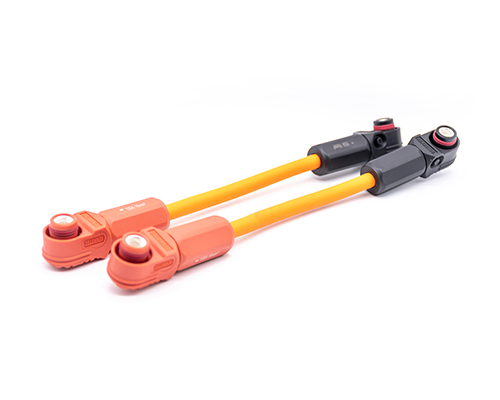
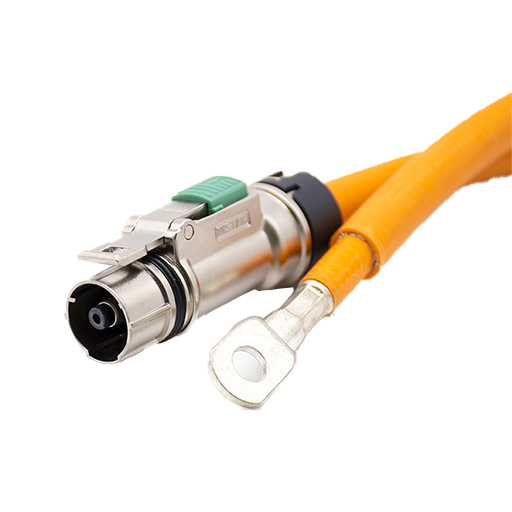
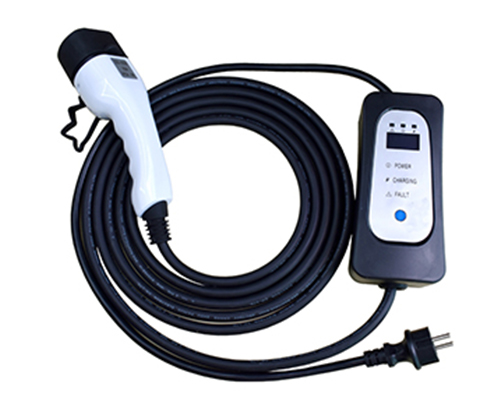
Renhotec EV Cable, crafted with top-notch conductive materials and meticulously engineered insulation, showcases outstanding impedance control and voltage-withstanding properties. Its design combines flexibility and durability to meet a wide array of installation needs. This cable is widely utilized in grid interconnections, large-scale industrial power supply systems, and high-voltage renewable energy projects, enabling smooth and efficient power transmission.
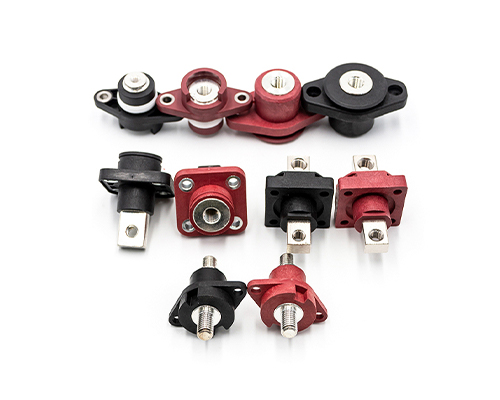
Renhotec, as a professional supplier, offers a comprehensive range of these Signal Transmission Connector products. Whether it is the high-reliability applications of the metal series or the wide adaptability of the plastic series in consumer electronic products, Renhotec can provide customers with high-quality options to meet the diverse requirements of signal transmission connections in different industries and scenarios.
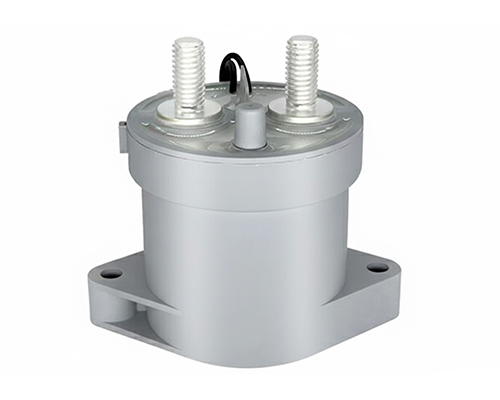
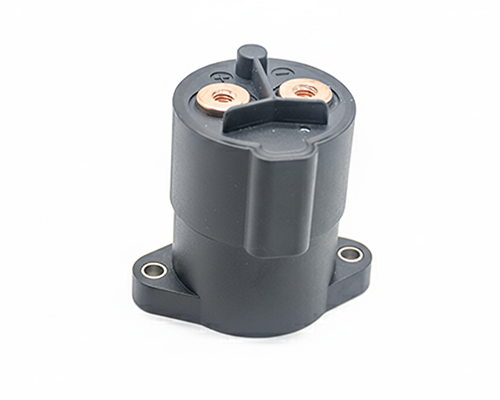
Renhotec, active in electrical components, offers High Voltage DC Contactors in Epoxy Resin Sealing and Ceramic Sealing variants, with a 20A – 1000A current range. The Epoxy Resin Sealing one is cost-effective and protective. The Ceramic Sealing variant excels in thermal stability and insulation. They’re widely used in EV charging, renewable energy grid, and industrial high-voltage DC power distribution for reliable circuit control and current interruption, providing comprehensive solutions for multiple sectors.
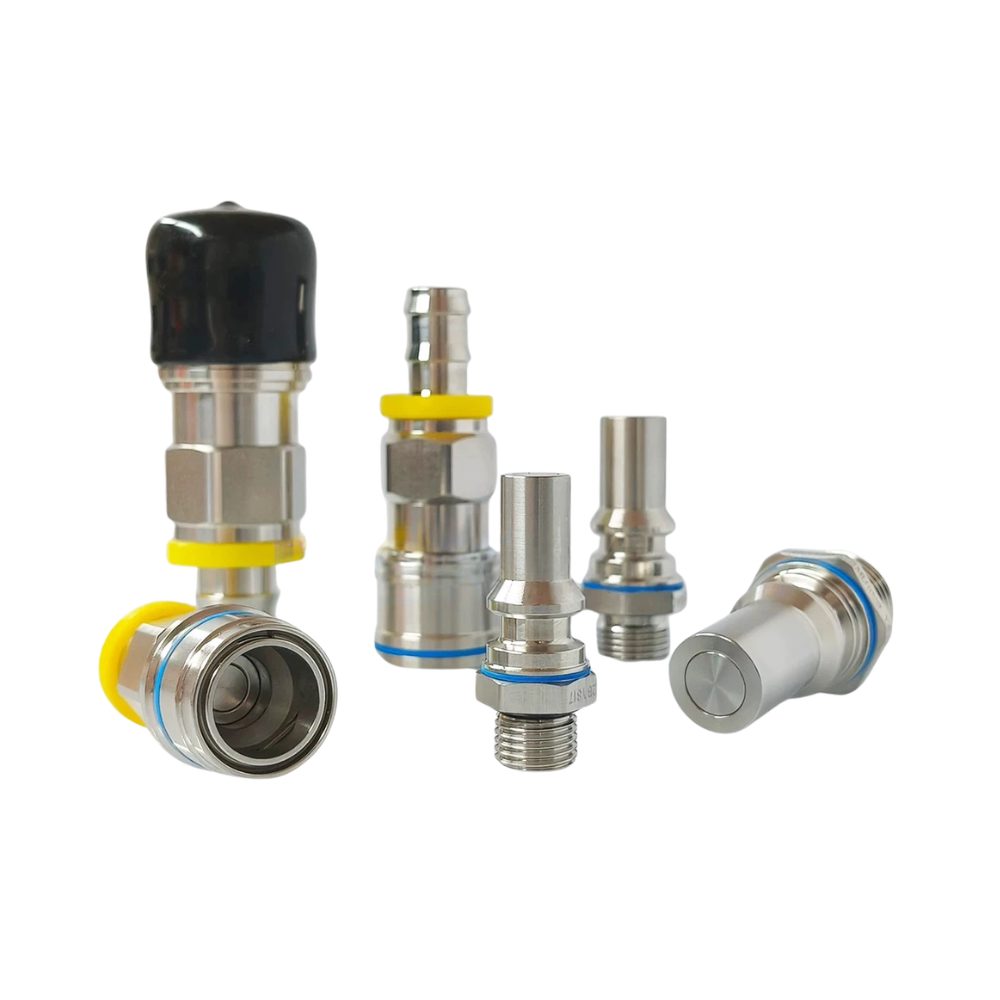
Liquid Cooling Connectors: Types, Features, and Applications
The training and inference of large AI models demand massive computing power, which significantly increases single-chip power consumption. Operating temperature directly impacts performance: when a chip operates near 70-80°C, every 2°C increase can degrade performance by about 10%. As a result, escalating chip power consumption is driving an urgent need for advanced thermal management. Furthermore, the power consumption of next-generation chips like the Nvidia B200 exceeds 1000W, pushing traditional air cooling to its physical limit. At the same time, green initiatives like China’s “Dual Carbon” goals and the “East-to-West Computing” policy enforce strict Power Usage Effectiveness (PUE) limits on data centers, where liquid cooling averages a much lower PUE than air cooling. In terms of Total Cost of Ownership (TCO), cold-plate liquid cooling shares a similar initial investment with air cooling but offers significantly lower ongoing operational costs.
According to Precedence Research, the global AI chip market is expected to grow at a CAGR of 29.72% from 2024 to 2026, while the global network switch market is projected to expand by around 5% year-on-year in 2024. As the market scale for chips, servers, and switches expands alongside escalating thermal requirements, the growth rate of the chip-level cooling market is poised to accelerate.
Large AI models are driving chip power consumption to unprecedented levels. The Nvidia B200, for instance, consumes over 1000W per chip, pushing traditional air cooling to its physical limits. When air cooling can no longer tame these high-power components, liquid cooling becomes the inevitable choice.
Acting as the “critical joints” of a liquid cooling system, high-quality quick-disconnect (QD) connectors are designed to address three major challenges:
Protecting Lifespan and Preventing Performance Drops: Heat is the ultimate killer of electronics. When a chip operates near 70-80°C, every 10°C increase cuts component reliability and lifespan by roughly 50%, often triggering thermal throttling that damages computing power. Reliable connectors ensure unobstructed coolant flow, delivering it precisely to the heat source to maintain peak chip performance.
Meeting Compliance and Energy Standards: Under “Dual Carbon” and green computing initiatives, the PUE of new data centers is strictly capped below 1.3. Traditional air cooling struggles to meet this benchmark, whereas liquid cooling can drop PUE to around 1.1. This demanding threshold requires connectors to feature absolute spill prevention to eliminate the risk of system downtime.
Maximizing Energy Efficiency to Lower TCO: Take a liquid-cooled data center hall with a heat load of 1000kW (1 megawatt) as an example. Dissipating this heat via traditional air conditioning requires roughly 500kW of electricity, whereas a full liquid cooling setup needs only about 30kW—an energy saving of over 90%. While upfront costs are comparable to air cooling, the long-term operational savings of liquid cooling are unmatched.
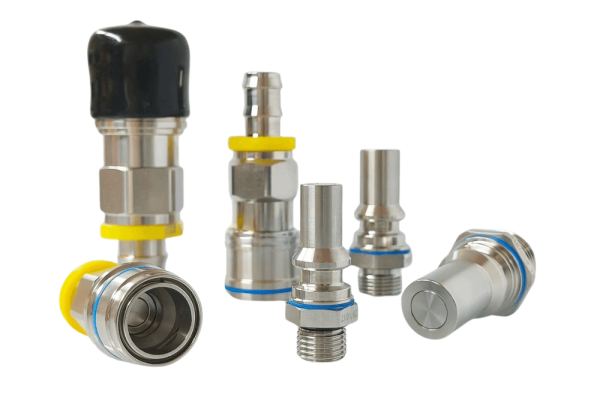
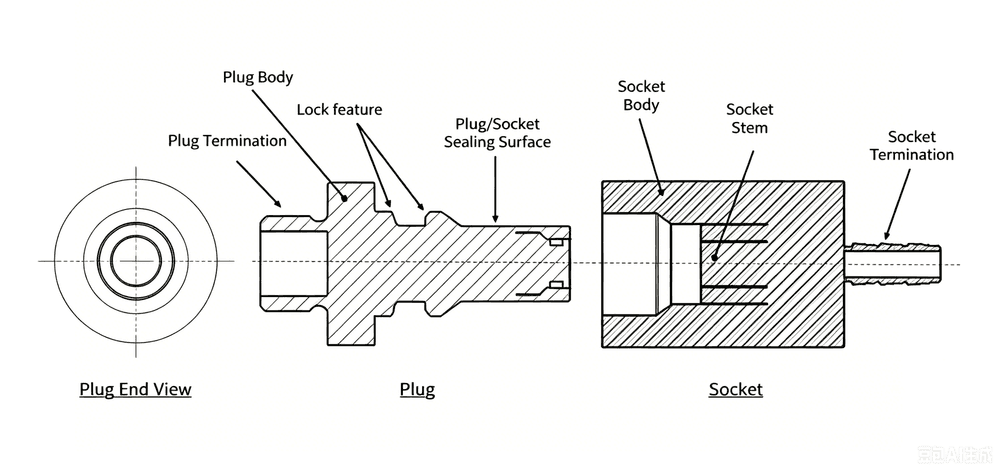
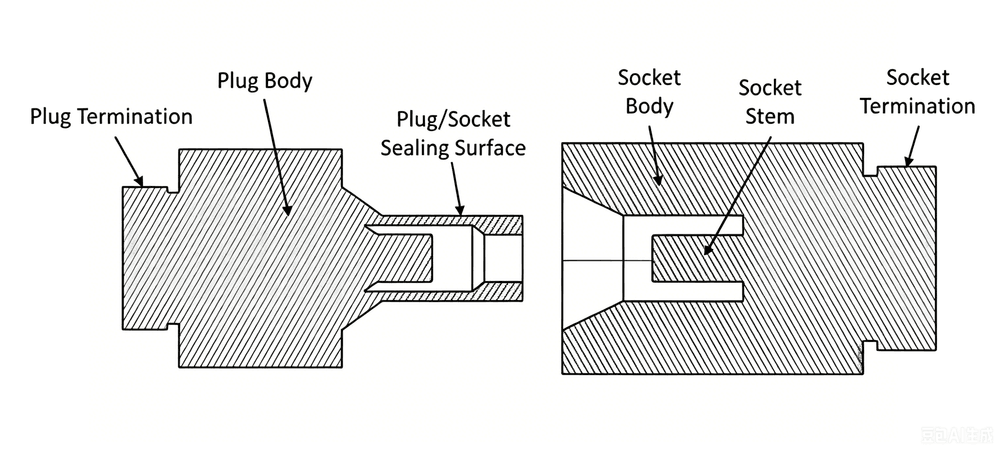
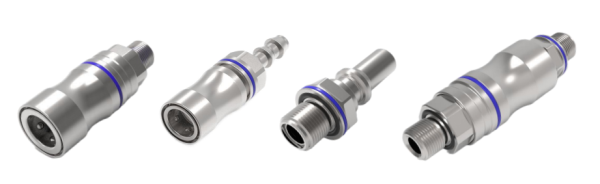
Liquid cooling has become standard practice for high-performance data centers. Particularly in next-generation platforms like the Nvidia GB300 NVL72, the Coolant Distribution Unit (CDU) serves as the core of the secondary-side system, routing precise coolant loops to high-density cold plates. To truly capitalize on its thermal and energy-saving benefits, facilities must rely on high-performance dripless liquid cooling connectors that offer high flow rates, low fluid resistance, and robust spill prevention. These components form the foundation of a safe, efficient cooling architecture. Renhotec provides a comprehensive range of standardized liquid cooling connector series tailored for the automotive, energy storage, and supercomputing industries.
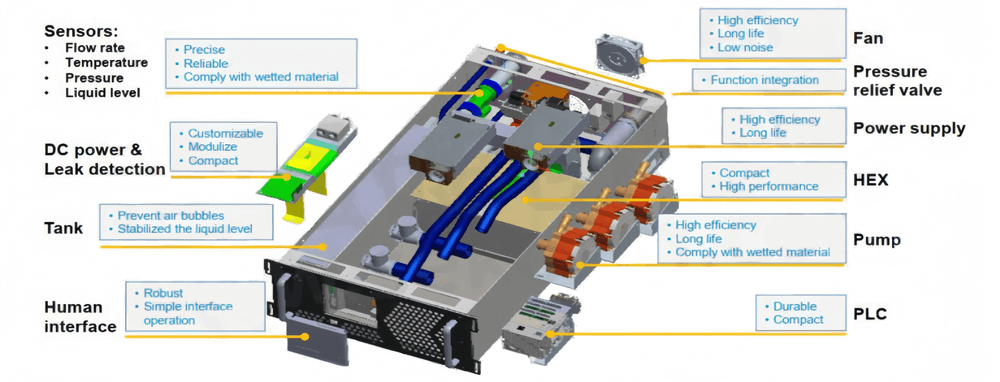
Internal Architecture of a Data Center Coolant Distribution Unit
Core Applications: Cold-plate server liquid cooling in data centers and OCP (Open Compute Project) standardized racks.
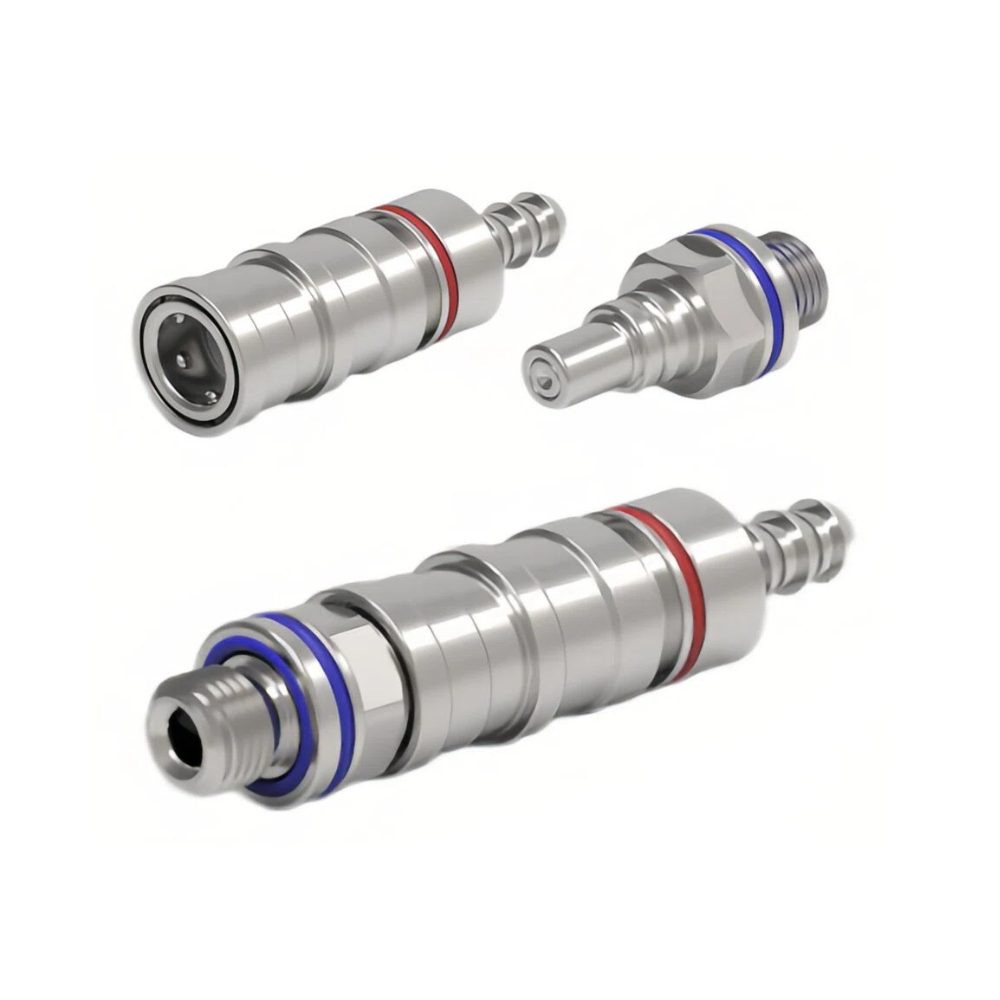
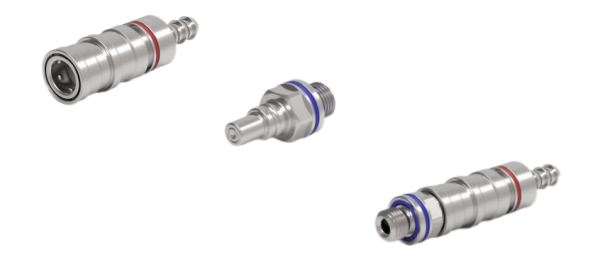
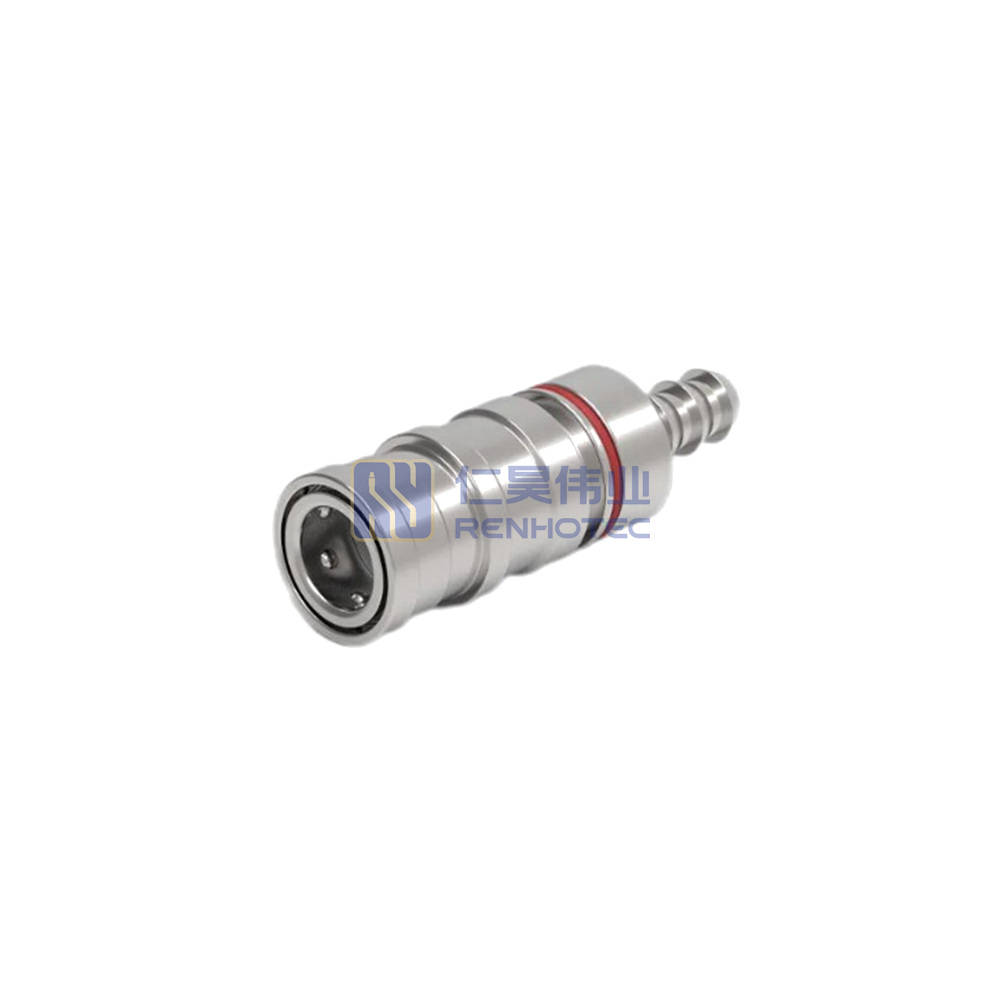
Application Logic: Driven and standardized by OCP specifications, UQD is currently the most widely accepted interface in data center liquid cooling. Its core value lies in standardization and high compatibility, breaking down hardware barriers between different server and cooling system vendors. Featuring a manual push-pull coupling mechanism, UQD allows quick, one-handed locking and disconnection. It integrates flat-face valves to ensure minimal fluid loss during disconnection (dry-break performance). Color-coded red and blue rings provide clear visual distinction between inlet and outlet lines to eliminate misconnection risks. It is primarily deployed at the connection points between the server’s internal cold-plate tubing and the rack manifold.
2. UQDB Series
UQDB Blind Mate Liquid Cooling Connector for Server Rack Hot Swapping
Core Applications: High-density blade servers, full-rack blind-mate liquid cooling (such as manifold-in-rack architectures), and hot-swappable data center nodes.
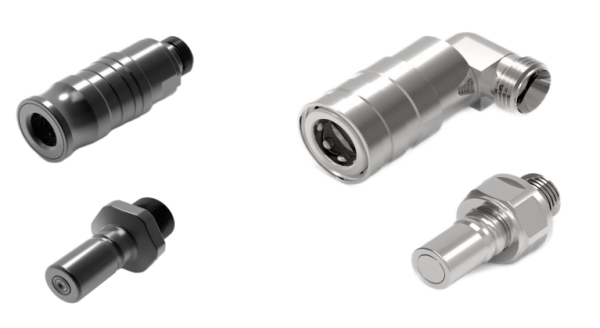
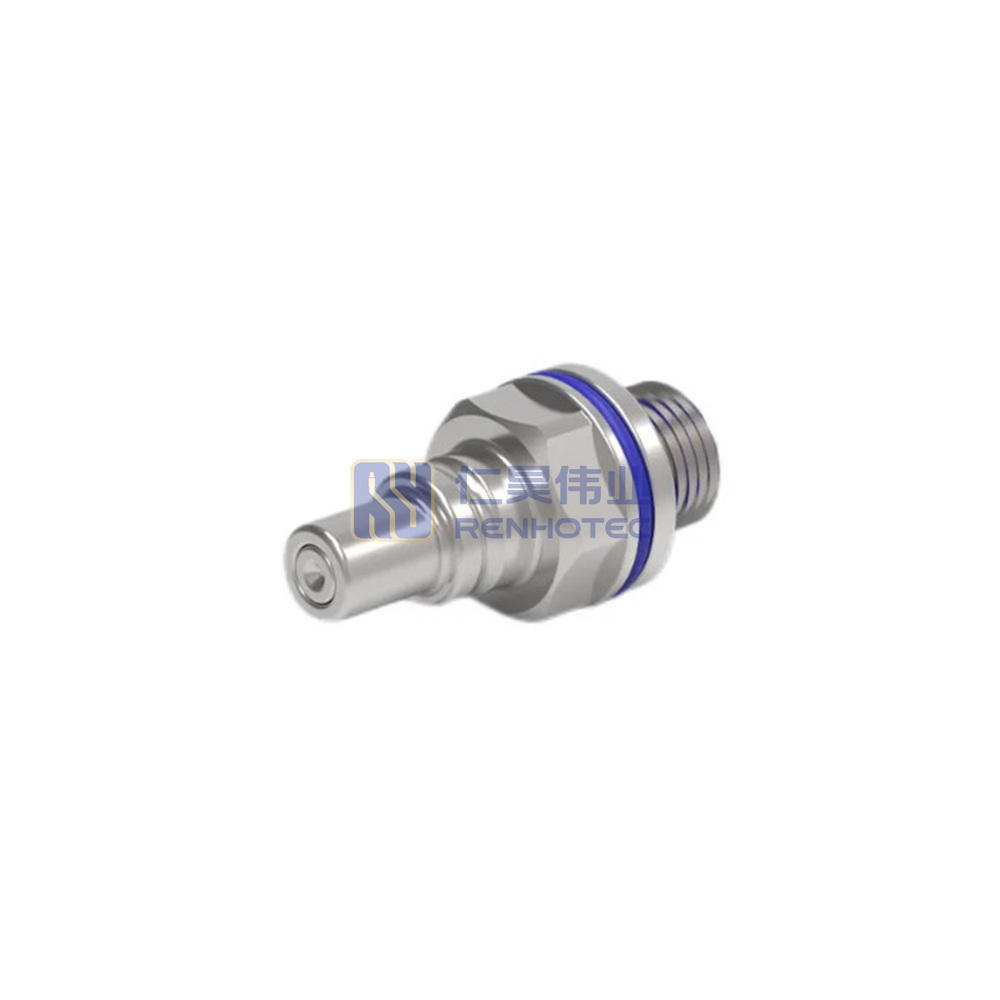
Application Logic: UQDB is an evolution of the UQD design, optimized for automated maintenance and ultra-high-density deployments. Its engineering focus centers on hands-free operation and misalignment tolerance. As a server node is slid into the rack, the UQDB connector leverages its built-in floating and self-aligning structure (offering a radial float of ±1mm) to mate directly with the rear fluid backplane. Technicians do not need to access the back of the rack to manually route lines, making UQDB essential for large-scale, zero-downtime hot-swapping.
3. GUQD Series (Guide / Blind-Mate UQD)
GUQD Blind Mate Liquid Cooling Connector
Core Applications: High-density data centers and blade server backplanes.
Application Logic: The “G” prefix denotes a built-in guide structure designed specifically for blind mating. In liquid-cooled racks, when IT personnel slide a server node into position, the GUQD uses integrated guide pins to automatically self-align and connect with the rear manifold. This removes the need for manual hose adjustments in confined spaces, serving as another cornerstone component for smooth server hot-swapping.
Core Applications: High-Performance Computing (HPC), phased-array radar cooling, and modular energy storage systems (ESS).
Application Logic: Engineered as specialized fluid blind-mating systems, these series place immense emphasis on misalignment tolerance (allowing both axial and radial offsets) alongside absolute dry-break performance during disconnection.
Note: While “BMS” typically stands for Battery Management System in the new energy sector, within the context of liquid cooling hardware, the BMS/BMF series refers to modular fluid connectors designed specifically for high-density integration inside energy storage battery packs.
5. SQD Series (Standard Quick Disconnect / SnapQD)
Core Applications: General industrial thermal management, medical equipment (e.g., MRI water-cooling units), and test benches.
Application Logic: SQD represents a classic, standard quick-disconnect design (similar to the SnapQD lines offered by major global manufacturers). Its primary engineering priorities are high flow rates, low fluid resistance, and low insertion forces. It is ideal for general industrial environments that require frequent, straightforward plug-and-play operations, such as panel-to-panel routing or connecting external cooling sources.
Core Applications: New Energy Vehicles (NEVs, both passenger and commercial), EV battery pack liquid cooling, and high-power liquid-cooled charging stations.
Application Logic: The “A” prefix designates automotive-grade engineering. The AQD series is built to endure harsh vehicular environments and must clear rigorous automotive validation, including high-frequency vibrations, extreme thermal shock, and long-term coolant corrosion. Typically deployed at the inlets/outlets of chassis battery cooling plates and On-Board Charger (OBC) thermal nodes, these connectors prioritize lightweight materials (often stainless steel or aluminum alloy) and secure locking mechanisms to prevent accidental decoupling during transit.
7. Bayonet BNC Series
Bayonet BNC Liquid Cooling Connector
Core Applications: High-vibration environments, specialized industrial cooling, and heavy machinery or test benches with zero tolerance for accidental disconnection.
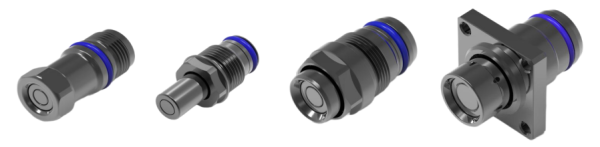
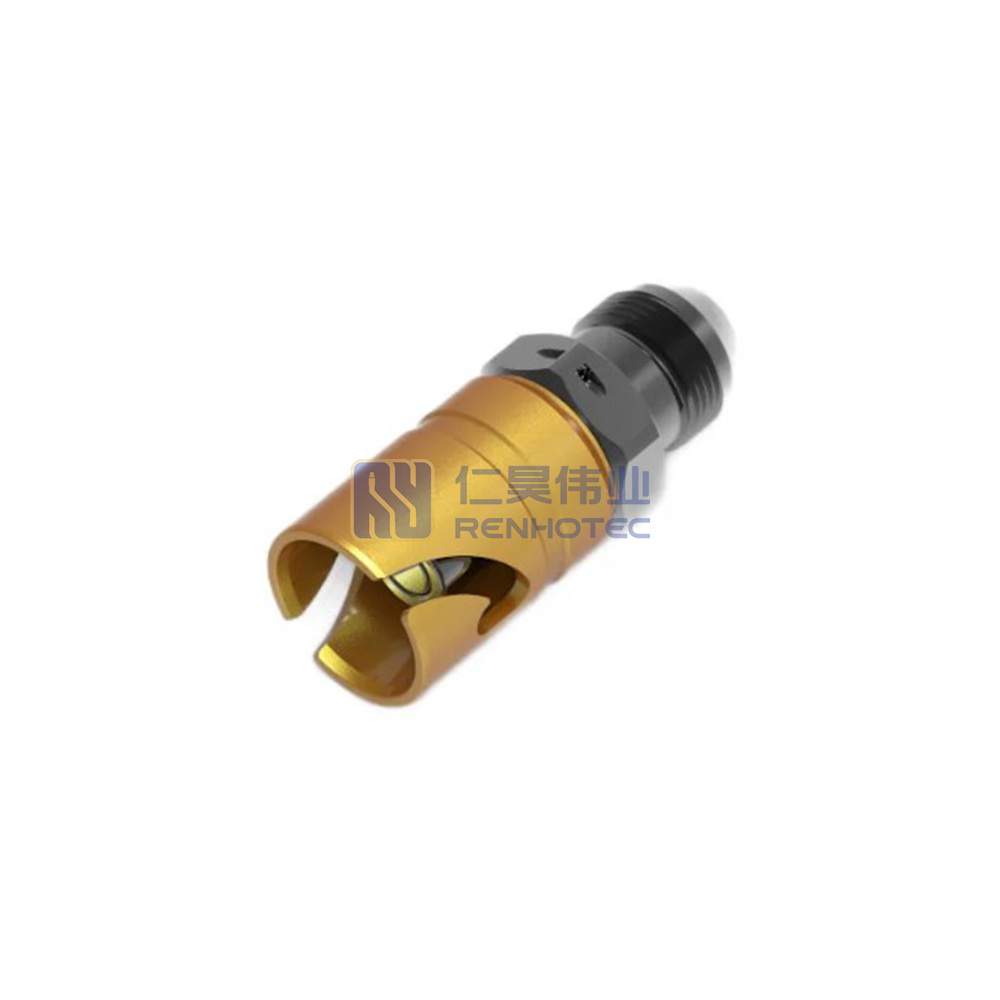
Application Logic: The defining advantage of a bayonet design is its positive, mechanical locking mechanism. Unlike push-pull connectors, an operator must insert and rotate the coupling (typically a quarter-turn) to lock the internal pins completely in place. This heavy-duty structure withstands high tensile forces and violent vibrations without backing out, while providing distinct tactile feedback when fully engaged. It is highly suited for rugged environments or safety-critical industrial applications.
Quick Comparison of the 7 Connector Series
Series Name
Core Application
Coupling Mechanism
Key Advantages
UQD
Data centers, cold-plate lines
Manual Push-Pull
OCP industry standard, highly interchangeable
UQDB
High-density racks, blade servers
Self-aligning blind-mate
Supports hot-swapping for zero-downtime automated O&M
GUQD
Blade server backplanes
Guided blind-mate
Integrated guide pins for precise blind mating
BMF / BMS
Energy storage packs, radar systems
Modular blind-mate
High misalignment tolerance, superior leak prevention for high-density integration
Automotive-grade; resists extreme temperatures, vibration, and corrosion
Bayonet BNC
Heavy machinery, high-vibration environments
Mechanical rotation lock
Positive mechanical locking for ultimate vibration and decouple resistance
FAQ
Q1: Which series can be used as megawatt charging system liquid-cooled connectors?
Four of these seven series function perfectly as megawatt charging system liquid-cooled connectors, each serving a specific role across different infrastructure nodes:
AQD (Automotive Grade) — The Core Workhorse: Deployed at the mid-way connection points of the liquid-cooled charging cables and at the cooling inlets/outlets of commercial EV or heavy-duty electric truck battery packs. Megawatt charging subjects the vehicle and cables to demanding conditions; AQD’s automotive-grade vibration resistance and extreme temperature tolerance make it irreplaceable here.
UQD (Data Center Standard) & SQD (General Industrial) — The Charger-Side Support: Installed inside the power electronics cabinet of split-type megawatt charging stations. These cabinets house massive power modules that generate heat comparable to a small data center. UQD and SQD deliver the high flow rates, low fluid resistance, and strict leak prevention required to keep the charging station infrastructure cool.
BMF / BMS (Modular Blind-Mate) — High-Density Vehicle Integration: Integrated inside the ultra-high-capacity battery packs of commercial EVs or electric trucks designed for megawatt charging. Charging at such extreme power levels triggers rapid temperature spikes; the high tolerance compensation and excellent leak proofing of the BMF/BMS series make it a perfect fit for high-density, blind-mated battery pack cooling layouts.
Q2: Which series are dripless liquid cooling connectors?
Strictly speaking, all seven series feature fluid shut-off or spill-resistant capabilities, but they differ in how close they get to a true “dripless” standard:
True Dripless (Flat-Face Design): UQD, UQDB, GUQD, and BMF/BMS are truedripless liquid cooling connectors. These series utilize advanced flat-face valves. When disconnected, the flush mating surfaces leave virtually no cavity for fluid to accumulate. Only a microscopic film remains on the surface. They are the premium choice for data centers and energy storage blind-mating systems where dry-break performance is non-negotiable.
Standard Fluid Shut-Off (Double Shut-Off Valve Design): AQD, SQD, and Bayonet BNC. These series incorporate internal, spring-loaded poppet valves. The valves snap shut instantly upon disconnection to block fluid flow. While a tiny drop or residual trace may escape from the interface zone during unmating, they provide reliable safety for scenarios without cleanroom-level requirements.
Q3: Which series support blind mating?
Three series feature built-in alignment compensation or guide structures, making them ideal for high-density internal layouts where direct line-of-sight is impossible:
UQDB: The standard for full-rack data center blind mating, supporting hot-swappable server nodes.
GUQD: Equipped with integrated guide pins for higher positioning accuracy, frequently used on blade server backplanes.
BMF / BMS: A modular fluid blind-mating system offering generous tolerance compensation, specifically built for high-density integration in energy storage battery packs or radar arrays.
Q4: Which series offer vibration and decouple resistance?
AQD (Automotive-Grade Resistance): Tailored for EV chassis and charging infrastructure, its reinforced latch mechanism withstands high-frequency road vibrations and extreme thermal shocks, preventing accidental decoupling.
Bayonet BNC (Positive Mechanical Lock): This series offers the highest level of locking security. It utilizes a mechanical twist-to-lock pin system (requiring a manual quarter-turn to engage or disengage) to establish a positive mechanical lock. This makes it the go-to solution for heavy machinery or specialized high-vibration operating conditions.

 Deutsch