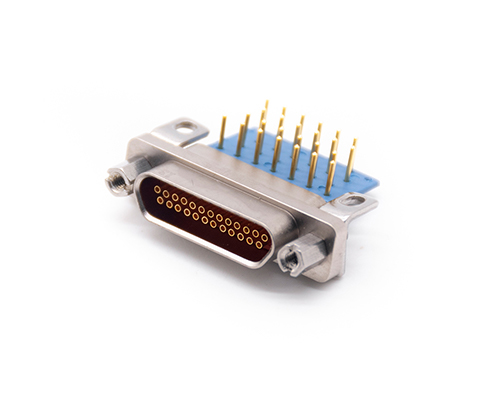
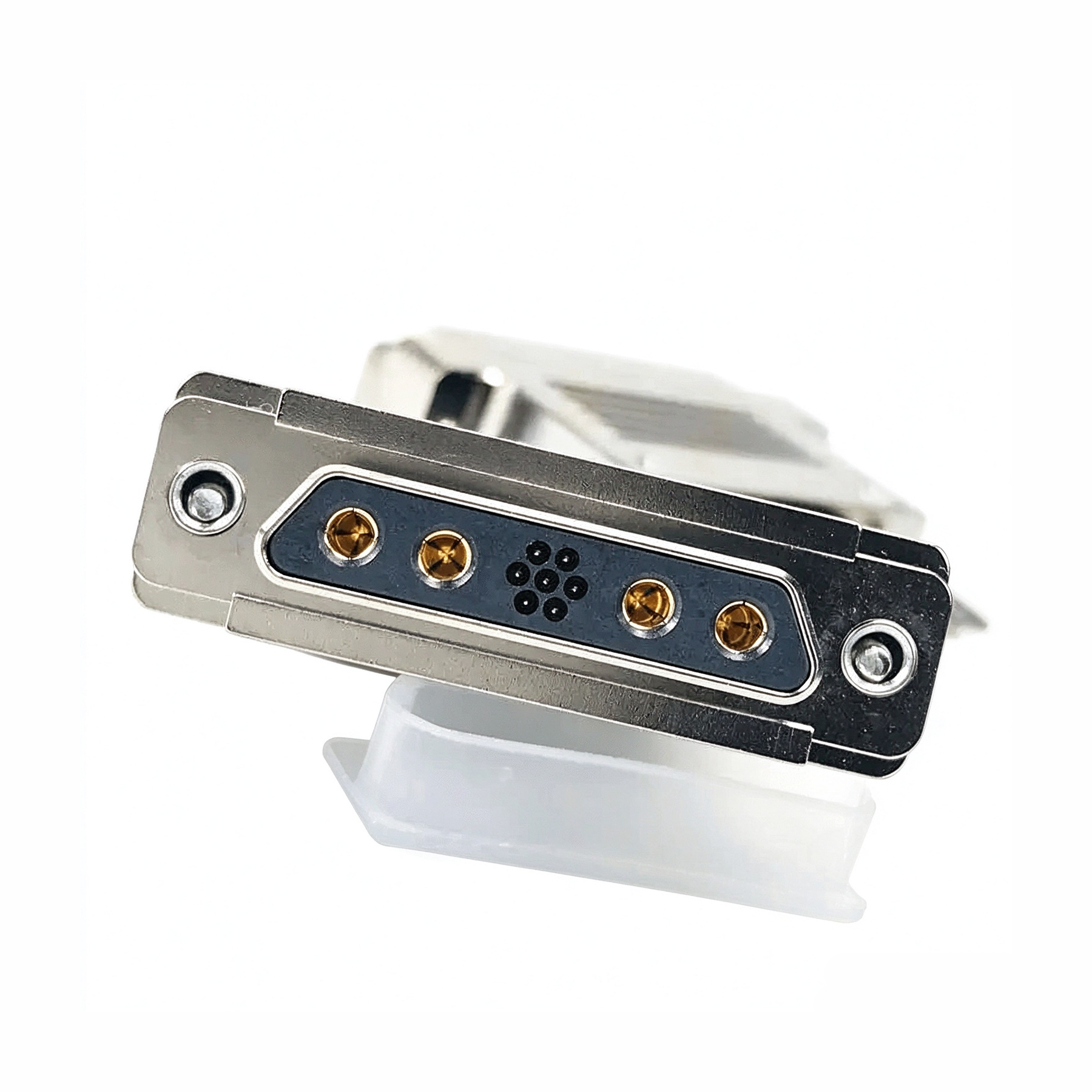
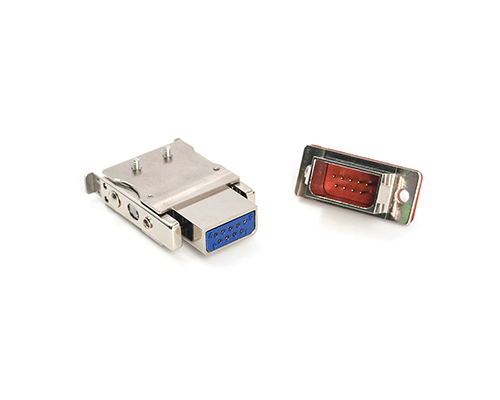
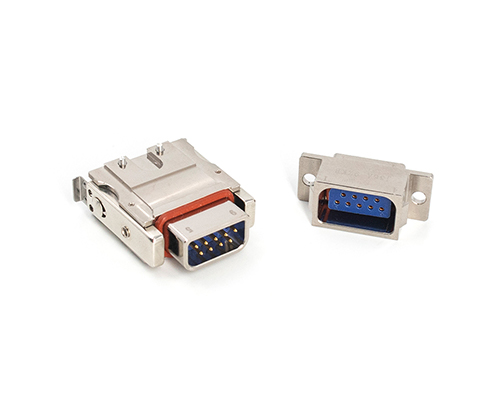
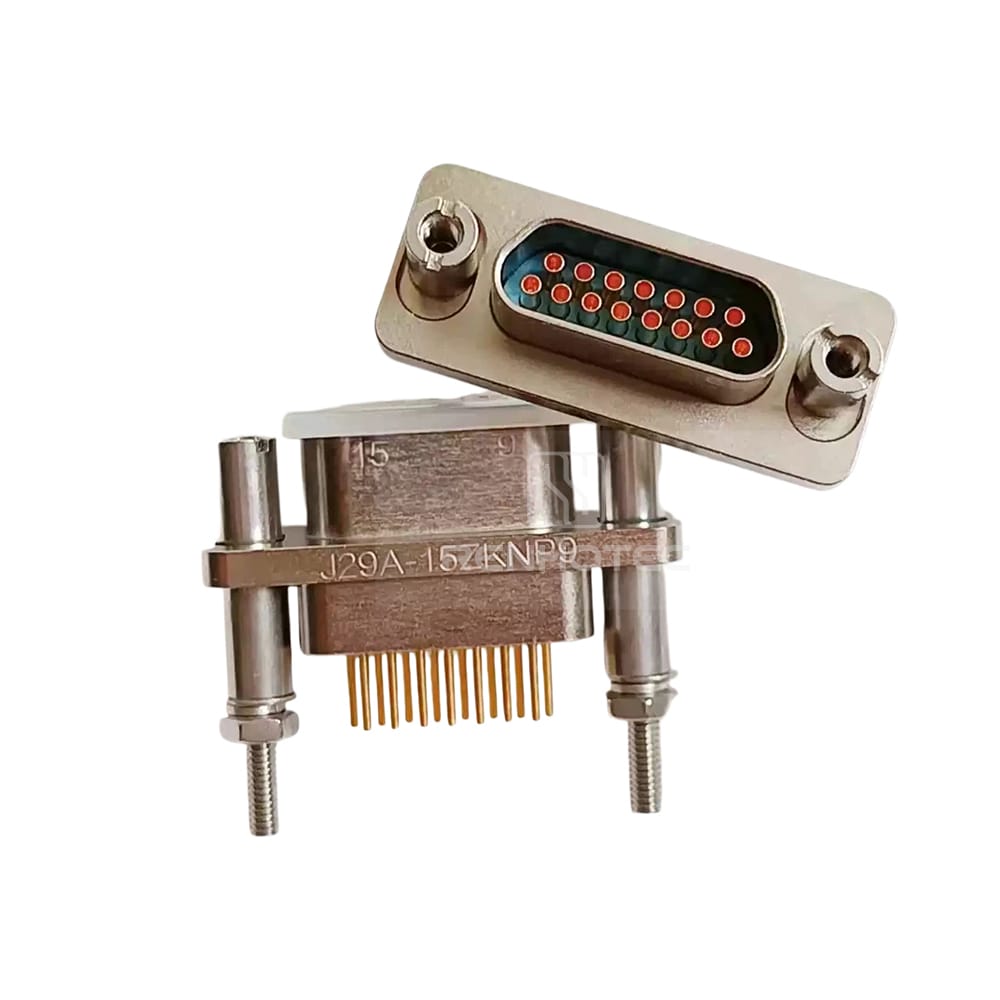
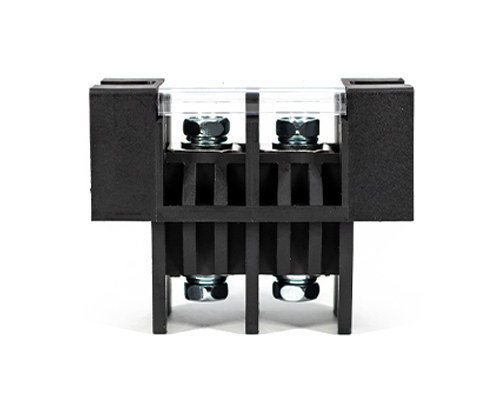
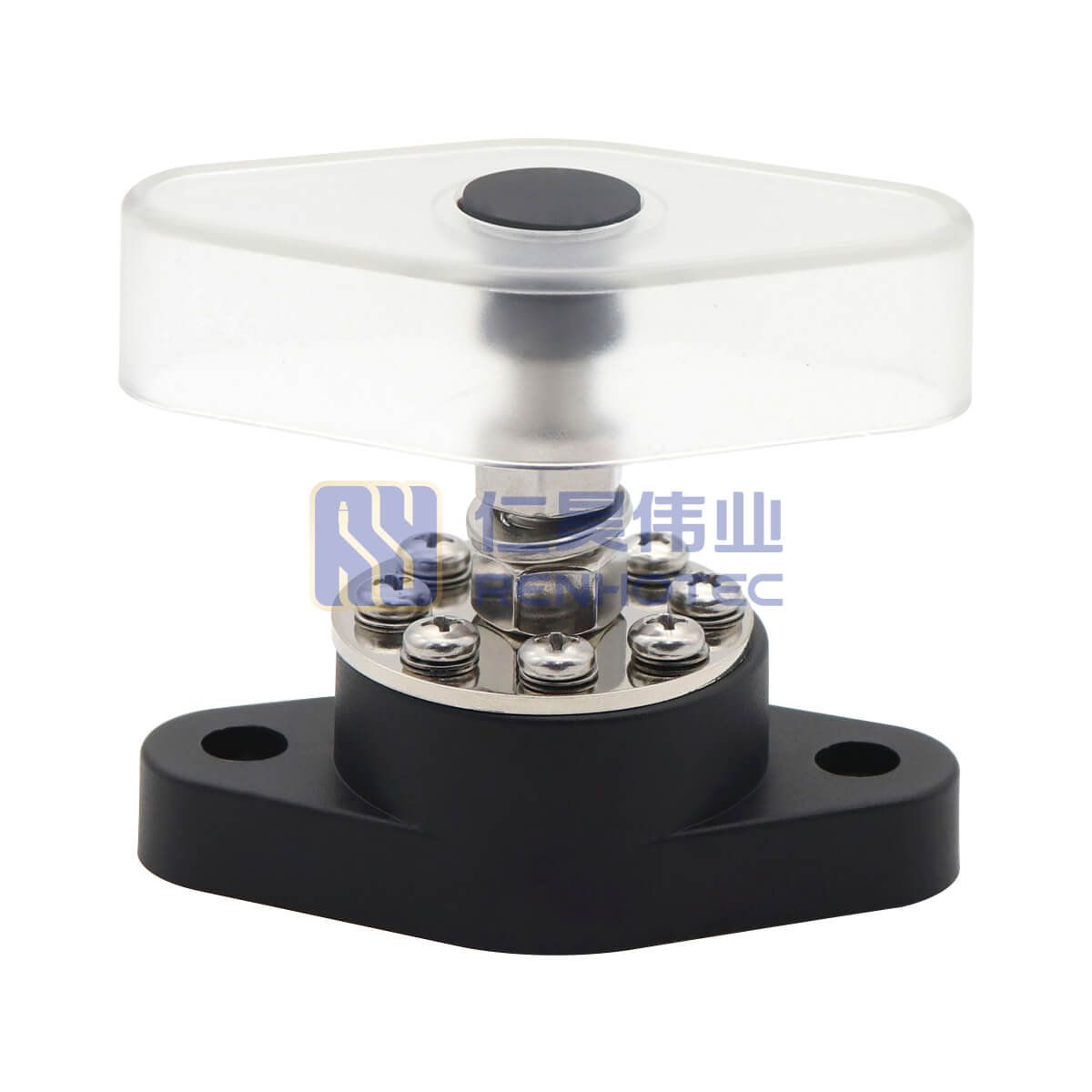
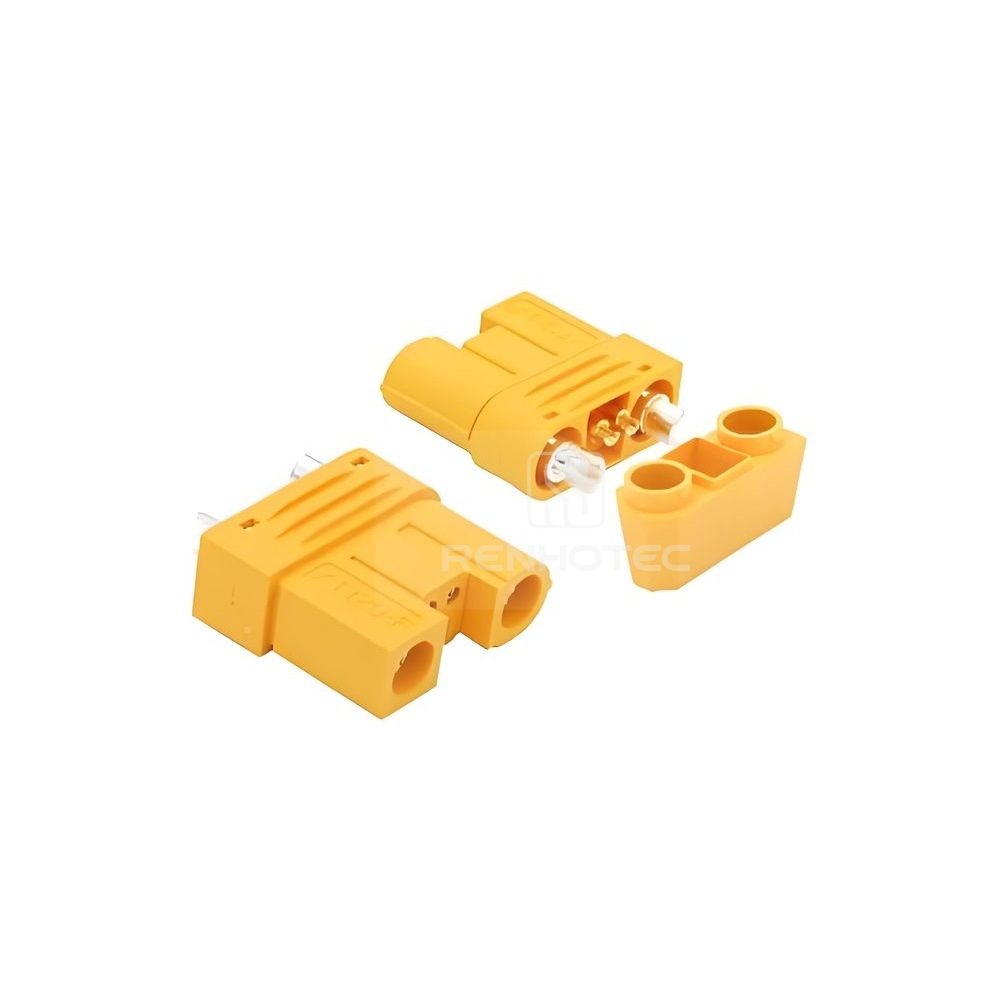
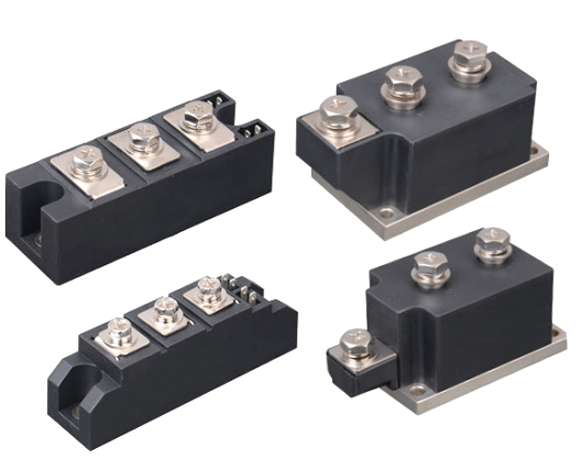
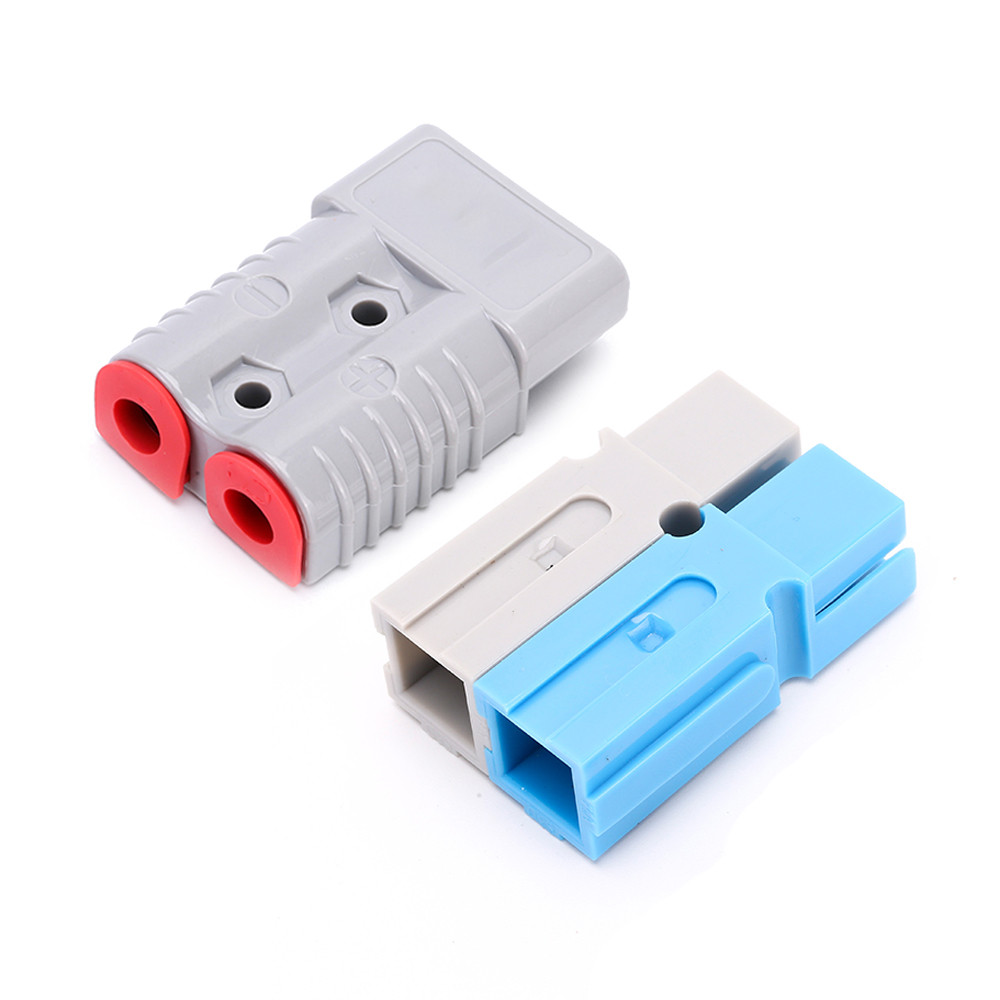
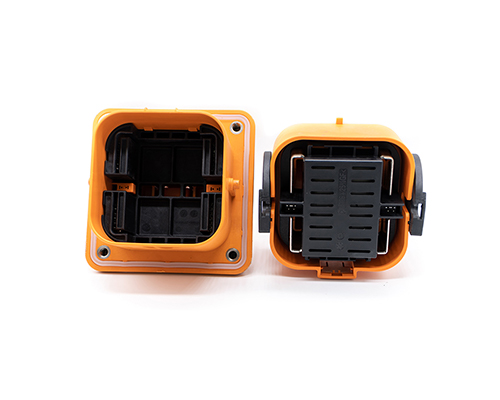
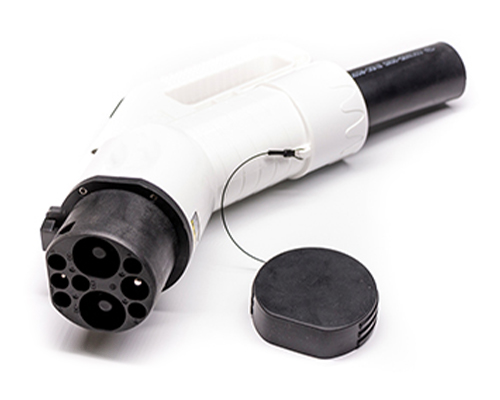
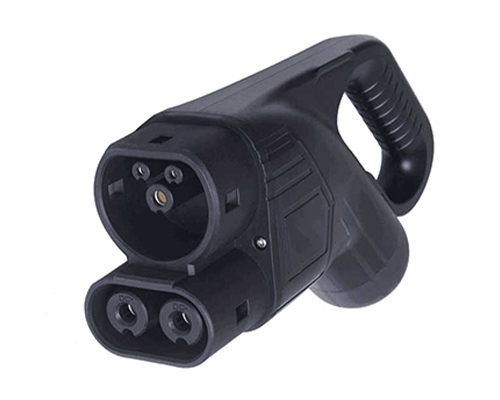
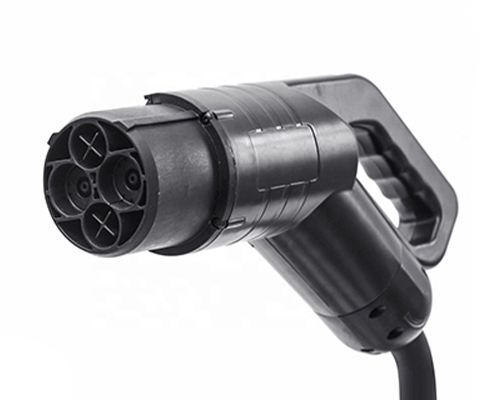
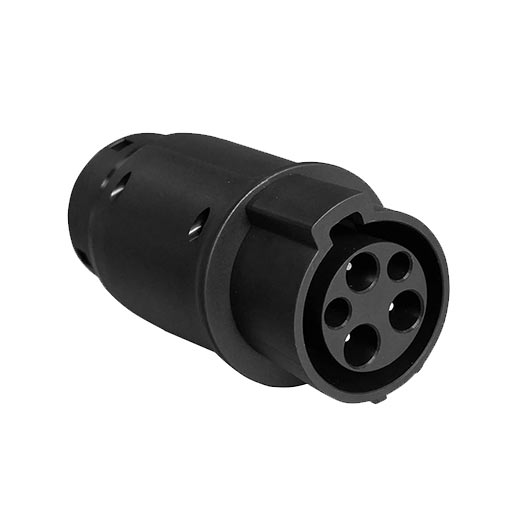
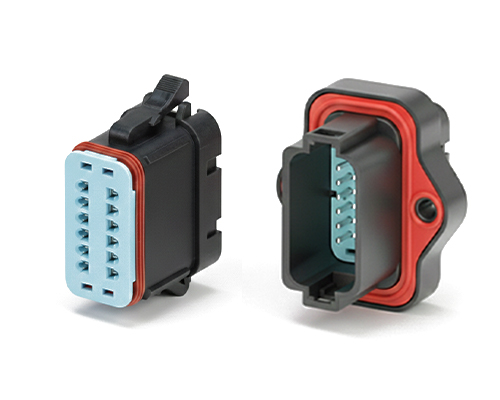
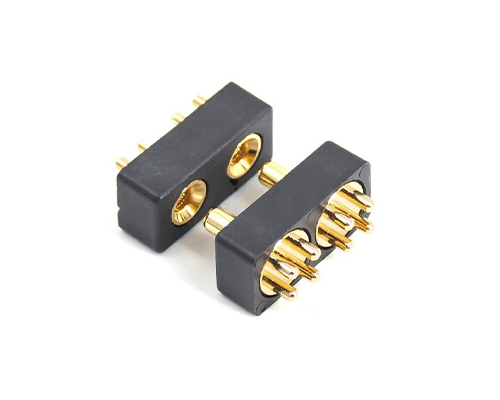
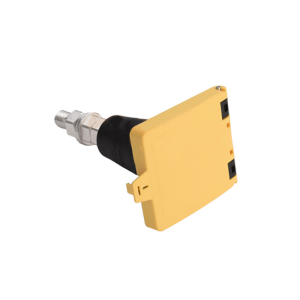
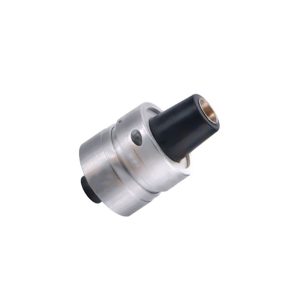
The Rectangular Connector is widely used in aerospace, medical instruments, consumer electronics (such as computers, TVs, game consoles, etc.), industrial control equipment, communication equipment, and automotive electronics. With its reliable connection performance, diverse specifications, and relatively convenient plug-in and unplug operations, it has become an indispensable component in various electronic and electrical applications.
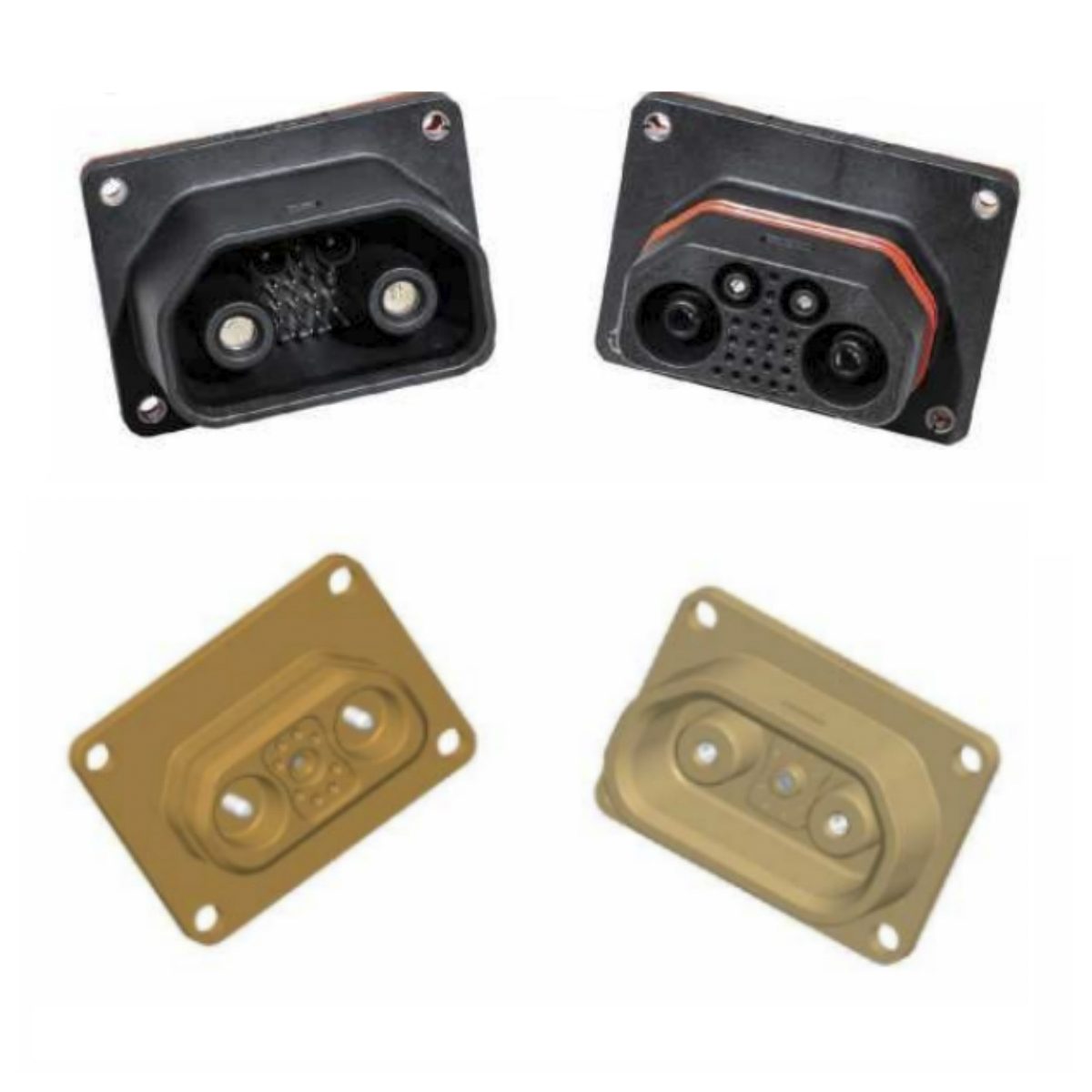
J30J General Connectors and Cable Assemblies
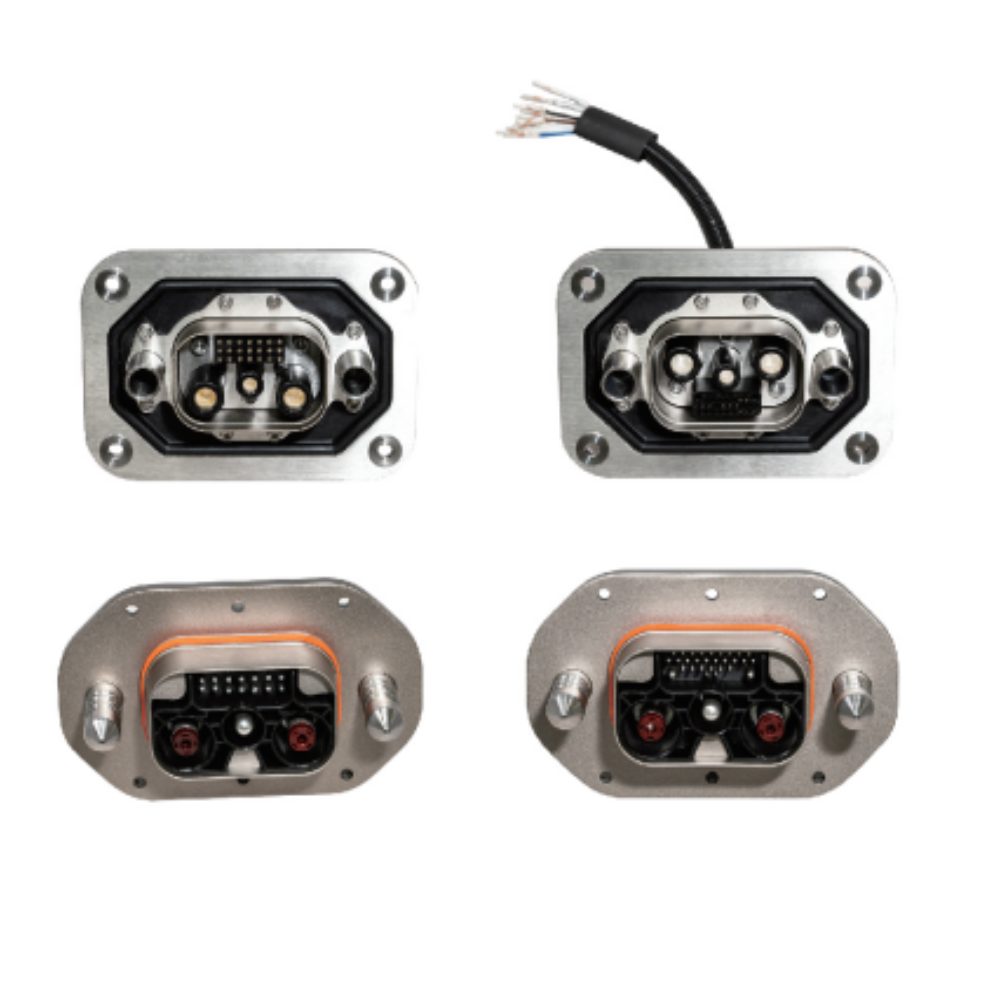
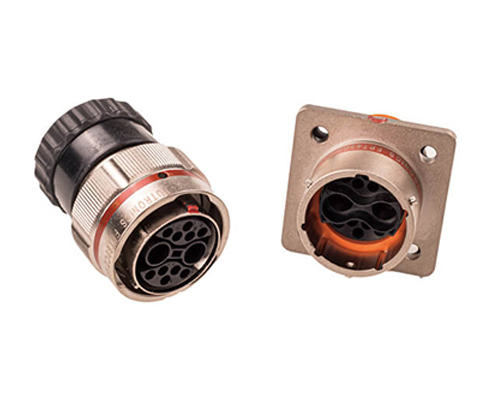
J30J Mixed Current (Hybrid) Connectors and Cable Assemblies
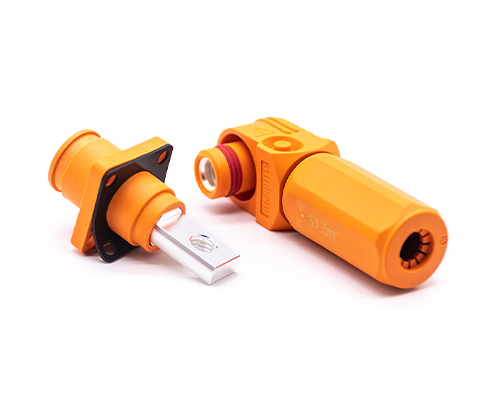
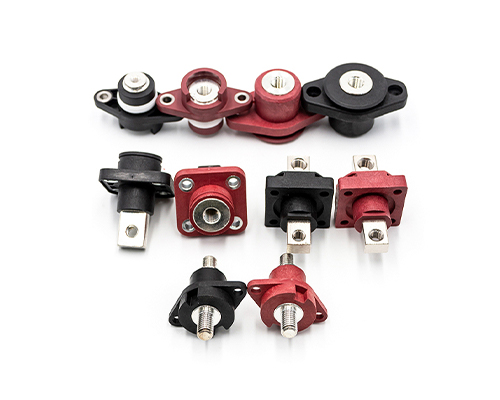
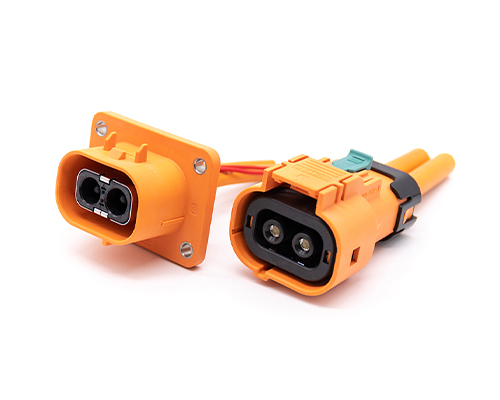
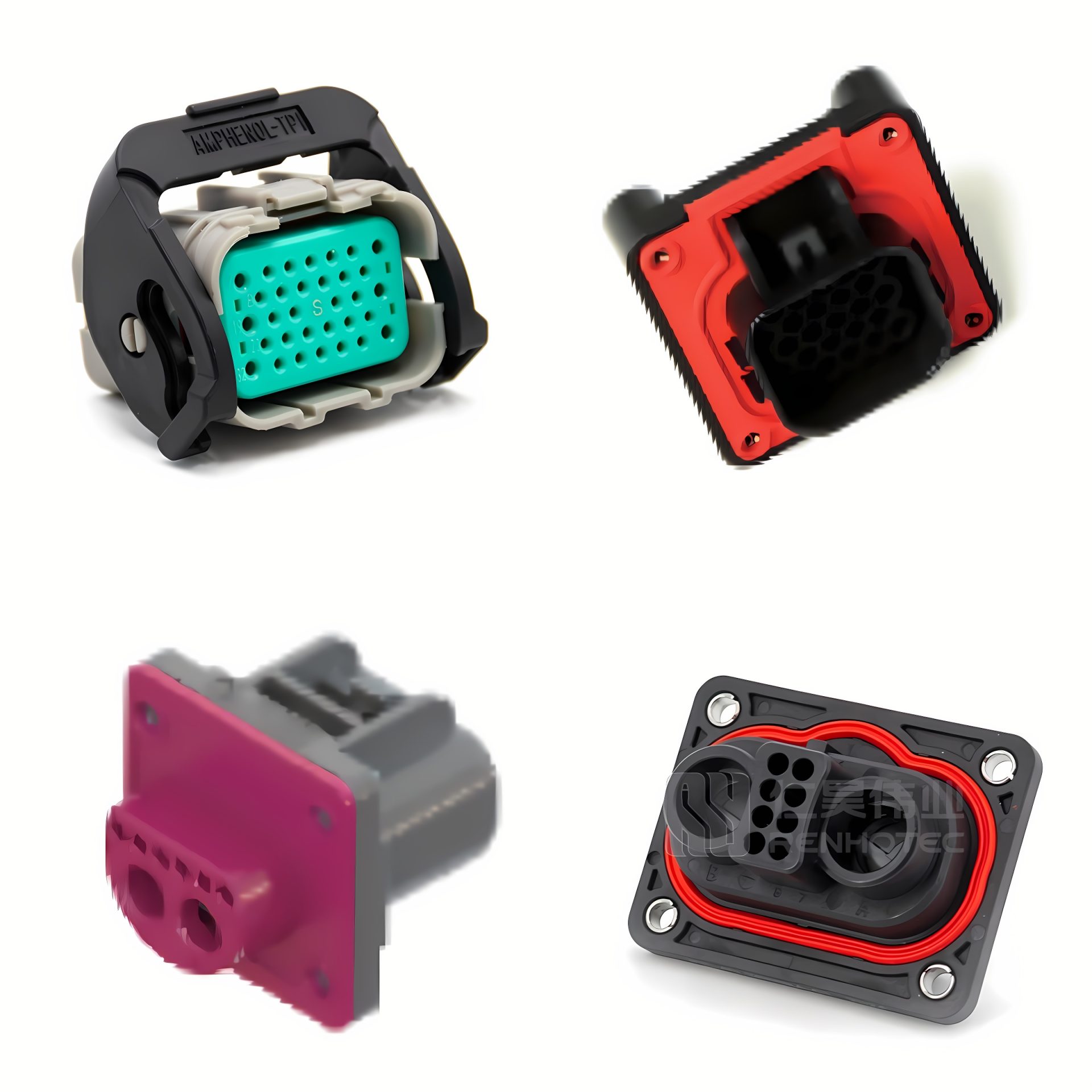
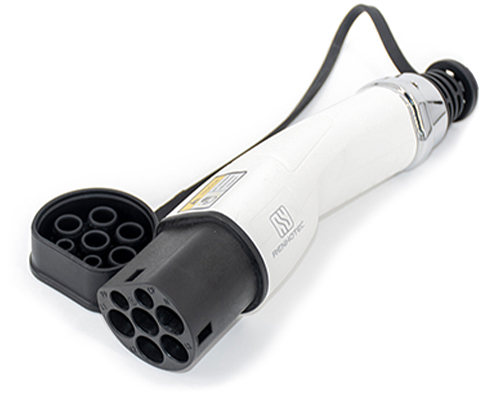
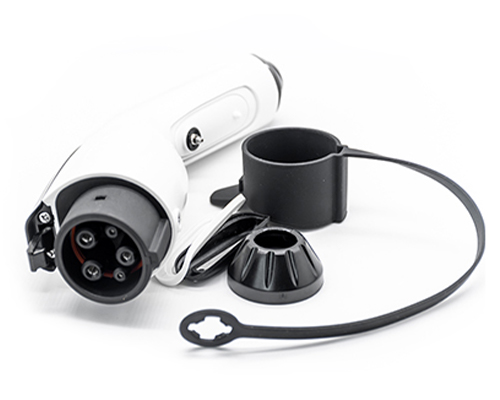
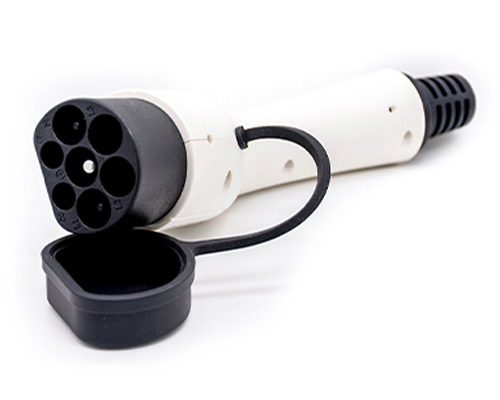
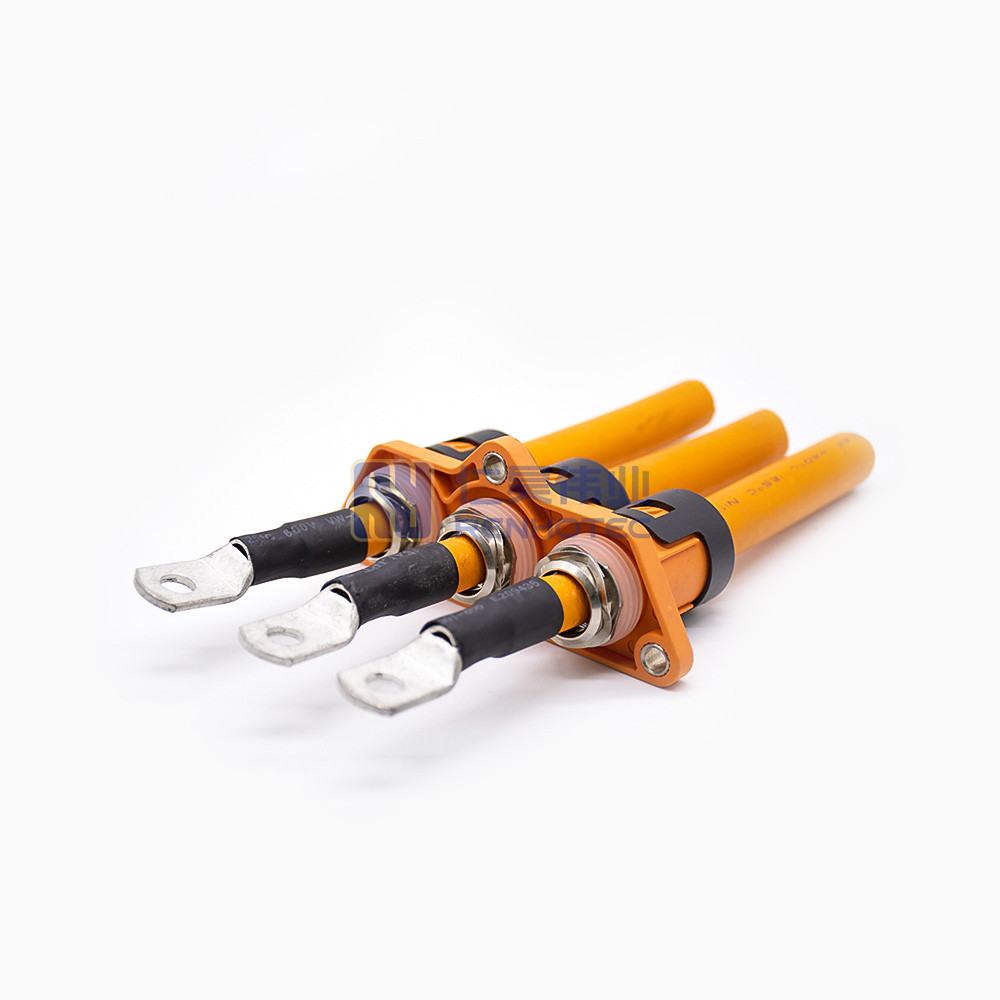
High Voltage Connectors are widely used in EV power systems, renewable energy installations, and industrial high-voltage circuits. Renhotec’s series drives the building of efficient, safe, and sustainable electrical ecosystems, meeting current technological demands.
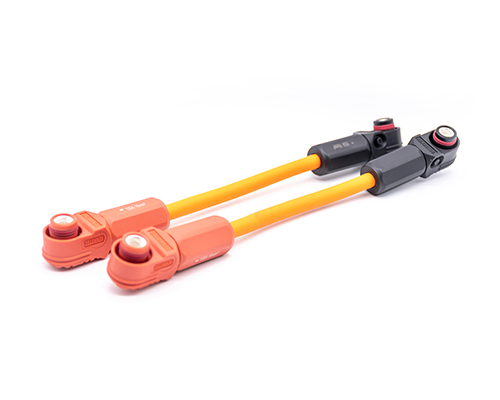
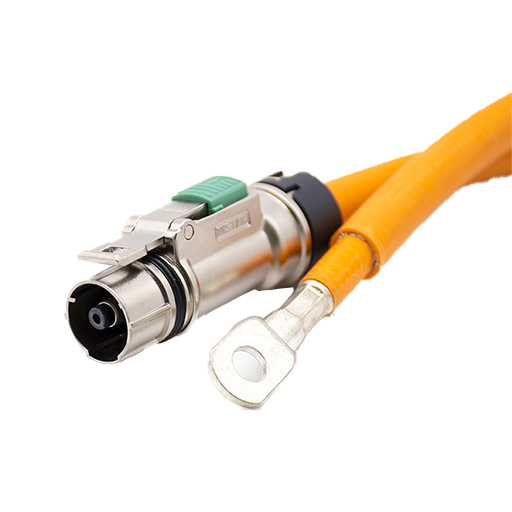
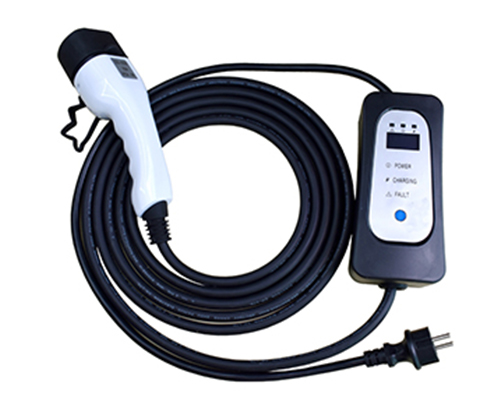
Renhotec EV Cable, crafted with top-notch conductive materials and meticulously engineered insulation, showcases outstanding impedance control and voltage-withstanding properties. Its design combines flexibility and durability to meet a wide array of installation needs. This cable is widely utilized in grid interconnections, large-scale industrial power supply systems, and high-voltage renewable energy projects, enabling smooth and efficient power transmission.
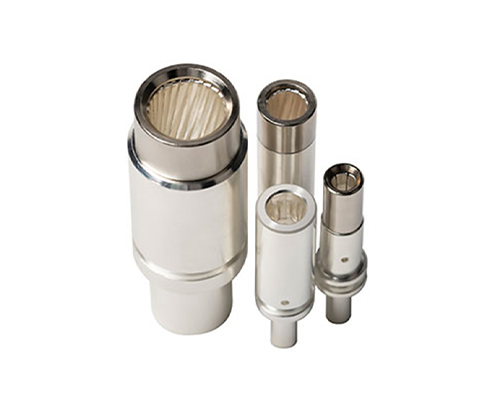
Renhotec, as a professional supplier, offers a comprehensive range of these Signal Transmission Connector products. Whether it is the high-reliability applications of the metal series or the wide adaptability of the plastic series in consumer electronic products, Renhotec can provide customers with high-quality options to meet the diverse requirements of signal transmission connections in different industries and scenarios.
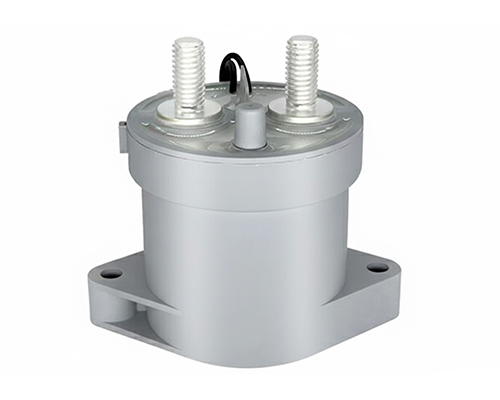
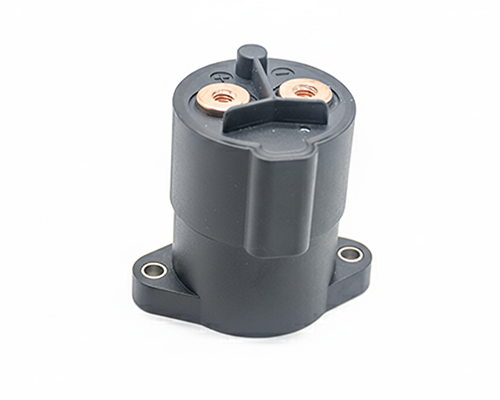
Renhotec, active in electrical components, offers High Voltage DC Contactors in Epoxy Resin Sealing and Ceramic Sealing variants, with a 20A – 1000A current range. The Epoxy Resin Sealing one is cost-effective and protective. The Ceramic Sealing variant excels in thermal stability and insulation. They’re widely used in EV charging, renewable energy grid, and industrial high-voltage DC power distribution for reliable circuit control and current interruption, providing comprehensive solutions for multiple sectors.
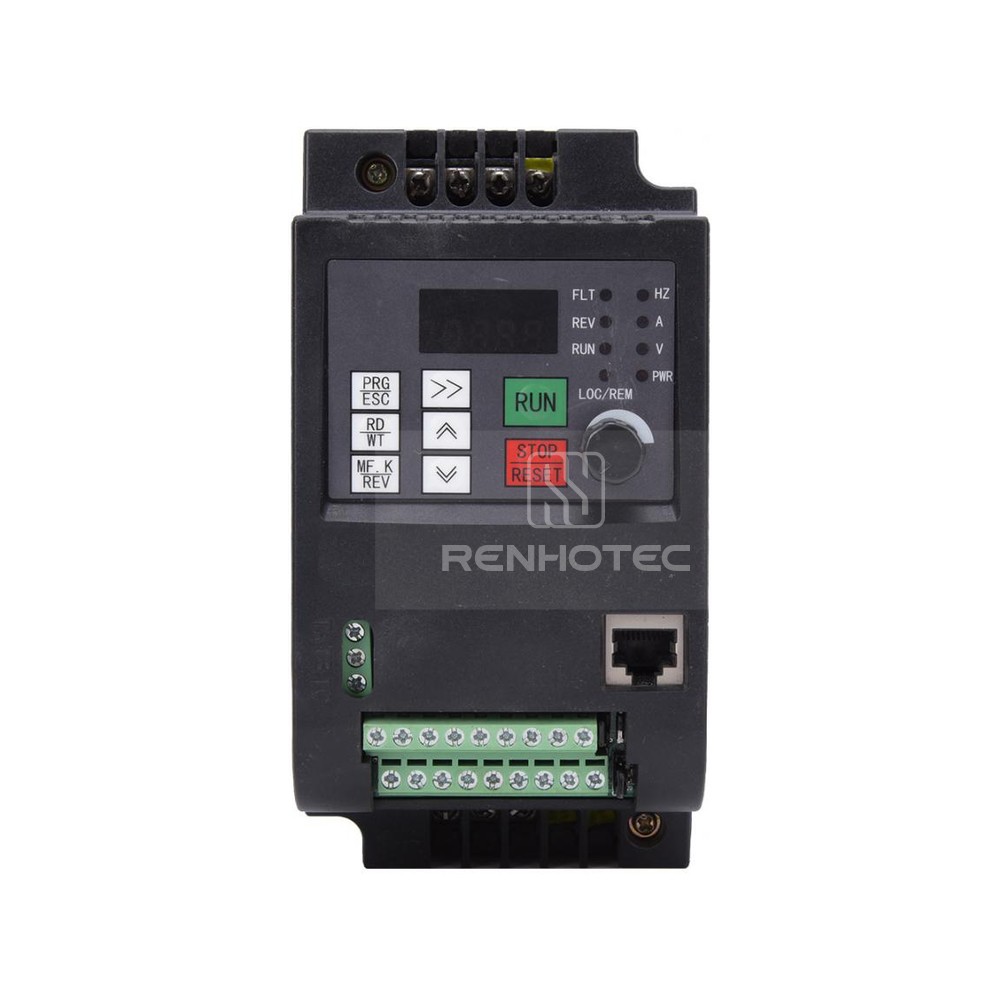
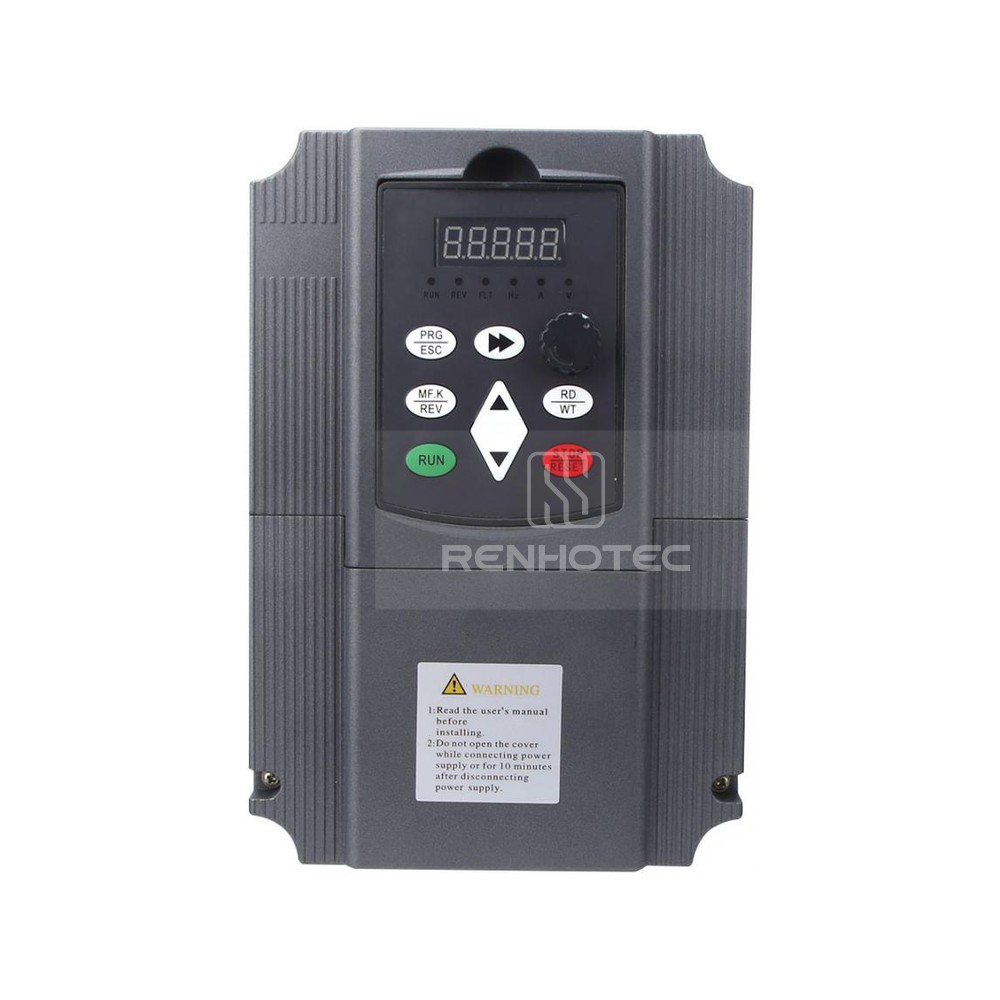
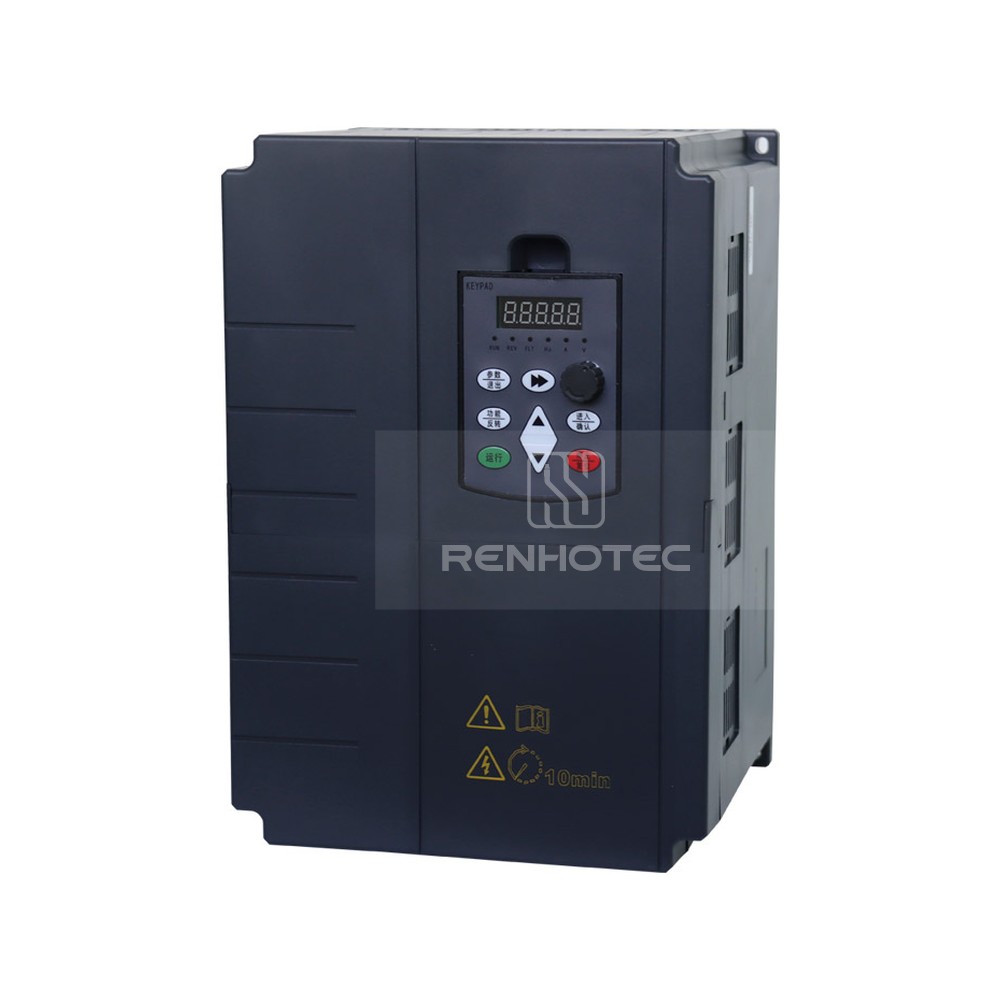
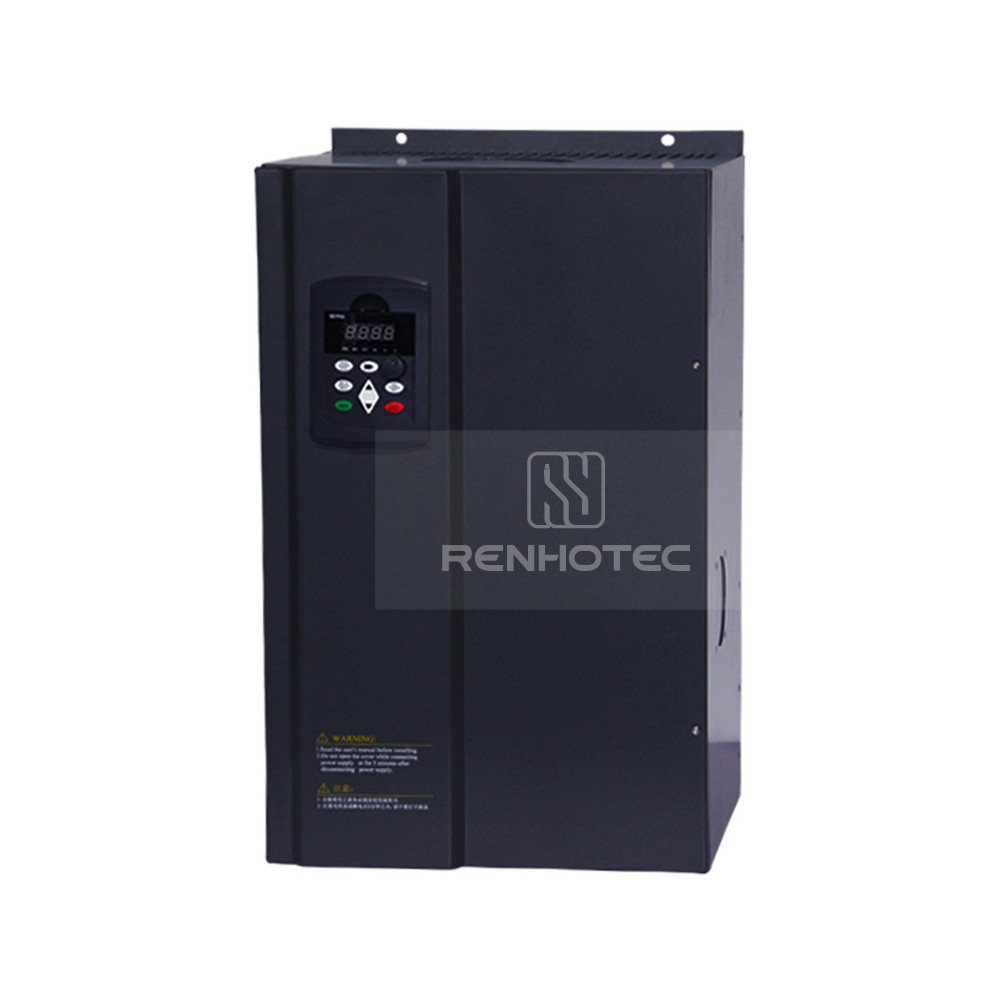
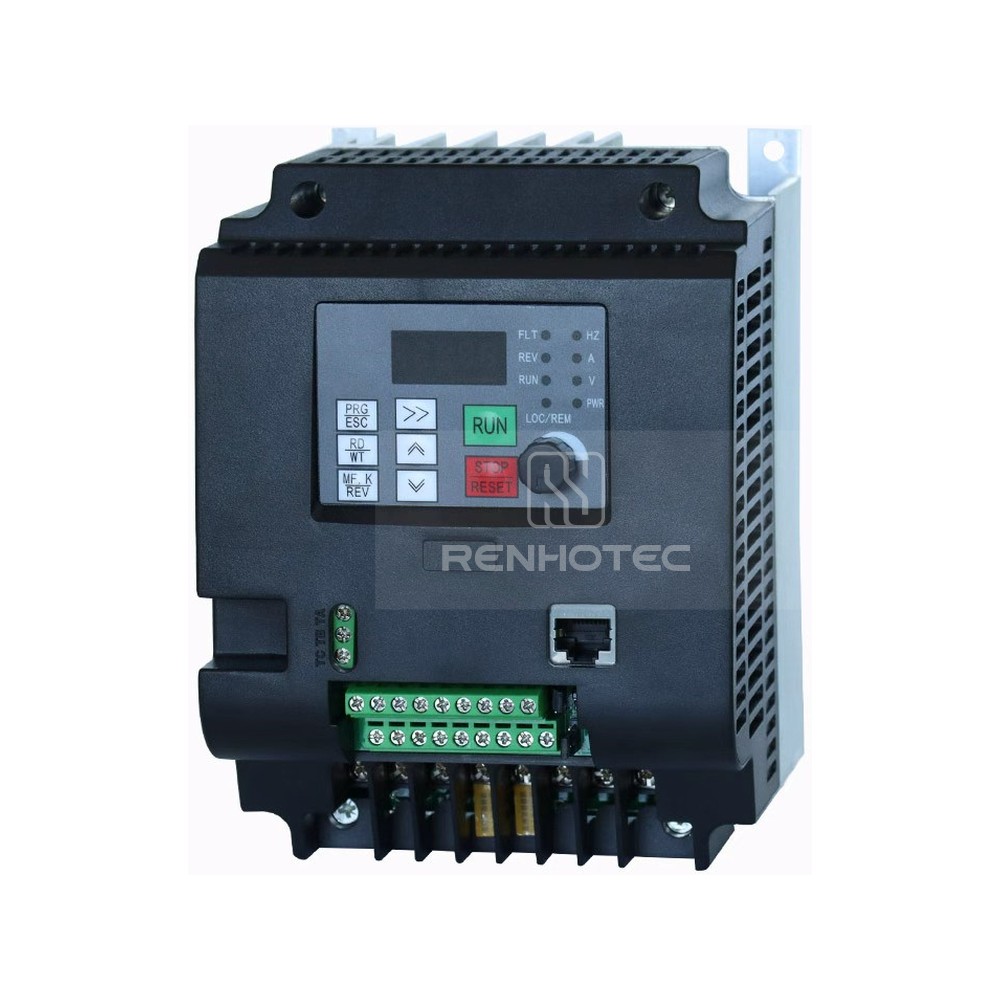
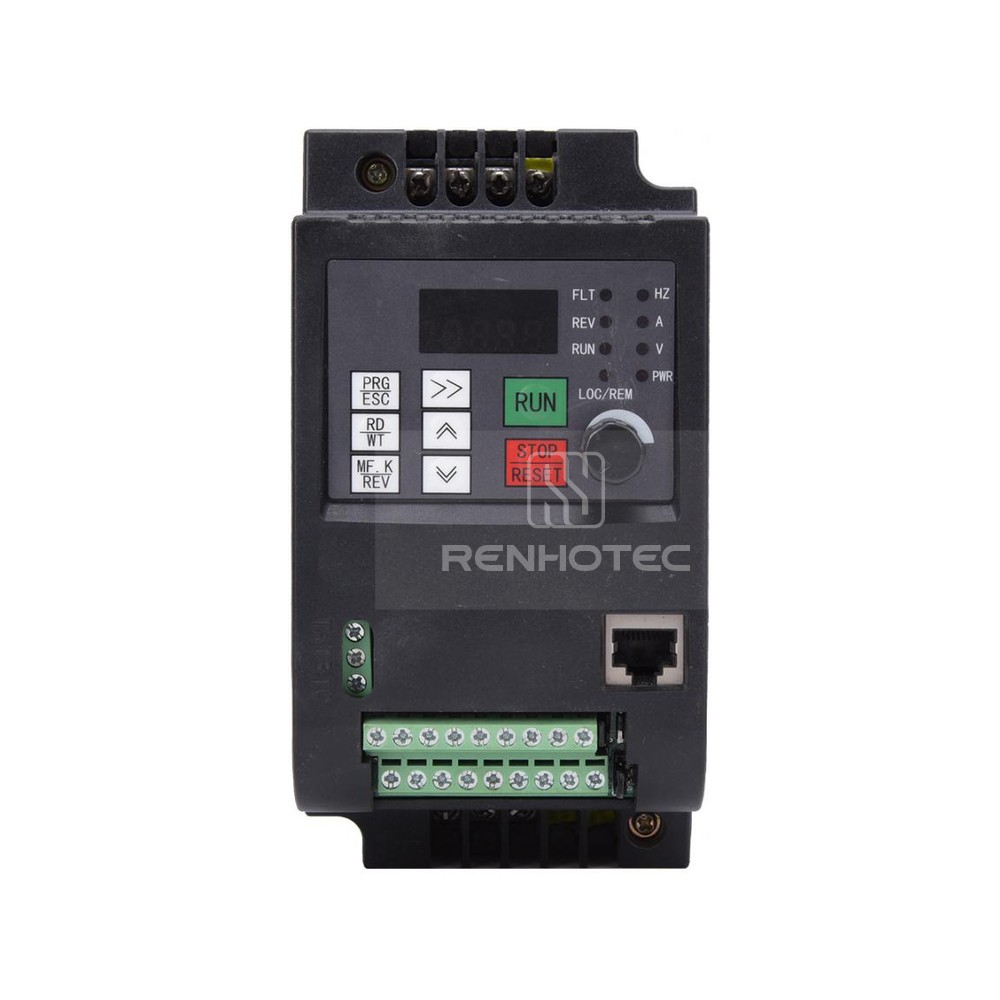
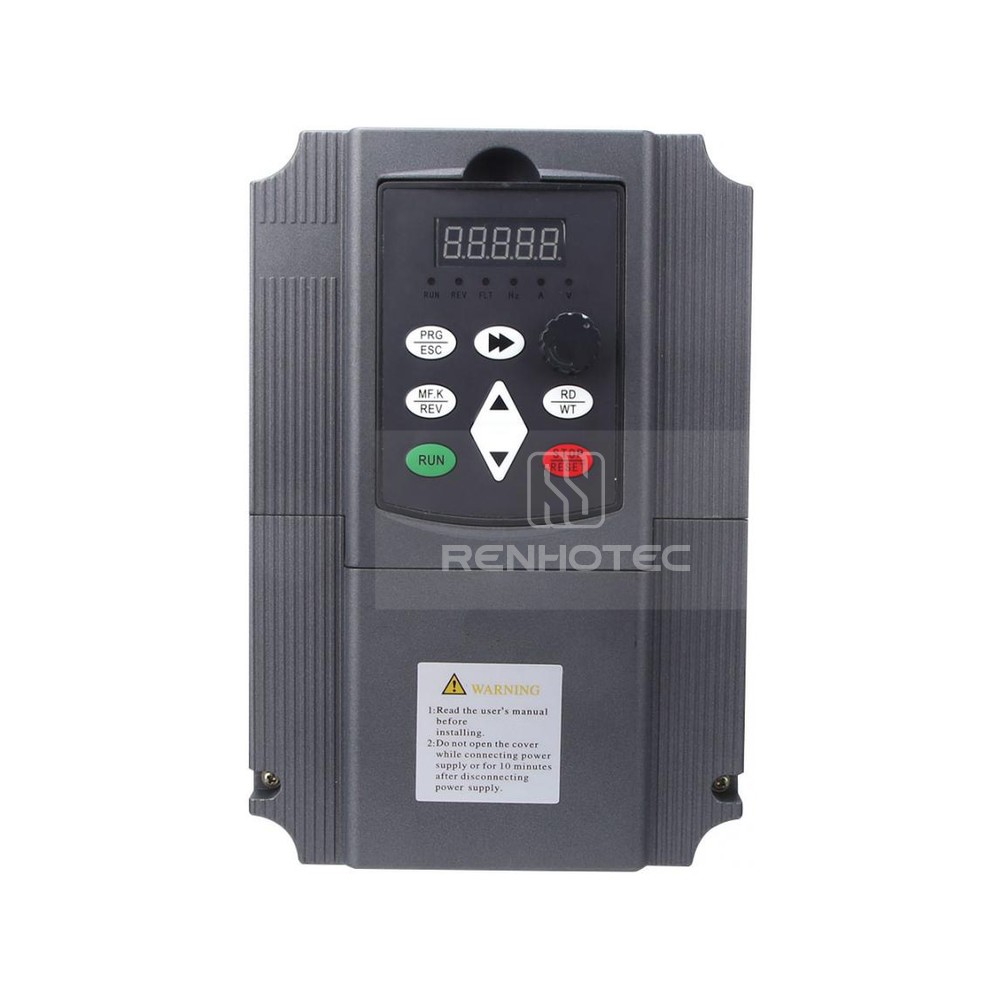
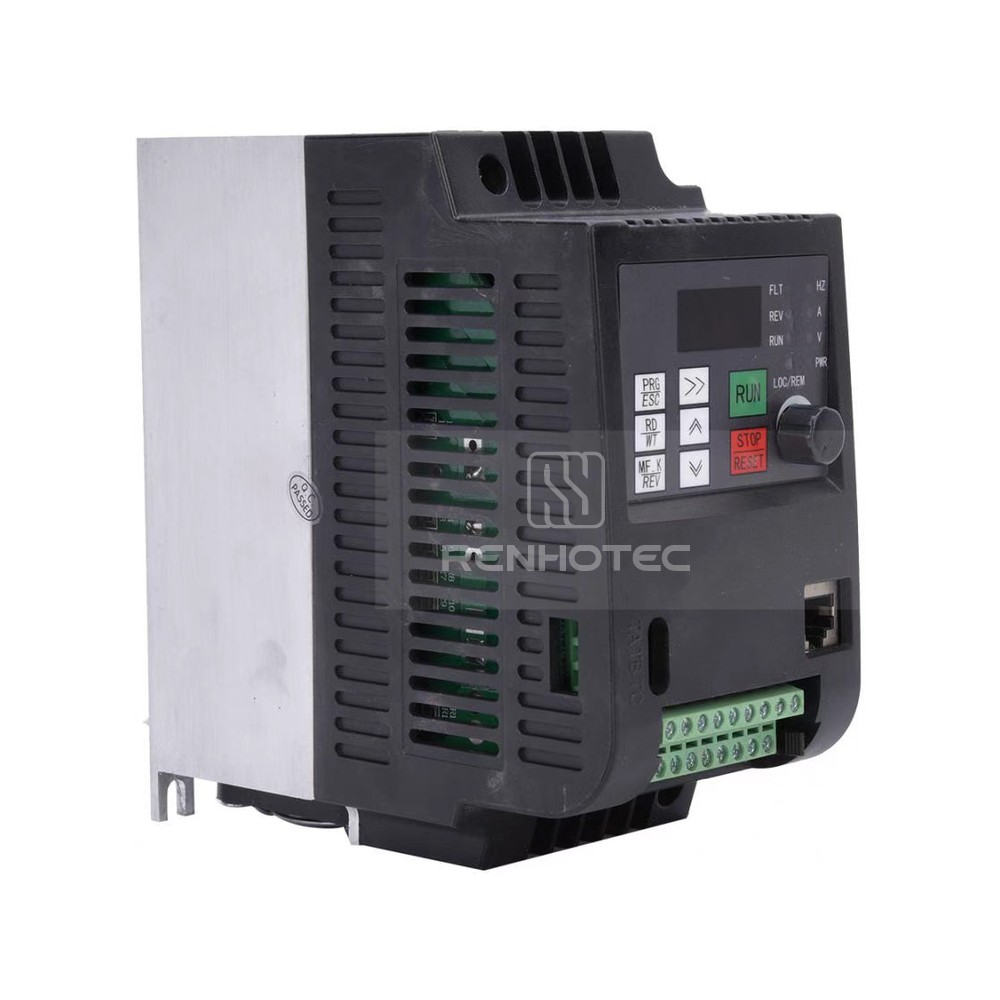
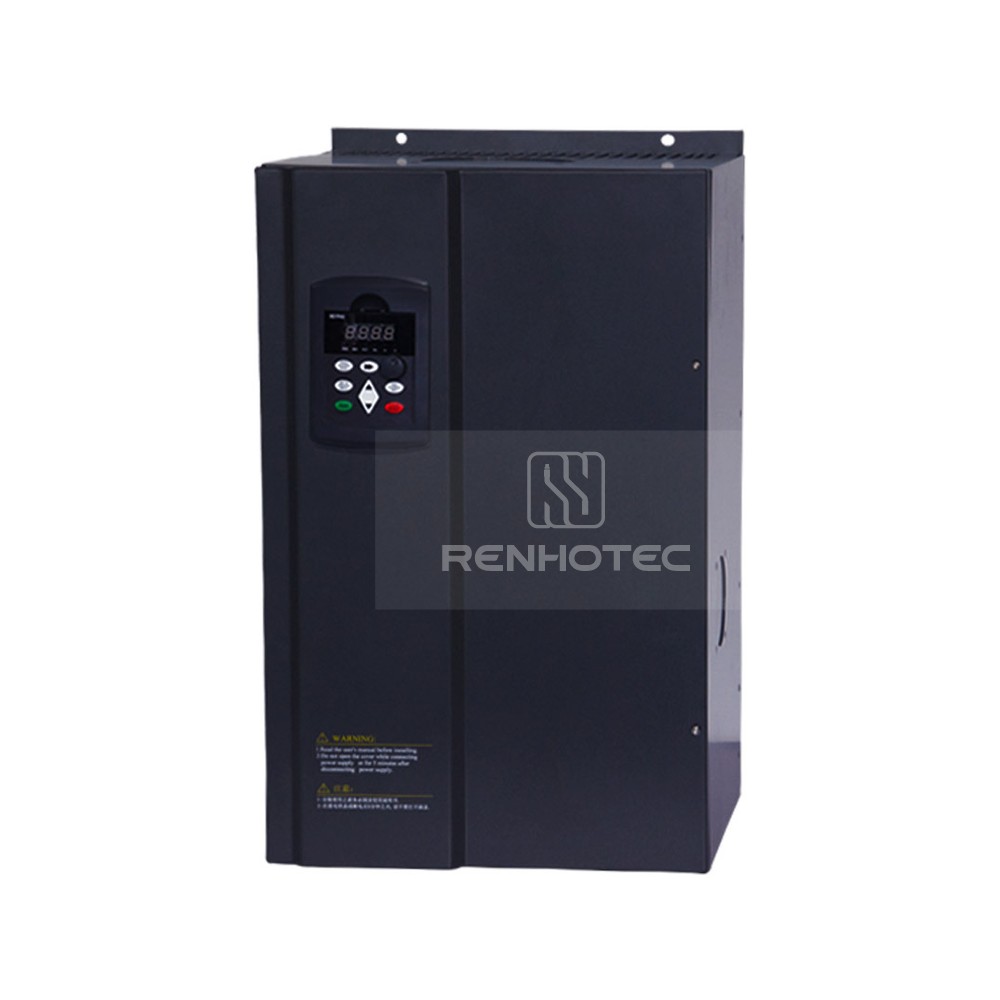
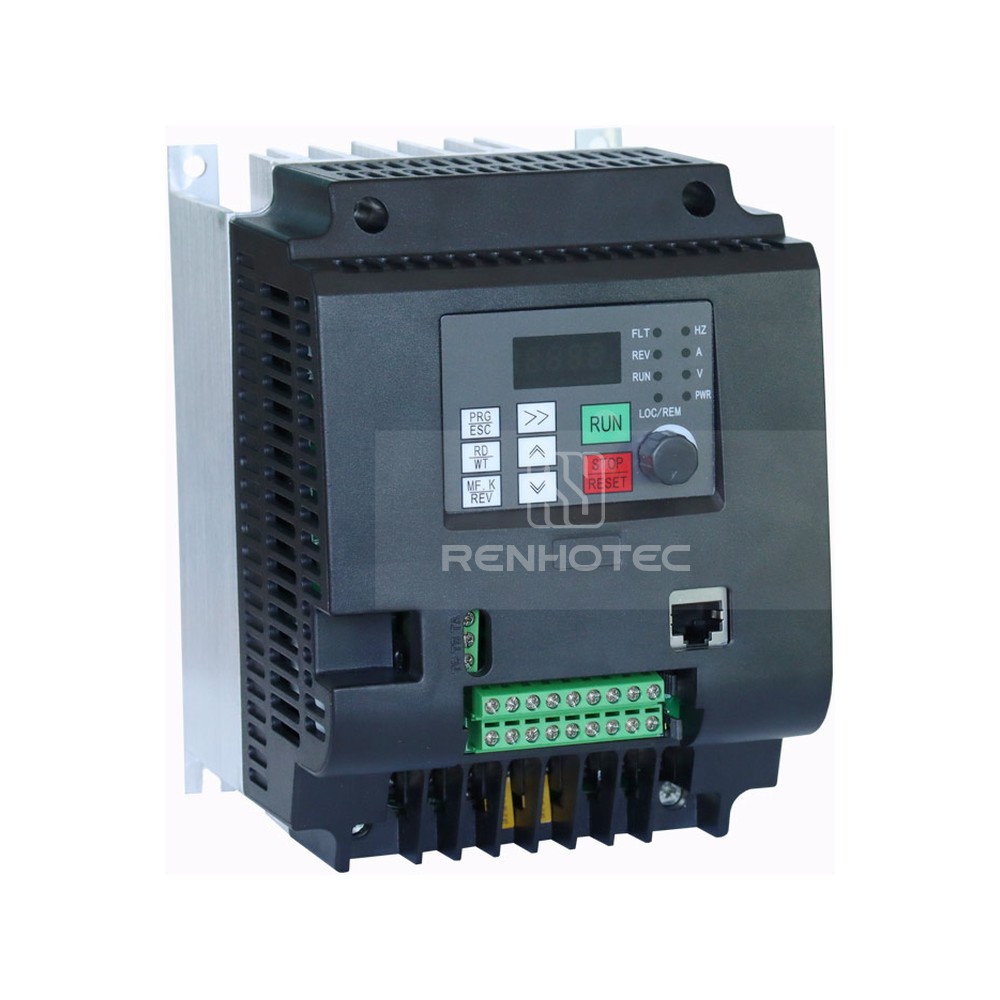
A variable frequency drive (VFD), also called AC drvie, helps control motor speed to match the needs of your equipment. By adjusting motor speed, a VFD can reduce energy consumption in suitable applications, support smoother starting and stopping, and improve process control. Motors using VFDs can typically save up to 40% in energy consumption and reduce emissions. It is widely used in industrial machinery, pumps, fans, and other motor-driven systems.
V/F Control (Volts per Hertz): Simple and cost-effective. It is mainly used in applications that do not require high speed accuracy or fast dynamic response, such as standard fans and pumps.
SVC (Sensorless Vector Control): Provides higher torque at low and medium speeds and more precise speed control. It is widely used in general-purpose VFDs that require improved performance.
FVC (Closed-Loop Vector Control) / DTC (Direct Torque Control): These advanced control methods can provide high control accuracy. FVC typically uses an encoder or other feedback device, while DTC controls motor torque more directly. They are used in demanding applications such as paper-making machinery and CNC machine tools.
Classification by Application and Size
Mini / Economic VFDs: Compact and designed for lower-power applications, such as small packaging machines and conveyor systems.
General-Purpose / Heavy-Duty VFDs: Designed for a wide range of industrial equipment, including extruders and high-load industrial pumps, depending on the model’s capacity and specifications.
Special-Purpose VFDs: Designed for specific applications, such as elevator drives and solar pump inverters.
Our VFD Drive Product Range
Renhotec VFD products cover all the types mentioned above, suitable for industrial equipment, different power supply requirements, and solar water pumping systems. Our product range includes five categories:
Designed for solar-powered irrigation and water supply systems.
How to Choose the Right VFD
Choosing a VFD drive is not just about matching motor power. The input power supply, motor current, control requirements, and operating conditions must also be checked. The following steps can help you identify a suitable model.
Step 1: Check Motor Power and Rated Current
Start with the motor nameplate. Record its rated power, voltage, current, frequency, and speed.
The VFD must be suitable for the motor’s rated current and the application’s load requirements. Do not select a drive based on kilowatts or horsepower alone. If the motor operates under heavy loads or frequent acceleration, additional capacity may be required according to the manufacturer’s sizing guidance.
Step 2: Match the Input Power Supply and Motor Voltage
Confirm the available power supply at the installation site. Check whether it is single-phase or three-phase and record its voltage.
Then confirm the VFD’s input rating, output rating, and the motor’s rated voltage. A drive with a suitable power rating may still be incompatible with the available supply or motor.
For example, our 1-phase 220V input to 3-phase 380V output category is intended for a specific electrical configuration. Check the exact model specifications before ordering.
Step 3: Choose the Required Control Method
For standard motor speed control, a V/F model may be sufficient. If the application needs better torque response or improved low-speed control, consider an SVC model where available.
The correct choice depends on the motor, load, and operating requirements. If you are unsure, provide the motor nameplate information and application details when requesting a recommendation.
Step 4: Consider the Equipment and Operating Conditions
Different equipment places different demands on a VFD. Fans and centrifugal pumps often have different load characteristics from conveyors, compressors, or machine tools.
Also check the installation space, ambient temperature, enclosure requirements, and any need for braking, communication, or other control functions. Confirm each feature against the model datasheet.
For solar water pumping, select a dedicated solar pump inverter only after checking solar array compatibility, pump requirements, and the expected operating conditions.
Compare Our VFD Series
Once the above information is determined, you can compare specific series to select the appropriate variable frequency drive for your motor and application scenario.
The table below serves as a comparison template to help you quickly locate the product series you need.
Q: Can a single-phase 220V VFD run a three-phase 380V motor?
A: Only if the VFD is specifically designed to accept a single-phase 220V input and provide a three-phase 380V output, and the motor and load are within its rated limits. Confirm the specifications of the exact model before use.
Q: When should I choose a 690V VFD?
A: Choose a 690V VFD when the motor and electrical system require that voltage class and the selected model’s input, output, and current ratings match the application. Check the complete datasheet before purchase.
Q: What is the difference between a standard AC VFD drive and a solar pump inverter?
A: A standard AC VFD drive is generally selected for motor control using the power supply supported by the drive. A solar pump inverter is designed for solar-powered pumping systems and must match the solar array and pump requirements. Some functions and power configurations differ, so choose according to the intended system.
Find the Right VFD for Your Application
Whether you need an economical drive for standard motor control, a general-purpose VFD for industrial equipment, a specific voltage configuration, or a solar pump inverter, the right choice starts with your motor and application requirements.
Share your motor nameplate details, available power supply, and equipment type with our team. We will help you identify suitable models from our VFD range.