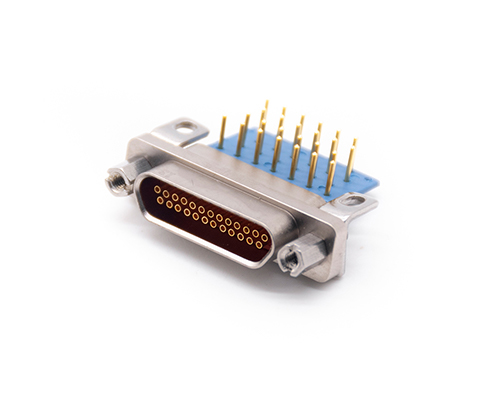
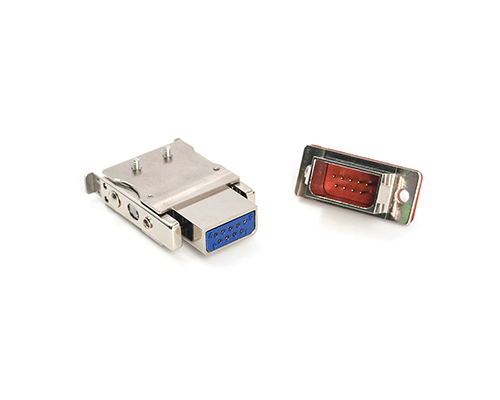
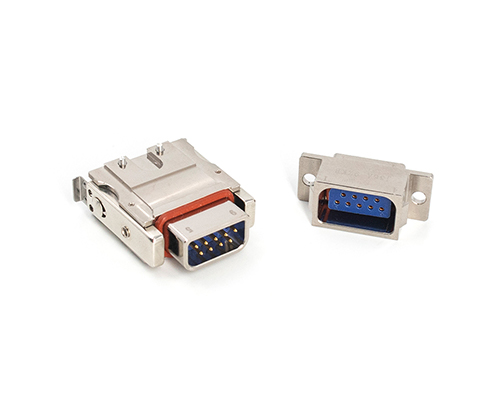
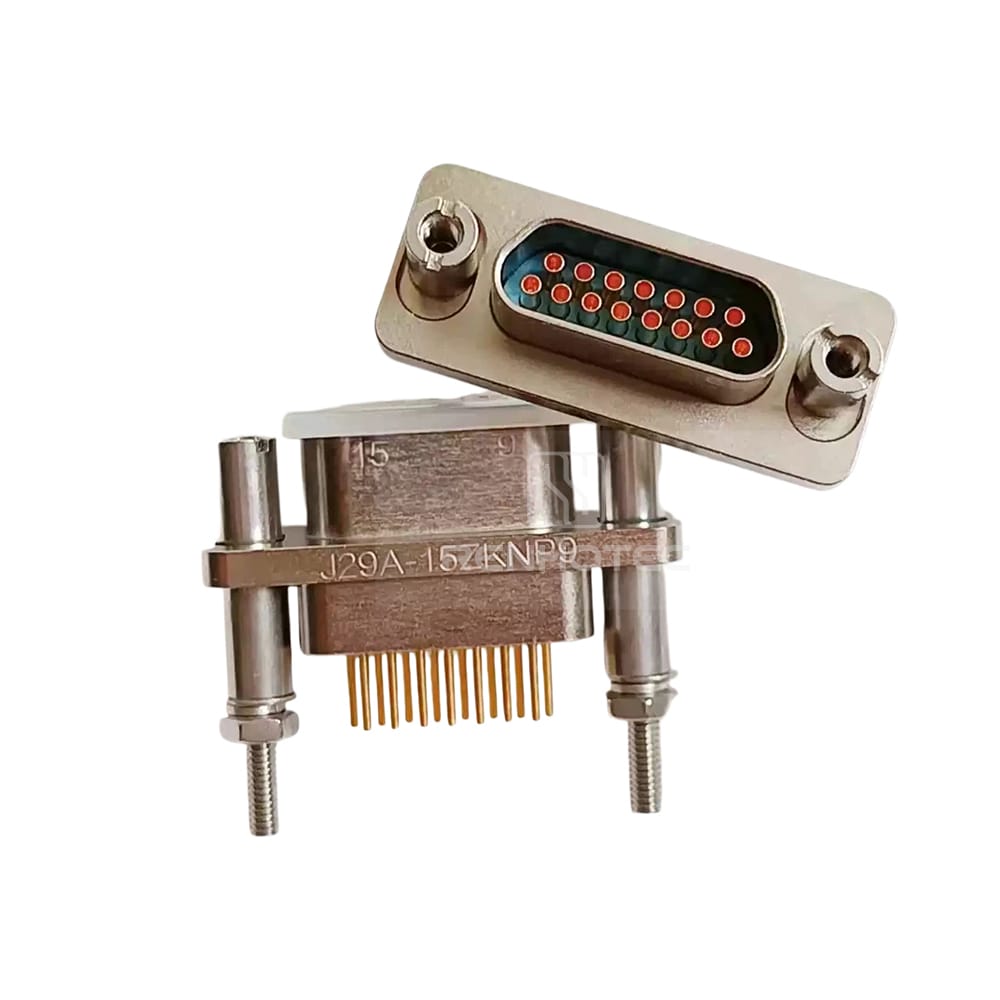
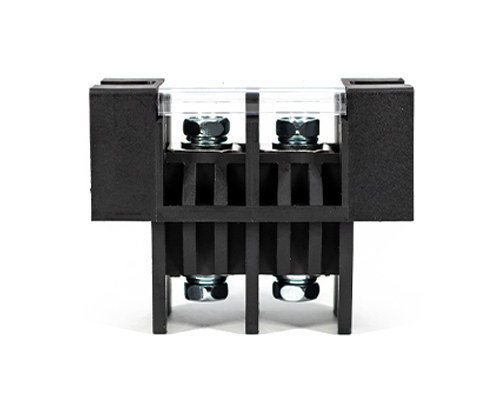
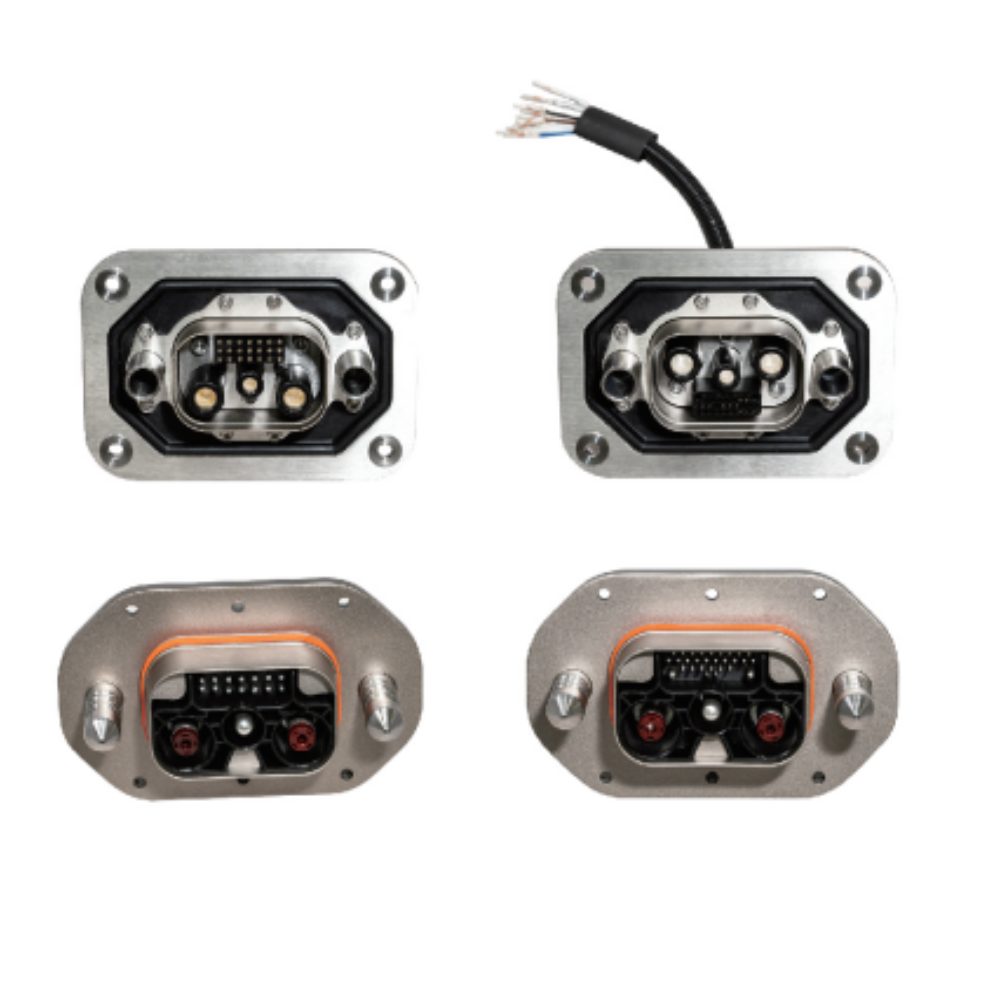
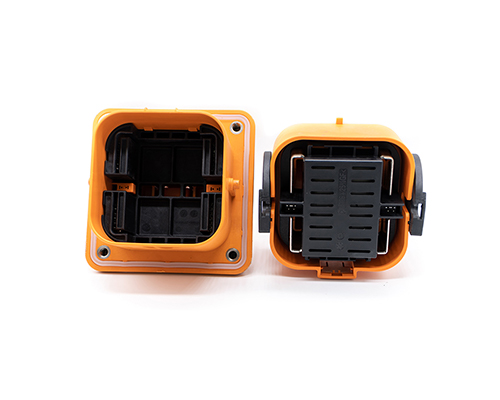
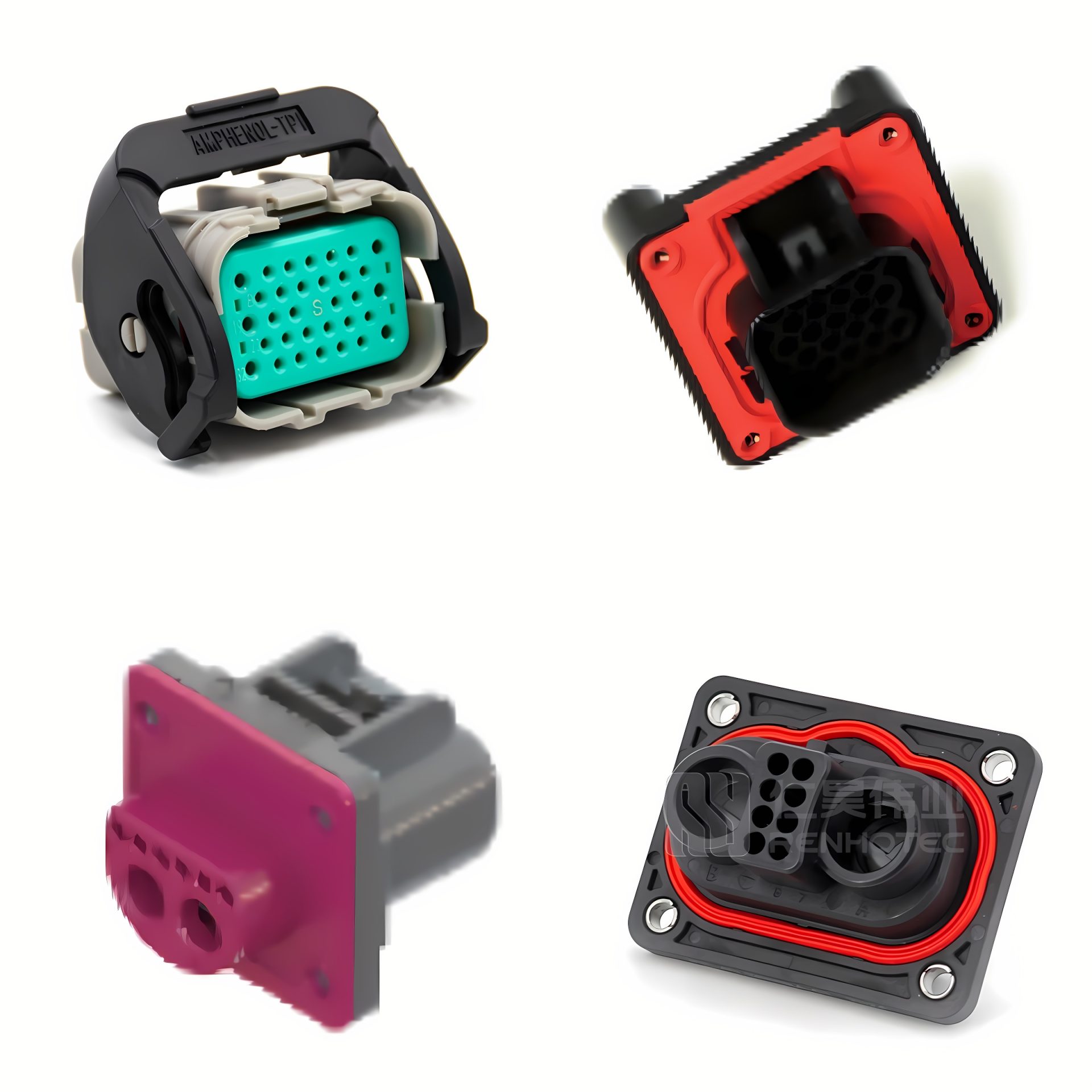
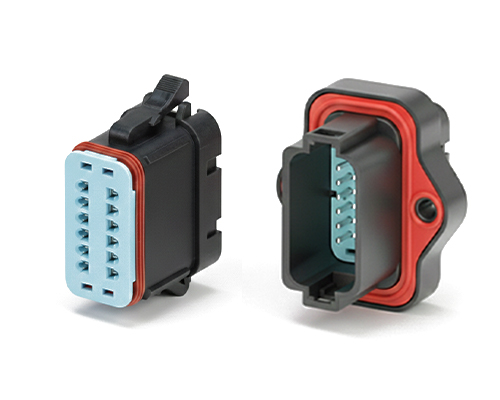
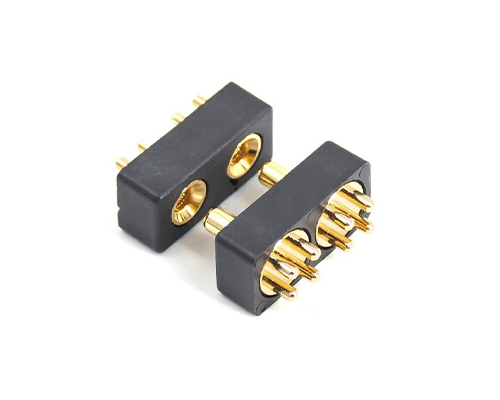
The Rectangular Connector is widely used in aerospace, medical instruments, consumer electronics (such as computers, TVs, game consoles, etc.), industrial control equipment, communication equipment, and automotive electronics. With its reliable connection performance, diverse specifications, and relatively convenient plug-in and unplug operations, it has become an indispensable component in various electronic and electrical applications.
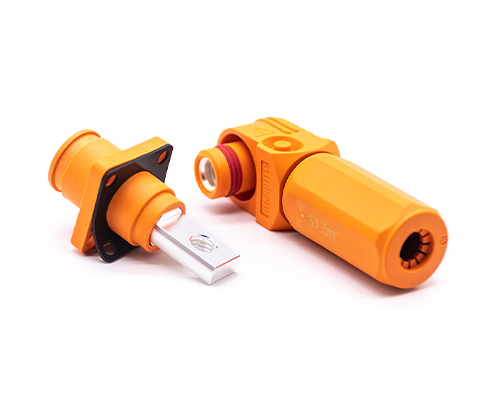
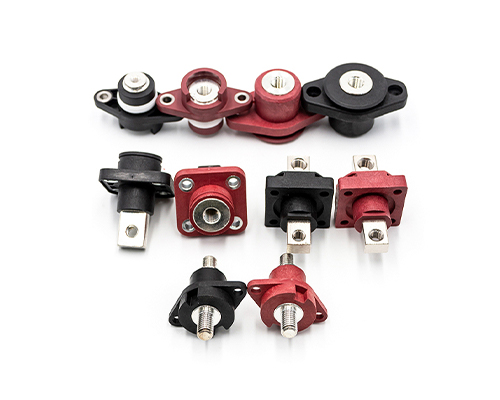
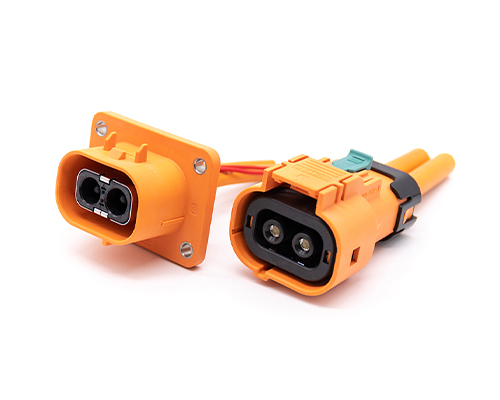
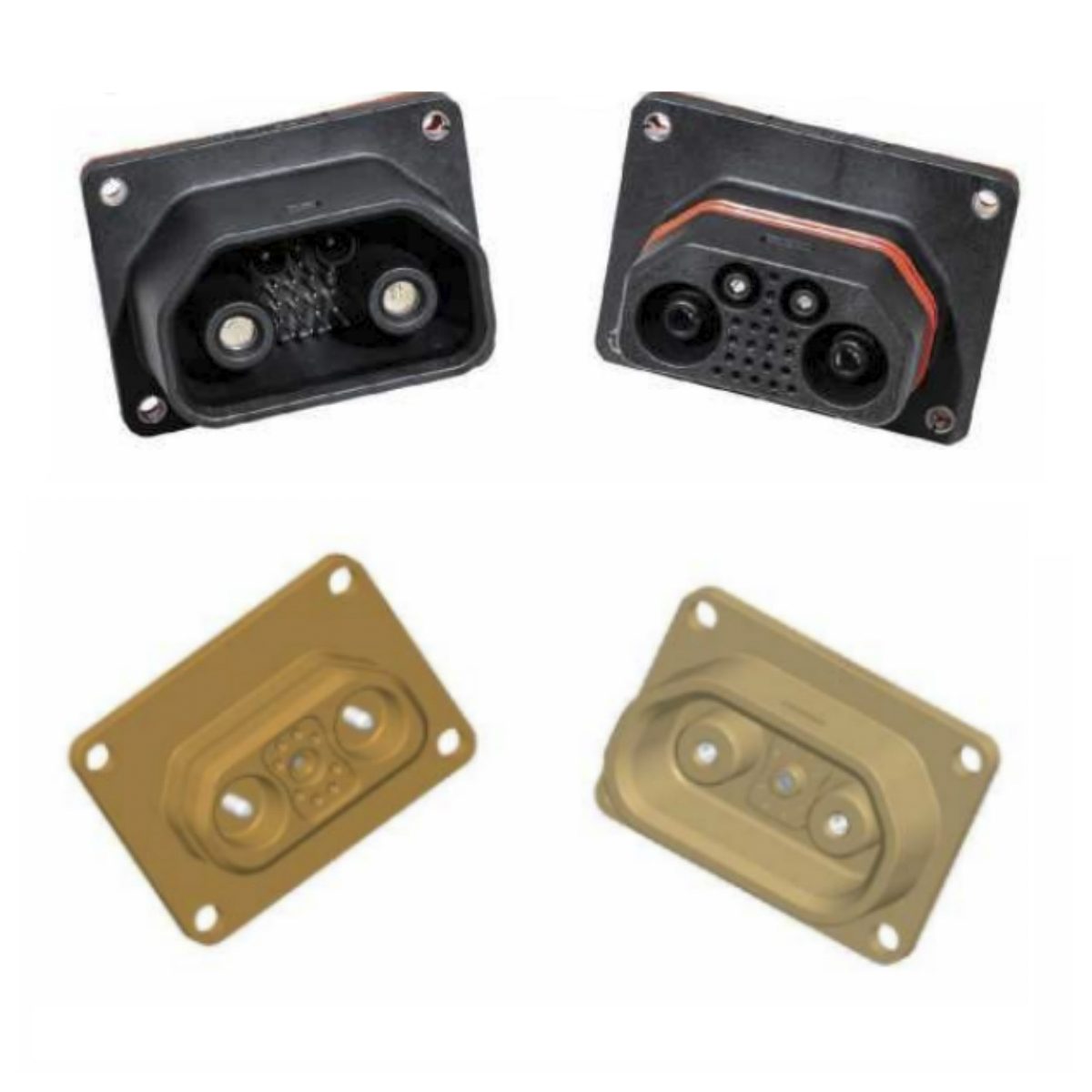
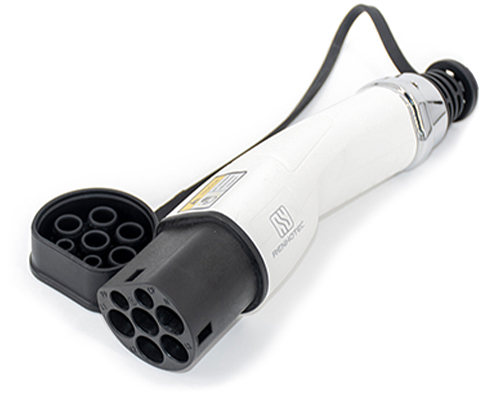
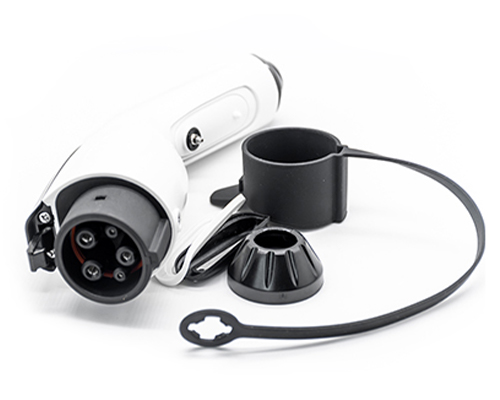
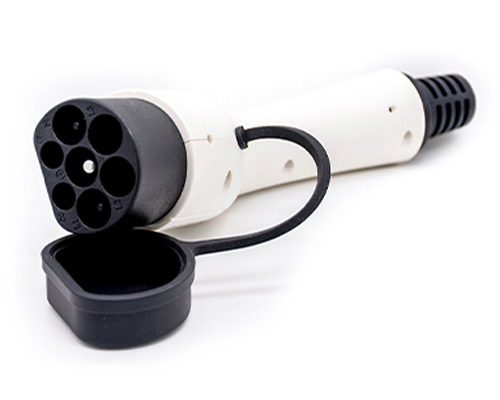
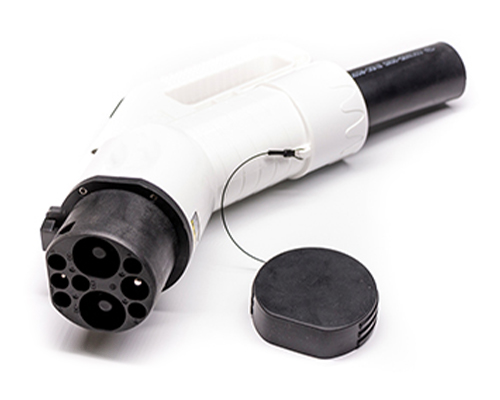
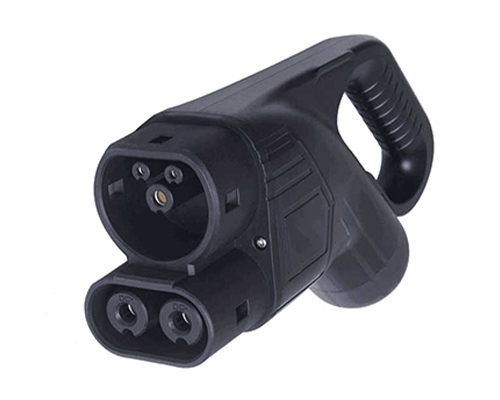
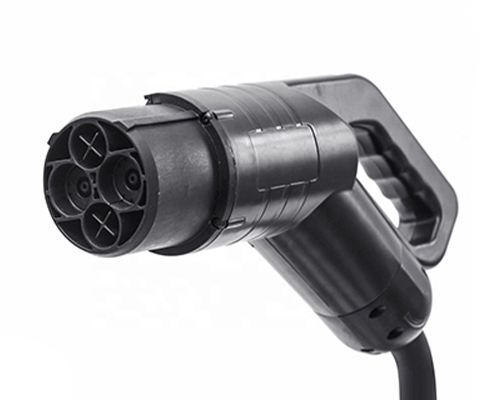
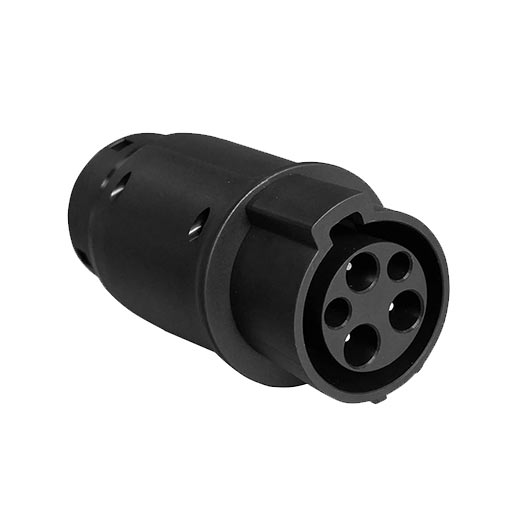
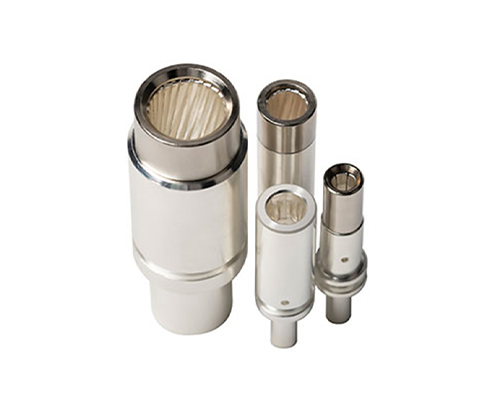
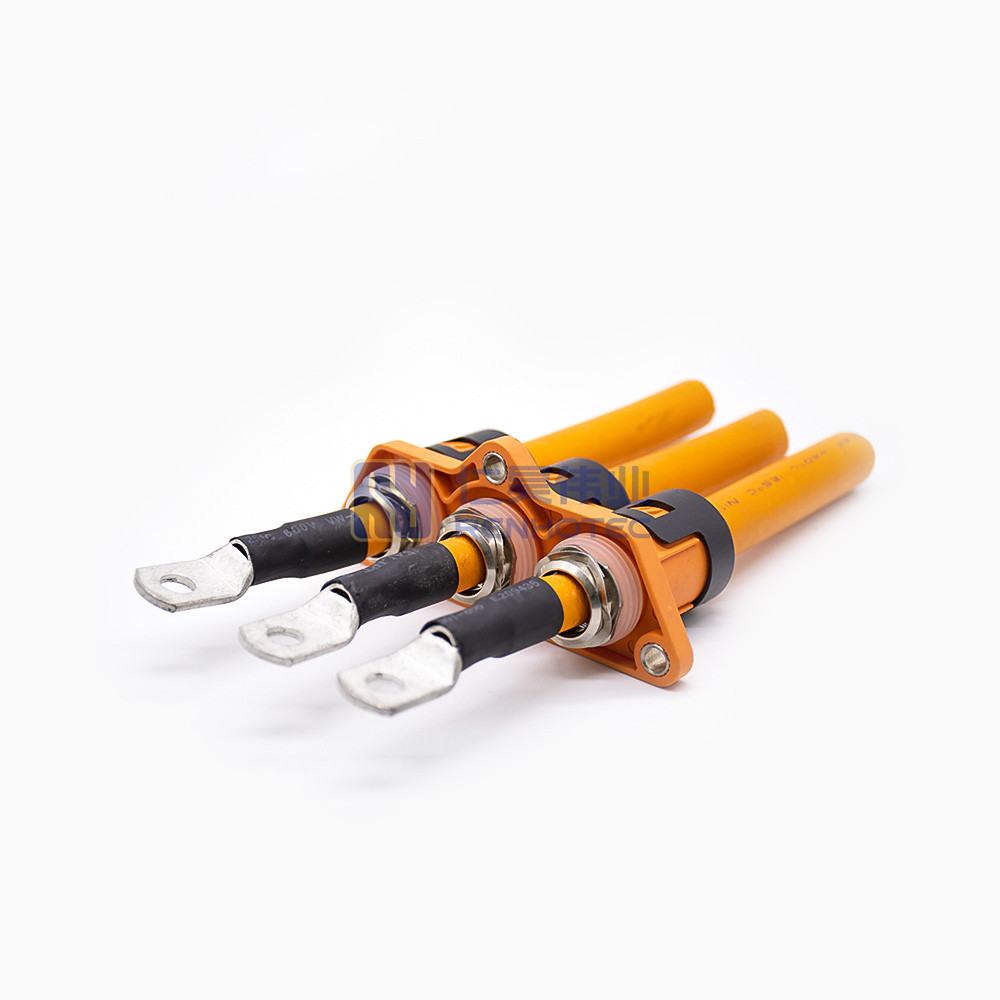
High Voltage Connectors are widely used in EV power systems, renewable energy installations, and industrial high-voltage circuits. Renhotec’s series drives the building of efficient, safe, and sustainable electrical ecosystems, meeting current technological demands.
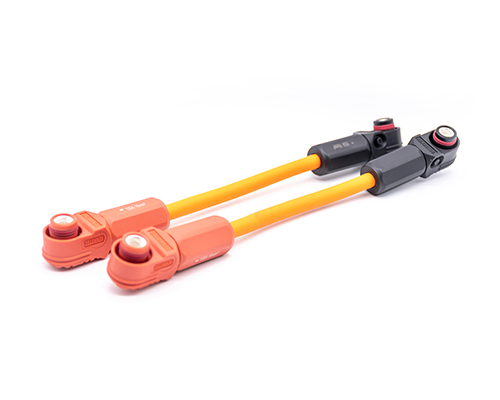
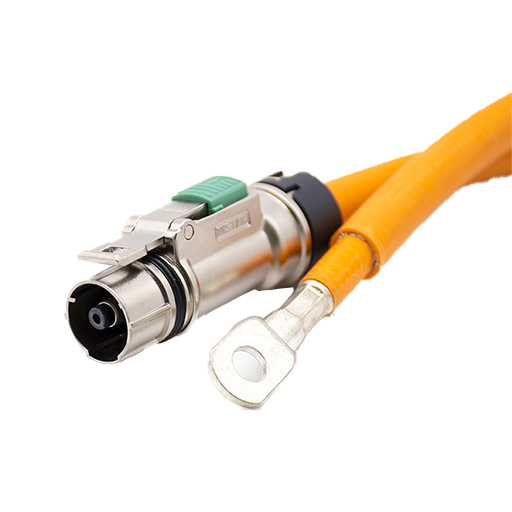
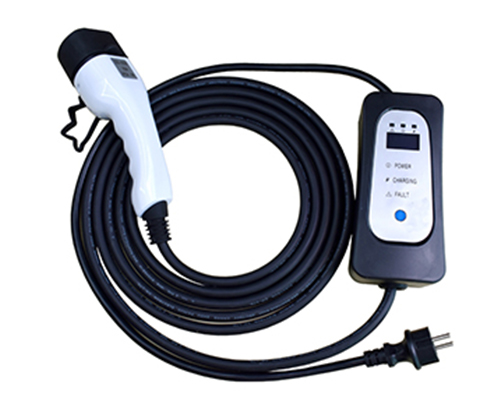
Renhotec EV Cable, crafted with top-notch conductive materials and meticulously engineered insulation, showcases outstanding impedance control and voltage-withstanding properties. Its design combines flexibility and durability to meet a wide array of installation needs. This cable is widely utilized in grid interconnections, large-scale industrial power supply systems, and high-voltage renewable energy projects, enabling smooth and efficient power transmission.
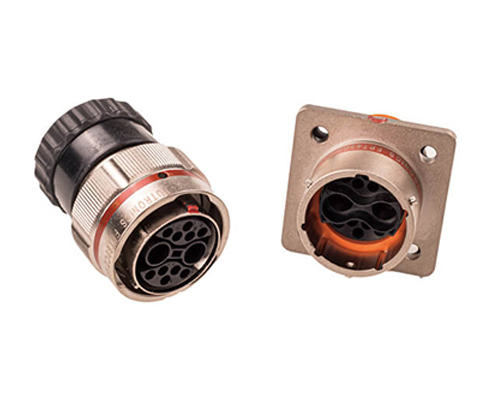
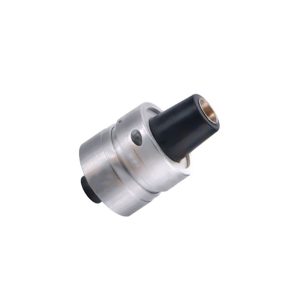
Renhotec, as a professional supplier, offers a comprehensive range of these Signal Transmission Connector products. Whether it is the high-reliability applications of the metal series or the wide adaptability of the plastic series in consumer electronic products, Renhotec can provide customers with high-quality options to meet the diverse requirements of signal transmission connections in different industries and scenarios.
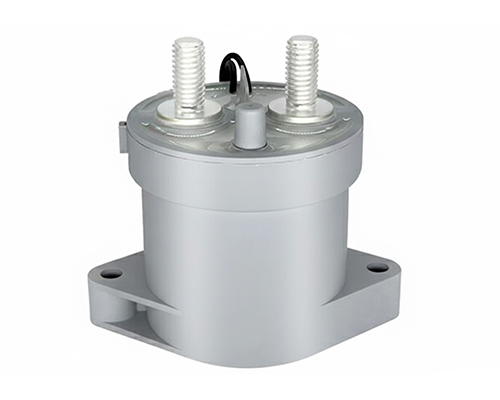
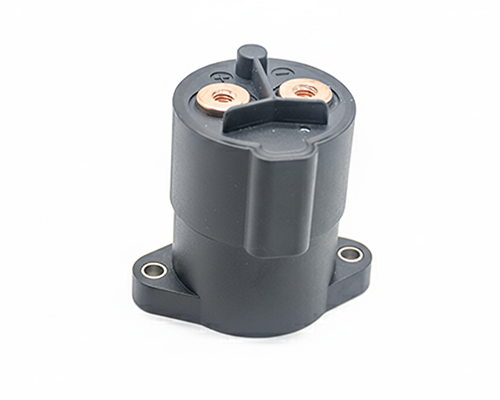
Renhotec, active in electrical components, offers High Voltage DC Contactors in Epoxy Resin Sealing and Ceramic Sealing variants, with a 20A – 1000A current range. The Epoxy Resin Sealing one is cost-effective and protective. The Ceramic Sealing variant excels in thermal stability and insulation. They’re widely used in EV charging, renewable energy grid, and industrial high-voltage DC power distribution for reliable circuit control and current interruption, providing comprehensive solutions for multiple sectors.
What is a Non-Magnetic J30J Micro-D Connector? Features, Applications, and Selection
Standard Micro-D connectors are incredibly reliable for most industrial applications. However, when you put them near highly sensitive equipment or inside strong magnetic fields, a hidden problem emerges: standard connectors contain trace amounts of magnetic materials. This can distort sensor readings or create physical safety risks.
The solution is the non-magnetic J30J Micro-D connector. Designed to be completely “magnetically transparent”, it eliminates background magnetic noise without sacrificing electrical performance. Best of all, this non-magnetic feature is a global upgrade option—meaning every standard J30J layout, pin count, and mounting style we offer can be manufactured as a non-magnetic version.
Why can’t you just use a standard connector in a sensitive environment? It comes down to solving three major pain points:
Eliminating Signal Drift and Distortion: High-precision measurement tools, like magnetometers, detect the faintest changes in magnetic fields. If the connector itself is magnetized, it creates a “background noise” that leads to inaccurate readings and signal distortion. Non-magnetic connectors ensure the signal remains pure.
Physical Safety in Strong Magnetic Fields: Inside environments like an MRI room, the magnetic pull is massive. A standard connector containing ferromagnetic materials (like steel or nickel) can be forcefully pulled, causing the connection to break or, worse, turning the connector into a dangerous flying object.
Maintaining Magnetic Cleanliness: Complex systems, such as satellites, need to monitor their environment without interfering with their own sensors. Non-magnetic connectors prevent “self-interference,” ensuring the entire system maintains strict magnetic cleanliness.
Key Applications for Non-Magnetic Connectors
Because of these unique protective qualities, non-magnetic J30J connectors are essential in several specialized industries:
Medical Imaging Equipment: MRI machines operate under extreme magnetic fields (1.5T, 3T, or higher). Non-magnetic connectors prevent image artifacts and ensure that cables and hardware remain securely in place.
Scientific Instruments: Equipment like electron microscopes, superconducting quantum computers, and laboratory-grade magnetometers require an absolute zero-interference baseline to function correctly.
Railway & Transit: For advanced rail systems utilizing magnetic levitation or highly sensitive track monitoring sensors, non-magnetic components prevent disruption to the track’s electromagnetic tracking systems.
What Makes the J30J Non-Magnetic?
You might wonder how a non-magnetic J30J Micro-D differs from a standard one. The secret lies entirely in the materials and the plating process. We re-engineer the connector from the inside out:
Shell Materials: We completely replace standard alloys that might carry a magnetic charge. Instead, we use high-quality brass, beryllium copper, or specially treated non-magnetic stainless steel.
The Crucial Plating Process (No Standard Nickel): This is the most important step. Standard connectors use a layer of Nickel under the final gold plating to prevent corrosion, but conventional Nickel is highly magnetic. For our non-magnetic J30J, we completely ban standard nickel. Instead, we utilize a specialized non-magnetic underplating process beneath the final Gold layer. This cuts off the magnetic source entirely while maintaining optimal corrosion resistance and plating adhesion.
Contacts (Pins/Sockets): The core conductive pins with non-magnetic plating, deliver the exact same high-current carrying capacity and lifespan as standard versions.
Hardware (Screws and Locks): All fastening hardware, including jackposts and locking screws, are strictly machined from non-magnetic metals to ensure the entire assembly is 100% safe. A quick tip for you: Some “non-magnetic” J30J connectors on the market may still use standard magnetic hardware. These fail to achieve true magnetic transparency and are only “low-magnetic.” When sourcing, always double-check this detail with your supplier to ensure you are getting a fully non-magnetic solution.
Selection Guide: How to Order
Ordering a non-magnetic J30J is simple. You do not need to redesign your PCB or change your panel cutouts.
Performance Commitment: The non-magnetic J30J shares the exact same footprint, dimensions, polarization, and electrical ratings as the standard J30J series. It is a drop-in replacement.
SPECIFICATIONS
OPTIONS
Number of Contacts
9, 15, 21, 25, 31, 37, 51, 66, 69, 74, 100 pins
Connector and Contact Type
Plug with Male Pins
Receptacle with Female Sockets
Termination Style
Crimp
Solder Cup
Straight PCB (Through-hole)
Right Angle PCB
Before requesting a quote, send our engineering team your application’s operating environment and specify the following details: required pin count; termination style (PCB, solder, or crimp); mounting hardware; voltage and operational current; and your system’s relative magnetic permeability limits. Please clarify if your application requires a 100% non-magnetic assembly—including all fastening hardware and locking screws—so we can configure the exact bill of materials. Providing these specific details, rather than just asking for a generic “J30J connector,” allows us to generate accurate datasheets and 2D/3D drawings for your project immediately.
Download J30J Connector Catalog PDF & Request a Quote
Ready to Specify J30J Micro-D Connector for Your Project?
Contact our engineering team today for 3D CAD models, test reports, pricing structures, and sample requests.