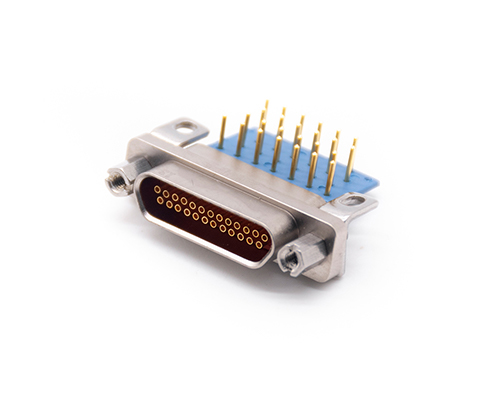
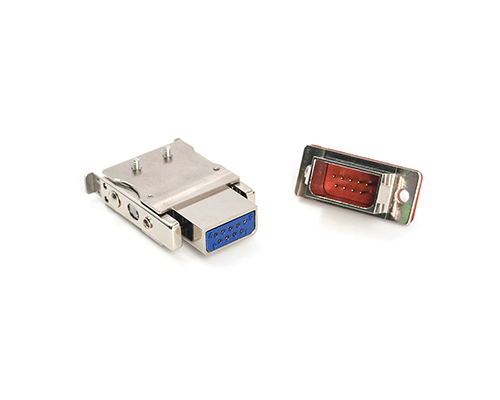
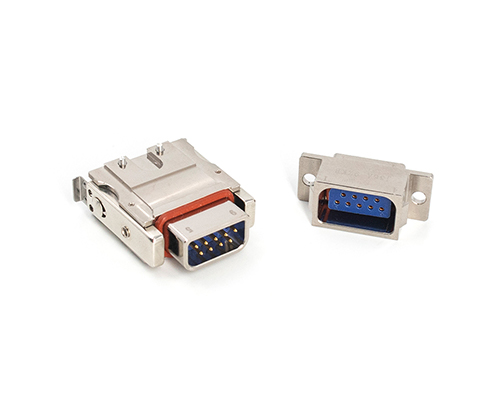
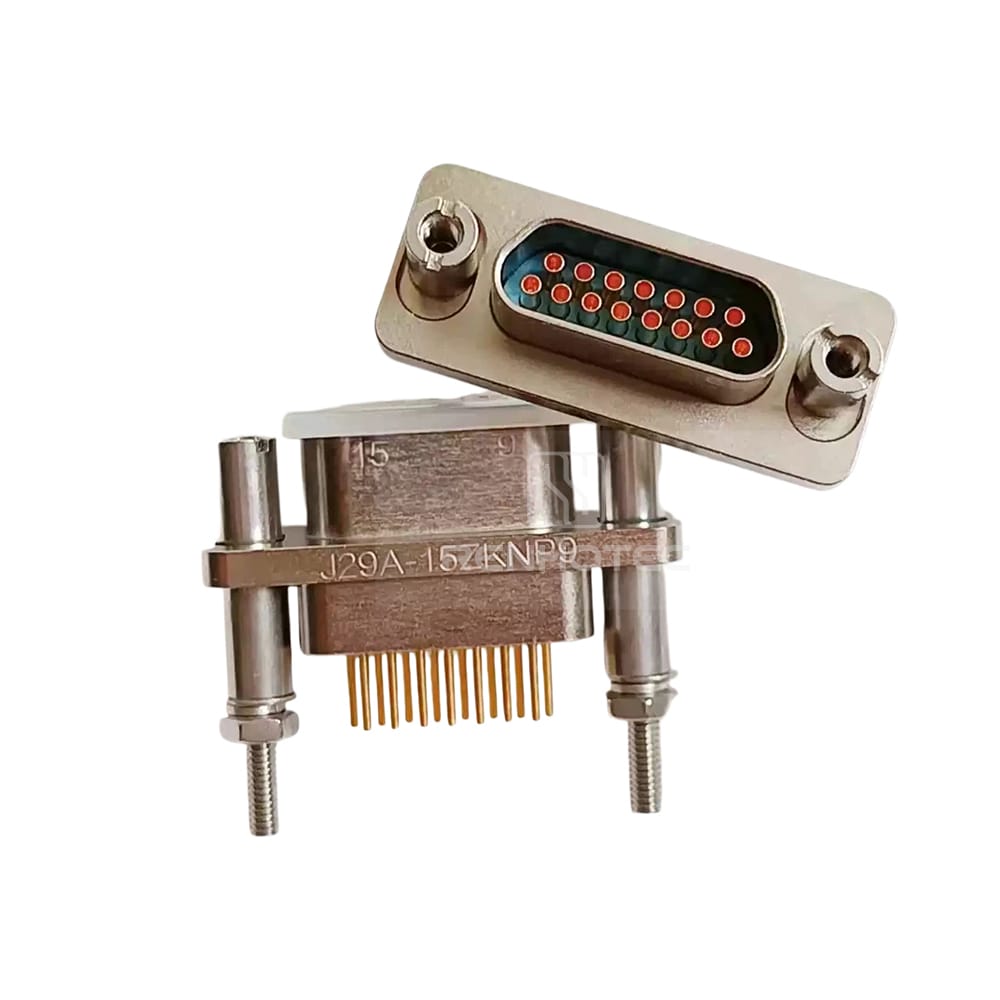
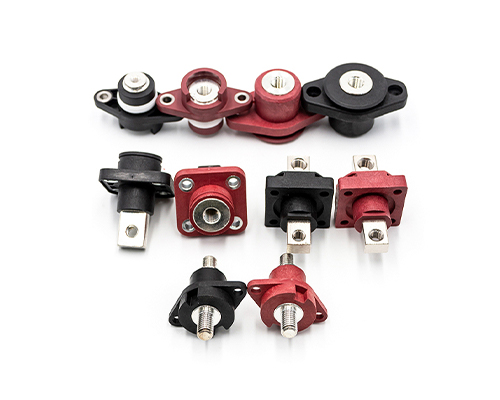
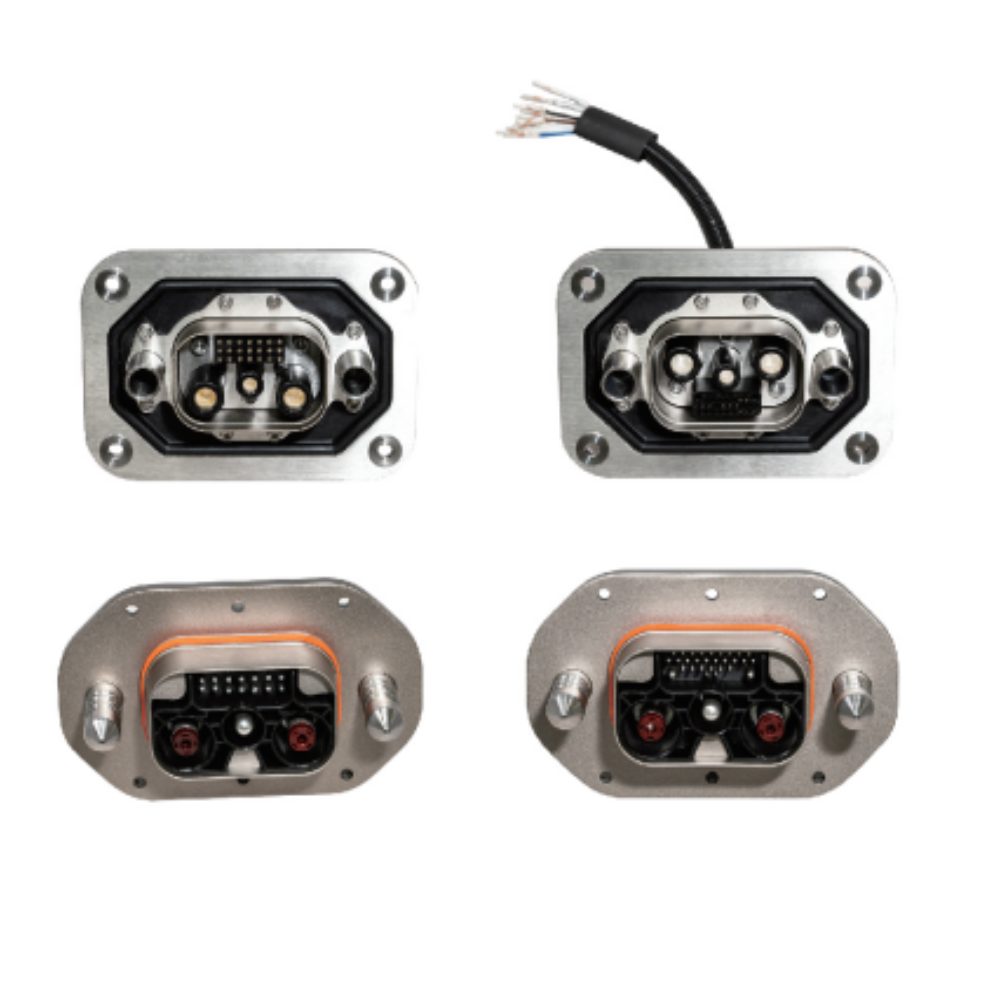
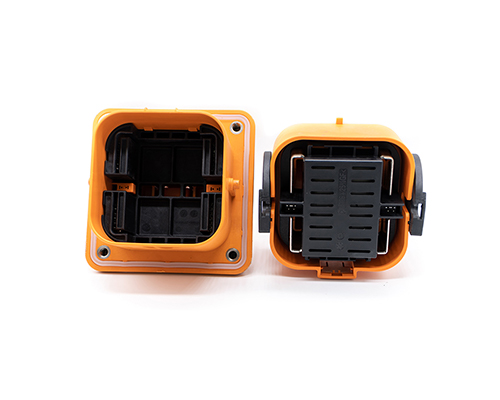
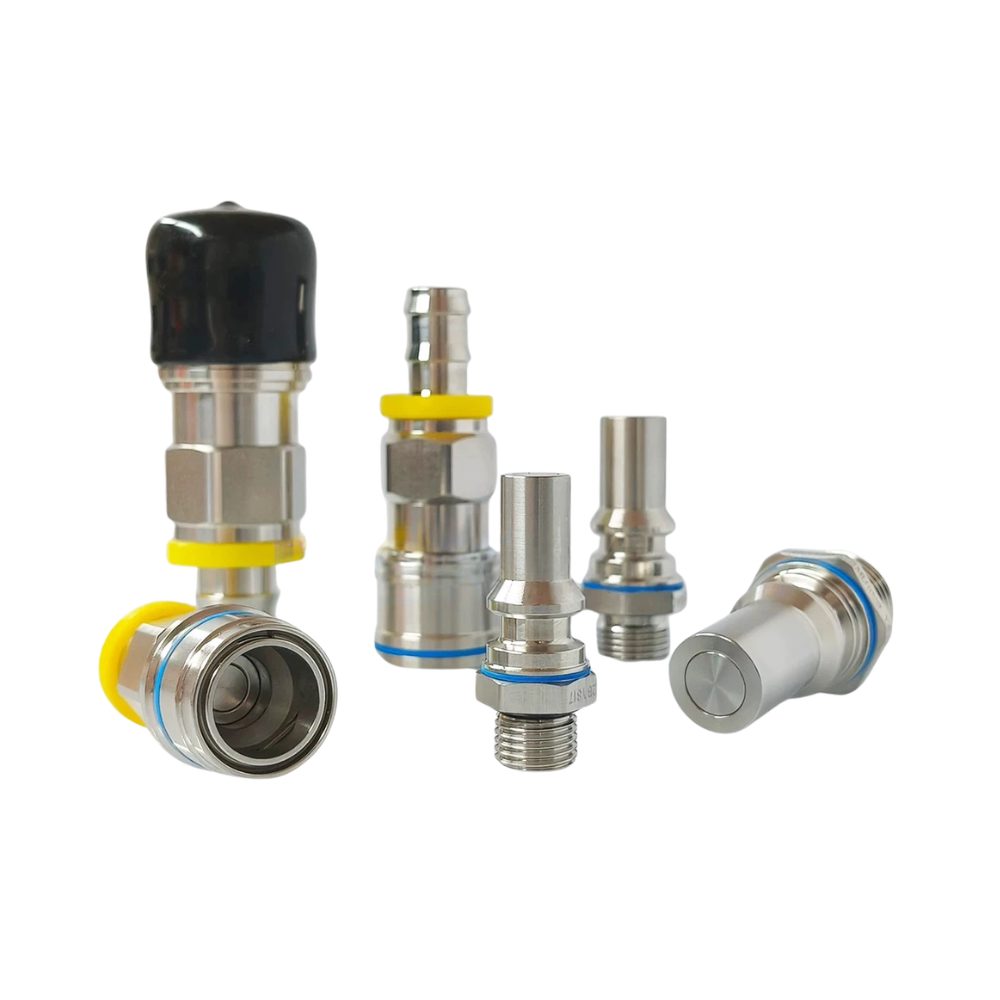
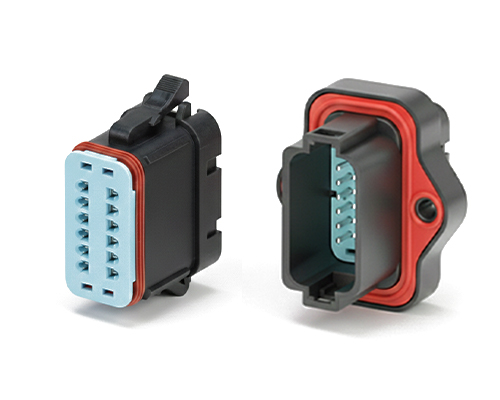
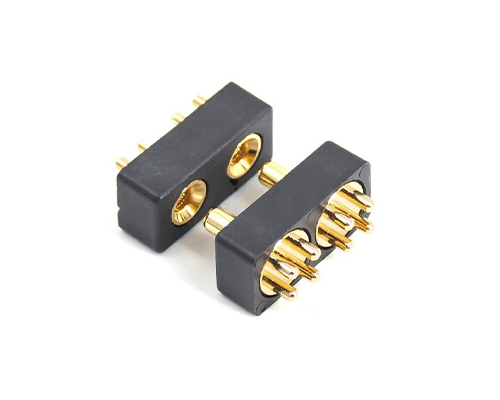
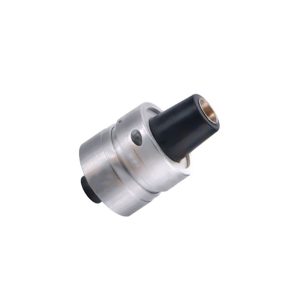
The Rectangular Connector is widely used in aerospace, medical instruments, consumer electronics (such as computers, TVs, game consoles, etc.), industrial control equipment, communication equipment, and automotive electronics. With its reliable connection performance, diverse specifications, and relatively convenient plug-in and unplug operations, it has become an indispensable component in various electronic and electrical applications.
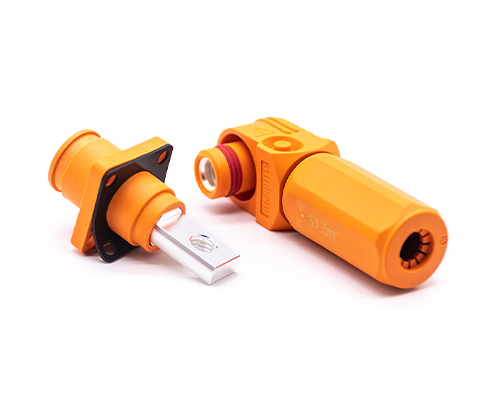
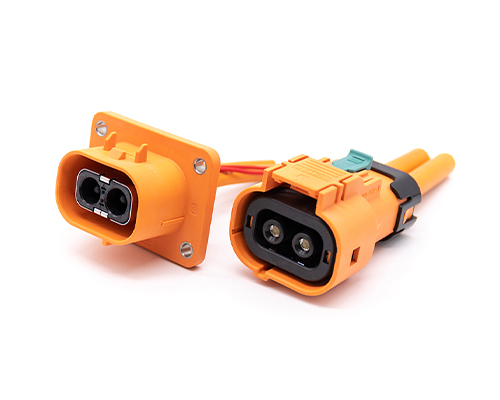
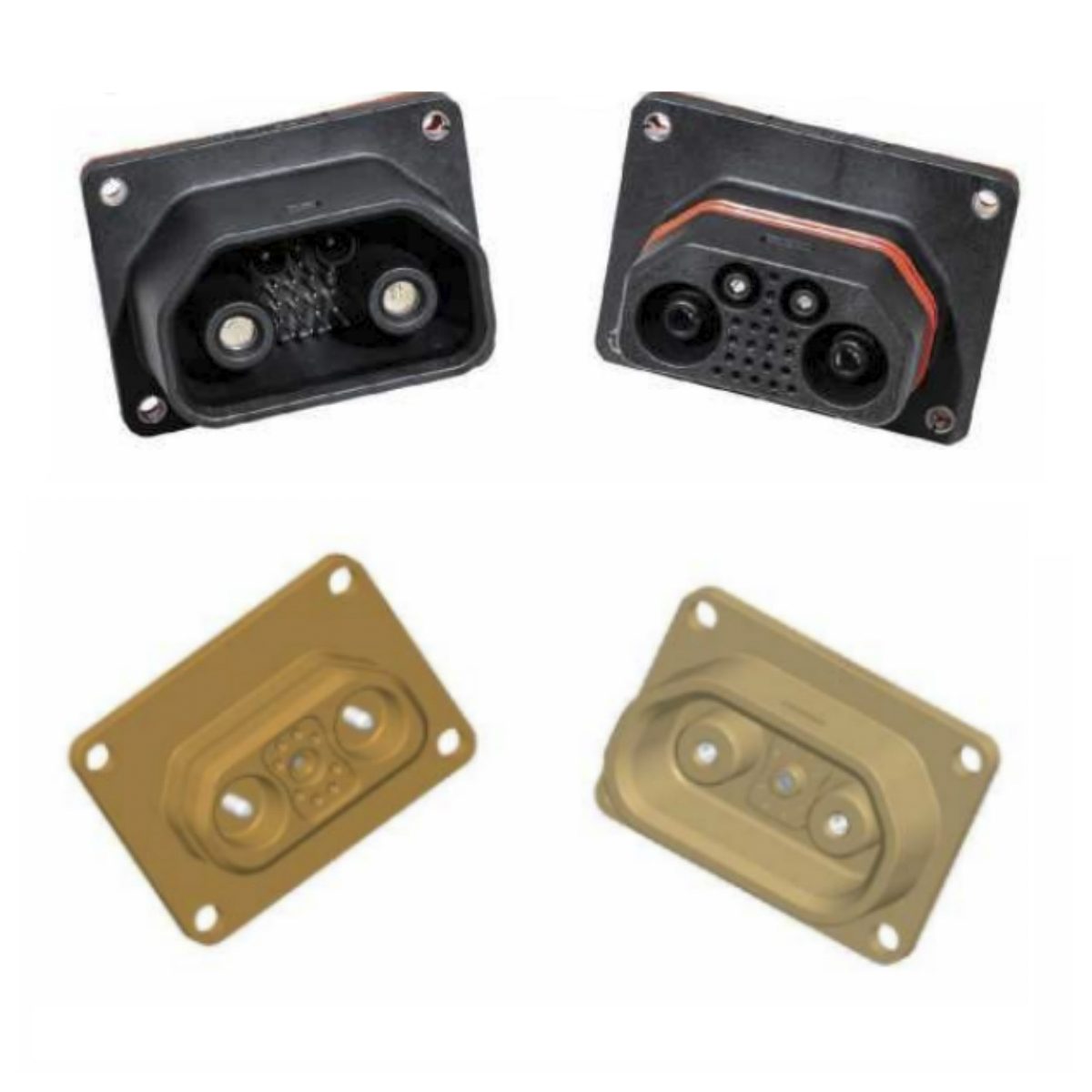
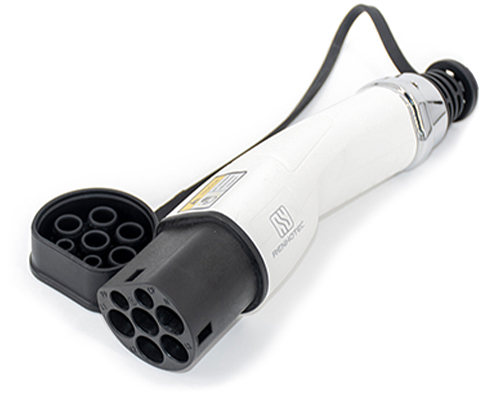
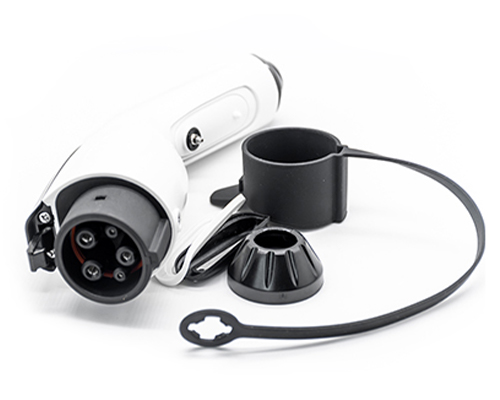
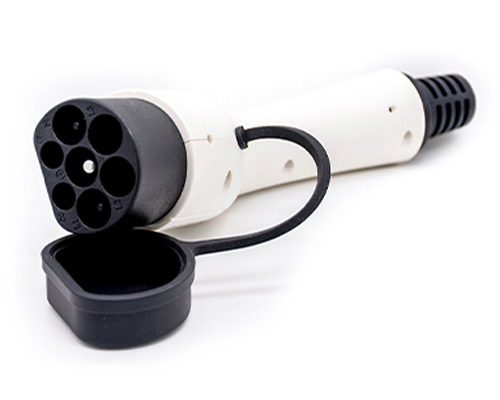
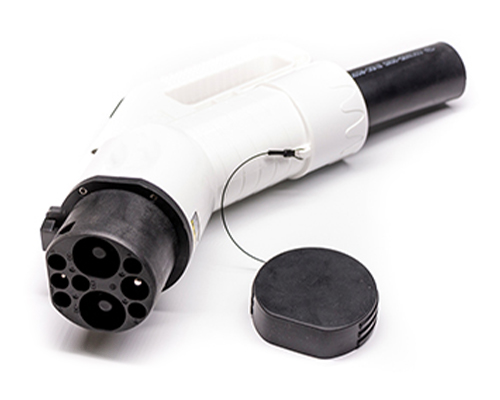
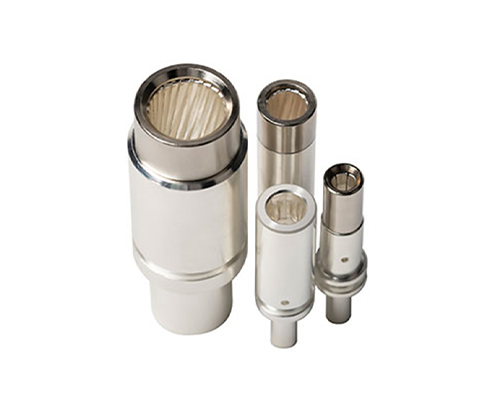
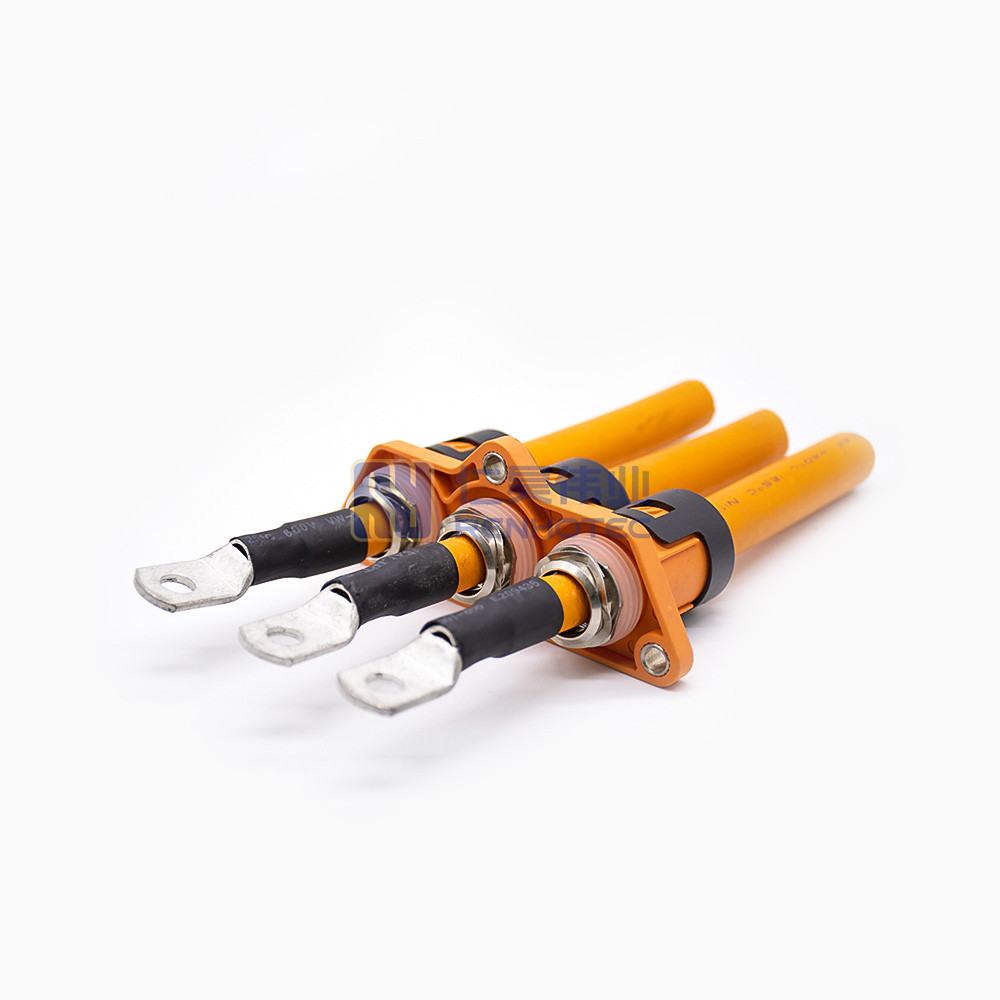
High Voltage Connectors are widely used in EV power systems, renewable energy installations, and industrial high-voltage circuits. Renhotec’s series drives the building of efficient, safe, and sustainable electrical ecosystems, meeting current technological demands.
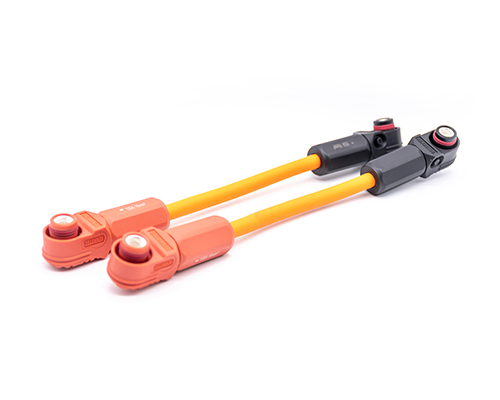
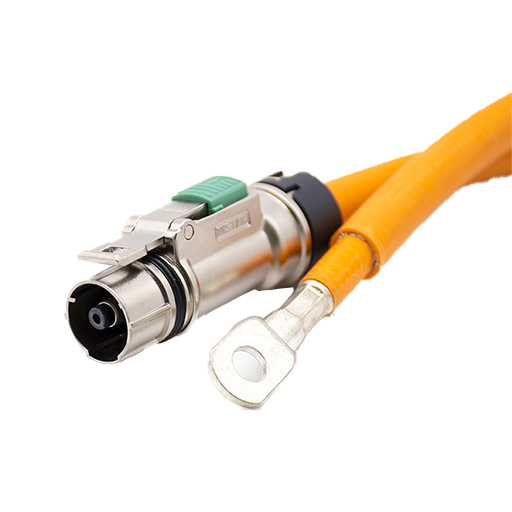
Renhotec EV Cable, crafted with top-notch conductive materials and meticulously engineered insulation, showcases outstanding impedance control and voltage-withstanding properties. Its design combines flexibility and durability to meet a wide array of installation needs. This cable is widely utilized in grid interconnections, large-scale industrial power supply systems, and high-voltage renewable energy projects, enabling smooth and efficient power transmission.
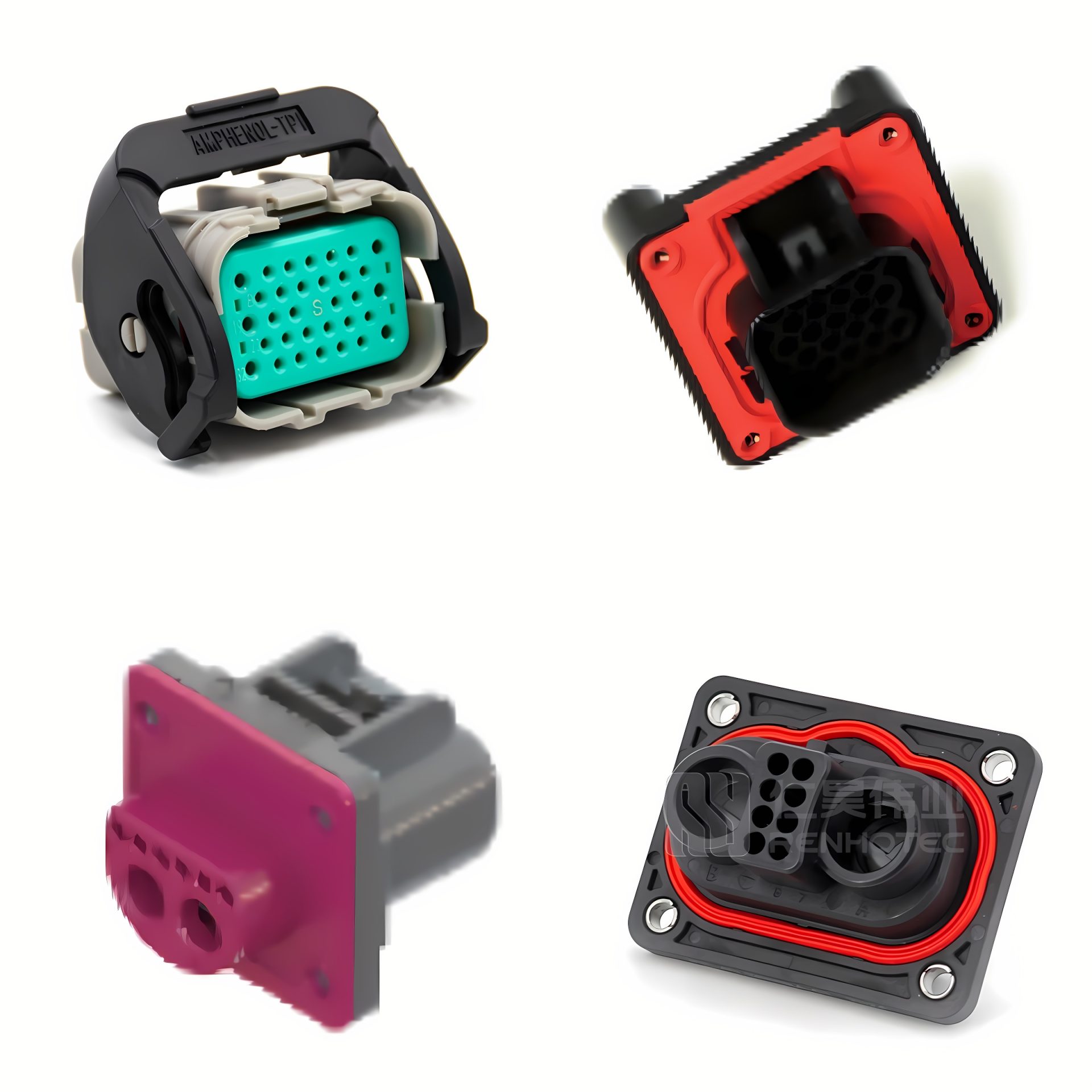
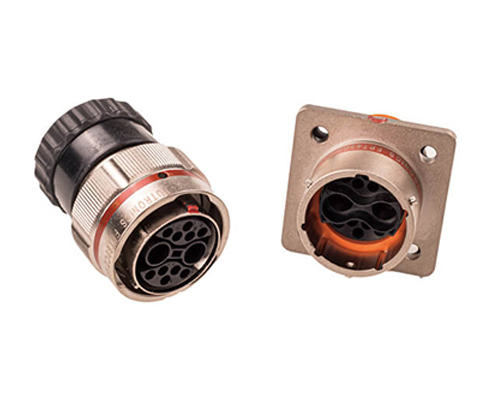
Renhotec, as a professional supplier, offers a comprehensive range of these Signal Transmission Connector products. Whether it is the high-reliability applications of the metal series or the wide adaptability of the plastic series in consumer electronic products, Renhotec can provide customers with high-quality options to meet the diverse requirements of signal transmission connections in different industries and scenarios.
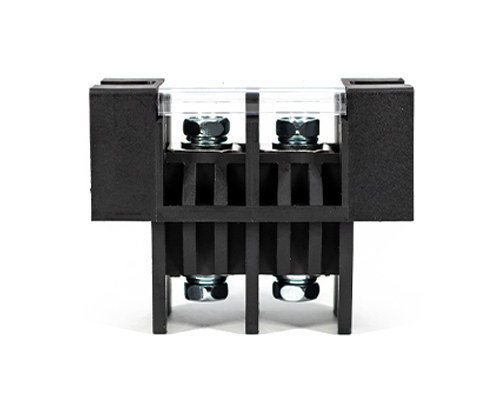
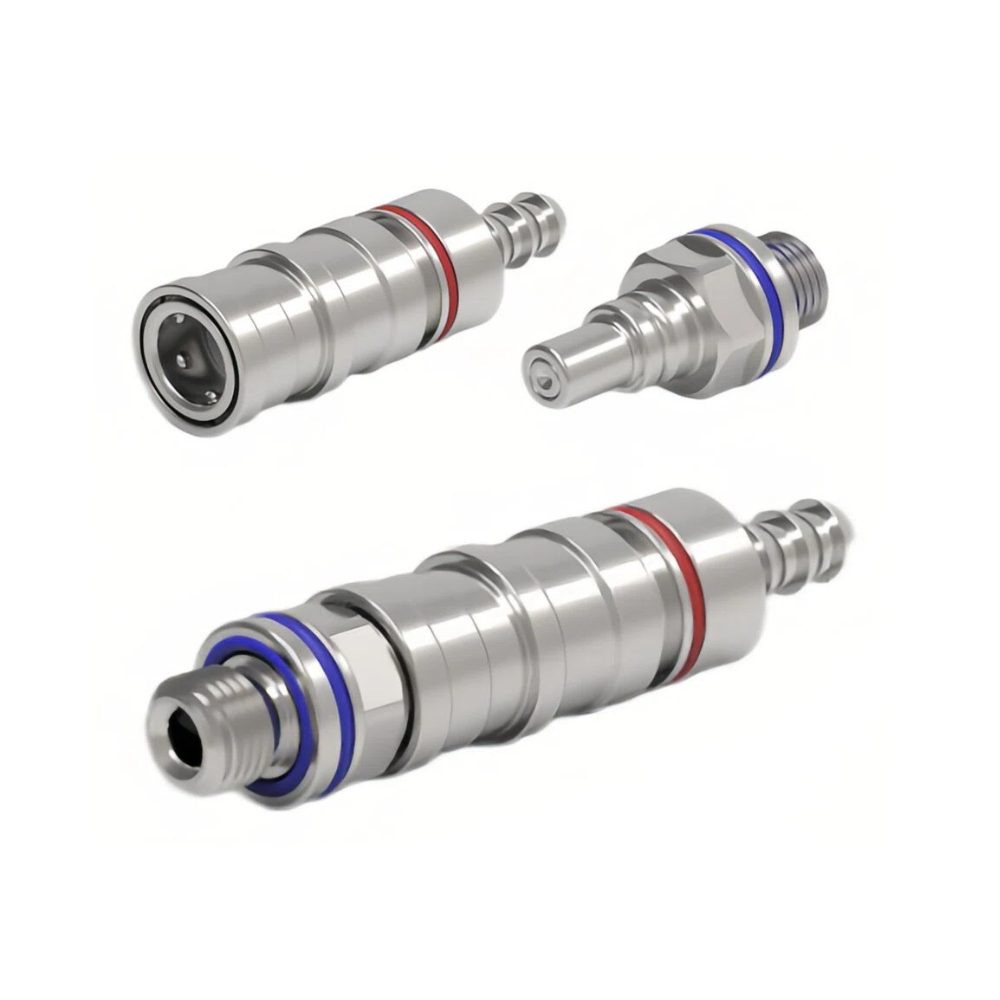
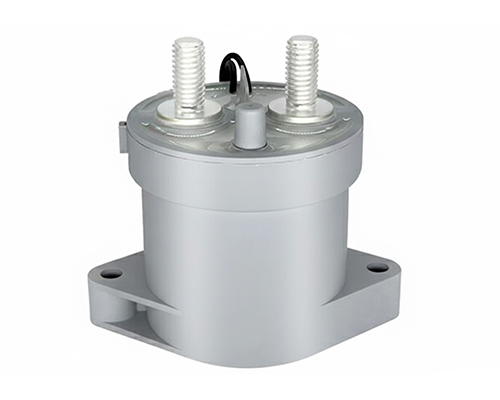
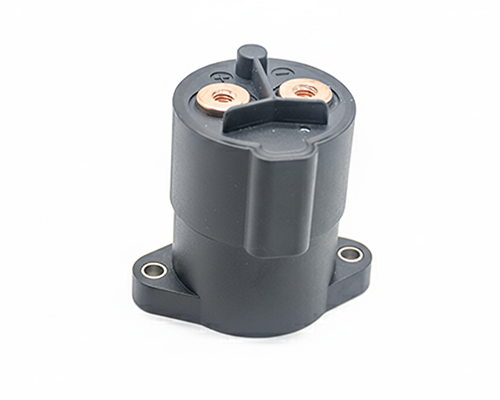
Renhotec, active in electrical components, offers High Voltage DC Contactors in Epoxy Resin Sealing and Ceramic Sealing variants, with a 20A – 1000A current range. The Epoxy Resin Sealing one is cost-effective and protective. The Ceramic Sealing variant excels in thermal stability and insulation. They’re widely used in EV charging, renewable energy grid, and industrial high-voltage DC power distribution for reliable circuit control and current interruption, providing comprehensive solutions for multiple sectors.
Understanding Chinese Rectangular Connector Standards: What is GJB, Q/JC, and ZZR
China’s defense and aerospace industries have grown rapidly. Today, its technologies in areas like stealth fighters, electronic reconnaissance ships, intercontinental missiles, manned spaceflight, and space stations are at a globally leading level.
Because these core supply chains rely heavily on independent R&D and domestic manufacturing, their components usually follow Chinese military or enterprise standards. Naturally, this creates a naming difference compared to the specifications used in the international market.
However, to meet global market needs, some Chinese standards are actually almost identical to international norms. This makes the products highly interchangeable. The electronic connector industry is a perfect example of this.
This guide will break down the various Chinese standards for common rectangular and micro-rectangular connectors. We will help you match the right specification to your exact project needs. It does not matter if you are looking for a high-density layout, extreme aerospace-grade reliability, or a cost-effective industrial alternative—we have you covered.
Before diving into specific connector series, it is essential to understand the hierarchy of Chinese industrial and military standards.
What is GJB (National Military Standard)?
“GJB” stands for Guo Jia Jun Biao, which translates to Chinese National Military Standard. It is the universal baseline for military-grade and high-reliability components in China. You can think of GJB as the Chinese equivalent to the MIL-STD or MIL-DTL systems used in the United States. When a connector meets a GJB standard, it has passed rigorous national-level testing for factors like vibration, shock, salt spray resistance, and temperature extremes.
What are Q/JC and ZZR (Enterprise / Institute Standards)?
You will often see standards starting with “Q/”, such as Q/JC, or specific institute codes like ZZR. The “Q” stands for Qi Ye, meaning Enterprise.
Why do these exist if there is already a national standard? In highly specialized fields like aerospace or advanced military systems, a specific institute or factory may develop a connector for an extreme environment that the general GJB standard does not fully cover. These internal enterprise standards are often stricter than national standards. They dictate highly customized requirements, such as enhanced anti-fog capabilities, specialized reliability growth protocols, or unique space-grade testing.
When buyers look for direct equivalents to international military rectangular connectors, the J-series under the GJB standard is usually the starting point.
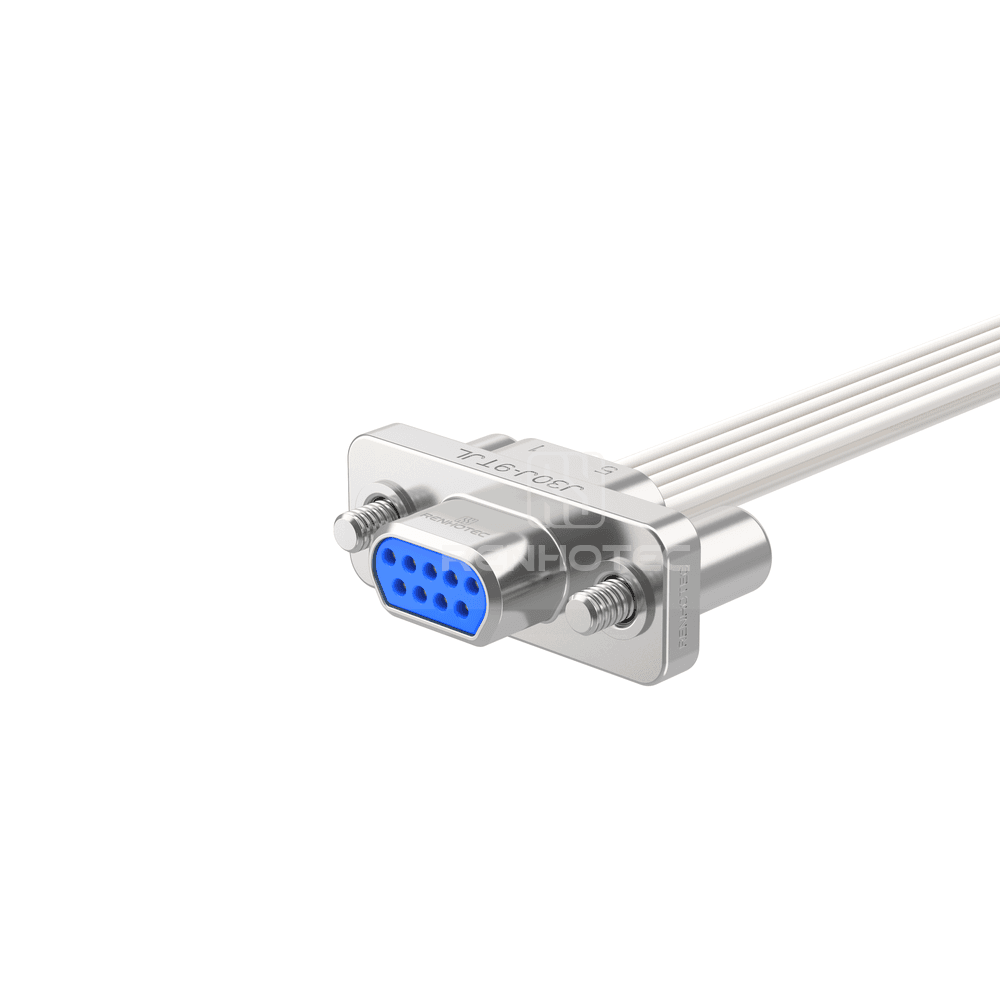
J30J Connectors: GJB2446A-2011 The J30J series is governed by the general specification GJB2446A-2011 and is categorized as a micro-miniature rectangular connector. For global procurement, the most critical takeaway is that this standard was specifically developed to align with the international MIL-DTL-83513 (Micro-D) norm. This means products meeting GJB2446A-2011 are designed to be fully cross-referencable, mechanically intermateable, and can serve as drop-in replacements for those seeking reliable MIL-DTL-83513 alternatives or a direct Micro-D cross reference.
While it is a well-known series, a healthy supply chain strategy involves evaluating your true demand for this specific military equivalent, as standard industrial projects may also be served by other high-density options. Below are the core technical parameters you can expect when sourcing a GJB2446A-compliant product:
Parameter
Specification
Pitch (Contact Spacing)
1.27 mm (0.050 inch)
Current Rating
3A
Operating Temperature
-55°C to +125°C
Dielectric Withstanding Voltage
600V AC (at sea level)
Insulation Resistance
≥ 5000 MΩ
Durability
500 mating cycles
Table 1: Core Parameters of GJB2446A-2011 (J30J Series)
Here is a direct comparison of the core parameters between GJB2446A-2011 and MIL-DTL-83513:
Feature / Parameter
GJB2446A-2011 (China)
MIL-DTL-83513 (US)
Compatibility
Pitch
1.27 mm
1.27 mm (0.050 inch)
Identical
Current Rating
3A
3A
Identical
Operating Temperature
-55°C to +125°C
-55°C to +125°C
Identical (for standard types)
Mechanical Interface
Standardized trapezoidal
Standardized trapezoidal
100% Intermateable
Vibration & Shock
Military-grade testing
Military-grade testing
Highly Equivalent
Table 2: Comparison: GJB2446A-2011 vs. MIL-DTL-83513
J14 Connectors: GJB142A-94 The J14 series complies with the GJB142A-94 standard. Unlike the micro-pitch J30J, this specification focuses on low-frequency, highly robust rectangular connections with slightly larger form factors. Buyers typically source J14 connectors for equipment that requires stable power or signal transmission in harsh environments. In these applications, high-frequency data rates are not the primary concern, but mechanical robustness is absolutely mandatory.
Parameter
Specification
Current Rating
Typically 2A to 5A (varies by contact size)
Operating Temperature
-55°C to +125°C
Dielectric Withstanding Voltage
800V AC (at sea level)
Insulation Resistance
≥ 5000 MΩ
Vibration Resistance
10 Hz to 2000 Hz
Table 3: Core Parameters of GJB142A-94 (J14 Series)
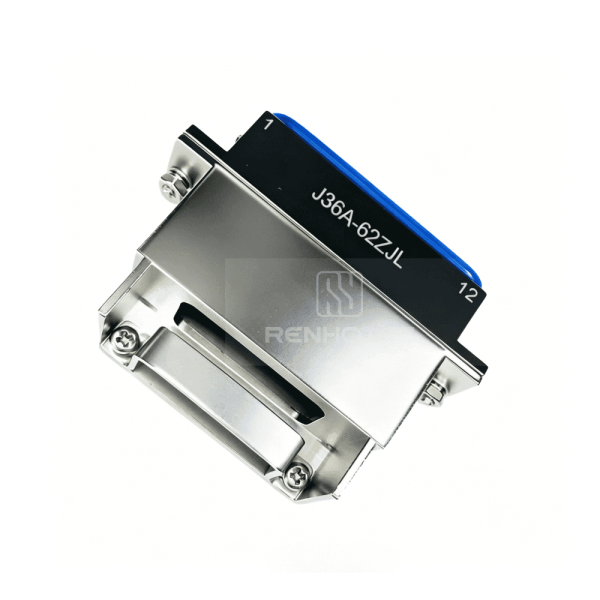
The J36A series (along with its J36W variant) is frequently used in highly specialized, extreme-environment projects. Because of its use in advanced aerospace and defense applications, it does not rely on a single GJB code. Instead, it is governed by a complex matrix of enterprise and aerospace-grade standards.
For buyers, you do not need to memorize these codes. Understanding them simply provides assurance that the manufacturing facility possesses top-tier quality control capabilities.
Here is a breakdown of the specific standards applied to the J36A series:
Series Standard Type
Standard Code
Meaning & Application Focus
Enterprise Military Standard
Q/Jc122-93
The foundational enterprise baseline for the J36A series design and mechanical integrity.
Military Wire Standard
Q/Jc238-2001
Governs the wiring and cable assembly specifications for military-grade integration.
Reliability Growth Standard
Q/Jc20023-2005
Dictates strict testing to identify and eliminate failure modes, extending operational lifespan.
CAST-Level Standard
CASTPS05/012-2006
Aligns with the China Academy of Space Technology testing protocols for space-grade use.
High-Reliability Standard
ZZR-Q/Jc20353-2013
A top-tier institute standard ensuring maximum reliability in mission-critical environments.
Anti-Fog Military Standard
Q/Jc20028-2005
Specific sealing and material requirements to prevent moisture condensation in extreme temperature fluctuations.
Table 4: A breakdown of the specific standards applied to the J36A series
J29A Series: High-Density Standards Derived from Micro-D
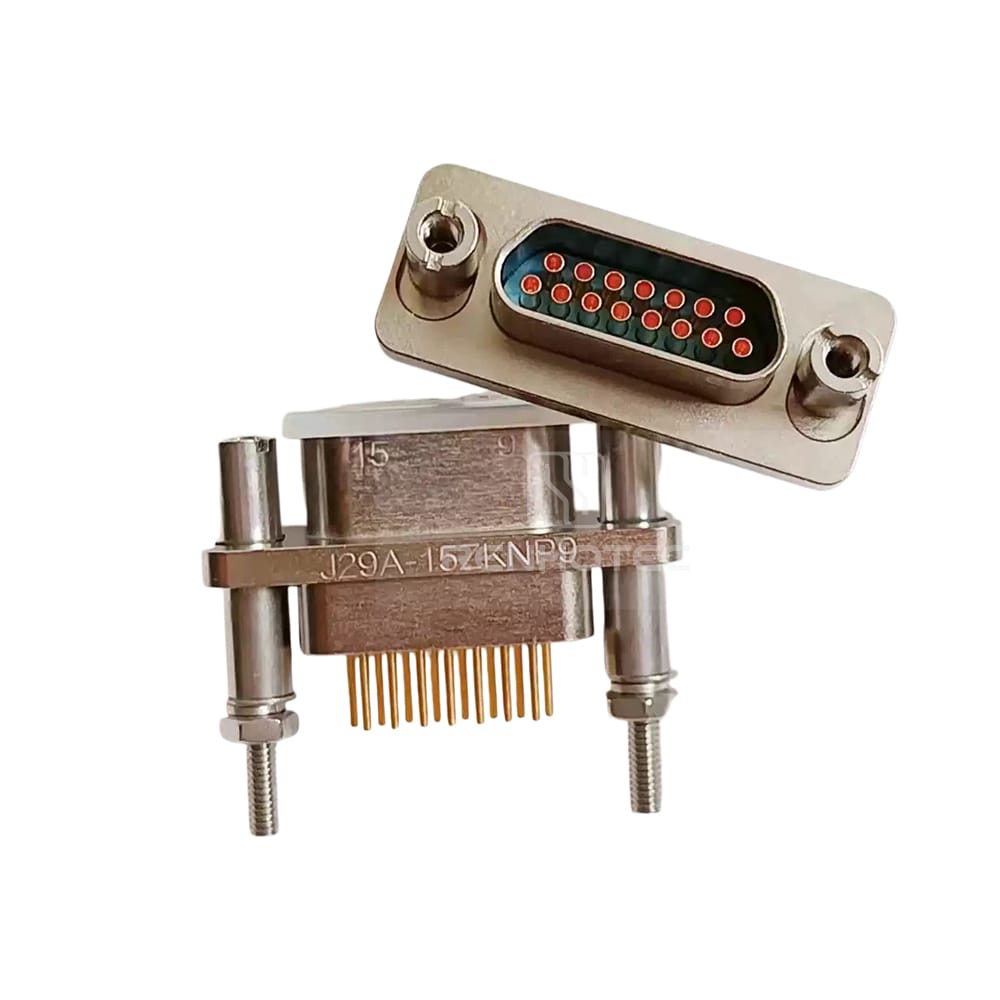
It is important to properly classify the J29A series to avoid procurement errors. The J29A is a high-density structure heavily derived from the Micro-D form factor and governed by rigorous Chinese military standards. It should not be confused with the Nano-D category.
Because it caters to extreme miniaturization in modern electronics, the engineering standards for the J29A series focus heavily on maintaining safe electrical parameters within a very compact pitch. Manufacturers producing the J29A must strictly control the creepage distance (the shortest path between two conductive parts measured along the surface of the insulation) and dielectric withstanding voltage to prevent short circuits in high-density layouts. Buyers typically specify the J29A for compact avionics, specialized communication gear, and UAV systems where custom high-density connectors are required, and where space and weight are at an absolute premium, but military-level durability is non-negotiable.
J30J vs. J29A: Sourcing and Selection Guide
Comparison Metric
J30J Series (MIL-DTL-83513 Equivalent)
J29A Series (High-Density Micro-Rectangular)
Core Positioning
The Universal Standard
The High-Density Solution
Space & Density
Standard Miniaturization: Typically features a standard 1.27mm pitch. It is compact but maintains standard structural proportions.
Ultra-High Density: Packs significantly more pins into a shell size similar to, or even smaller than, the J30J.
Engineering Focus
Highly mature technology. The primary focus is mechanical mating reliability under shock and vibration.
Because pins are packed so tightly, the core challenge is electrical insulation. It severely tests a manufacturer’s ability to control creepage distance to prevent short circuits.
International Equivalency
Can serve as a direct, drop-in replacement for the widely used MIL-DTL-83513 (Micro-D) standard.
A customized high-density structure evolved for extremely confined spaces. It may not offer a direct 1:1 blind replacement for a universal international standard.
When to Choose? (Typical Applications)
– The project blueprint explicitly requires MIL-DTL-83513.- Equipment space is tight, but still within conventional micro-connector limits.- You need fast procurement and multiple backup suppliers to ensure supply chain safety.
– Space on the PCB or inside the chassis is absolutely maxed out.- Ideal for micro-UAVs, ultra-compact wearable military comms, or micro-satellite internal components.- You prioritize “maximum signal channels per cubic millimeter” over universal compatibility.
Procurement Risks
A highly mature market with fierce price competition. The main risk is inconsistent quality control and material cutting among cheaper suppliers.
A product with high technical barriers. Choosing a factory with poor craftsmanship easily leads to equipment failure in damp or high-voltage environments due to insufficient creepage distance.
Summary Advice for Buyers:
If your engineers are not facing extreme, critical space limitations, and you prioritize supply chain stability, always default to the J30J. It is a highly versatile standard with very low trial-and-error costs.
You should only turn to the J29A when the J30J simply cannot fit into the physical design, or when you must forcefully double the amount of signal lines within the exact same footprint.
Unlike the J-series which strictly follows the Chinese GJB and Q/JC nomenclature, the M80 series represents an internationally recognized high-reliability standard.
In the global market, buyers often search for a Harwin Datamate equivalent. Chinese M80 rectangular connectors serve exactly this purpose, acting as reliable alternatives for established 2mm pitch high-reliability connectors. When sourcing M80 connectors from Chinese manufacturers, the specifications usually align with rigorous industrial and military testing protocols (such as BS CECC 75101-802 or equivalent vibration and shock resistance tests). They offer a secure, high-vibration resistant connection suitable for industrial automation, robotics, and commercial aerospace, serving as a versatile bridge between pure military specs and industrial needs.
FAQ: How to Specify Standards in Your Purchase Orders (PO)
When drafting your PO or Request for Quote (RFQ), getting the specifications right is crucial. Here are the most common questions buyers ask when specifying Chinese connector standards:
Q: How does the end-use environment affect which standard I should specify?
A: Your deployment environment dictates the required testing level. If you are deploying in a standard industrial setting, an M80 equivalent is often sufficient. However, if your application involves unpressurized aerospace environments or extreme vibration, you must specify a higher-tier standard, such as a ZZR or CAST-level J36A connector.
Q: How should I request a direct equivalent for a US military standard like MIL-DTL-83513?
A: Do not just ask for a “micro-rectangular connector.” To ensure complete mechanical and electrical compatibility, explicitly request a J30J series connector that is compliant with the GJB2446A standard. This acts as a direct drop-in replacement for the MIL-DTL-83513.
Q: What should I specify if my project has extreme space constraints?
A: For ultra-compact designs where a standard J30J will not fit, clearly request the J29A series. Because it is a high-density connector, you must also verify with your supplier that the creepage distance data matches your strict PCB layout constraints to prevent short circuits.
Q: Should I avoid Chinese enterprise standards (Q/JC) when sourcing?
A: Not at all. Do not be afraid of Q/JC specs. If your application has unique challenges—such as extreme temperature shifts causing condensation—requesting a connector that meets a specific enterprise anti-fog standard (like Q/Jc20028-2005) provides targeted protection that general national standards might not cover.
Q: What if I am still unsure how to cross-reference a part number?
A: Send us your original datasheet. Our engineering and procurement team will map the exact J-series or M80 connector with the correct specifications and structural requirements for your local application.
Need help crossing a part number? Still unsure which Chinese standard matches your local project requirements? Navigating Chinese electronic component sourcing doesn’t have to be hard. Send us your datasheet, and our team of expert connector manufacturers in China will map the exact J-series or M80 connector with the correct specifications and structural requirements for your application.

 Deutsch