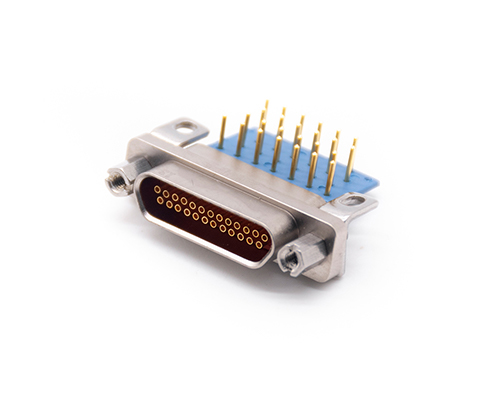
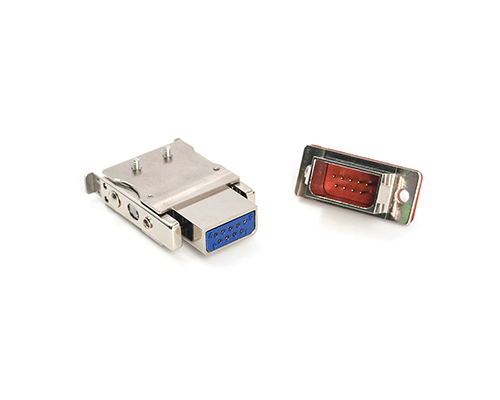
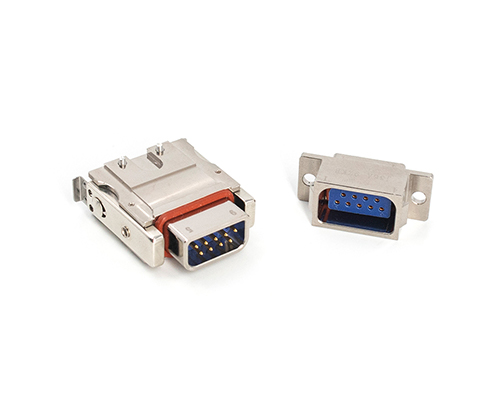
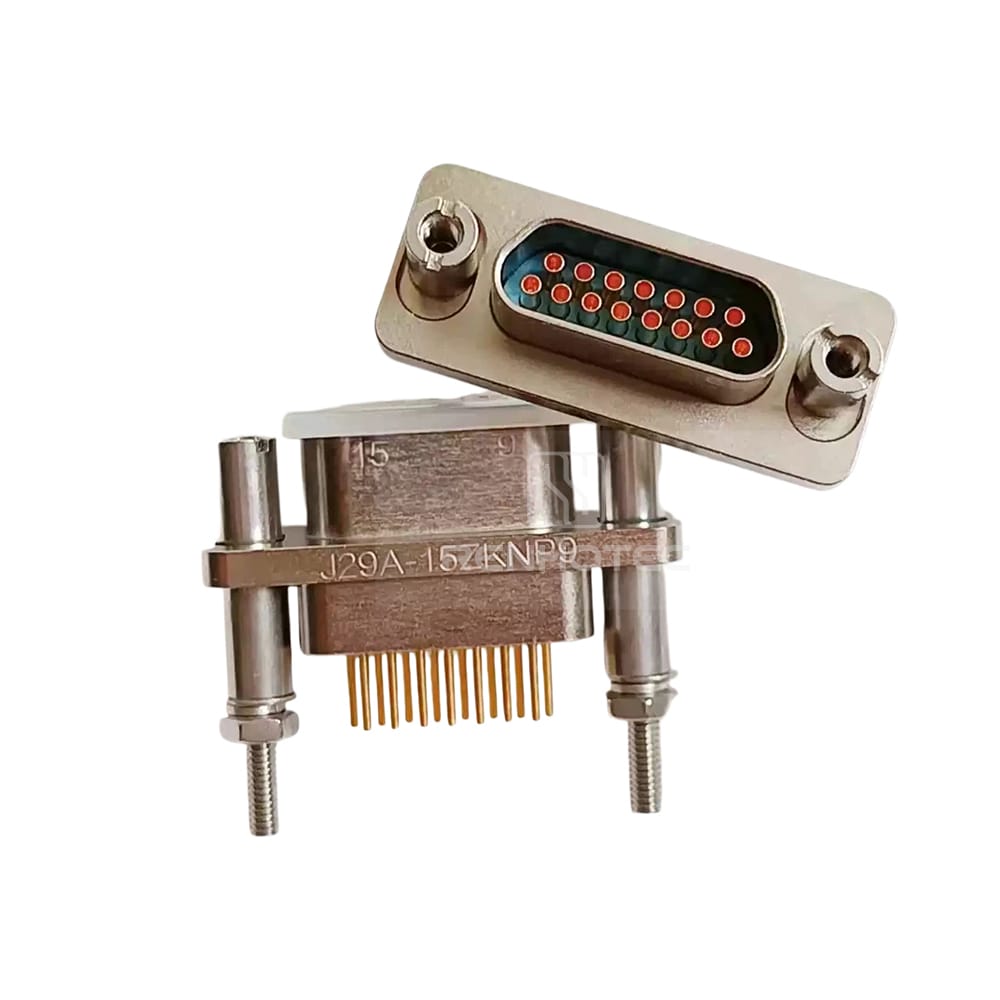
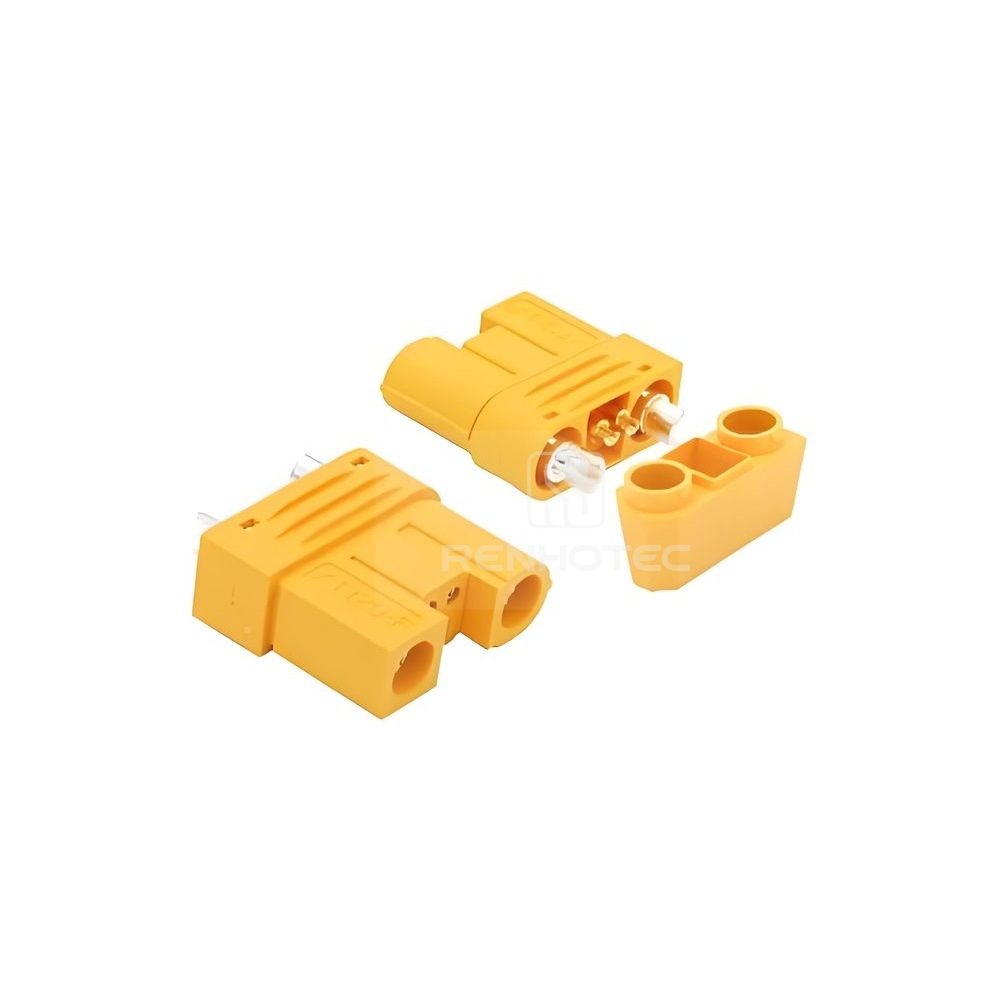
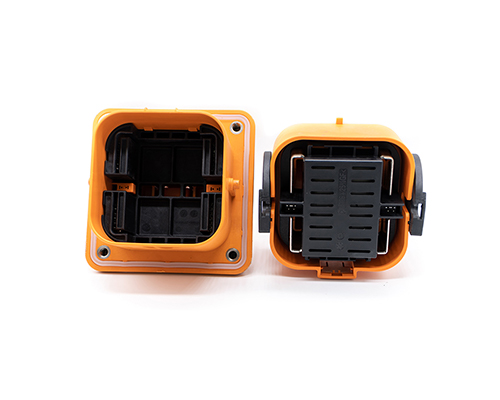
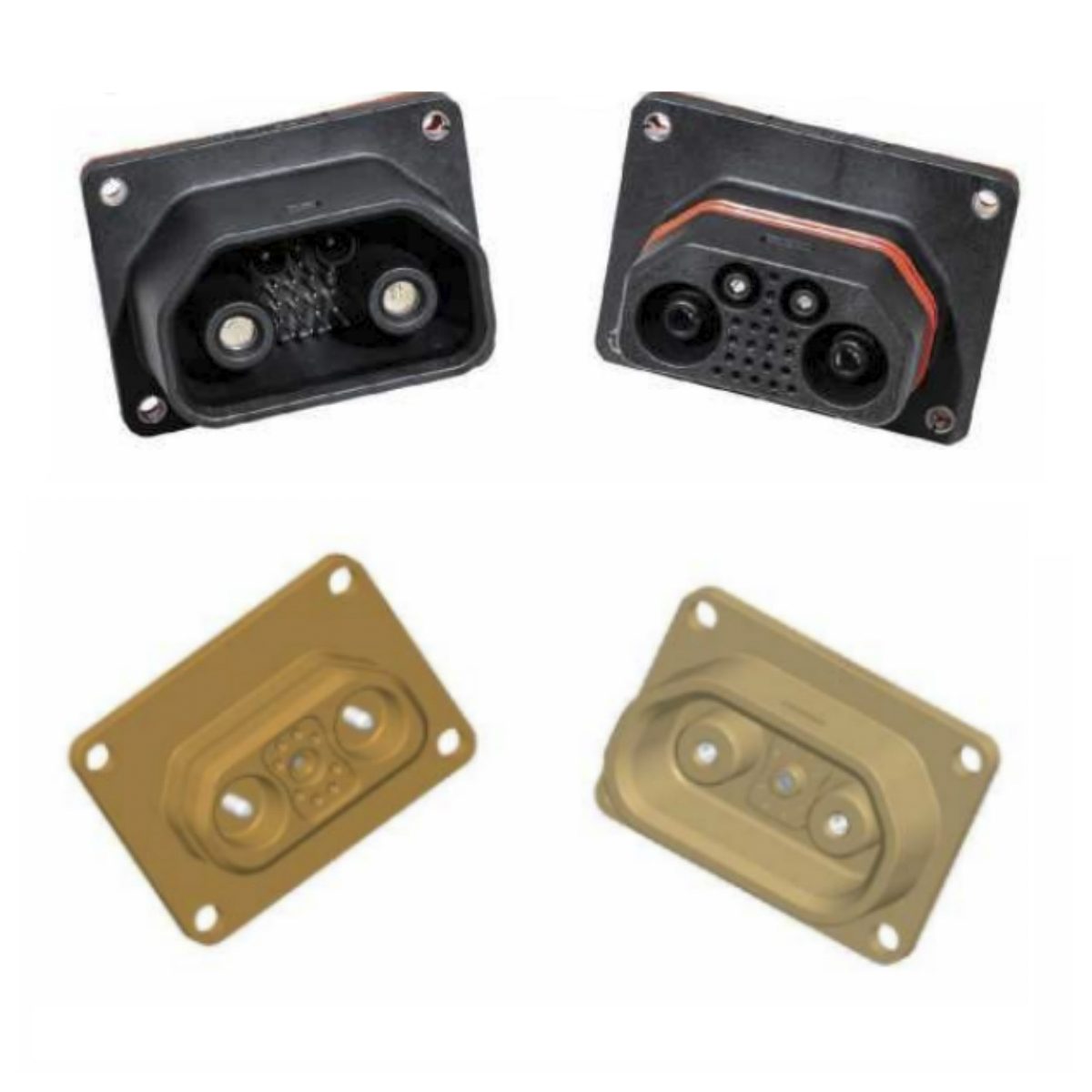
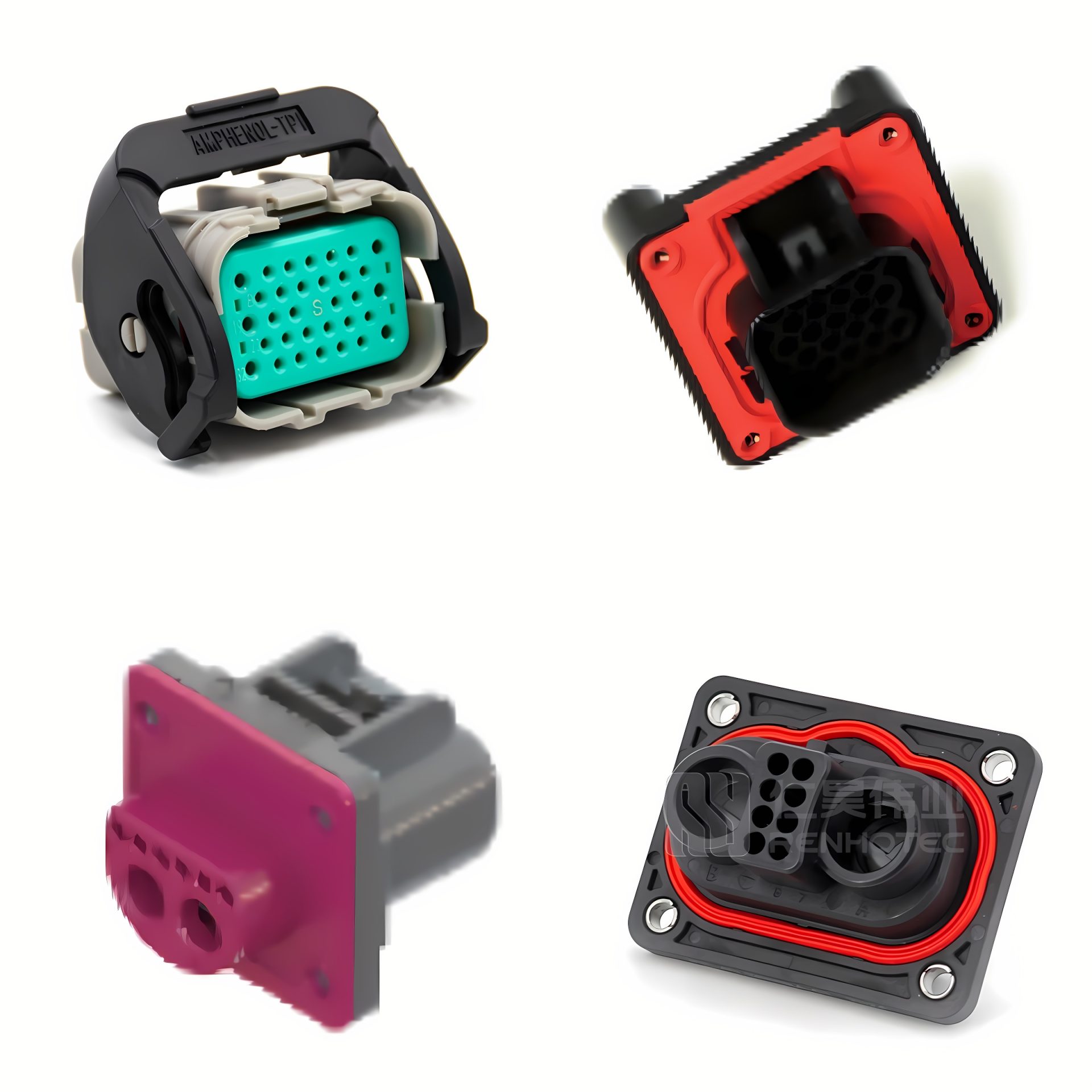
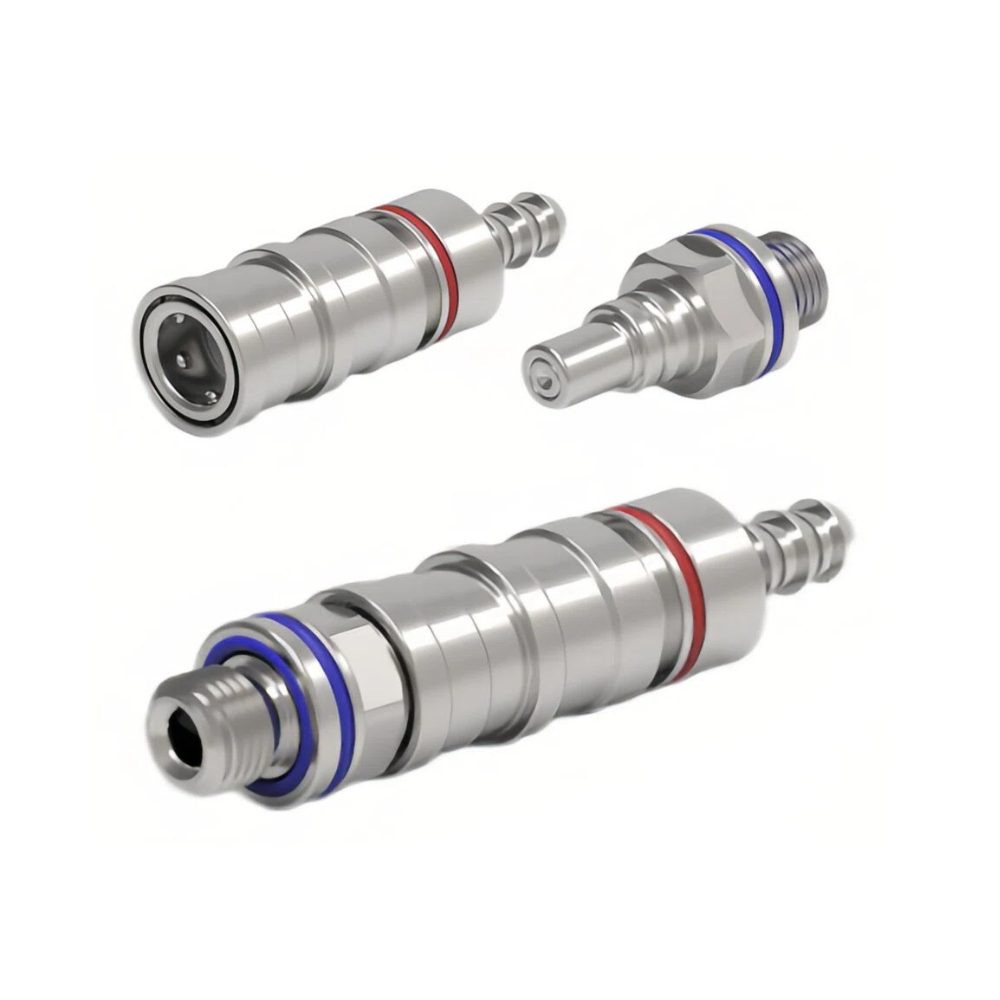
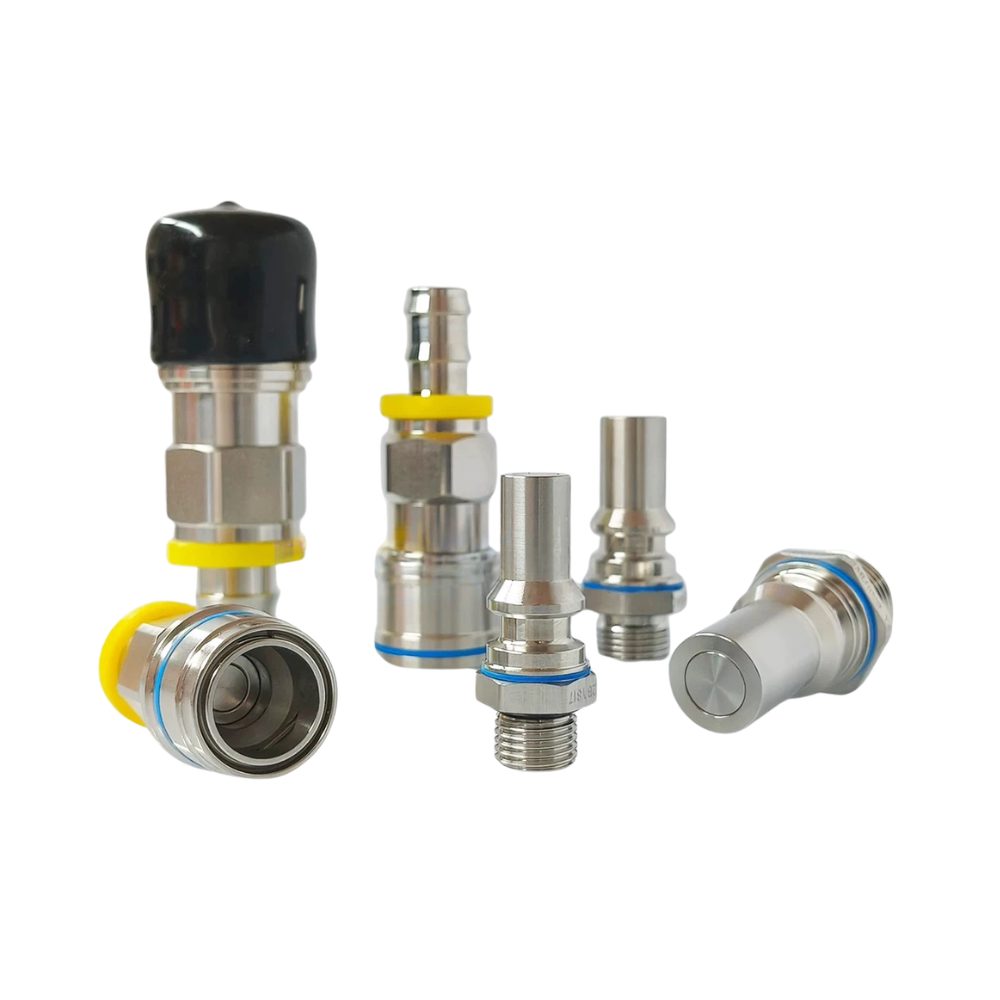
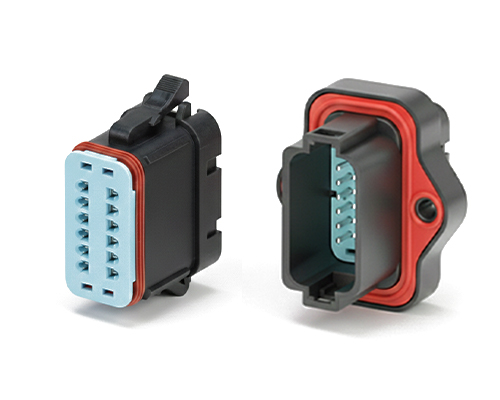
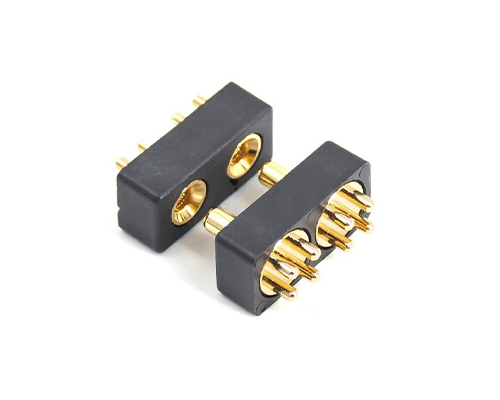
The Rectangular Connector is widely used in aerospace, medical instruments, consumer electronics (such as computers, TVs, game consoles, etc.), industrial control equipment, communication equipment, and automotive electronics. With its reliable connection performance, diverse specifications, and relatively convenient plug-in and unplug operations, it has become an indispensable component in various electronic and electrical applications.
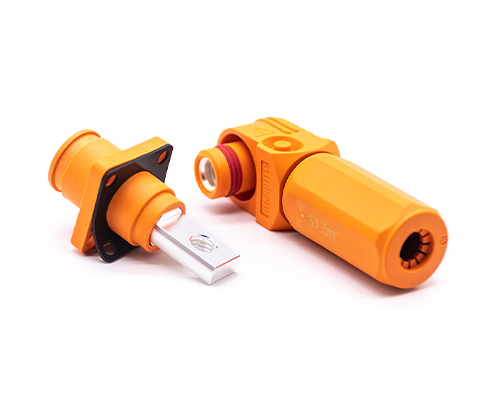
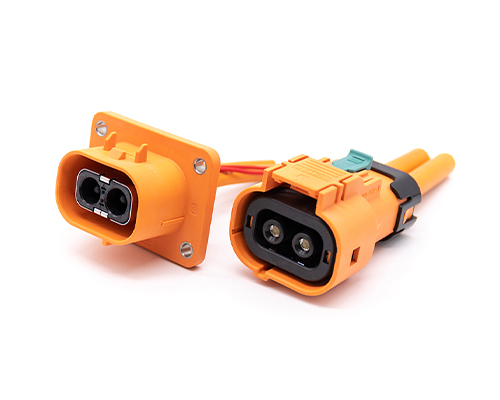
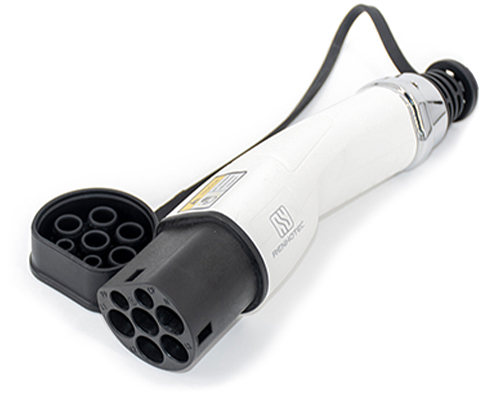
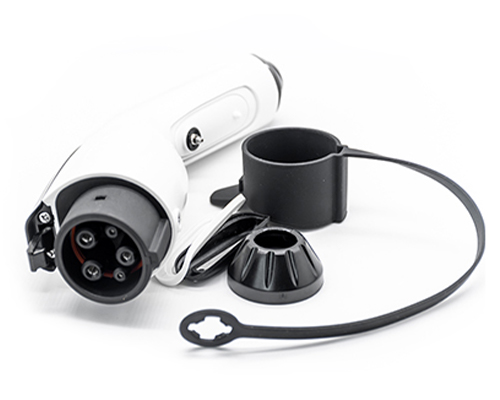
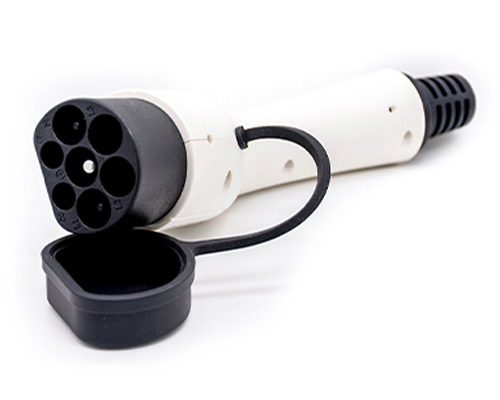
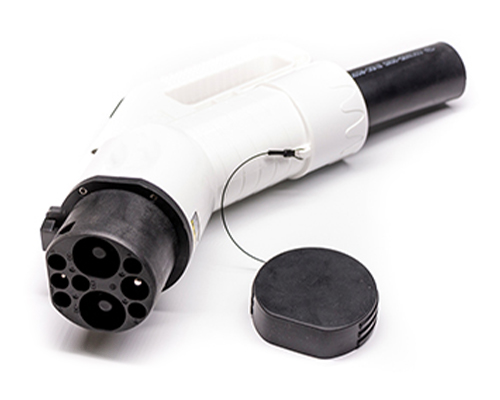
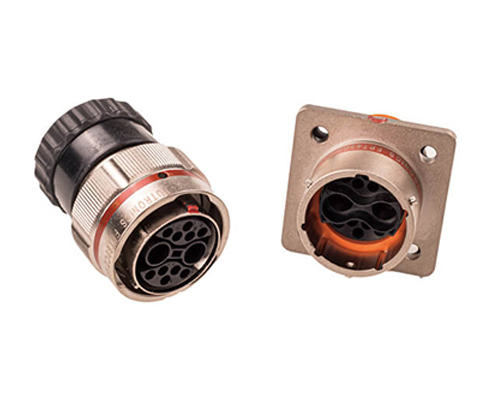
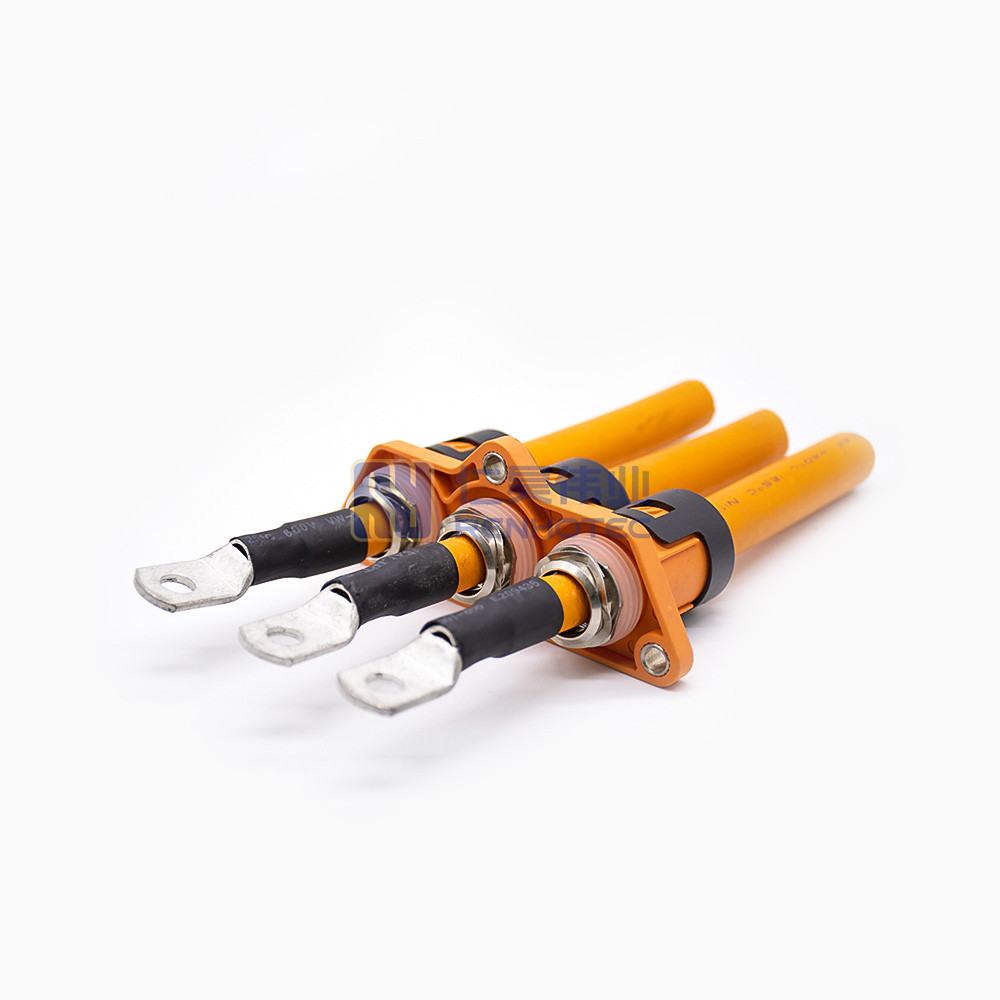
High Voltage Connectors are widely used in EV power systems, renewable energy installations, and industrial high-voltage circuits. Renhotec’s series drives the building of efficient, safe, and sustainable electrical ecosystems, meeting current technological demands.
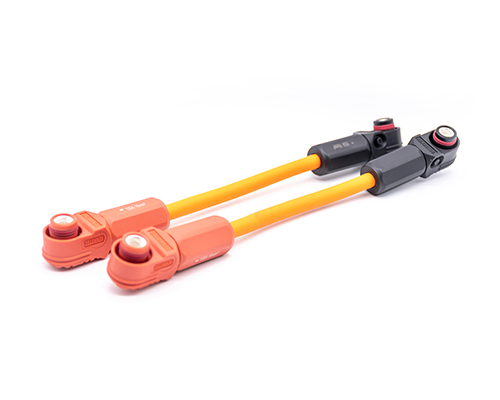
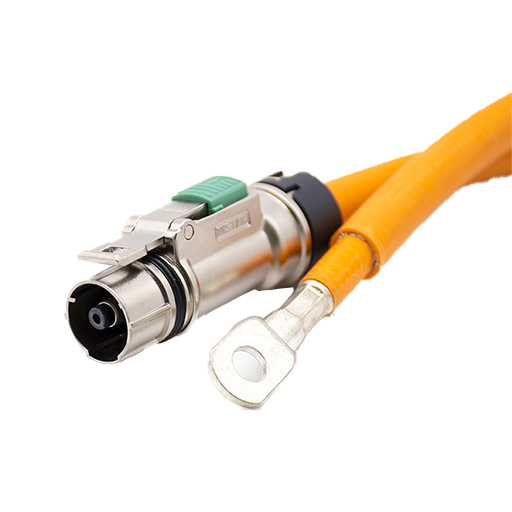
Renhotec EV Cable, crafted with top-notch conductive materials and meticulously engineered insulation, showcases outstanding impedance control and voltage-withstanding properties. Its design combines flexibility and durability to meet a wide array of installation needs. This cable is widely utilized in grid interconnections, large-scale industrial power supply systems, and high-voltage renewable energy projects, enabling smooth and efficient power transmission.
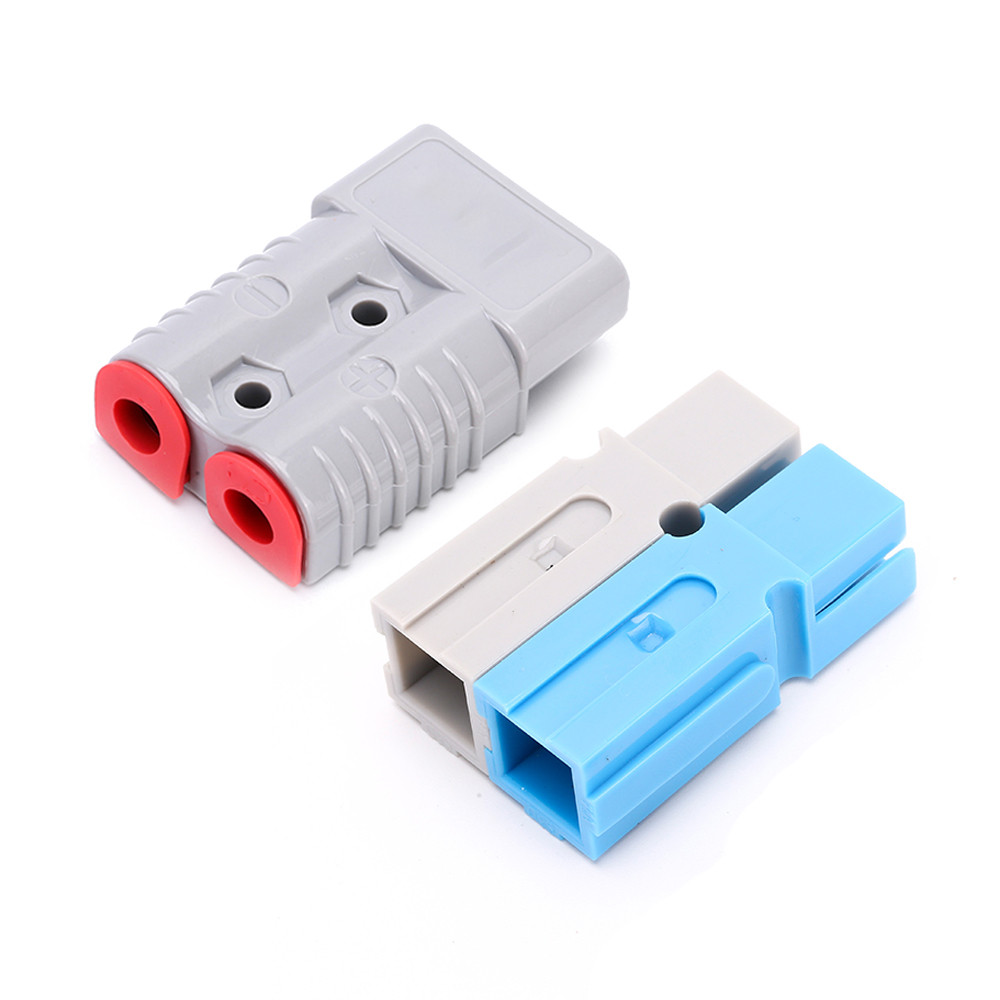
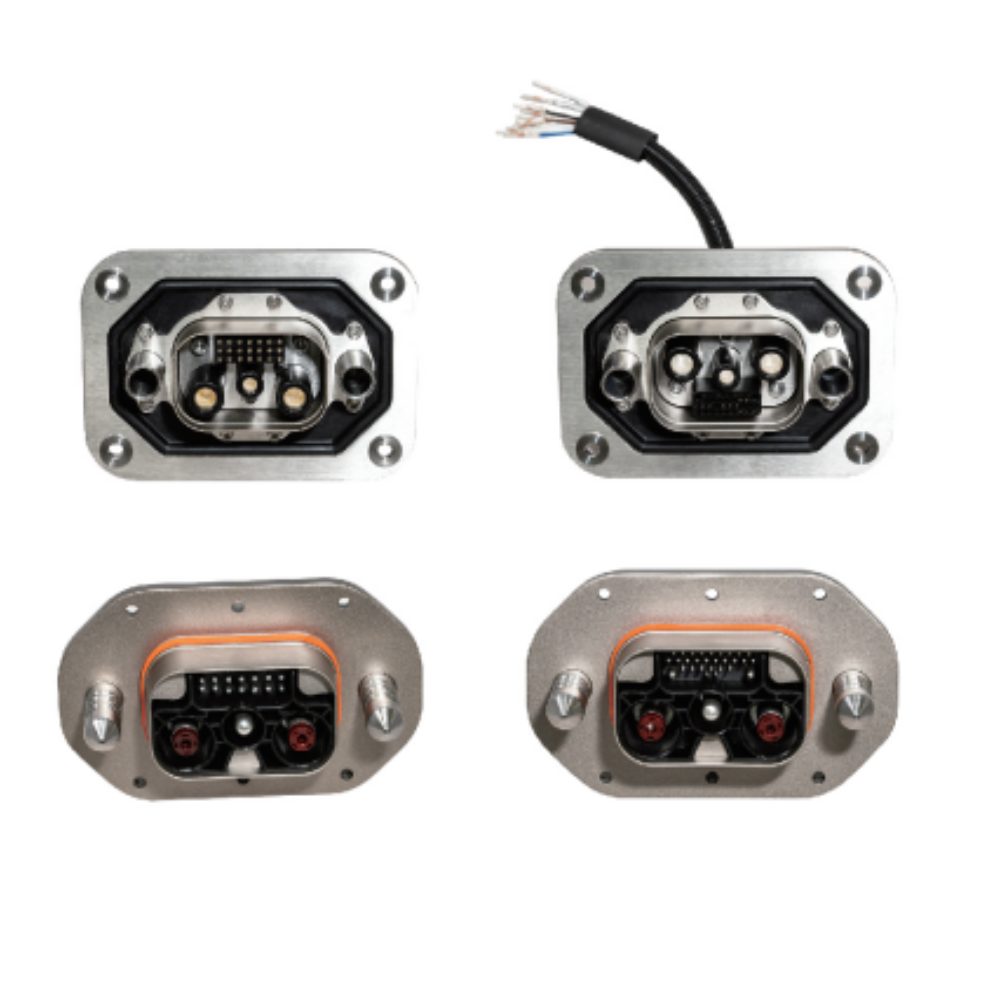
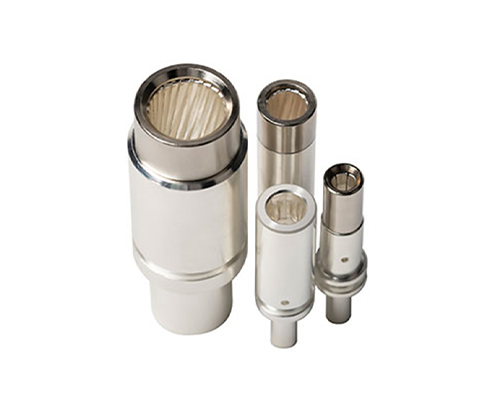
Renhotec, as a professional supplier, offers a comprehensive range of these Signal Transmission Connector products. Whether it is the high-reliability applications of the metal series or the wide adaptability of the plastic series in consumer electronic products, Renhotec can provide customers with high-quality options to meet the diverse requirements of signal transmission connections in different industries and scenarios.
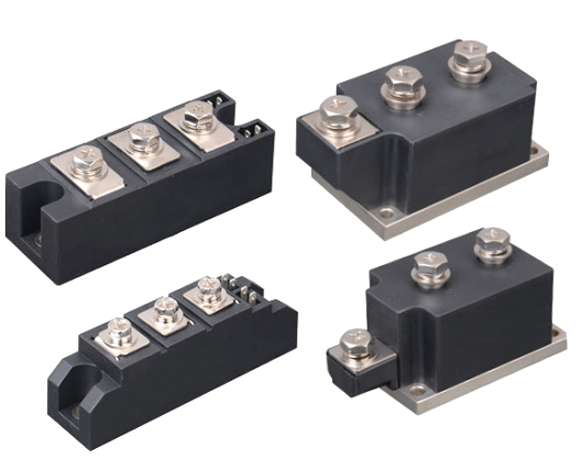
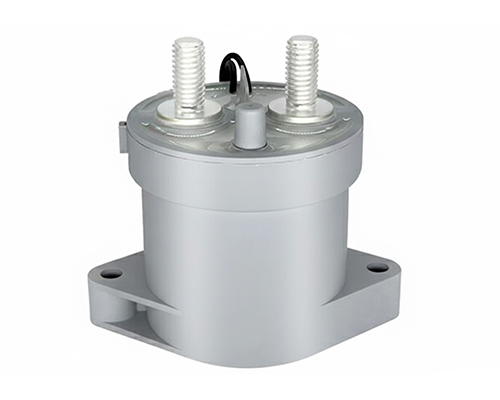
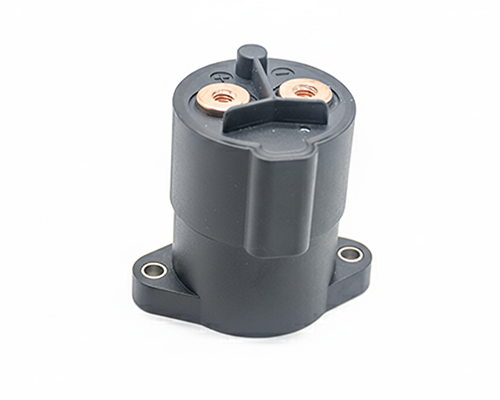
Renhotec, active in electrical components, offers High Voltage DC Contactors in Epoxy Resin Sealing and Ceramic Sealing variants, with a 20A – 1000A current range. The Epoxy Resin Sealing one is cost-effective and protective. The Ceramic Sealing variant excels in thermal stability and insulation. They’re widely used in EV charging, renewable energy grid, and industrial high-voltage DC power distribution for reliable circuit control and current interruption, providing comprehensive solutions for multiple sectors.
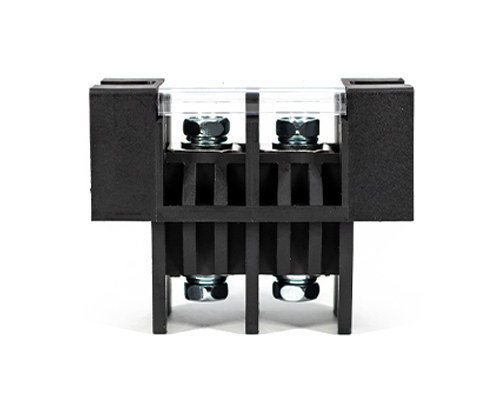
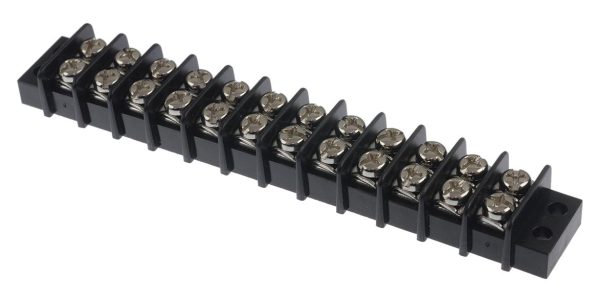
Terminal blocks are modular electrical connectors designed to join multiple wires together in a secure and organized manner. They are commonly used in industrial control panels, household appliances, and low- to medium-current circuits. Terminal blocks provide a safe, easy-to-maintain solution for wiring distribution and signal connections.
However, standard terminal blocks have limitations when it comes to high-current applications. Most conventional blocks are rated for currents well below 100A, and their mechanical design is not optimized for environments with vibration or thermal stress. In addition, ordinary binding posts are not designed for through-wall installation and are not suitable for mobile or high-current systems such as RVs and yachts.
Limitations of Terminal Blocks for High-Current Applications
While binding posts perform well in low voltage or low current circuits, they are generally not suitable in high current applications of 300–600A. The main limitations include:
Current Carrying Capacity: Terminal blocks may overheat or degrade under high current, risking connection failure.
Panel Penetration: They are typically designed for mounting inside enclosures and are not built for wires passing through panels with insulation and environmental protection.
Mechanical Strength: Mobile applications like RVs and yachts expose connectors to vibration and shock. Terminal blocks generally lack the robust structure required for safe operation in these environments.
Safety Concerns: High-current connections without proper insulation and enclosure sealing can result in short circuits or fire hazards.
In short, for high-current applications in mobile or marine environments, standard terminal blocks are not a reliable solution.
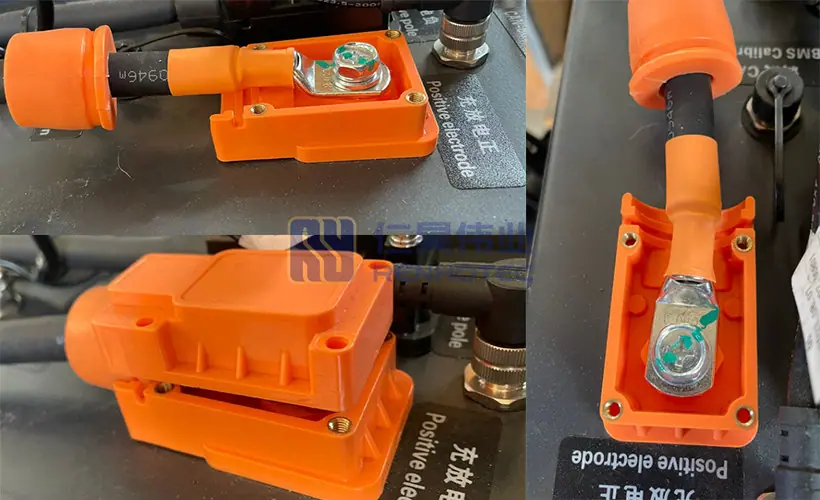
Terminal Block
What Is a Through-Wall Power Terminal?
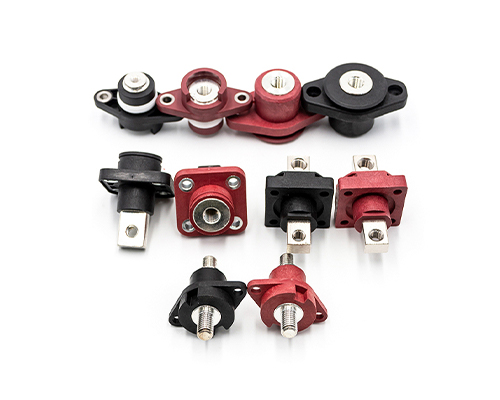
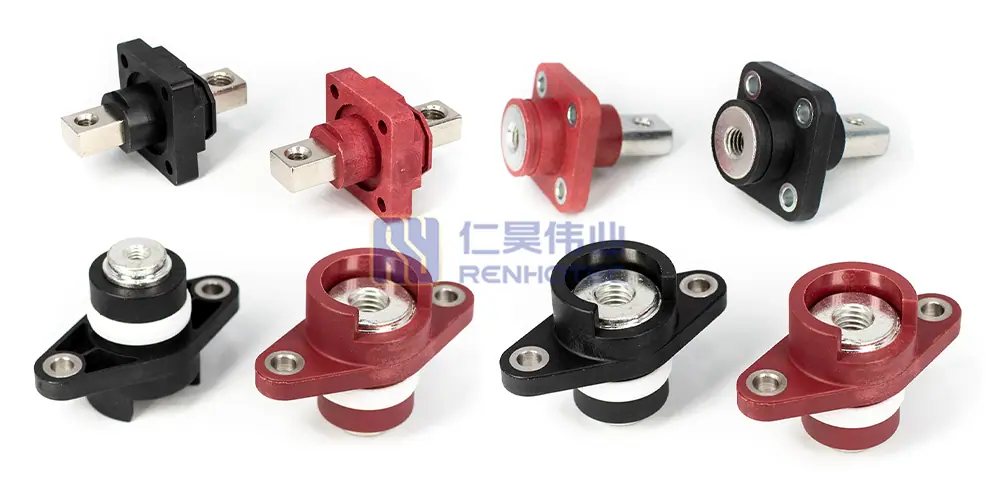
A through-wall power terminal, also known as a feed-through or bulkhead power terminal, is designed to provide a safe and insulated electrical connection through panels or bulkheads. These terminals are commonly used in applications ranging from medium to high current, where mechanical strength, insulation, and secure panel mounting are required. These terminals provide:
High Current Capacity: Rated for 300–600A or more, depending on the model.
Safe Insulation: Designed to prevent accidental contact and short circuits.
Panel Mounting Capability: Sealed and reinforced to maintain electrical and mechanical integrity when penetrating walls or bulkheads.
Vibration and Environmental Resistance: Constructed for mobile and marine applications, resistant to shock, vibration, moisture, and corrosion.
Through-wall power terminals are commonly used in RV electrical systems, yachts, and other environments where conductors must pass through panels or enclosure walls with reliable insulation, mechanical strength, and environmental protection. Depending on model and rating, they can support a wide range of current needs.
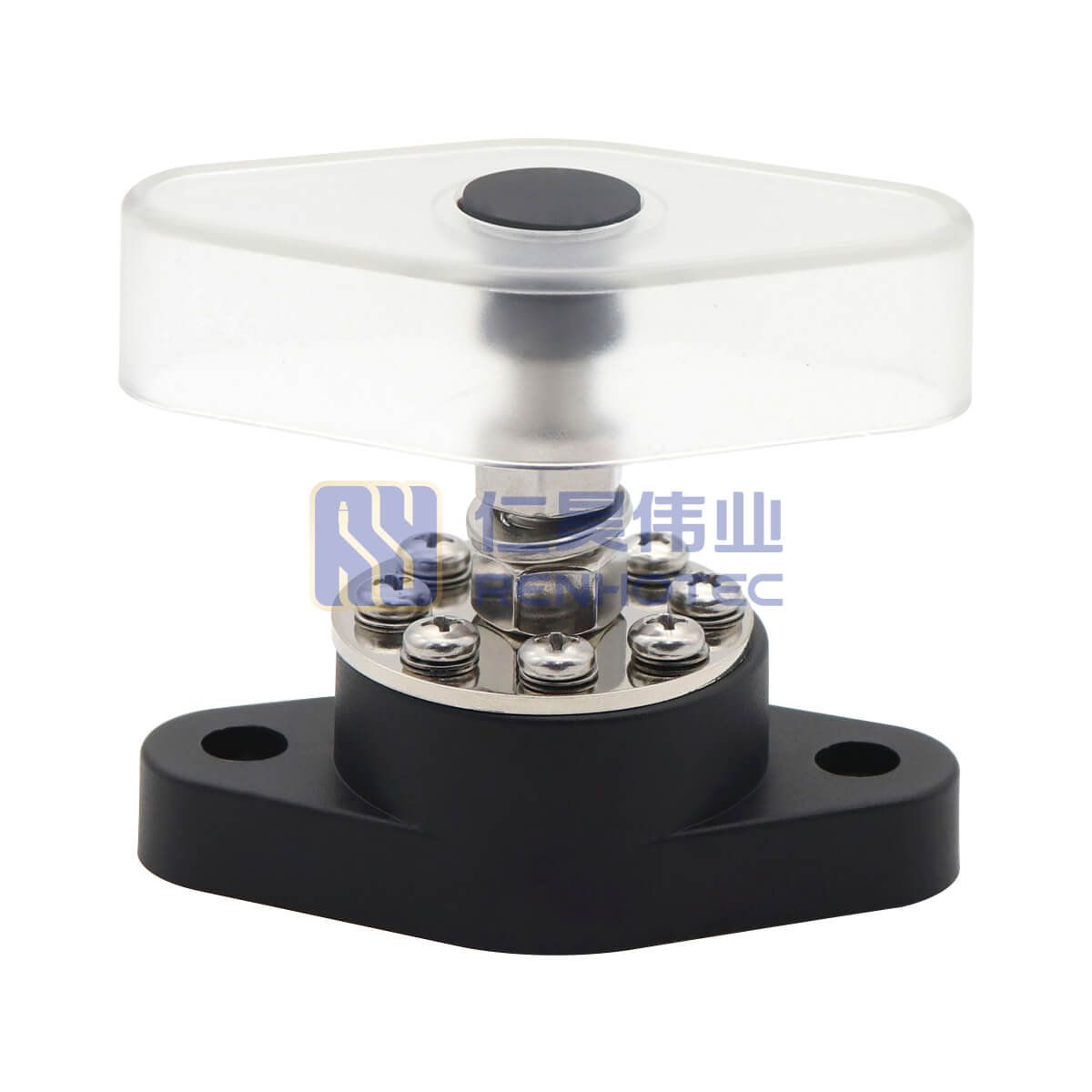
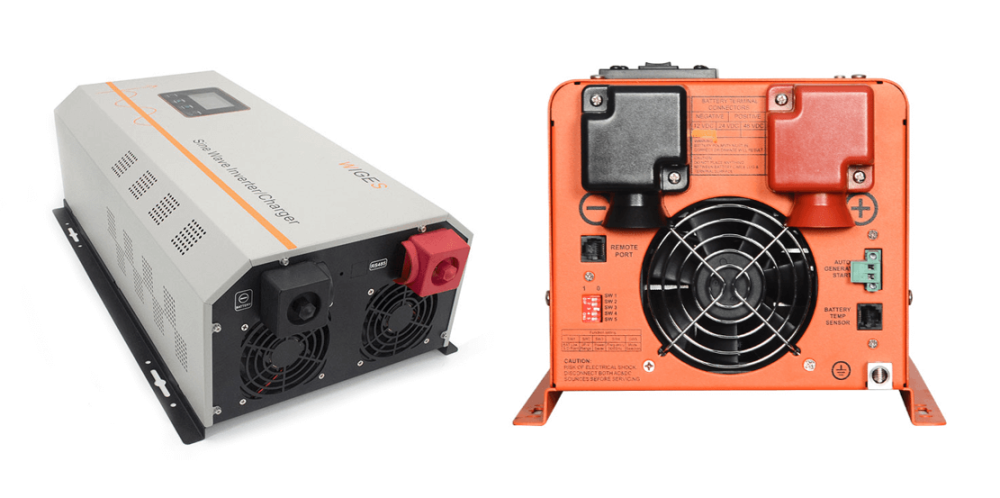
Through-Wall Power Terminals
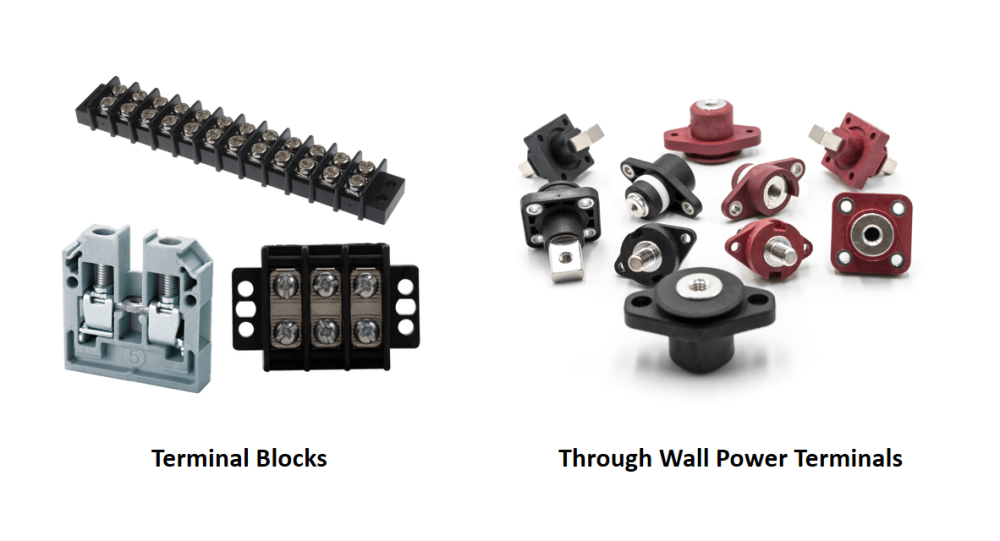
Key Differences Between Terminal Blocks and Through-Wall Power Terminals
Current Rating Comparison
Terminal Block: Typically under 100A, unsuitable for high-current circuits.
Through-Wall Power Terminal: Supports 300–600A, capable of handling the power demands of large RV or yacht systems.
Mechanical Strength and Vibration Resistance
Terminal Block: Lightweight plastic or aluminum construction; may loosen or fail under vibration.
Through-Wall Power Terminal: Robust metal and insulating materials, designed to withstand mobile and marine vibration.
Panel Penetration and Safety
Terminal Block: Generally intended for internal panel connections; not designed for safe wall penetration.
Through-Wall Power Terminal: Engineered to maintain insulation and prevent arcing or shorts when passing through walls.
Applications in RVs and Yachts
Through-wall power terminals are preferred when high-current lines must pass through bulkheads or enclosures in vehicles and boats. Terminal blocks remain suitable for low-current, internal wiring where high mechanical strength is not required.
Terminals Blocks vs Through-Wall Power Terminals
When to Upgrade from Terminal Blocks to Through-Wall Power Terminals
While terminal blocks remain suitable for low- to medium-current circuits, high-current applications in RVs, yachts, and other mobile environments require through-wall power terminals. In the following situations, through-wall power terminals would be the best choice:
Requires safe routing of cables through partition/cabinet wall
Requires structural fixation to prevent loosening
Need to retain insulation, protection and mechanical strength
Have high current distribution but do not require pluggable mechanism
The environment has dangerous factors such as vibration, humidity, salt spray, etc.
Through-Wall Power Terminals Application
For engineers and procurement teams planning high-current electrical installations, upgrading to through-wall power terminals ensures both performance and safety.
Need a custom solution for your RV or yacht project? Contact us today or start a live chat to discuss your high-current wiring requirements.
How to Choose the Right High-Current Power Terminal
Selecting the appropriate through-wall power terminal depends on several critical factors:
Current Rating: Ensure the terminal can handle the maximum expected load. For most RV and yacht systems, 300–600A terminals are recommended.
Insulation and Environmental Protection: Choose a protection level terminal suitable for the environment. If waterproofing is required, choose a model that has been tested to IP67 or IP68.
Panel Mount Requirements: Check the panel thickness and ensure proper sealing and mechanical fit.
Material and Durability: High-quality metals and insulating plastics reduce long-term wear and ensure reliable connections.
Installation Considerations: Terminal design should facilitate secure wiring and minimize maintenance needs.
Tip: For custom applications or unusual panel thicknesses, contact a supplier specializing in through-wall power terminals to ensure safe and reliable installation.
Through-Wall Power Terminals Application
FAQ – High-Current Through-Wall Power Terminals
Can I use a terminal block for 400A in a yacht?
No, most general-purpose terminal blocks are not designed for continuous operation at 400A and may fail under vibration.
For 400A circuits, a through-wall power terminal with proper insulation and mechanical strength is typically recommended.
What are the advantages of through-wall power terminals in RVs?
Through-wall power terminals can support higher current levels, provide secure panel penetration,
resist vibration and corrosion, and offer reliable performance in mobile electrical systems.
How do I select the right feed-through power terminal for high-current applications?
Key factors include current rating, insulation design, environmental protection (such as IP rating),
panel thickness, and material durability. For non-standard requirements, consulting a supplier
for a customized solution is recommended.
Terminal block vs through-wall power terminal: which is safer for marine use?
Through-wall power terminals are generally safer for marine use because they are engineered
for higher current capacity, secure panel penetration, and improved environmental protection
compared to standard terminal blocks.
Can I install a through-wall power terminal myself?
Installation is possible but requires proper tools and a solid understanding of high-current wiring.
Following manufacturer guidelines or consulting a qualified professional is strongly recommended.
Are through-wall power terminals available in custom sizes for RV and yacht applications?
Yes, many manufacturers offer customizable through-wall power terminals to meet specific current ratings,
panel thicknesses, and environmental requirements. Contact your supplier to discuss your application.

 Deutsch