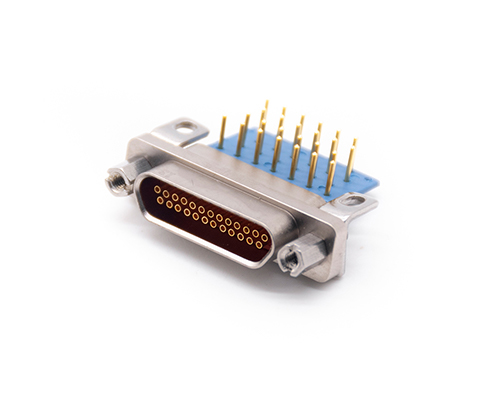
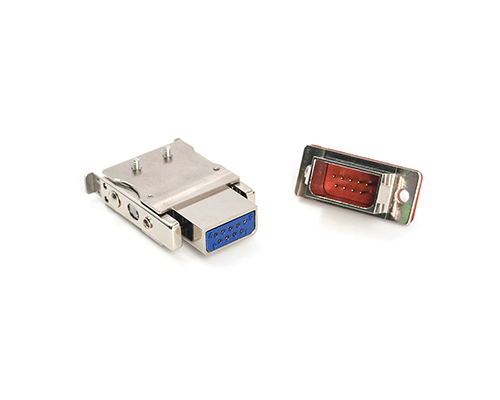
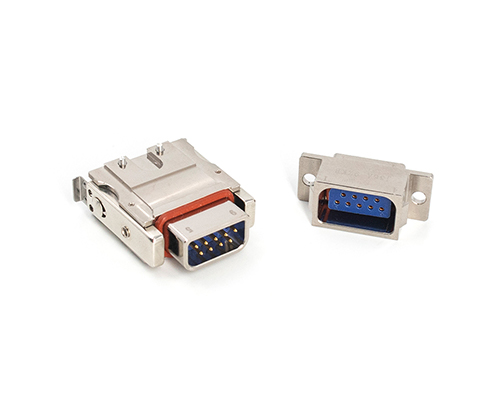
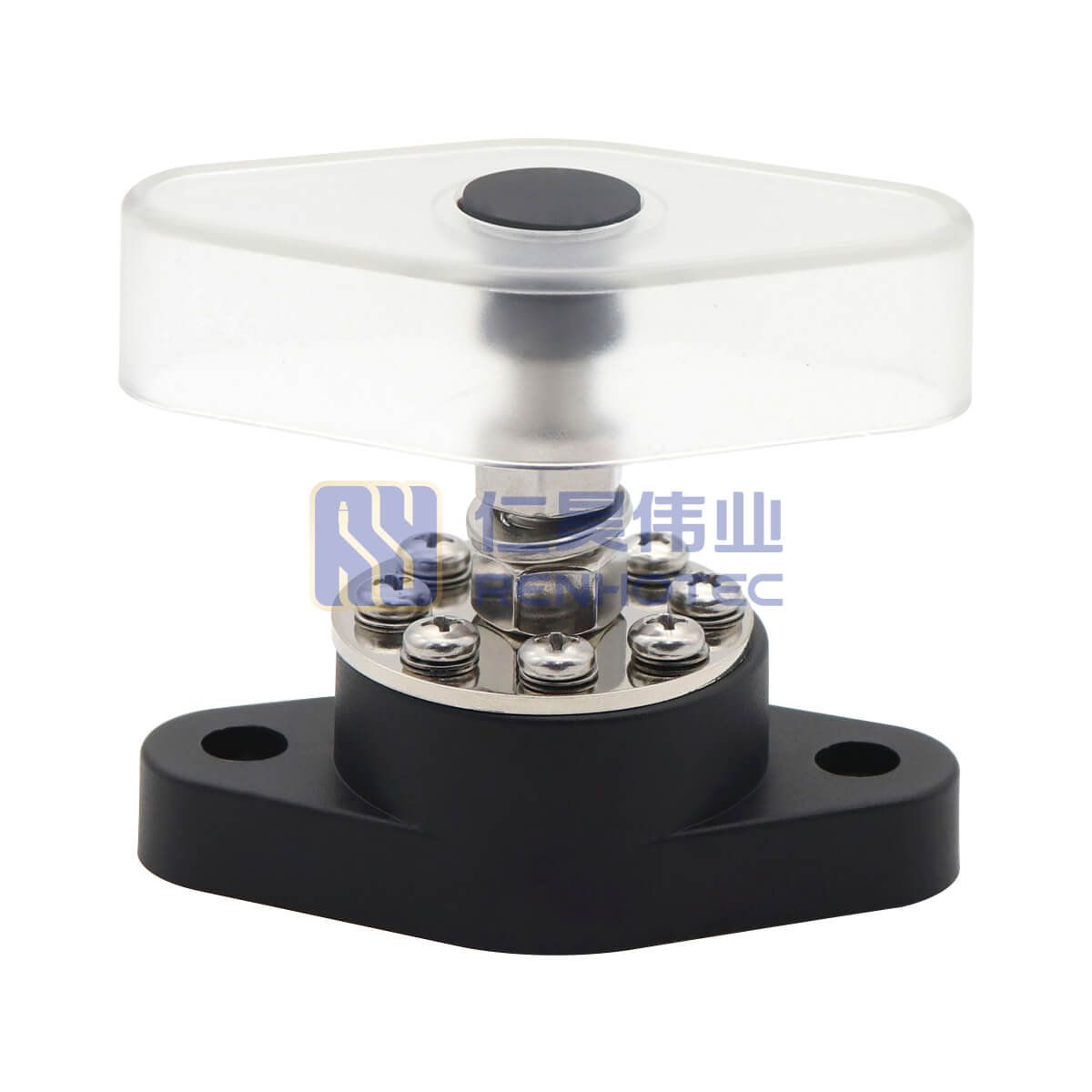
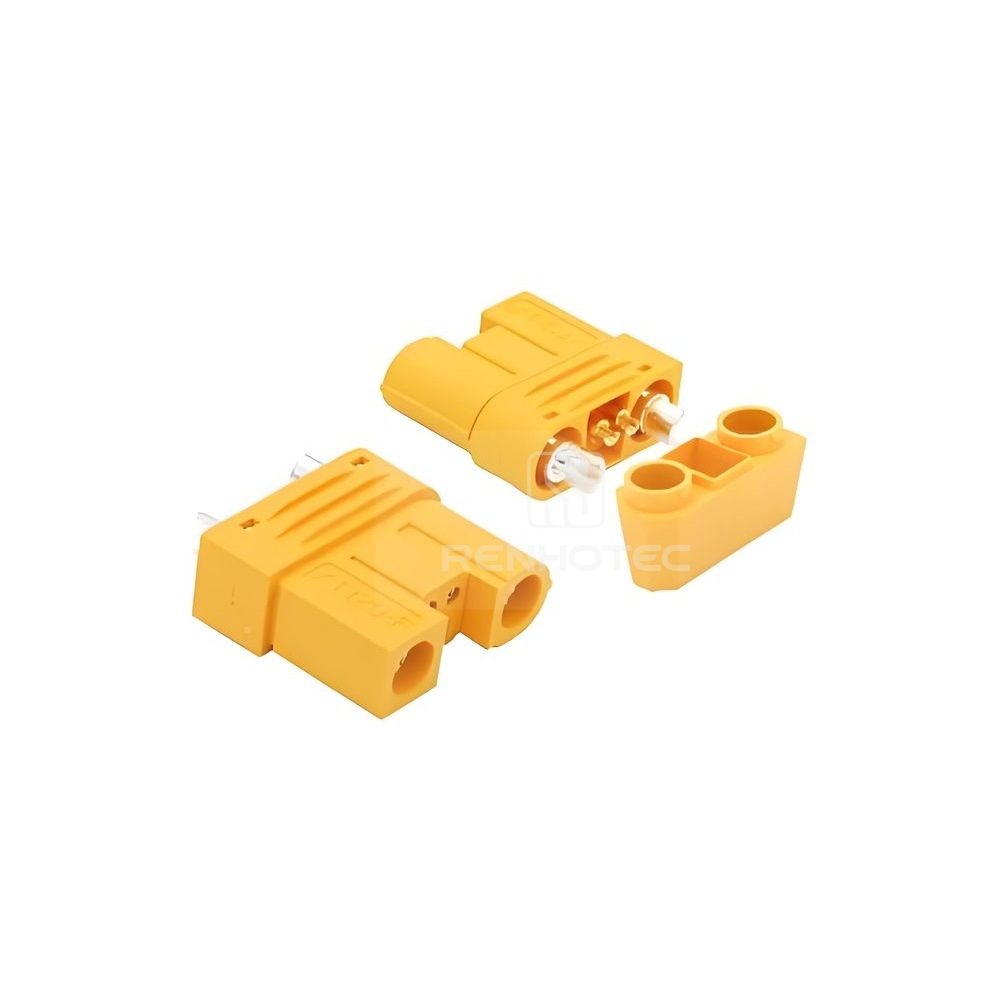
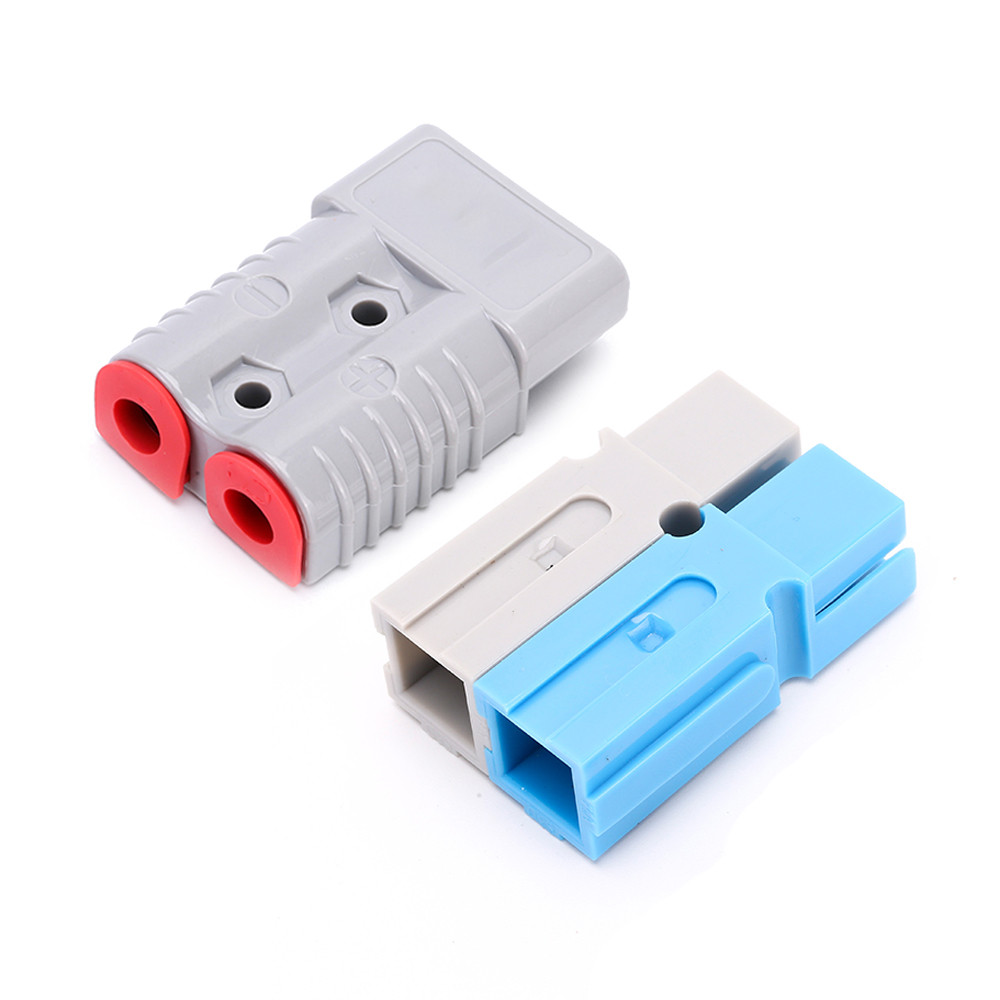
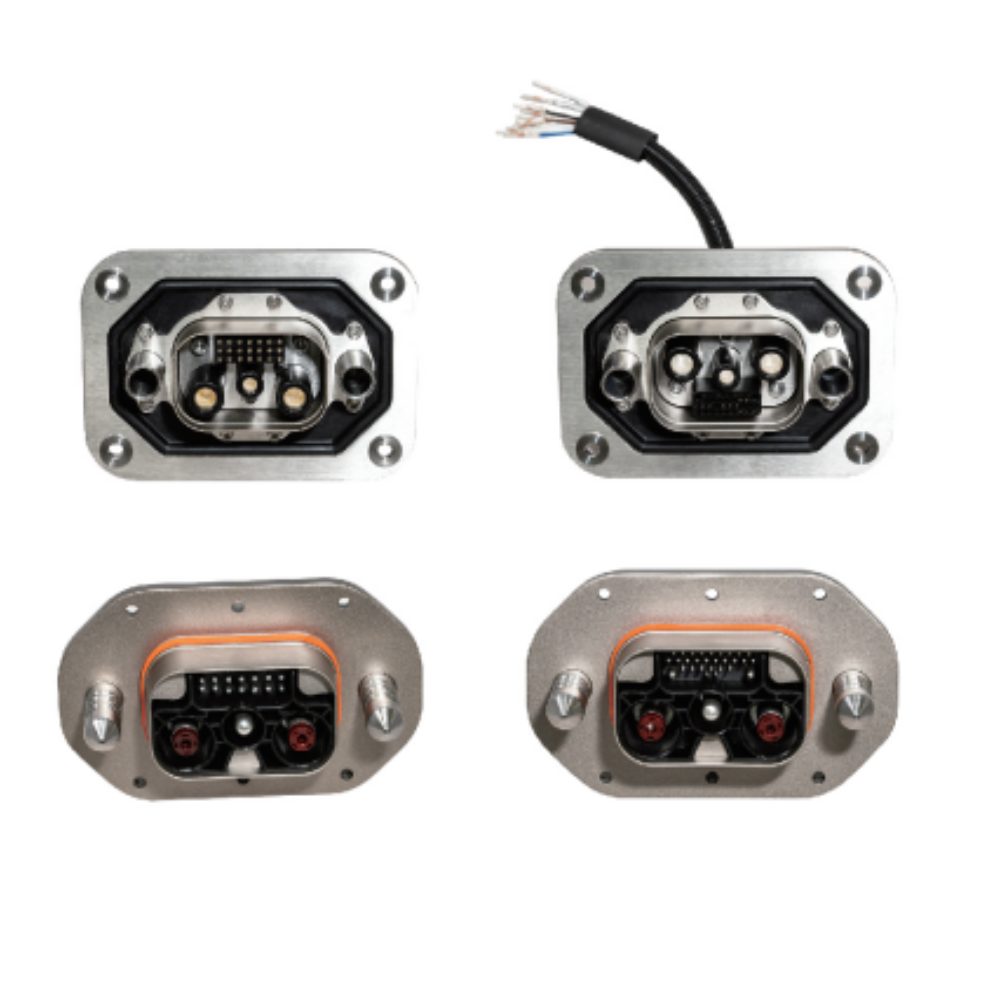
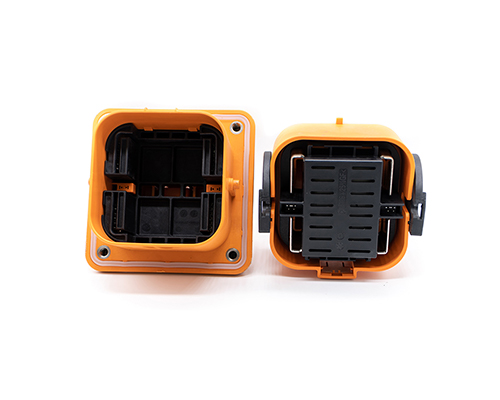
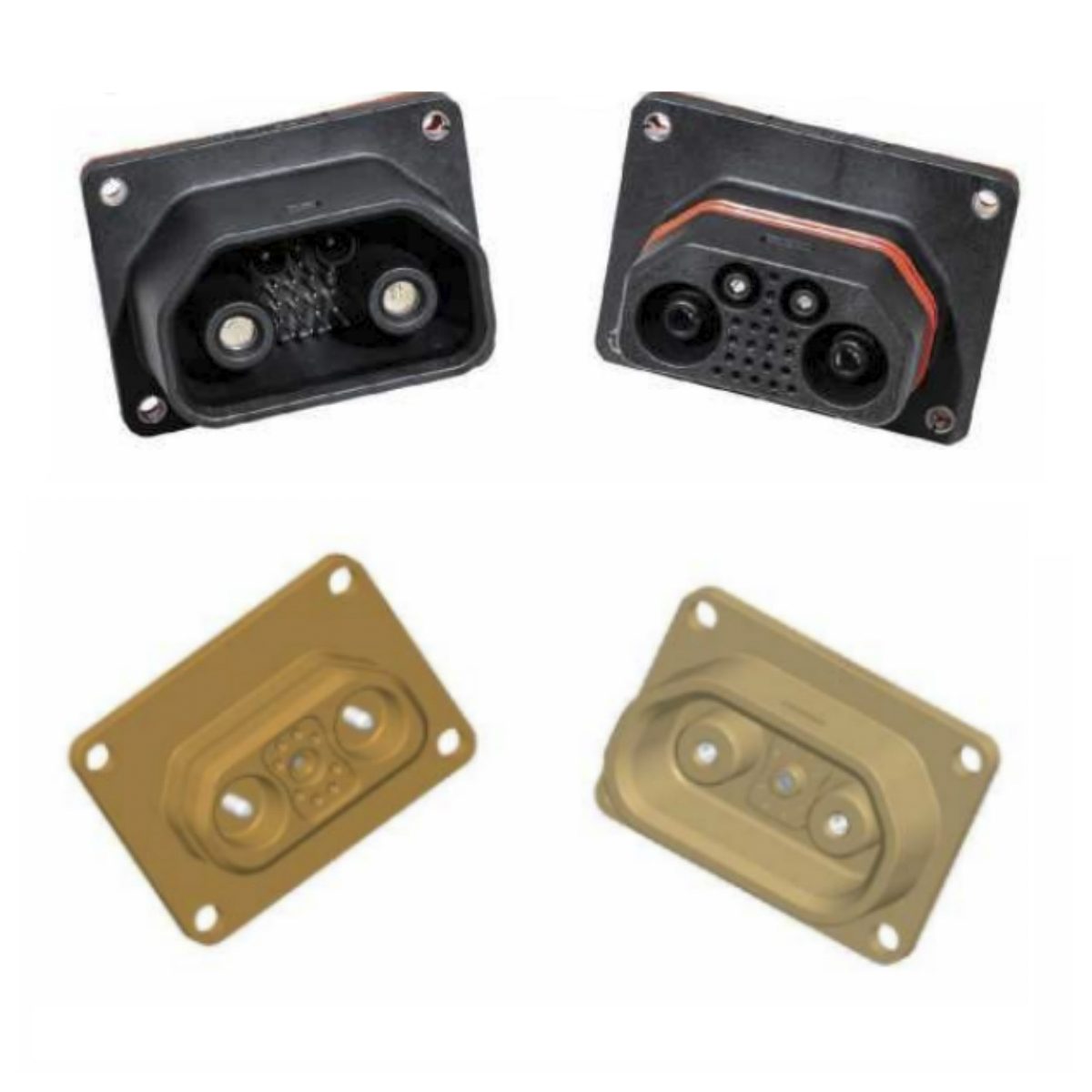
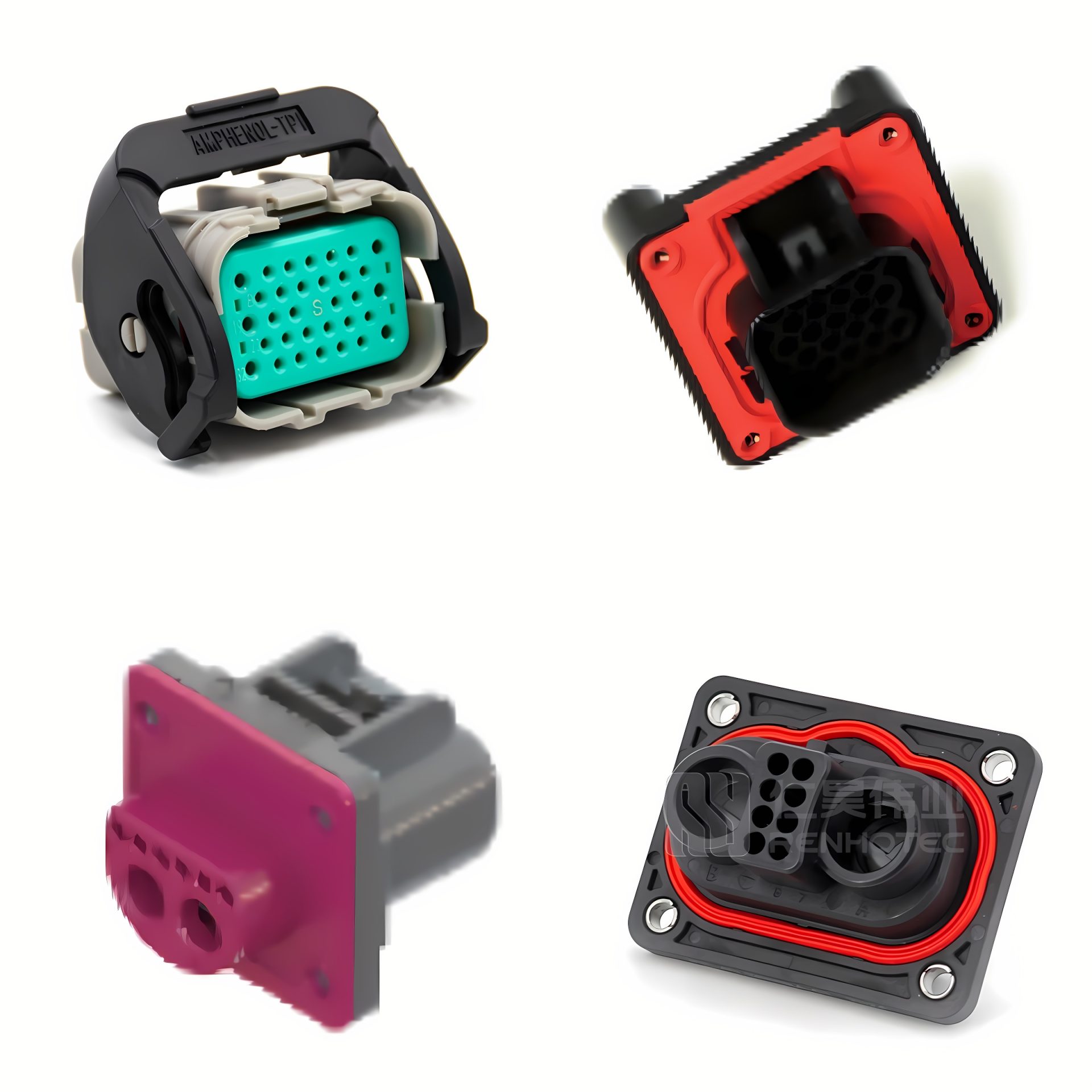
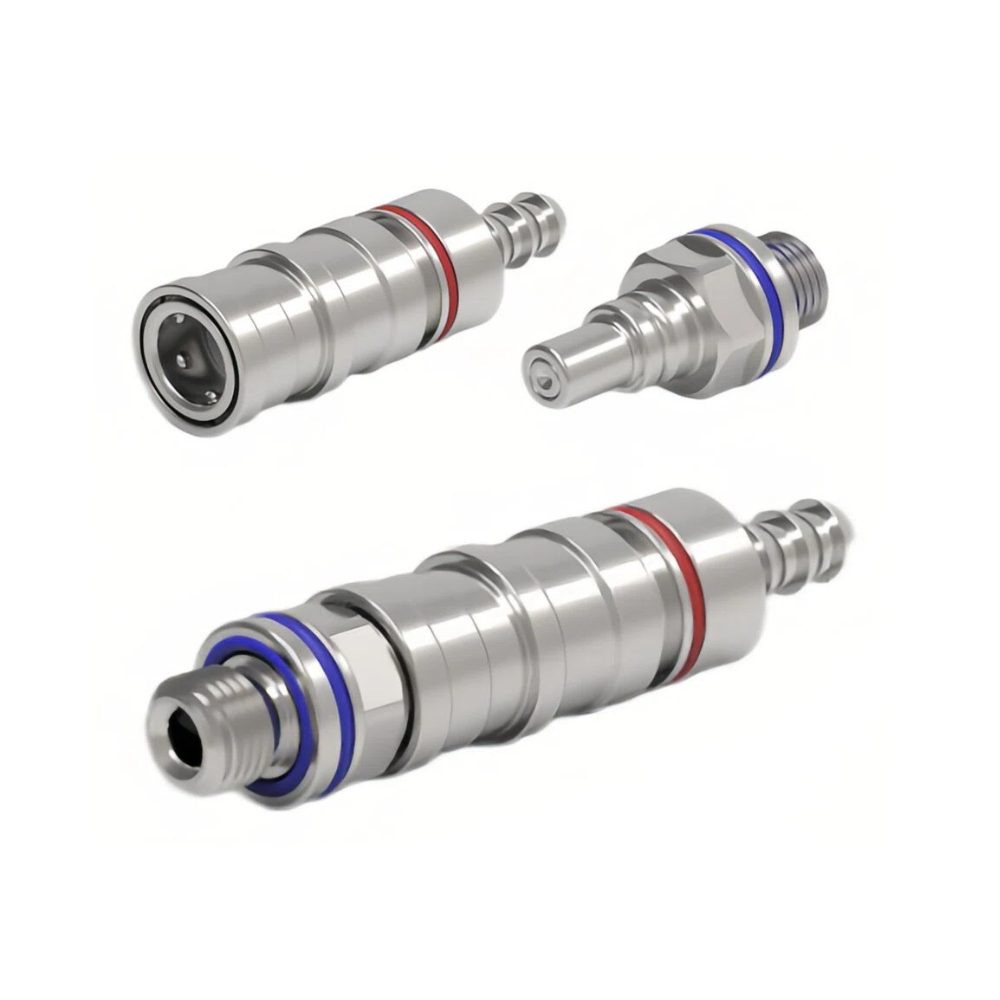
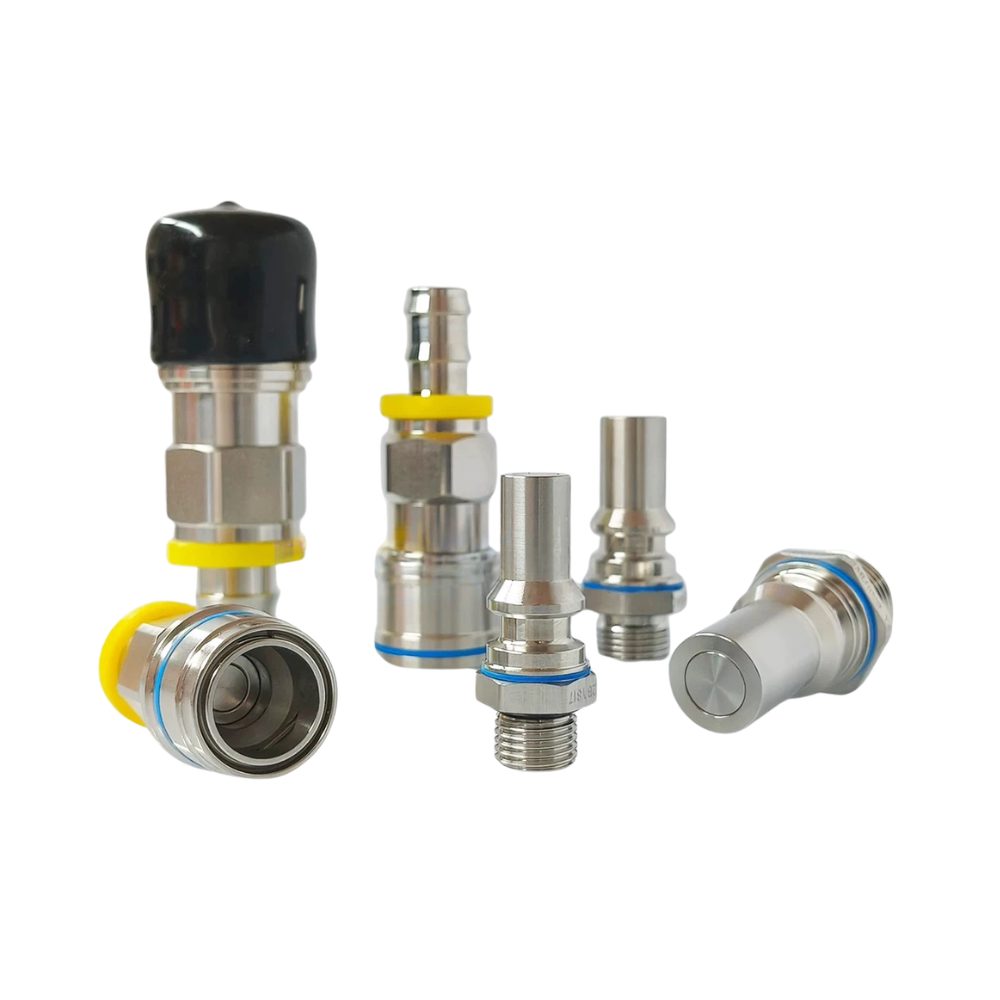
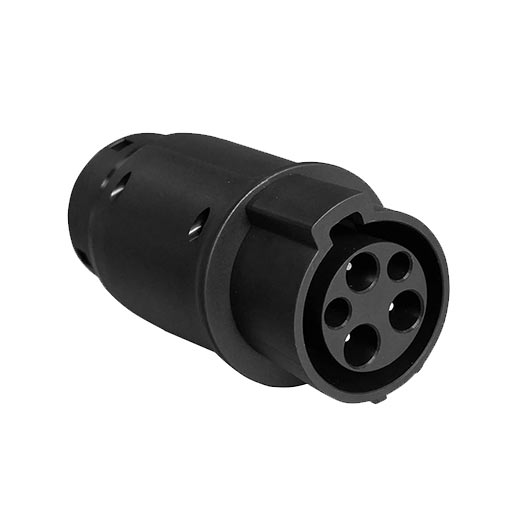
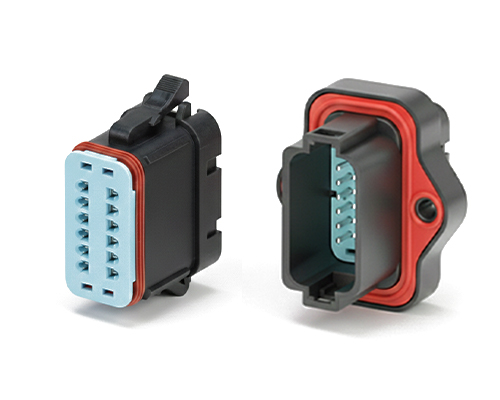
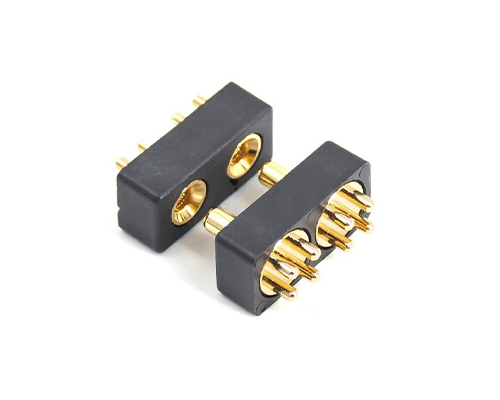
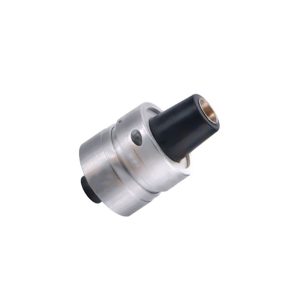
The Rectangular Connector is widely used in aerospace, medical instruments, consumer electronics (such as computers, TVs, game consoles, etc.), industrial control equipment, communication equipment, and automotive electronics. With its reliable connection performance, diverse specifications, and relatively convenient plug-in and unplug operations, it has become an indispensable component in various electronic and electrical applications.
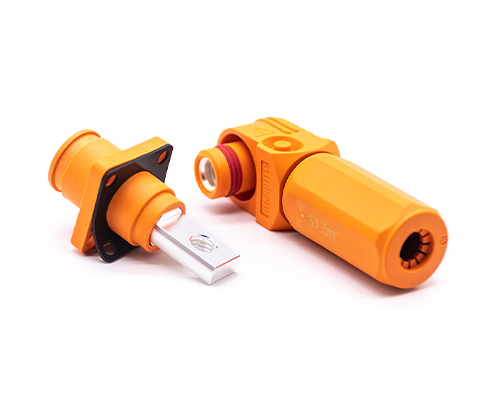
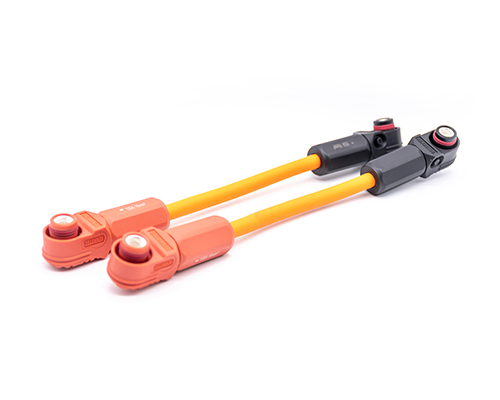
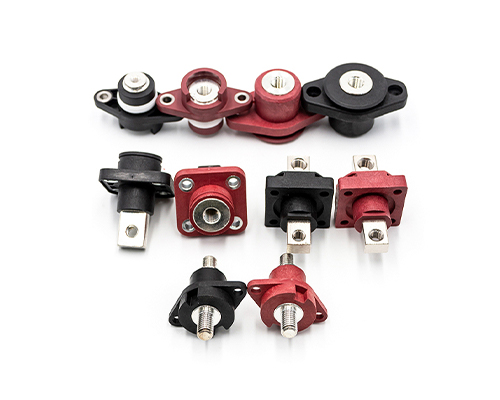
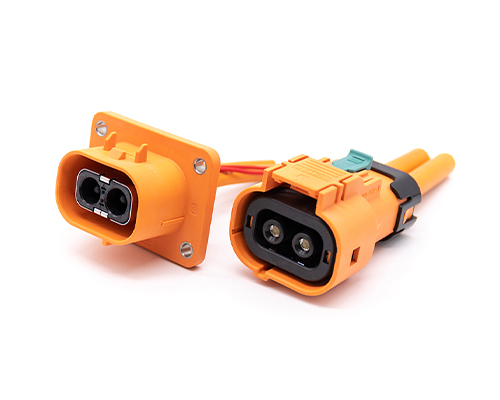
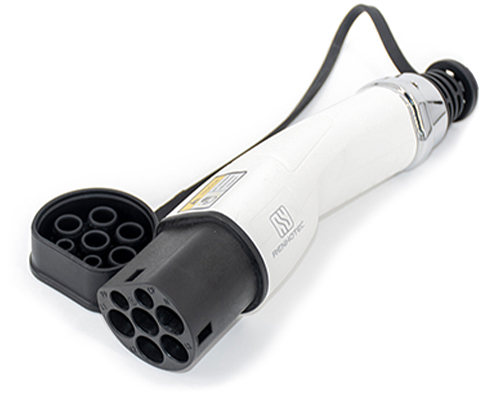
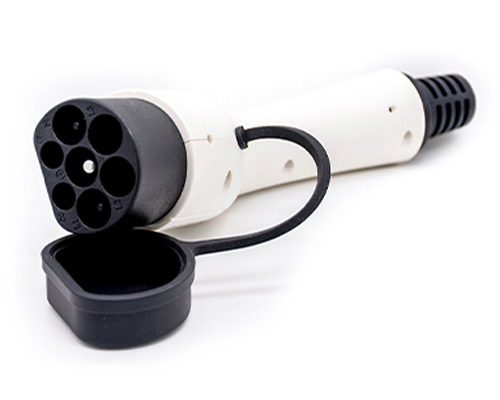
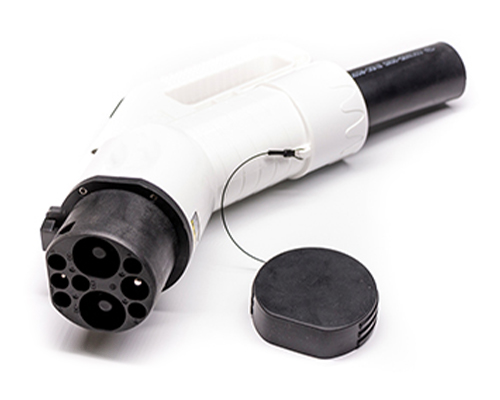
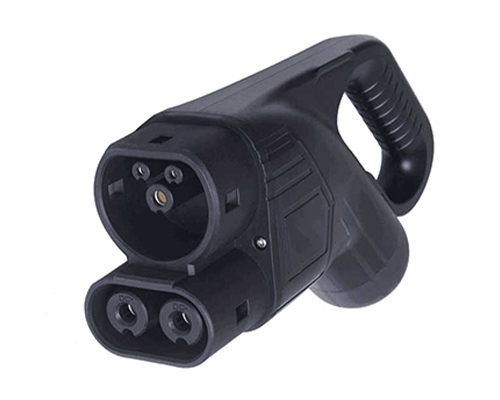
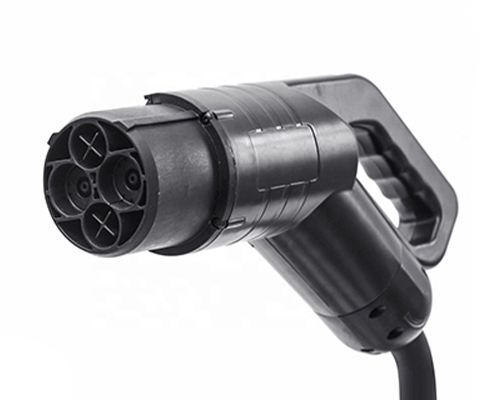
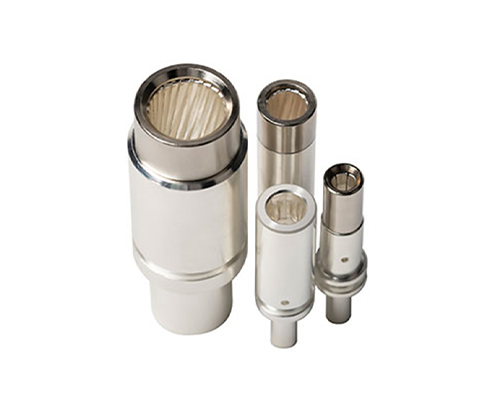
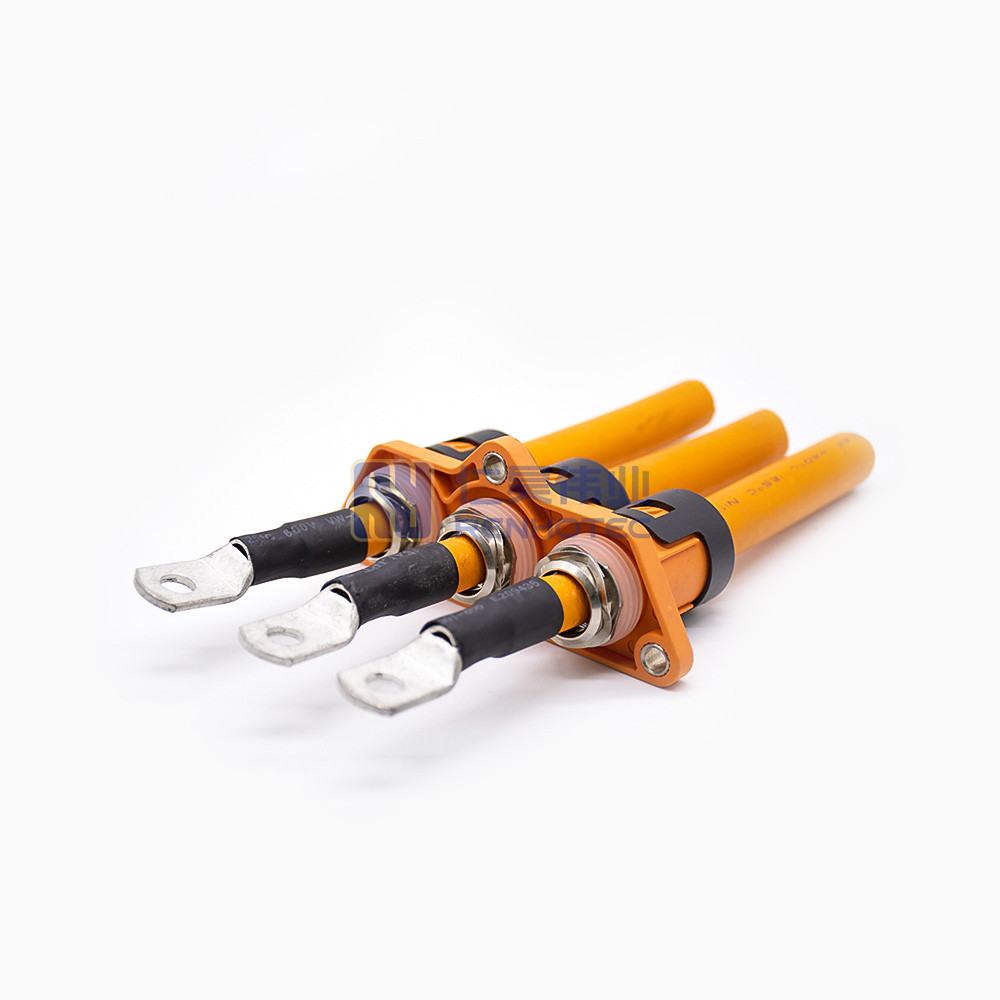
High Voltage Connectors are widely used in EV power systems, renewable energy installations, and industrial high-voltage circuits. Renhotec’s series drives the building of efficient, safe, and sustainable electrical ecosystems, meeting current technological demands.
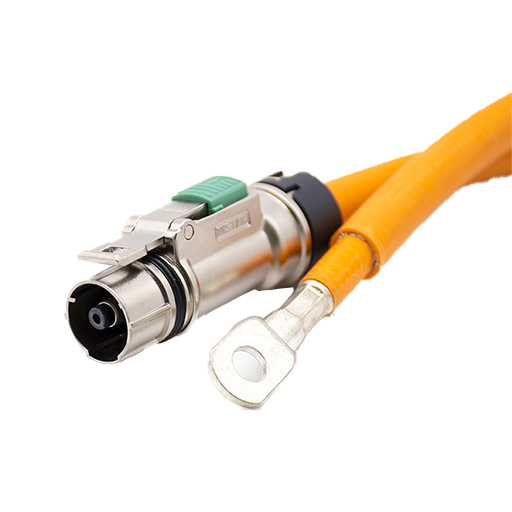
Renhotec EV Cable, crafted with top-notch conductive materials and meticulously engineered insulation, showcases outstanding impedance control and voltage-withstanding properties. Its design combines flexibility and durability to meet a wide array of installation needs. This cable is widely utilized in grid interconnections, large-scale industrial power supply systems, and high-voltage renewable energy projects, enabling smooth and efficient power transmission.
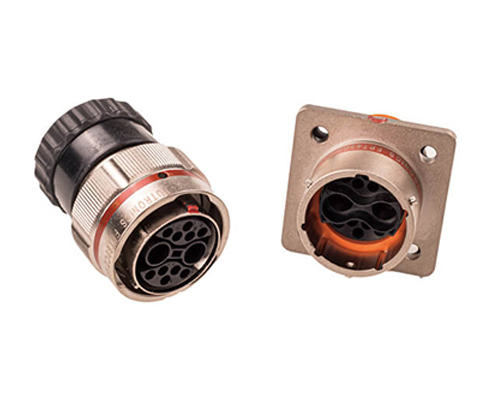
Renhotec, as a professional supplier, offers a comprehensive range of these Signal Transmission Connector products. Whether it is the high-reliability applications of the metal series or the wide adaptability of the plastic series in consumer electronic products, Renhotec can provide customers with high-quality options to meet the diverse requirements of signal transmission connections in different industries and scenarios.
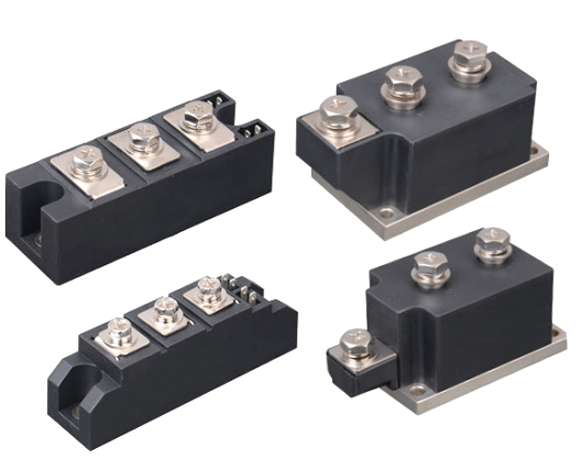
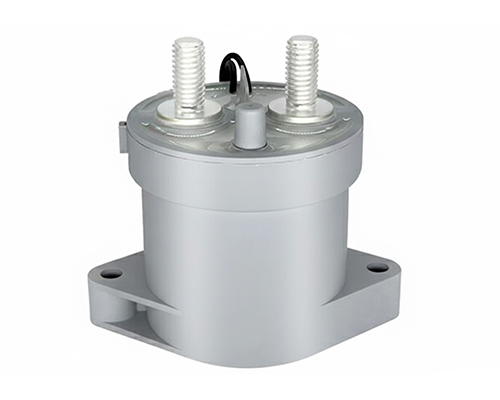
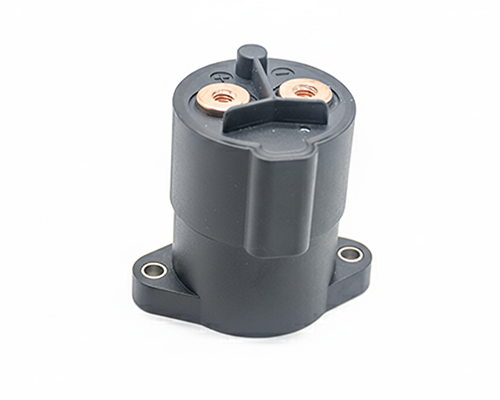
Renhotec, active in electrical components, offers High Voltage DC Contactors in Epoxy Resin Sealing and Ceramic Sealing variants, with a 20A – 1000A current range. The Epoxy Resin Sealing one is cost-effective and protective. The Ceramic Sealing variant excels in thermal stability and insulation. They’re widely used in EV charging, renewable energy grid, and industrial high-voltage DC power distribution for reliable circuit control and current interruption, providing comprehensive solutions for multiple sectors.
Have you ever calculated how long the wiring harness on a car can be?
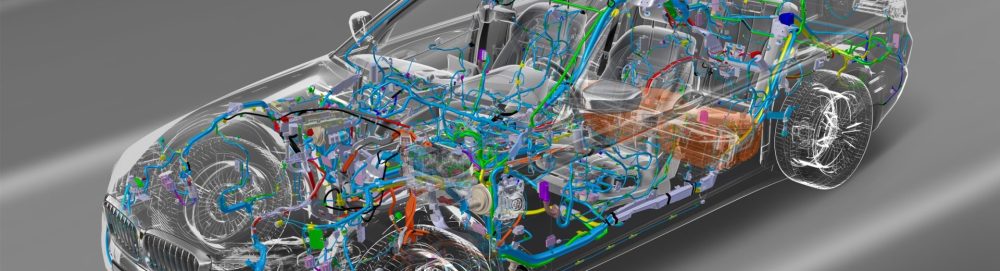
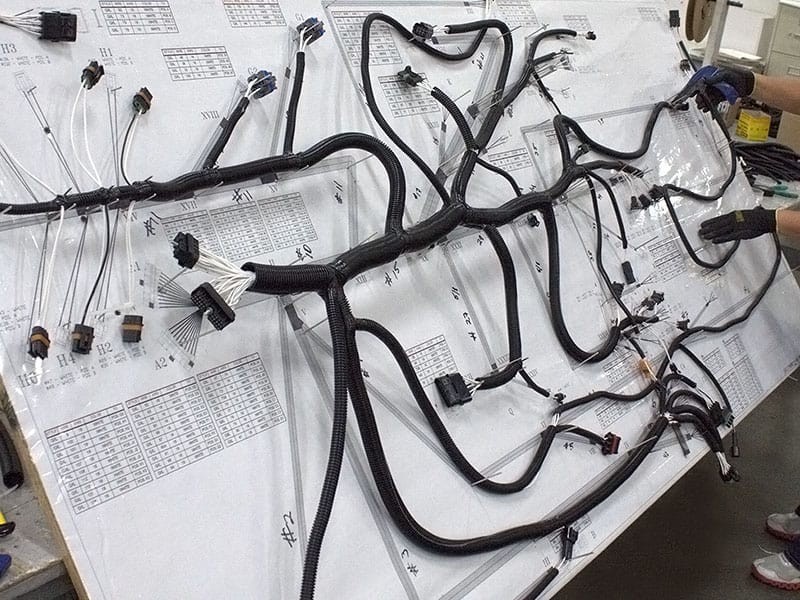
Have you ever stopped to think about what’s running through the veins of your car? No, not fuel or electricity—wiring harnesses. These intricate networks of cables are the unsung heroes of modern vehicles, and they’re undergoing a quiet but transformative revolution. In traditional cars, the wiring harness can stretch up to 5000 meters—longer than the height of Mount Everest! But in today’s electric vehicles (EVs), that number has been cut down to 2000 meters, with some advanced models achieving just 1500 meters.
Why is this happening, and what does it mean for the future of driving? Let’s take a closer look at how wiring harnesses are shaping the next generation of cars.
Imagine your car’s wiring harness as its central nervous system. It’s what connects every electrical component, from the headlights to the infotainment system, ensuring they all work in harmony. Every time you press the accelerator or adjust the air conditioning, the wiring harness is what makes it happen.
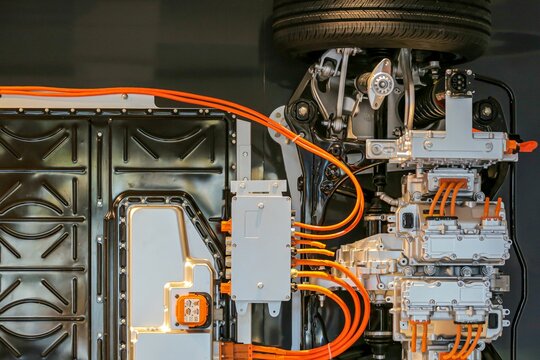
For electric vehicles, the wiring harness is even more critical. EVs are packed with high-voltage components like batteries and motors, as well as low-voltage systems for sensors and entertainment. The wiring harness ensures these systems communicate seamlessly, directly impacting everything from performance to energy efficiency and range.
How Wiring Harnesses Have Evolved: A Journey Through Time
The dramatic reduction in wiring harness length is a direct result of advancements in automotive electronic and electrical (E/E) architectures. Here’s how the industry has transformed over the years:
1. The Era of Distributed Architectures (5000 Meters)
In older cars, each function—like controlling the headlights or the engine—was handled by a separate electronic control unit (ECU). These ECUs were connected by a sprawling network of wires, leading to harnesses that could stretch up to 5000 meters. While functional, this design was heavy, inefficient, and a nightmare to repair.
2. The Rise of Domain-Controlled Architectures (2000 Meters)
To tackle these issues, automakers began grouping related functions into “domains.” For example, all functions related to driving (like steering and braking) were handled by a single domain controller. This reduced the number of ECUs and shortened the wiring harness to around 2000 meters. Technologies like Ethernet also improved communication speed, making cars smarter and more efficient.
3. The Age of Centralized Architectures (1500 Meters)
The latest trend is the move toward centralized architectures, where a single, powerful computer handles most of the car’s processing. This eliminates the need for many ECUs, further reducing wiring complexity. Tesla’s Model 3 is a prime example, with a wiring harness length of just 1500 meters.
Why Shorter Wiring Harnesses Are a Game-Changer
The benefits of shorter wiring harnesses are hard to ignore:
Cost Savings
Less wiring means fewer materials and simpler assembly. Automakers can save up to 30-40% on wiring costs, while also speeding up production.
Weight Reduction
Wiring harnesses typically account for 3-5% of a car’s weight. By shortening the harness, automakers can shed 10-20 kilograms, improving energy efficiency and extending range.
Better Performance
Shorter wiring means faster signal transmission, reducing latency and improving responsiveness. In autonomous driving systems, this can mean the difference between a safe stop and a collision.
The Global Race to Optimize Wiring Harnesses
Automakers around the world are competing to create the most efficient wiring systems. Here are a few standout examples:
Tesla: The Model 3’s centralized architecture has set a new benchmark, with a wiring harness length of just 1500 meters. This innovation has helped Tesla maintain its edge in the EV market.
Ford: The Mustang Mach-E, Ford’s flagship electric SUV, uses a domain-controlled architecture to reduce wiring complexity. This not only cuts costs but also enhances the car’s sleek design and performance.
General Motors: GM’s Ultium platform, featured in the GMC Hummer EV, employs a zonal architecture to streamline wiring. This approach has allowed GM to create a highly modular and scalable system for its future EVs.
These advancements show how wiring harness optimization is becoming a key battleground in the race to dominate the EV market.
What’s Next for Wiring Harnesses?
As cars become more connected and autonomous, the role of wiring harnesses is likely to evolve. Some experts predict that wireless communication systems could eventually replace traditional wiring. For example, BMW has already introduced wireless battery management systems (wBMS) in some models, reducing the need for high-voltage wiring.
However, completely eliminating wiring harnesses is still a distant dream. Wireless systems face challenges like reliability and latency, especially in safety-critical applications. For now, the focus is on creating hybrid systems that combine shorter harnesses with wireless technologies to deliver the best of both worlds.
Why This Matters to You
If you’re an EV enthusiast or a potential buyer, understanding the role of wiring harnesses can help you appreciate the engineering marvels behind modern vehicles. For those in the automotive industry, staying ahead of these trends could be the key to unlocking new opportunities in this rapidly evolving market.
The Bigger Picture: A Small Part with a Huge Impact
From 5000 meters to 1500 meters, the evolution of wiring harnesses is a testament to the automotive industry’s relentless pursuit of innovation. This seemingly small component is playing a big role in making cars smarter, lighter, and more efficient.
So, the next time you get behind the wheel of an electric vehicle, take a moment to appreciate the hidden network of wires that makes it all possible. It’s a reminder that even the smallest parts can drive the biggest changes.

 Deutsch
 Русский