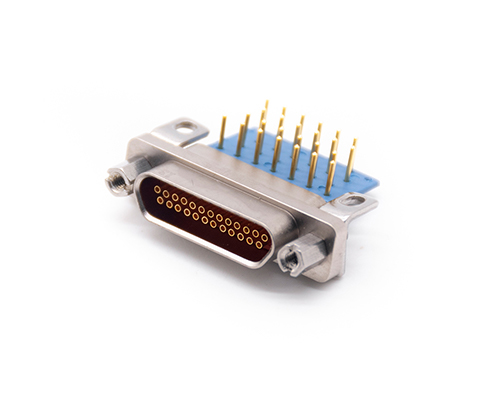
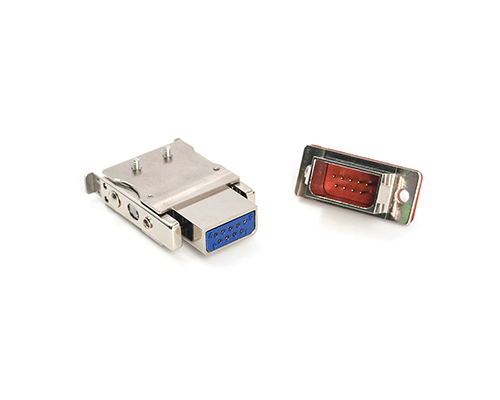
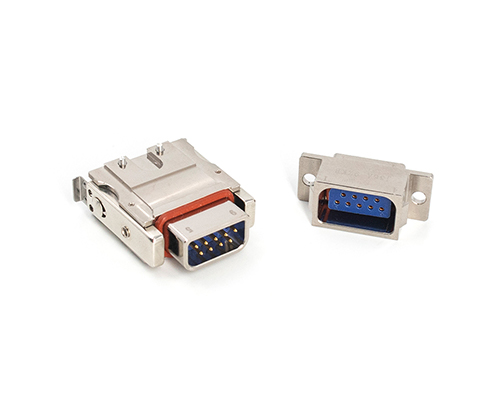
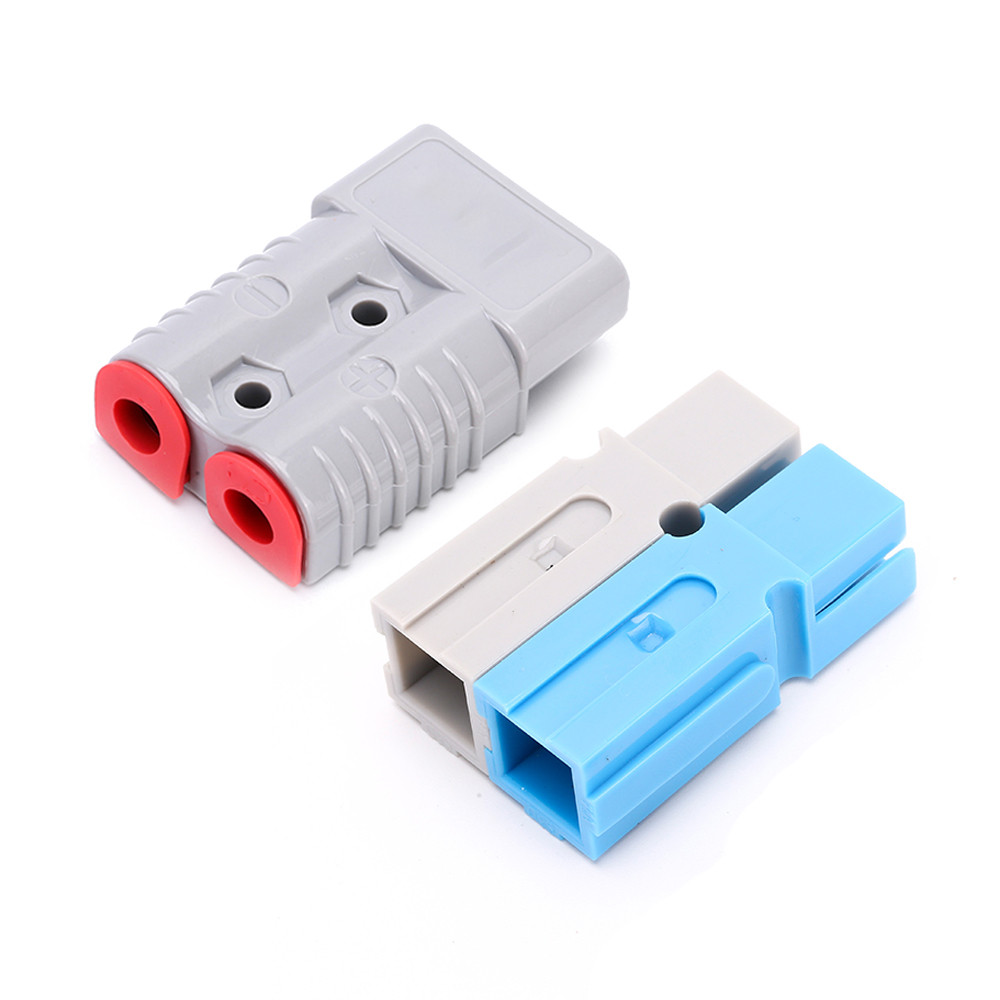
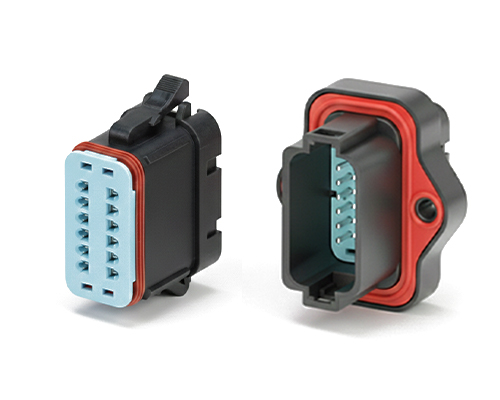
The Rectangular Connector is widely used in aerospace, medical instruments, consumer electronics (such as computers, TVs, game consoles, etc.), industrial control equipment, communication equipment, and automotive electronics. With its reliable connection performance, diverse specifications, and relatively convenient plug-in and unplug operations, it has become an indispensable component in various electronic and electrical applications.
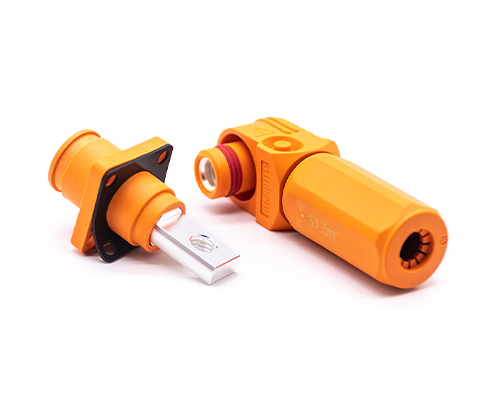
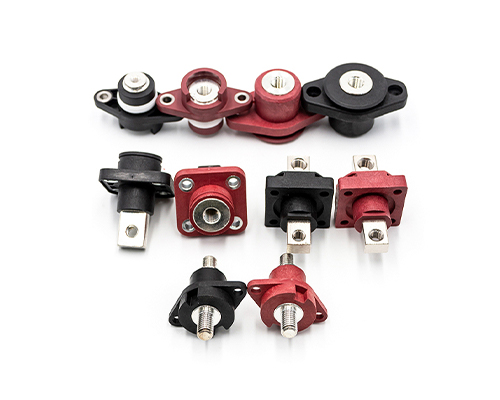
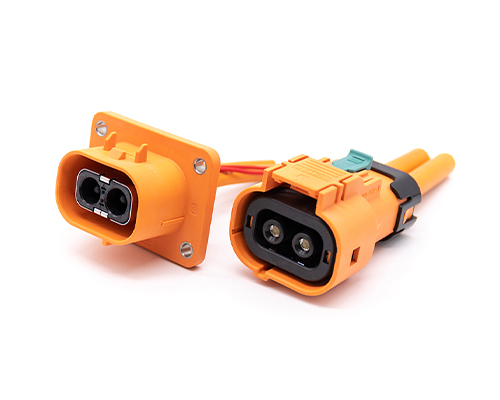
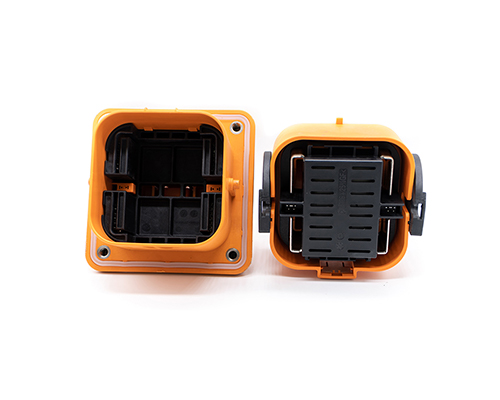
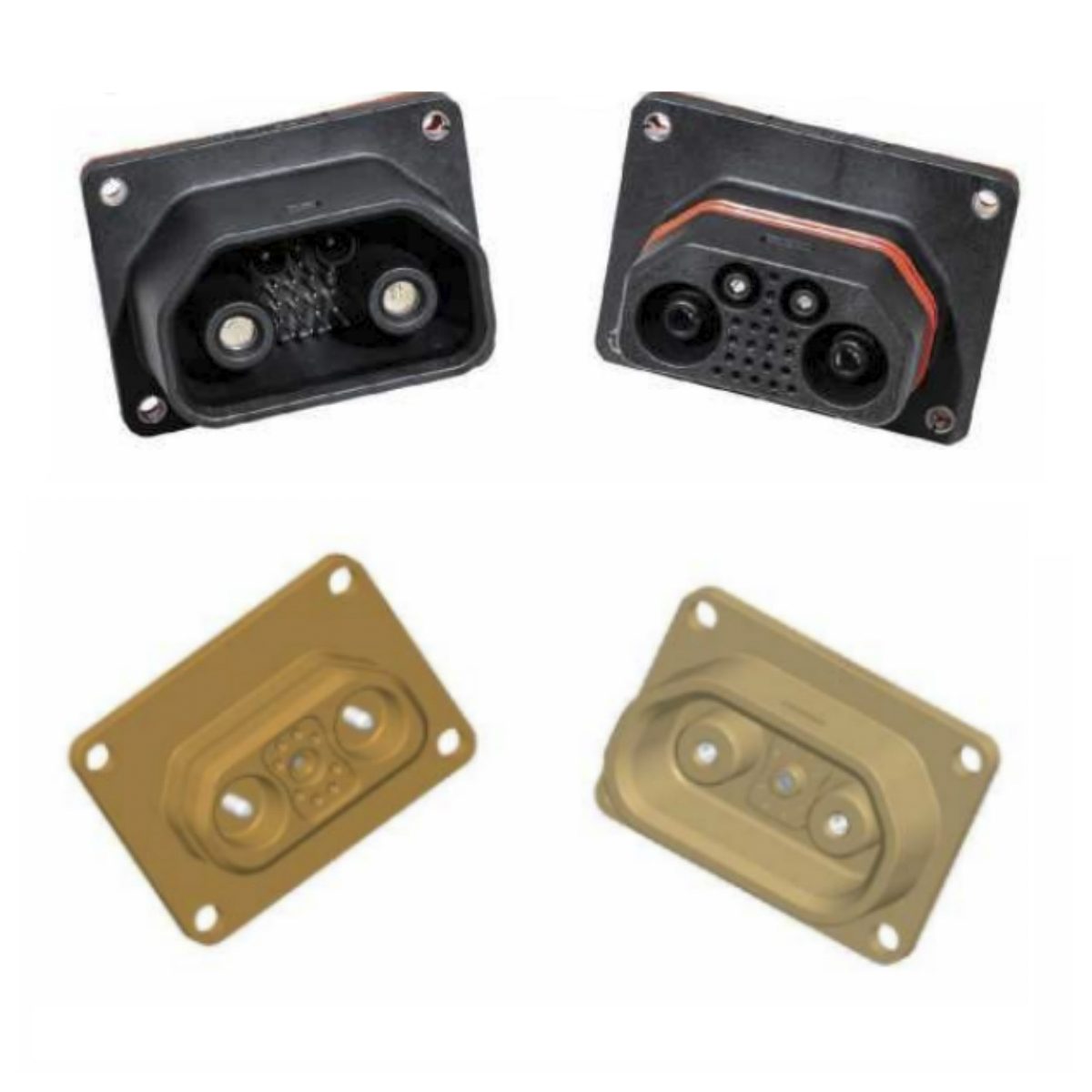
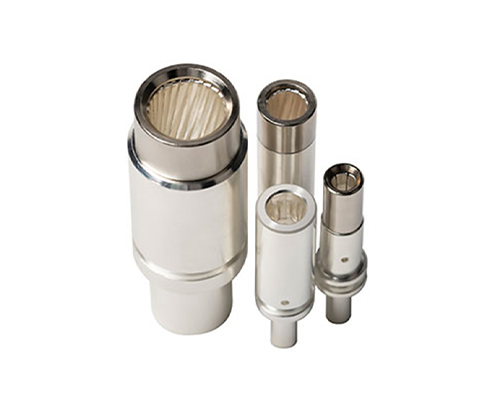
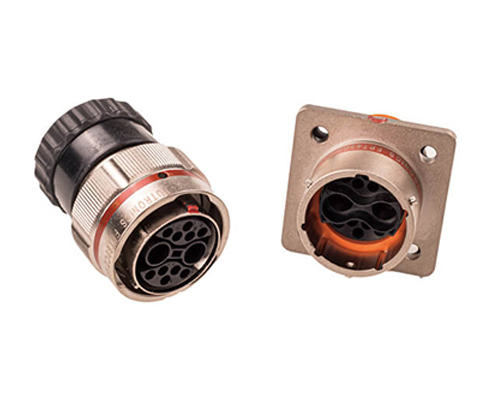
High Voltage Connectors are widely used in EV power systems, renewable energy installations, and industrial high-voltage circuits. Renhotec’s series drives the building of efficient, safe, and sustainable electrical ecosystems, meeting current technological demands.
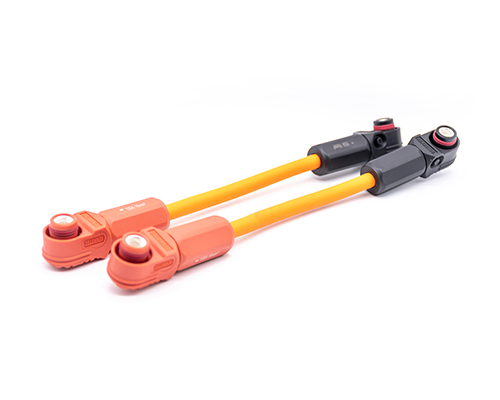
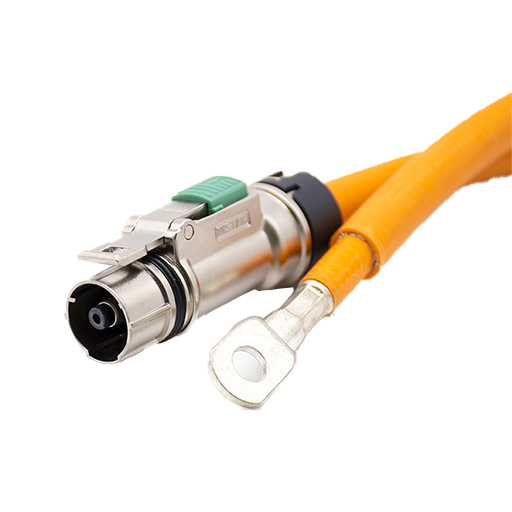
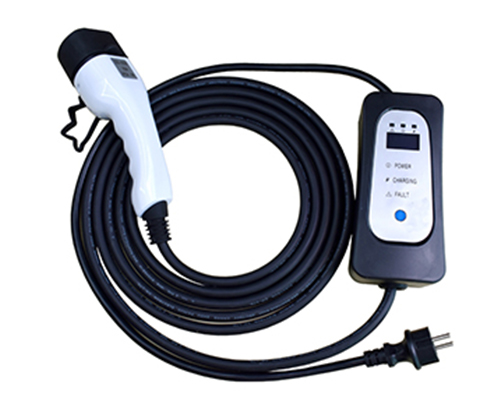
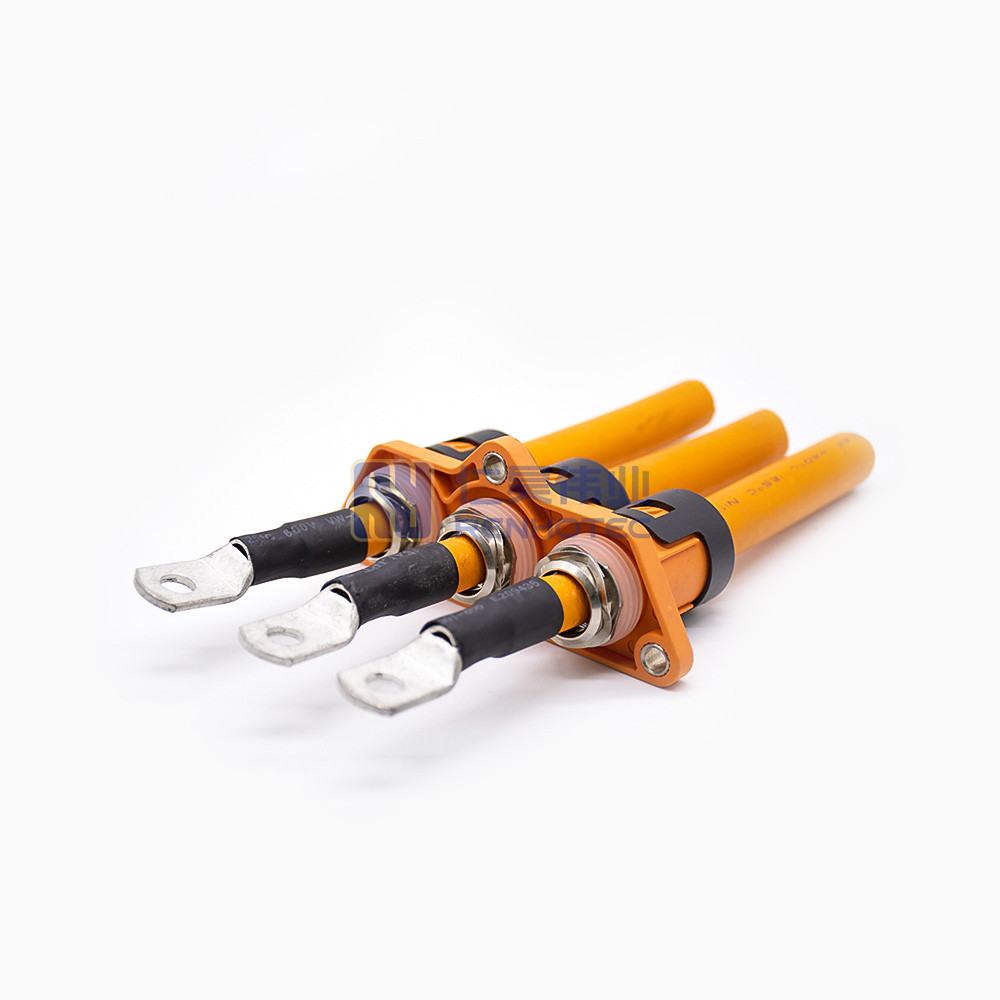
Renhotec EV Cable, crafted with top-notch conductive materials and meticulously engineered insulation, showcases outstanding impedance control and voltage-withstanding properties. Its design combines flexibility and durability to meet a wide array of installation needs. This cable is widely utilized in grid interconnections, large-scale industrial power supply systems, and high-voltage renewable energy projects, enabling smooth and efficient power transmission.
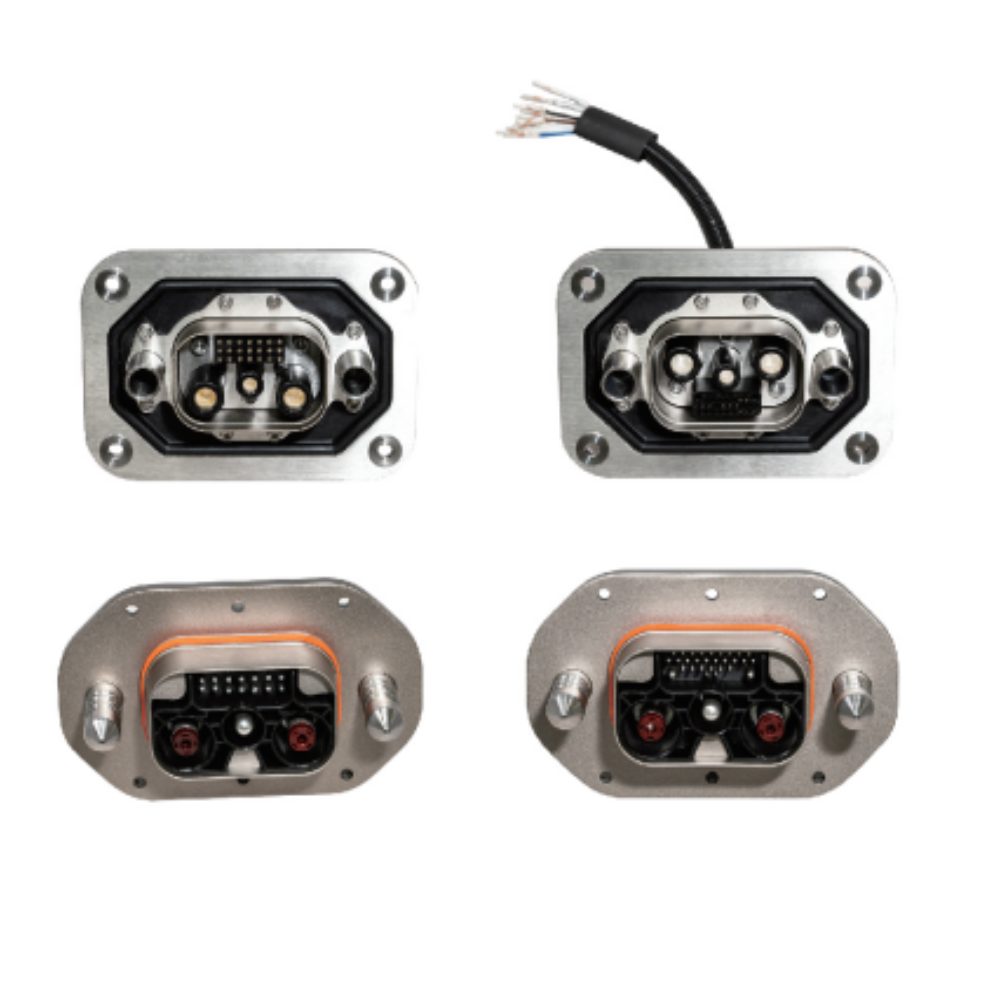
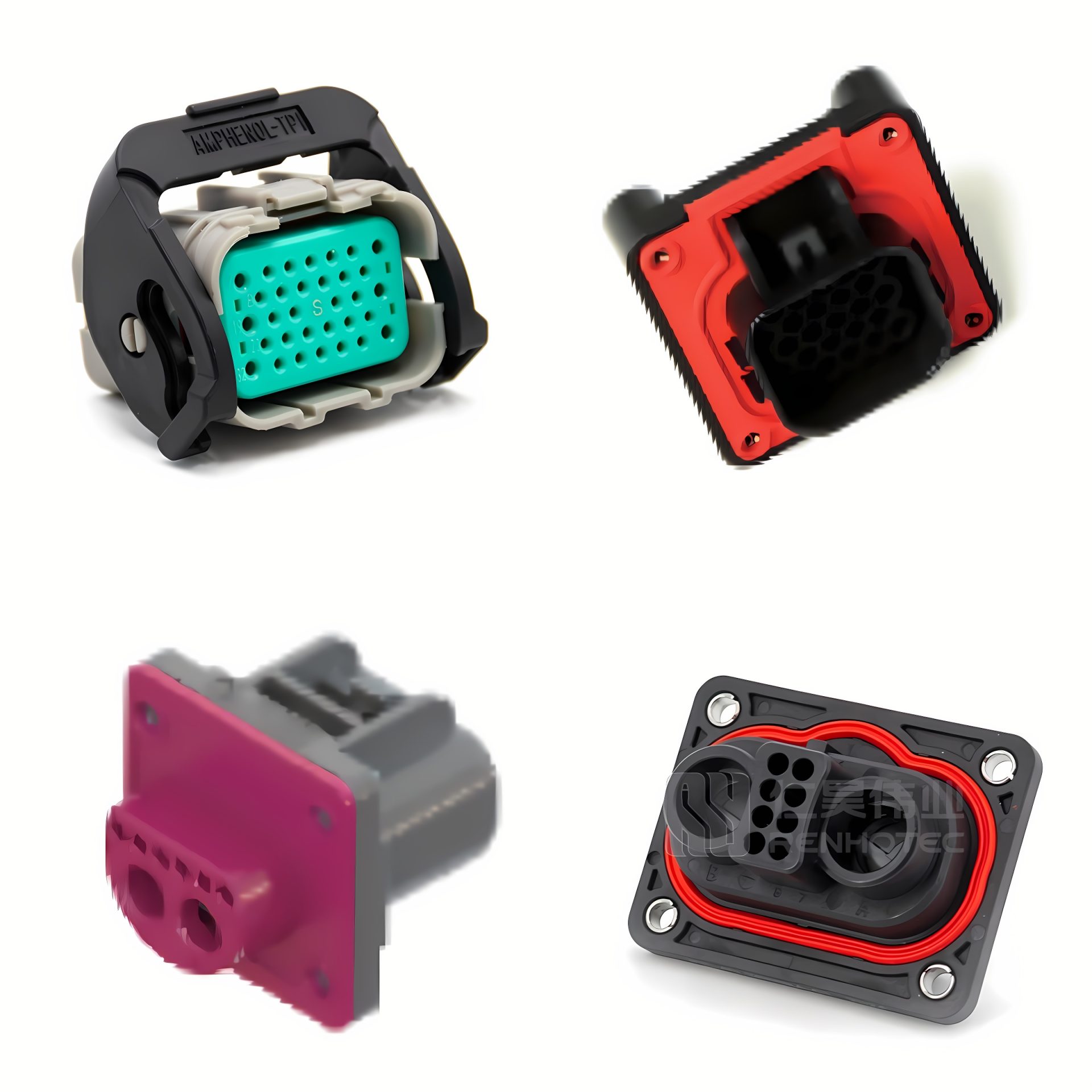
Renhotec, as a professional supplier, offers a comprehensive range of these Signal Transmission Connector products. Whether it is the high-reliability applications of the metal series or the wide adaptability of the plastic series in consumer electronic products, Renhotec can provide customers with high-quality options to meet the diverse requirements of signal transmission connections in different industries and scenarios.
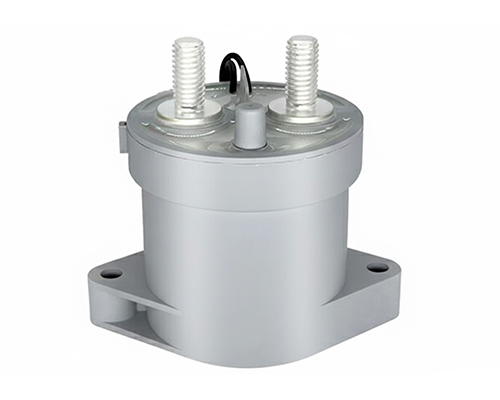
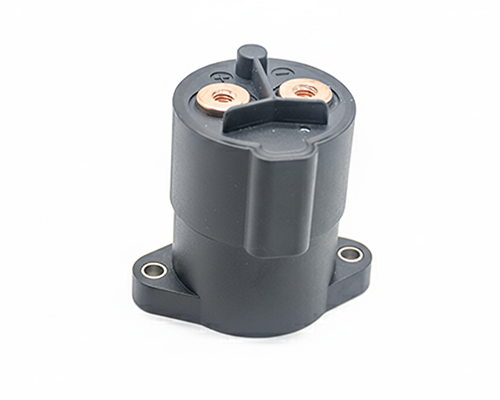
Renhotec, active in electrical components, offers High Voltage DC Contactors in Epoxy Resin Sealing and Ceramic Sealing variants, with a 20A – 1000A current range. The Epoxy Resin Sealing one is cost-effective and protective. The Ceramic Sealing variant excels in thermal stability and insulation. They’re widely used in EV charging, renewable energy grid, and industrial high-voltage DC power distribution for reliable circuit control and current interruption, providing comprehensive solutions for multiple sectors.
1. Overview of the Public Charging Station Industry
The EV charging station is an important infrastructure in the era of new energy vehicles. New energy vehicle charging stations refer to the equipment devices that provide charging services for new energy electric vehicles. They are installed in public places such as public buildings, parking lots, shopping malls, operating vehicle charging stations, and private places such as residential communities.
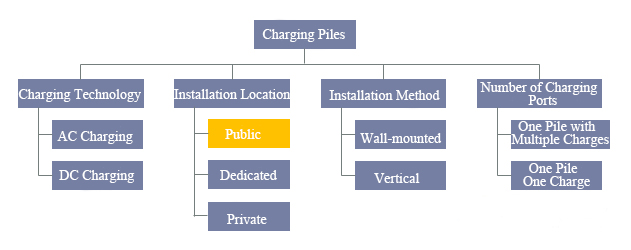
Common classifications of charging stations:
According to the installation conditions, it mainly includes vertical charging stations and wall-mounted charging stations. In accordance with the service targets, they are mainly divided into public charging stations, special charging stations, and private charging stations. Divided by the number of charging interfaces, mainly divided into one station and multiple charging stations. Divided by charging types, mainly divided into AC charging stations and DC charging stations.
Classification of charging stations
2. Current Situation of the Global Public EV Charging Stations Industry
In recent years, the global public charging station ownership is rapidly increasing. And the global ownership of public charging stations will reach 1.308 million units in 2020. Among them, the number of fast-charging stations (power > 22kW) is 386,000. And the number of slow charging stations (power ≤ 22kW) is 922,000.
Global public charging station
Related report: China Public Charging Station Industry Market Panorama Assessment and Development Strategic Planning Report 2022-2027 published by China Economic Research Institute
3. Current Situation of China’s Public Charging Station Industry
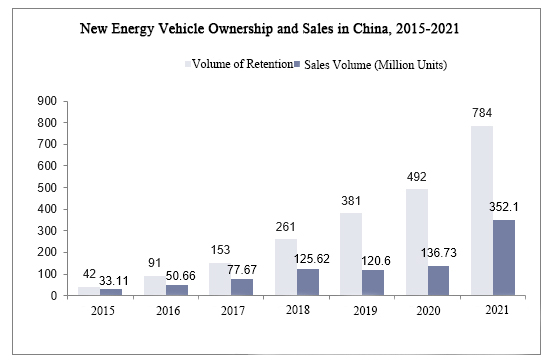
China’s new energy vehicle sales and holdings are rising rapidly, but the progress of infrastructure construction cannot follow its expansion rate. By the end of 2021, China’s new energy vehicle ownership reached 7.84 million units, up 59% year-on-year; sales reached 3.521 million units, up 157.51% year-on-year.
New energy vehicle ownership and sales
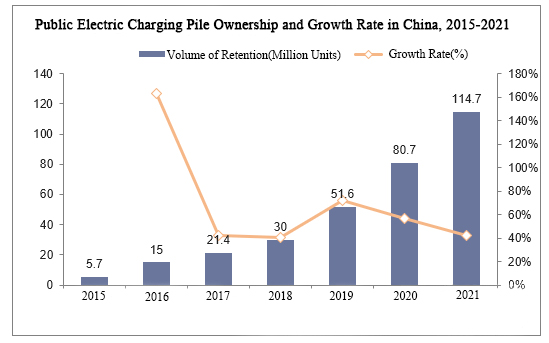
Charging station charging is the most mainstream way to replenish the energy of new energy vehicles in China. And in 2021, the number of public charging stations in China is 1.147 million, an increase of 42.13% year-on-year.
Public electric charging station growth rate
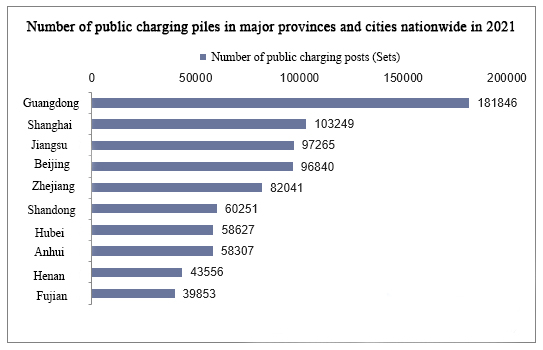
The public charging infrastructure construction area is more concentrated. 2021 Guangdong Province has 181,800 public charging stations, far ahead of other provinces and cities. Followed by Shanghai with 103,200 public charging stations. Then Jiangsu Province and Beijing, the number of public charging stations in the two is closer, respectively 97,300 and 96,800.
Number of public charging station in cities
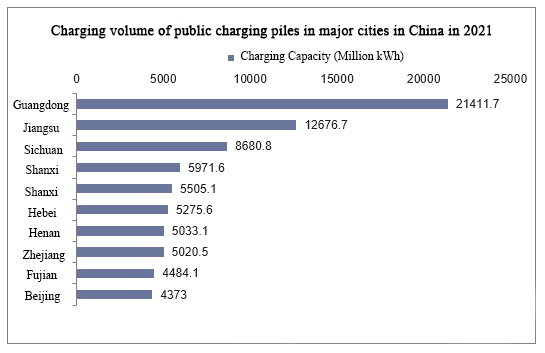
In terms of charging volume, Guangdong Province is the province and city with the largest number of public charging stations in China in 2021, amounting to 214 million kWh; ranking second is Jiangsu Province with 127 million kWh; and Sichuan Province ranks third with 0.87 billion kWh.
Charging volume of public charging stations
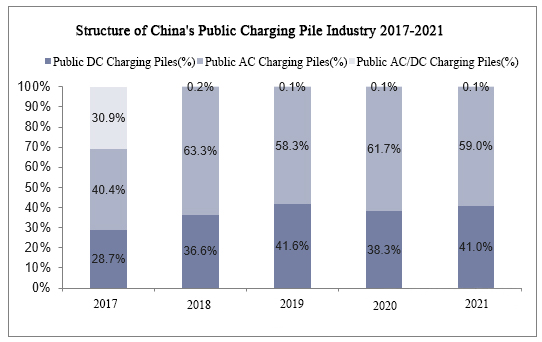
Since 2018, China’s public charging stations are dominated by two categories of DC charging stations and AC charging stations, and the proportion of AC and DC charging stations is very small. From 2017 to 2019, the proportion of DC charging stations rose from 28.7% to 41.6%, which is a rapid increase. From 2019 to 2021, the proportion structure of DC charging stations and AC charging stations is relatively stable. The proportion of AC charging stations will remain about 60%. And the proportion of DC charging stations will remain about 40%.
Industry structure
4. Competition Pattern of the Public Charging Station Industry
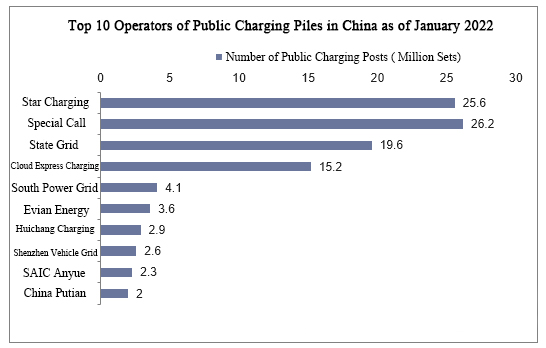
The concentration of public charging station operators is high. As of January 2022, there are 13 public charging stations operated by charging operators in China with the number of public charging stations exceeding 10,000 units. They are Star Charging, Special Call, State Grid, Cloud Fast Charging, Southern Power Grid, Yiwei Energy, Hui Charging, Shenzhen Vehicle Grid, SAIC Anyue, China Putian, Wanma Aichong, Wancheng Wanchong, and Hengtong Dingchong.
These 13 operators account for 93% of the total, and the remaining operators account for 7% of the total.

 Deutsch
 Русский







2.jpg)