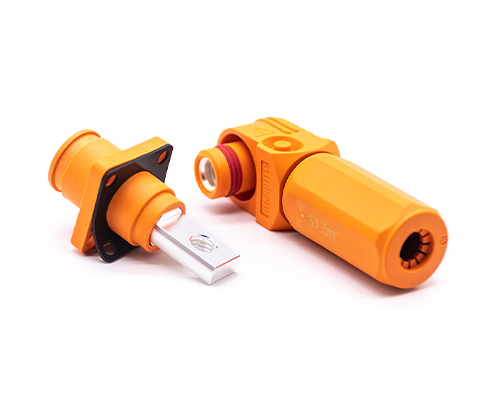
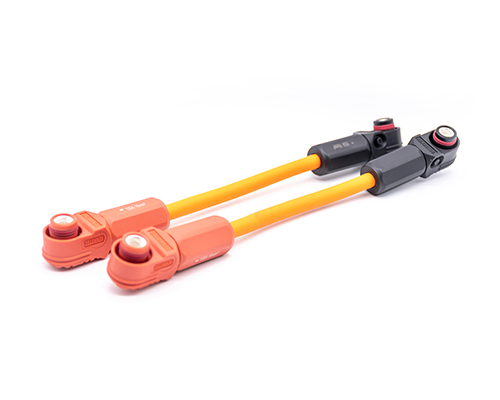
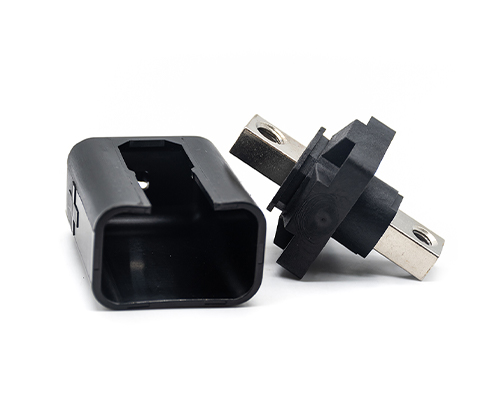
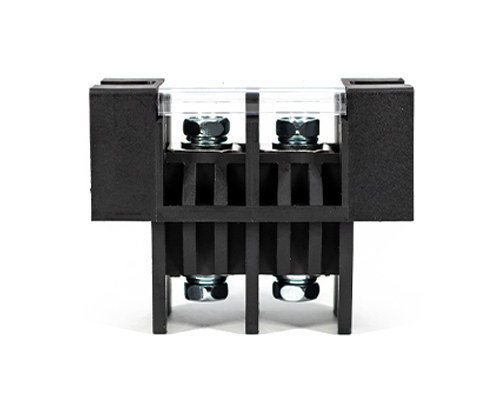
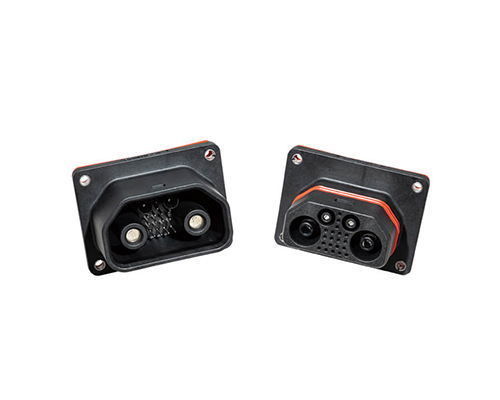
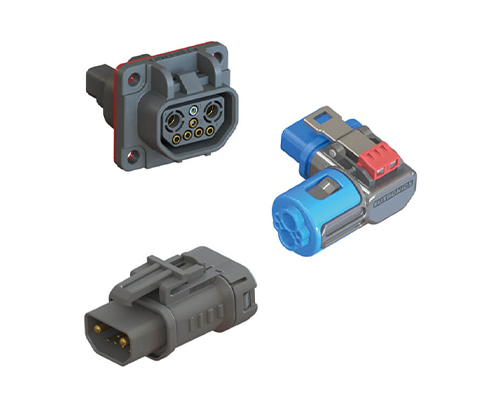
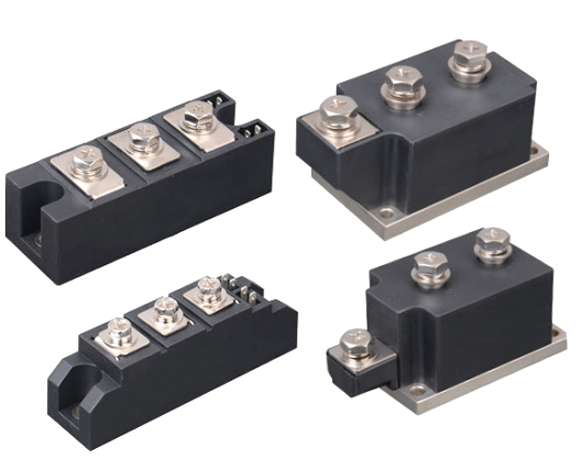
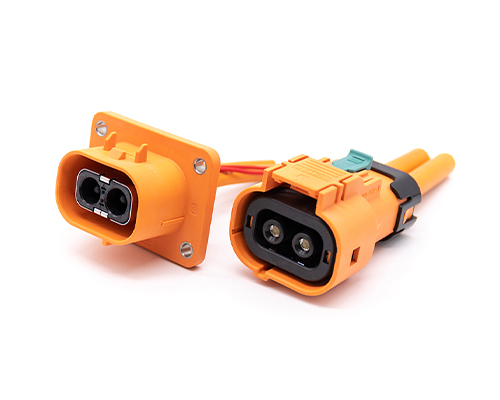
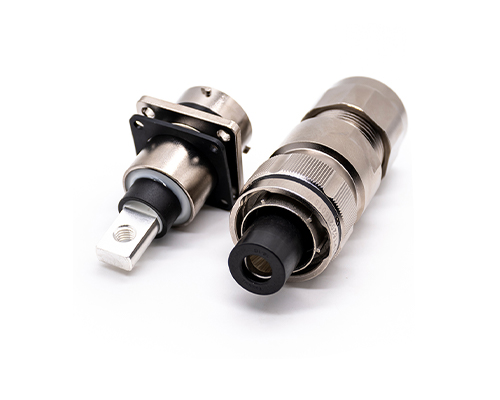
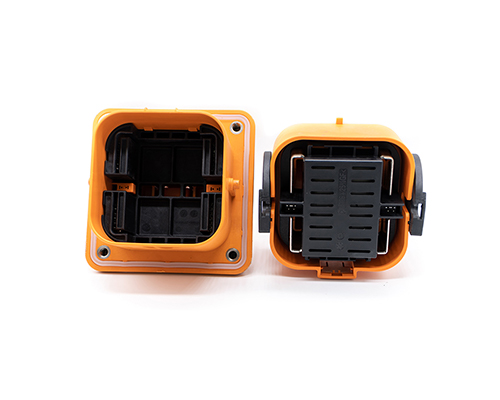
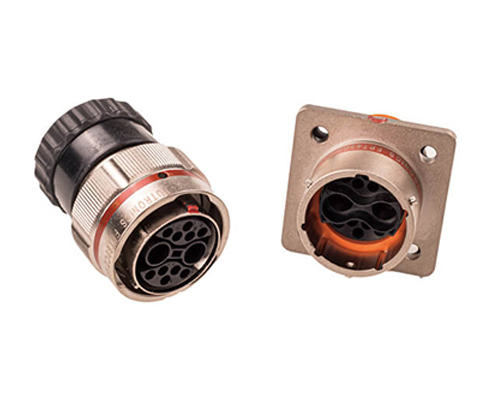
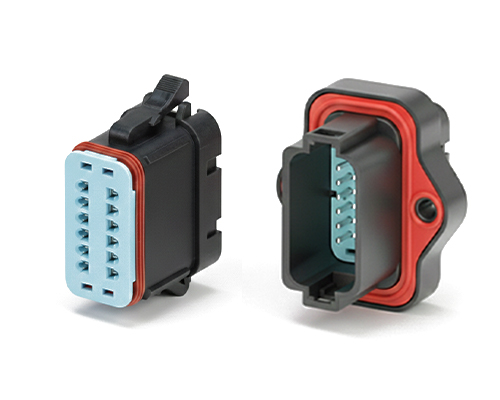
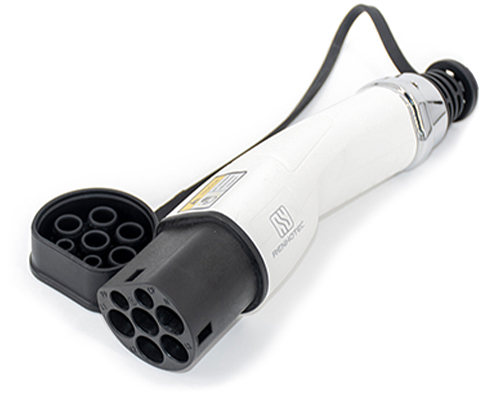
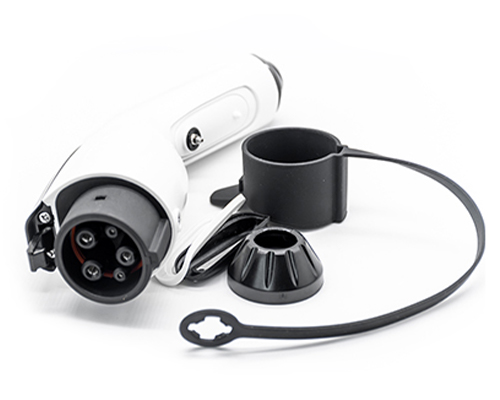
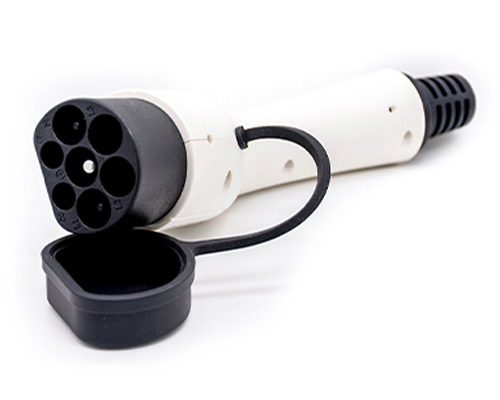
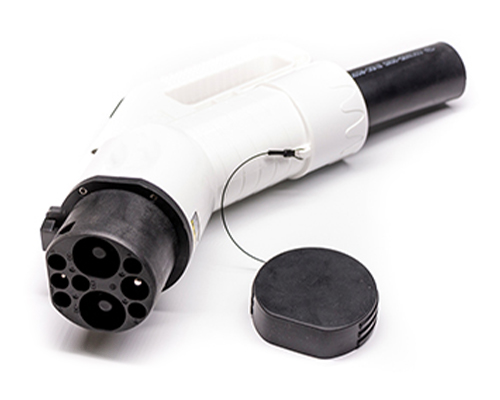
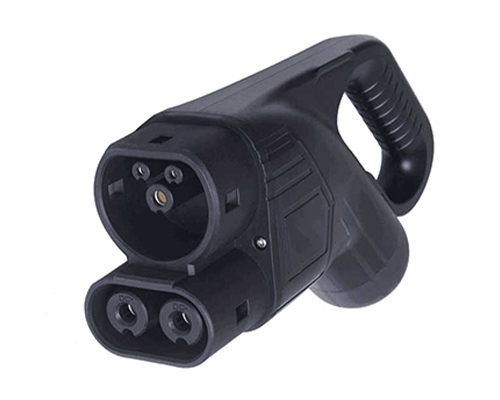
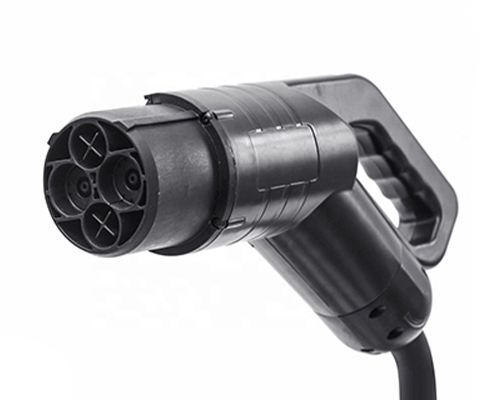
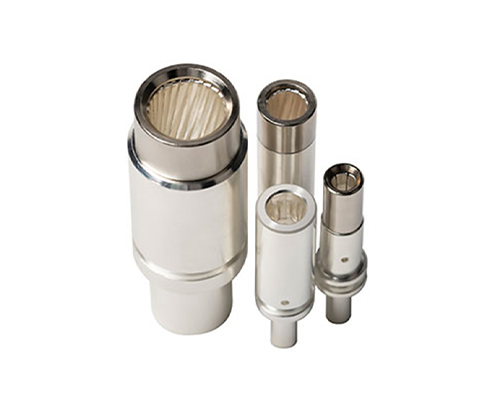
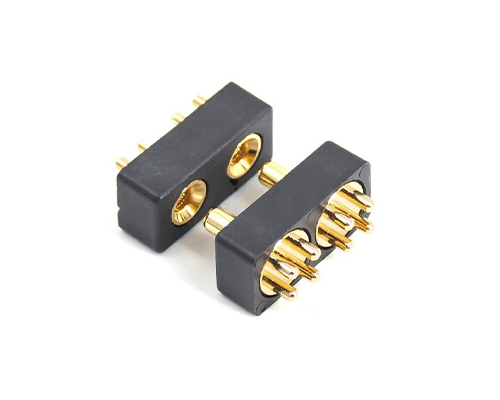
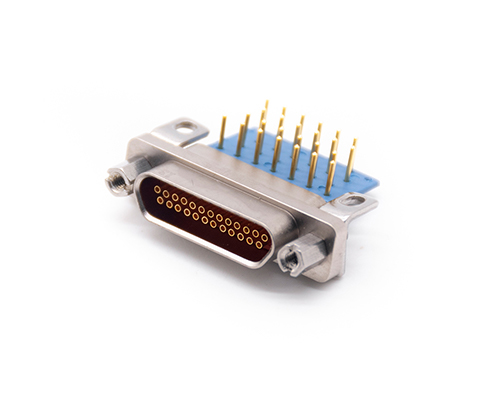
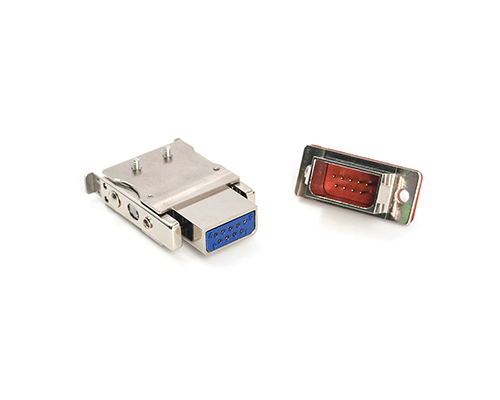
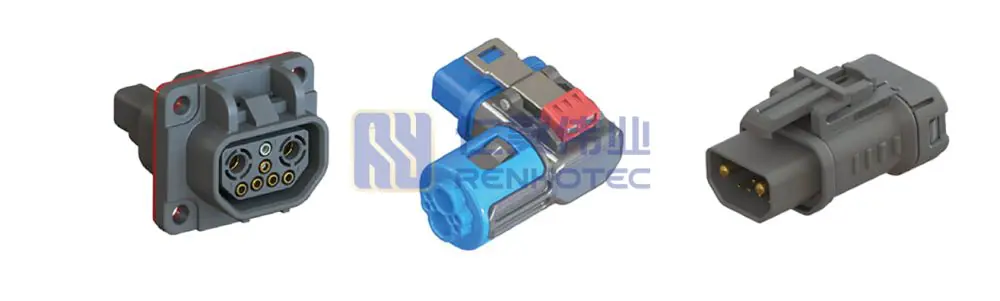
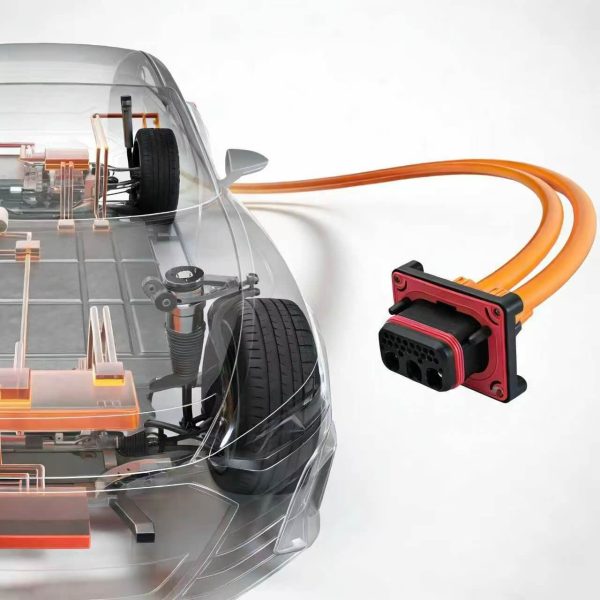
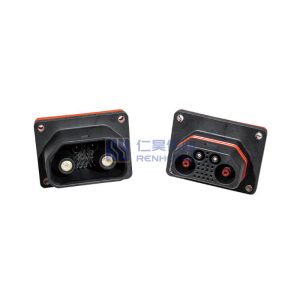
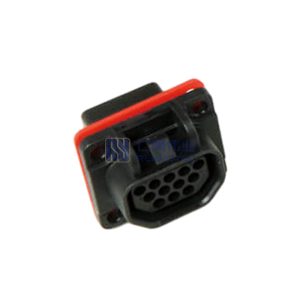
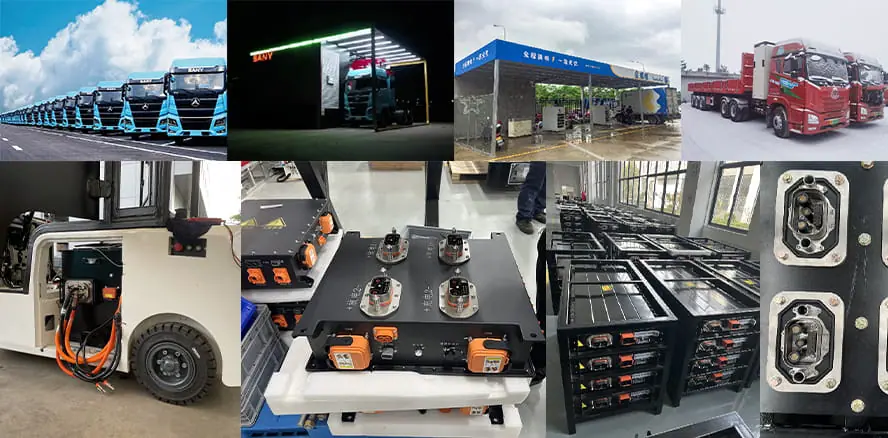
High Voltage Connectors are widely used in EV power systems, renewable energy installations, and industrial high-voltage circuits. Renhotec’s series drives the building of efficient, safe, and sustainable electrical ecosystems, meeting current technological demands.
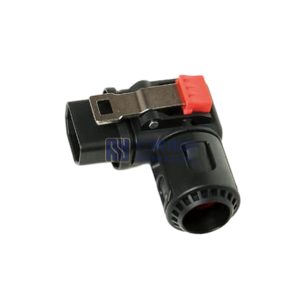
Plastic Shell HVIL Connectors and Cable Assemblies
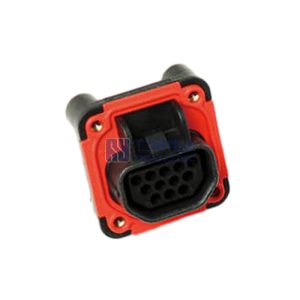
Renhotec, as a professional supplier, offers a comprehensive range of these Signal Transmission Connector products. Whether it is the high-reliability applications of the metal series or the wide adaptability of the plastic series in consumer electronic products, Renhotec can provide customers with high-quality options to meet the diverse requirements of signal transmission connections in different industries and scenarios.
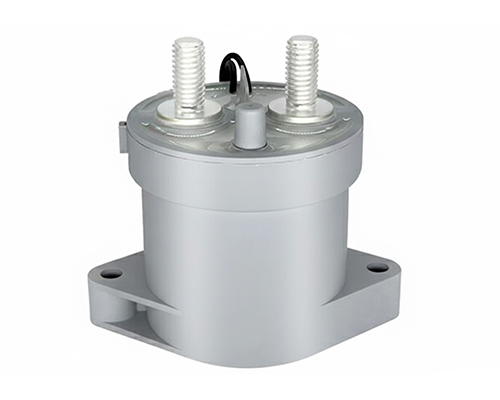
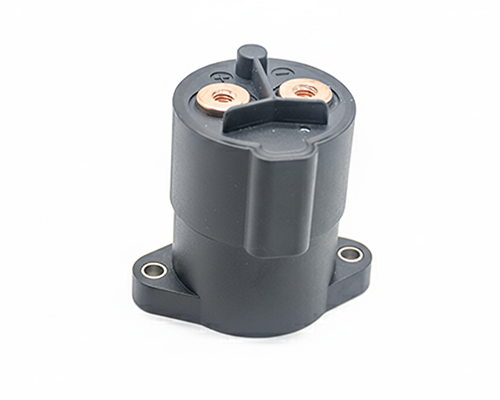
Renhotec, active in electrical components, offers High Voltage DC Contactors in Epoxy Resin Sealing and Ceramic Sealing variants, with a 20A – 1000A current range. The Epoxy Resin Sealing one is cost-effective and protective. The Ceramic Sealing variant excels in thermal stability and insulation. They’re widely used in EV charging, renewable energy grid, and industrial high-voltage DC power distribution for reliable circuit control and current interruption, providing comprehensive solutions for multiple sectors.
Renhotec EV Cable, crafted with top-notch conductive materials and meticulously engineered insulation, showcases outstanding impedance control and voltage-withstanding properties. Its design combines flexibility and durability to meet a wide array of installation needs. This cable is widely utilized in grid interconnections, large-scale industrial power supply systems, and high-voltage renewable energy projects, enabling smooth and efficient power transmission.
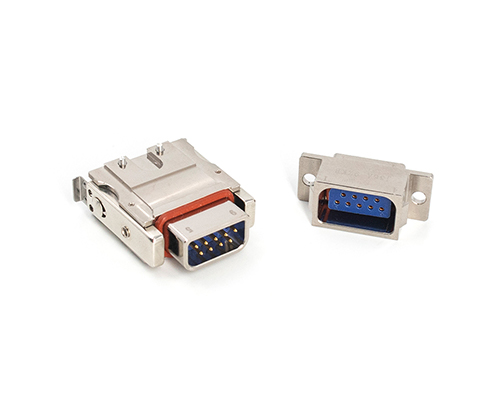
Renhotec’s Drawer Connector, available in 4 – 37 cores, features a compact and flexible design. It can provide reliable electrical connections varying in complexity. The various core options make it suitable for a wide variety of small electrical appliances and drawer-mounted devices. It enables efficient power and signal transfer, facilitating the operation and integration of internal components, and is a viable option in the connector market.
The Floating BTB Connector is a key component designed to achieve a reliable electrical connection between two circuit boards. It is widely used in various electronic devices that require high connection stability and signal integrity, such as smartphones, tablets, laptops, and industrial control equipment etc., to build a stable and efficient communication bridge between circuit boards in complex electronic systems.
The Rectangular Connector is widely used in consumer electronics (such as computers, TVs, game consoles, etc.), industrial control equipment, communication equipment, and automotive electronics. With its reliable connection performance, diverse specifications, and relatively convenient plug-in and unplug operations, it has become an indispensable component in various electronic and electrical applications.
In EV industry “good enough” is often not enough for hybrid power and signal connectors.
A client sends us a prototype BMS (Battery Management System) because hey are frustrated on some problems. Their logic board is throwing random error codes, but only when the motor ramps up to peak torque. They surmise the problem is about software or MCU (Microcontroller Unit).
I usually find out the key point with one glimpse. It’s almost always a generic, off-the-shelf hybrid connector where the power pins are sitting uncomfortably close to the signal pins, with zero internal shielding.
“There’s your problem,” I tell them. “You’re running 80 amps of noisy current right next to a 5-volt data line, and you’re using a plastic housing that’s basically transparent to EMI (Electromagnetic Interference).”
This isn’t marketing gimmick. This is physics.
In my 15 years here at EV connector industry, I’ve learned that delivering reliable hybrid power and signal connectors is not just about supplying a component. It is a war against interference, heat, and vibration. If you are an engineer or a procurement manager reading this, I want to be honest with you about what actually happens inside these components and why choosing the cheapest option – which looks “good enough” – is often the most expensive mistake you can make.
Automotive Power and Signal Connectors
The “Space vs. Noise” Dilemma in Automotive Design
We all know the trend. Whether you are designing for an Electric Vehicle (EV) or a high-performance electric motorcycle, the space on PCB is more expensive than a downtown real estate. You don’t have the luxury of placing two separate connectors—one for power, one for signal—anymore. You need to combine them.
This brings us to the core engineering conflict: the close proximity breeds interference.
When we specify and engineer power and signal connectors automotive that clients rely on, we are essentially trying to put a lion (High Current) and a rabbit (Sensitive Data) in the same cage and hoping the rabbit doesn’t get eaten.
Here is the reality of what happens inside that housing:
Thermal Rise: Power contacts generate heat. If the housing material isn’t stable, that heat migrates to the signal contacts, potentially changing their resistance or causing the plastic to warp, leading to intermittency.
Crosstalk (EMI): High-frequency switching noise from the power lines wants to jump onto your signal lines. If your data line is carrying CAN-bus or temperature sensor readings, that noise looks exactly like effective data.
Creating reliable power and signal connection solutions – hybrid connectors – requires strict engineering oversight. We have to physically and electrically separate these two functions while keeping them mechanically united.
Hybrid Connectors for Motorcycles
3 Things I Look for in a Connector (That Datasheets Won’t Tell You)
If you hand me a competitor’s connector and ask me to evaluate it, I don’t look at the spec sheet first. I look at the physical construction. Here are the three “tells” that separate a robust automotive component from a cheap consumer-grade part masquerading as one.
1. Housing Material Integrity (It’s Not Just Plastic)
I can tell a cheap connector by the smell when I touch a soldering iron to it. Many budget suppliers use recycled PBT or low-grade Nylon with unstable glass fiber content.
This brings risks to connector durability: Recycled material is brittle. In an automotive environment—especially motorcycles where vibration is high-frequency—that brittleness leads to micro-cracks around the locking tab.
Here’s our standard: at Renhotec, we stick to glass-reinforced PA66 or high-grade PBT for power and signal connectors. Why? Because I need to make sure that if the connector sits in an engine bay at 125°C for 5 years, the locking mechanism won’t snap off due to thermal aging.
Glass-reinforced PA66
2. Contact Plating and Fretting Corrosion
This is the silent killer. You might see “Gold Plated” on a datasheet, but “Flash Gold” (less than 3 micro-inches) is functionally useless for a vehicle.
The reality is, cars and bikes vibrate. Constantly. This causes the male and female pins to rub against each other microscopically. If the plating is too thin, it wears through to the base metal (copper or brass) in weeks. Then, you get oxidation. Then, you get signal failure.
My advice on this factor is: for the signal pins in a hybrid connector, we insist on specific plating thicknesses that can survive this “fretting.” We validate this rigorously to ensure long-term reliability.
3. The “Click” Sound (TPA Assurance)
This might be a point that is easily overlooked, but it’s crucial. When you mate the connector, do you hear a distinct, sharp click?
We engineer our locking latches and TPA (Terminal Position Assurance) standards to provide audible feedback. On your assembly line, your operators insert thousands of these a day. They can’t look at every single one. They rely on that sound. A mushy lock leads to half-mated connectors, which leads to field failures.
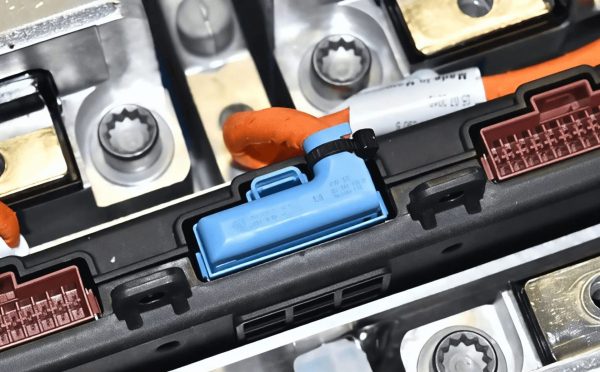
Automotive Hybrid Connectors
Engineering Quality vs. Generic Alternatives
I often get asked why our lead times or costs might differ from a generic “market standard” connector. It comes down to the strict specifications we enforce.
Feature
Generic / Low-Cost Market Options
Renhotec Engineering Standard
Dielectric Wall Thickness
Thinned out to save material cost. High risk of arcing under load.
Optimized for isolation. We mandate thick internal walls between power and signal cavities to prevent voltage breakdown.
Shielding Strategy
Often just a metal shell that “looks” shielded but lacks a proper grounding path to the PCB.
Integrated shielding with dedicated grounding pins. We verify shielding effectiveness against EMI standards.
Temperature Rating
Rated for static environments (often 85°C).
Rated for automotive stress (125°C or higher), validated by thermal aging protocols.
Pin Retention Force
Pins may back out during assembly if the wire is pulled.
Reinforced retention barbs. We require pull-tests on terminals to ensure they stay seated even when the harness is yanked.
We have a case involving an electric motorcycle manufacturer. They came to us because their dashboard display would flicker every time the rider accelerated hard.
This problem is often about rapid current transients and EMI. So we checked the weakest link in the defense – hybrid connectors.
They were using a power and signal connection solution that claimed to be shielded. When I cut the connector open for analysis, I found the metal shield was floating—it wasn’t actually connected to the ground plane effectively.
We recommended to replace them with our hybrid power connectors. Their signal cluster is encapsulated in a dedicated shielded chamber within the housing, grounded via a dedicated pin. The interference problem was resolved, and the display became stable immediately after the replacement.
Now you see why shielding isn’t just about wrapping metal around plastic. It must create a continuous, low-impedance path for noise to drain away. If your supplier can’t explain their grounding strategy to you, find another one.
Common Applications: Where These Connectors Truly Shine
Although these connectors are highly versatile, in my opinion, our engineering approach demonstrates its value most effectively in the following two areas.
Battery Management Systems (BMS)
This is the brain of your EV. It needs to read individual cell voltages and temperatures with extreme precision while simultaneously handling the main contactor power or balancing currents.
If your power and signal connectors allow heat from the power pins to drift over to the thermistor (temperature sensor) pins, your BMS will think the battery is hotter than it actually is. This leads to early throttling or charging errors. We specify thermal paths that direct heat away from the signal pins.
Electric Motorcycle Controllers
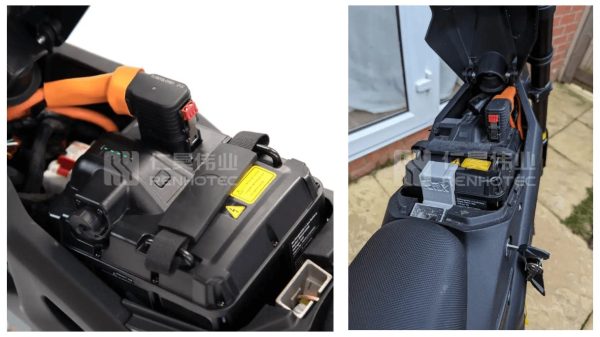
The vibration profile of a motorcycle is violent compared to a car. A standard “computer-grade” connector will vibrate loose.
Our hybrid connectors for motorcycles feature high-contact-pressure terminals and secondary locking mechanisms. We engineer them to stay connected even when you are jumping curbs or riding on washboard gravel roads.
Hybrid Connectors Applications
To Choose Proper Hybrid Connectors
If you are building a toy, buy the cheapest connector you can find anywhere. It doesn’t matter.
However, if you’re building vehicles that carry people—where a malfunction means customers are stranded or you face expensive recall claims—you need to talk to technical experts, not middlemen.
At Renhotec, we don’t just supply part numbers. We supply the assurance that when you plug it in, it works, and it keeps working.
I invite you to challenge us. Send us your PCB layout. Tell us your space constraints. Let my team verify if your current power and signal connectors automotive choice is actually up to the task.
We have the experience, and frankly, we care about getting it right.

 Deutsch
 Русский