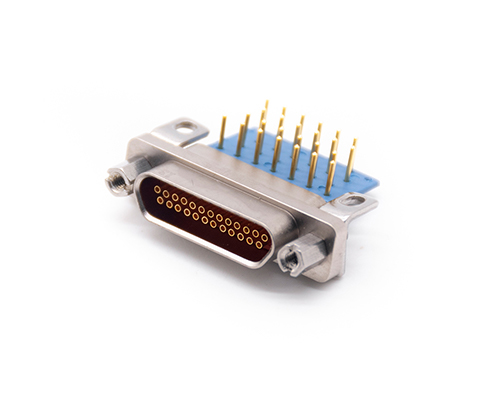
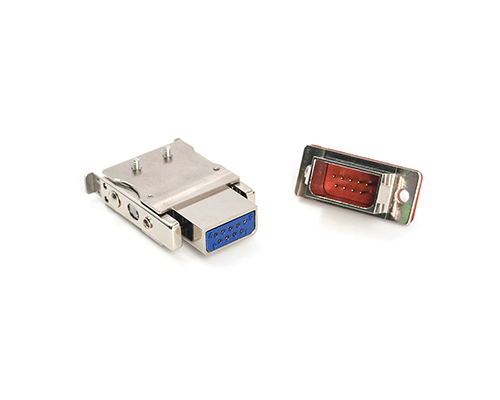
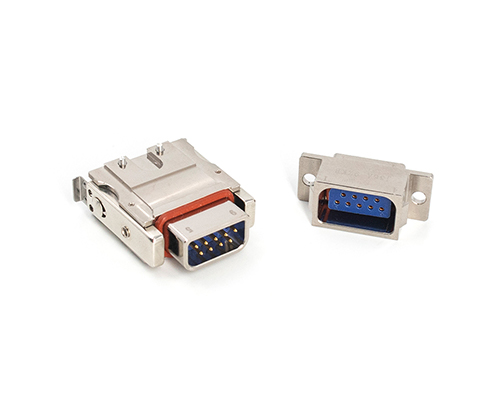
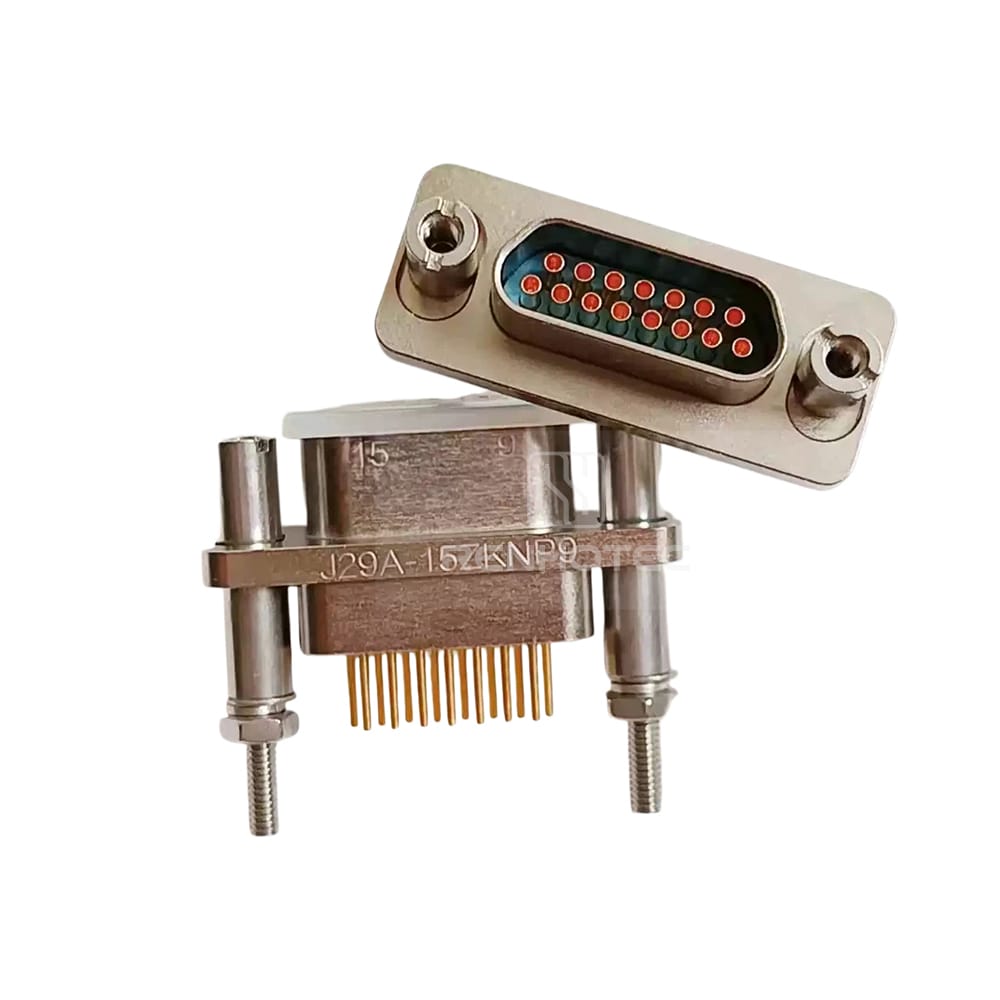
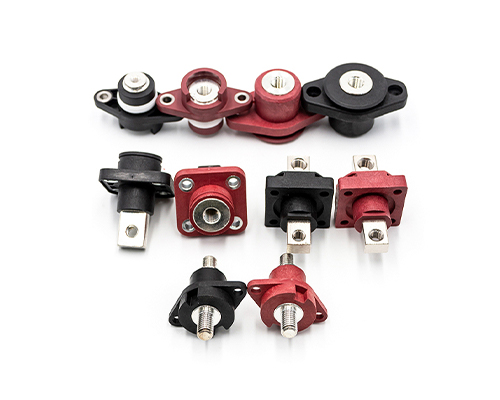
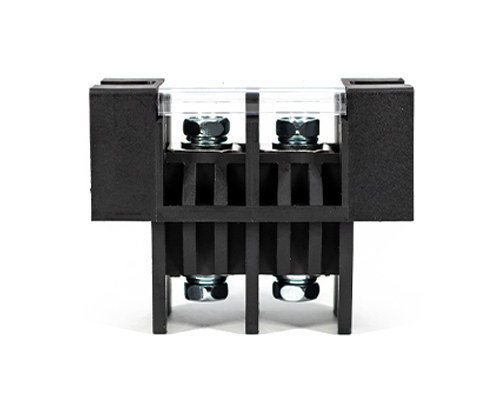
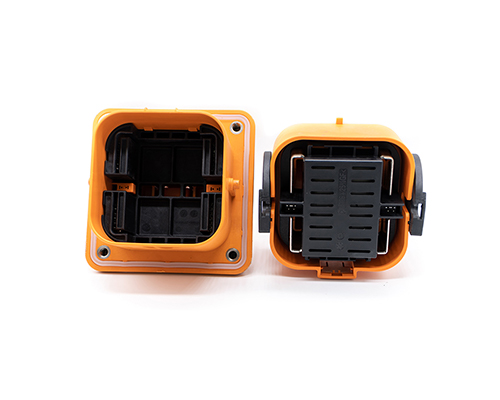
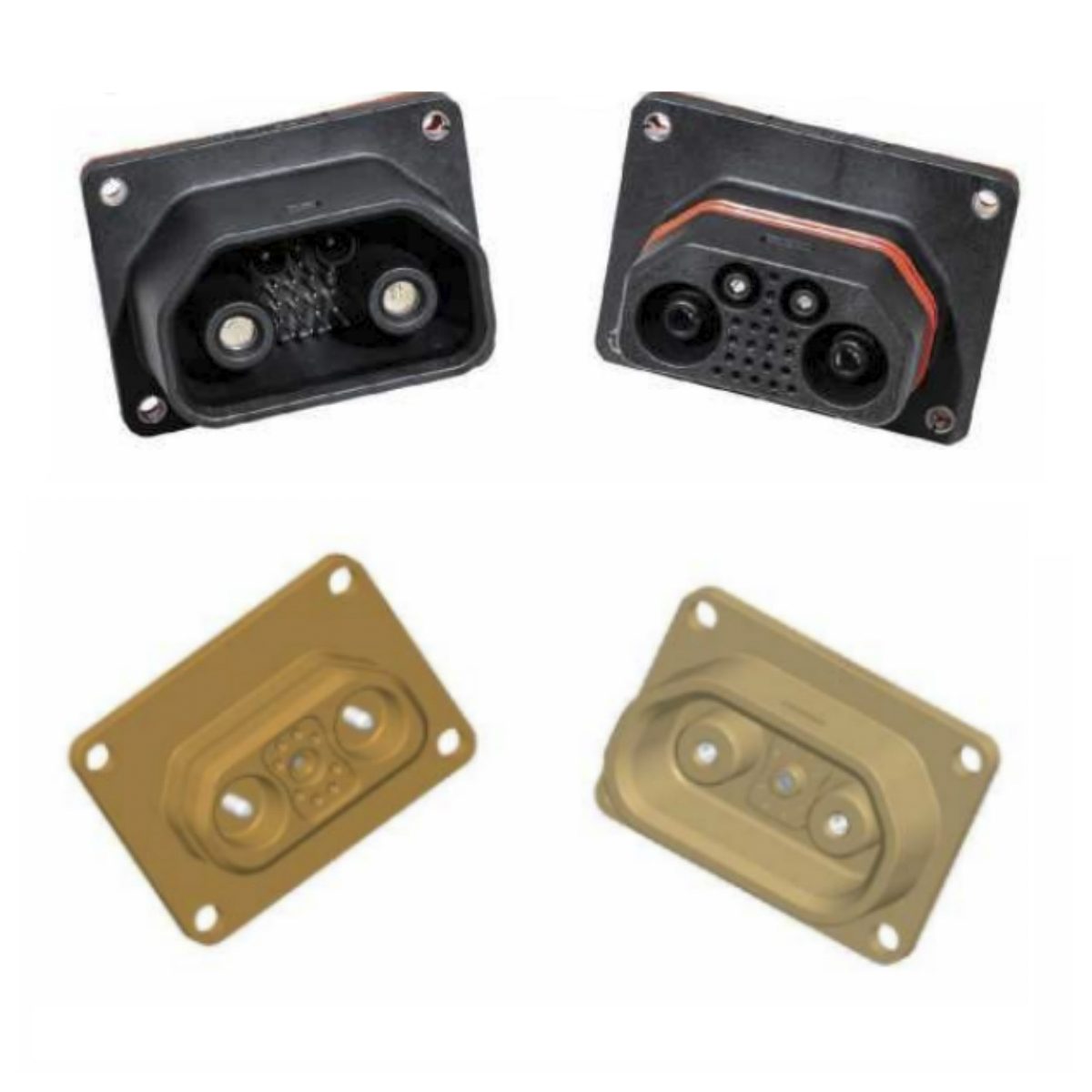
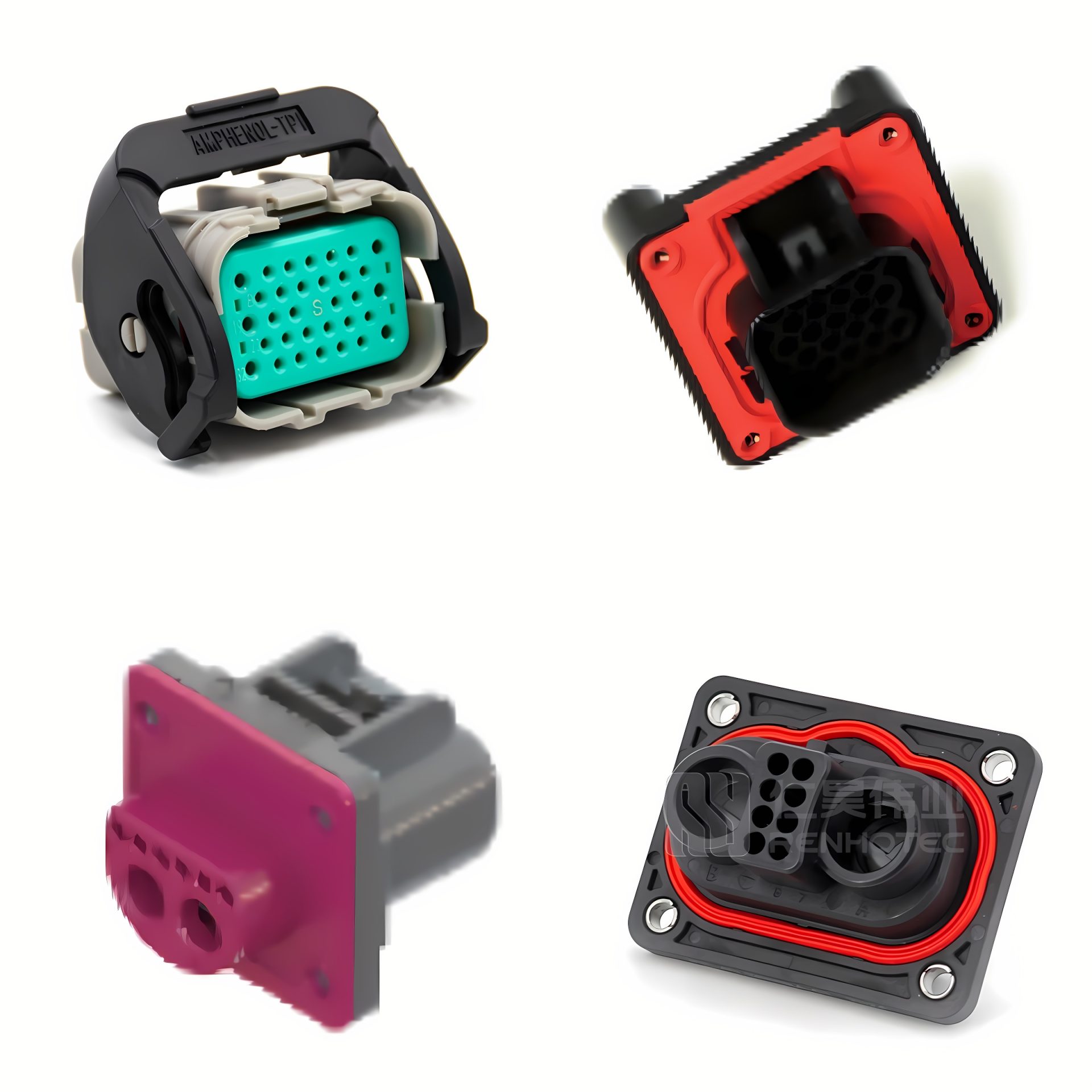
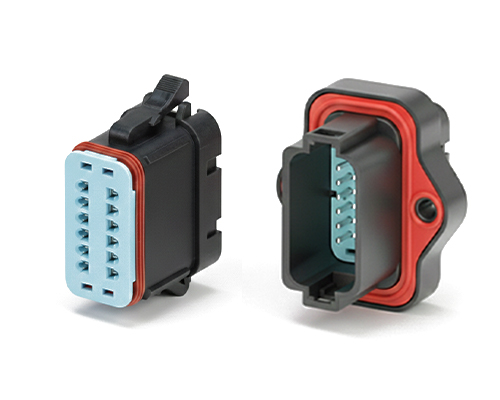
The Rectangular Connector is widely used in aerospace, medical instruments, consumer electronics (such as computers, TVs, game consoles, etc.), industrial control equipment, communication equipment, and automotive electronics. With its reliable connection performance, diverse specifications, and relatively convenient plug-in and unplug operations, it has become an indispensable component in various electronic and electrical applications.
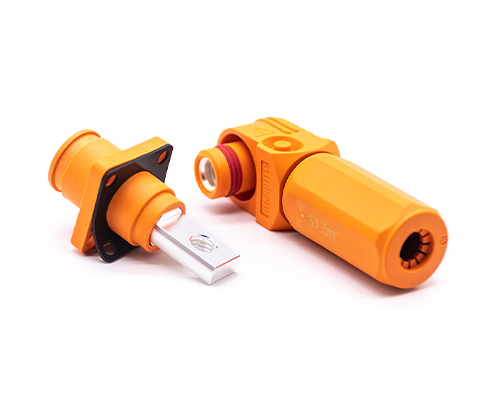
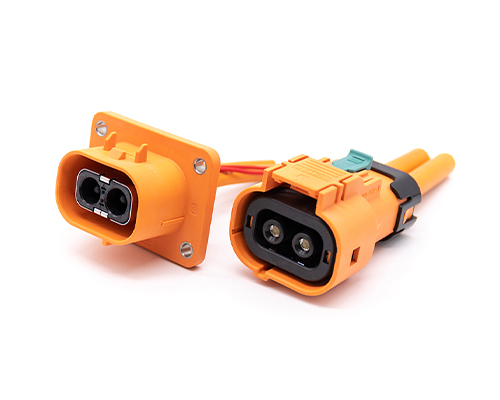
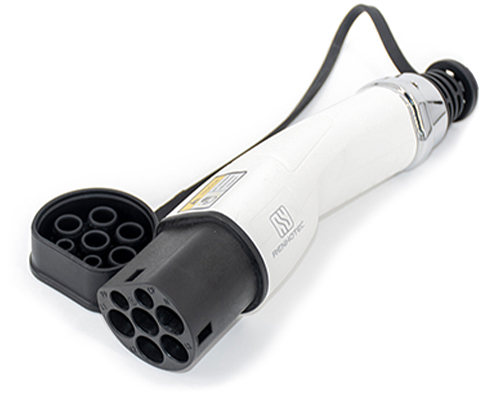
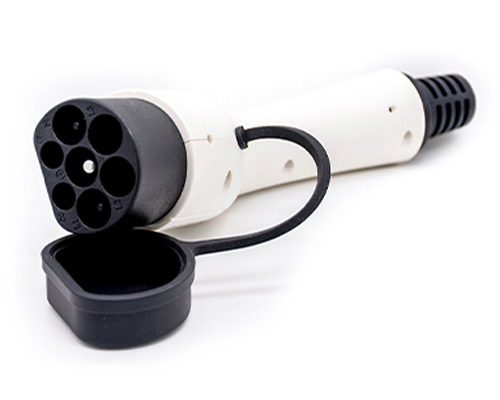
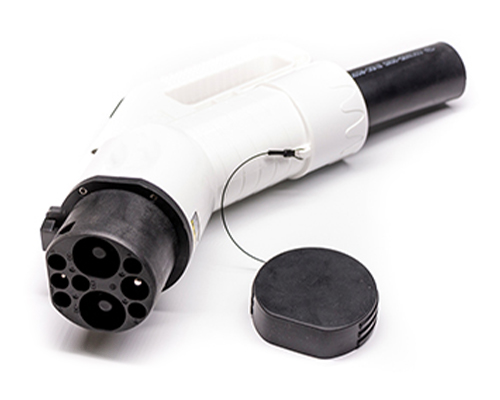
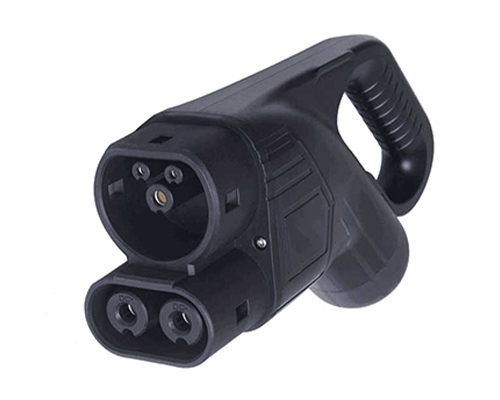
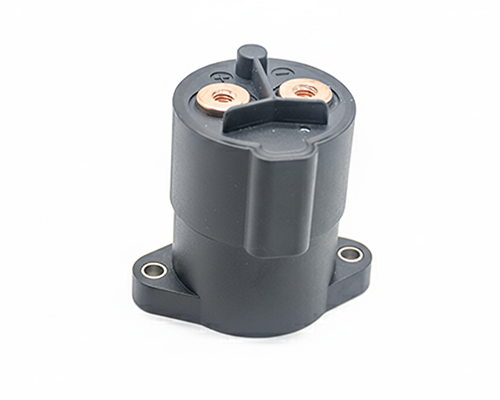
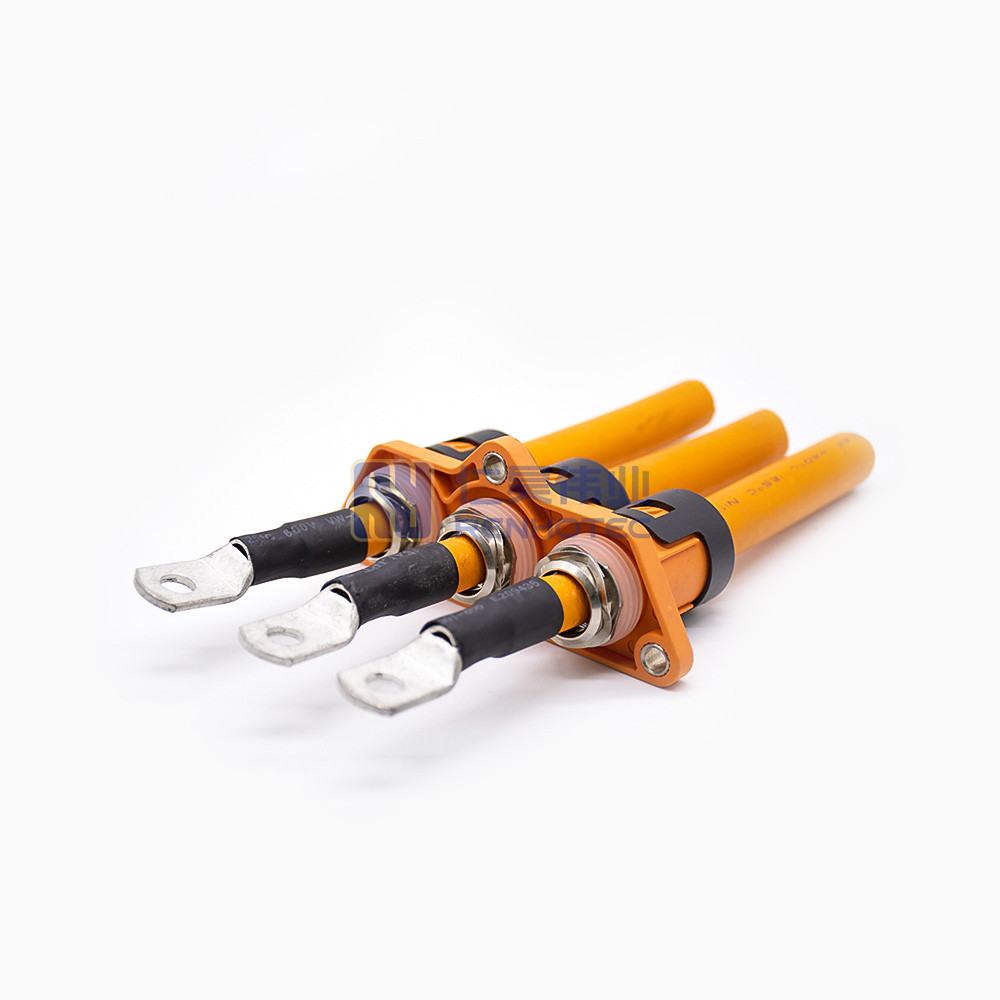
High Voltage Connectors are widely used in EV power systems, renewable energy installations, and industrial high-voltage circuits. Renhotec’s series drives the building of efficient, safe, and sustainable electrical ecosystems, meeting current technological demands.
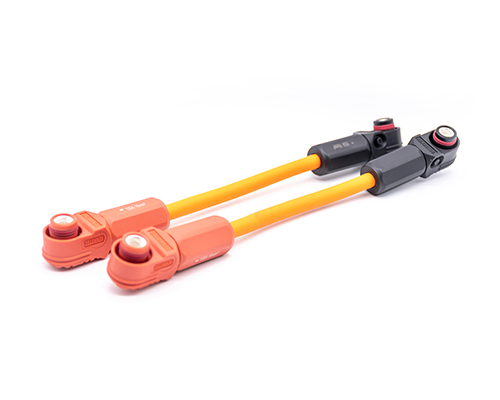
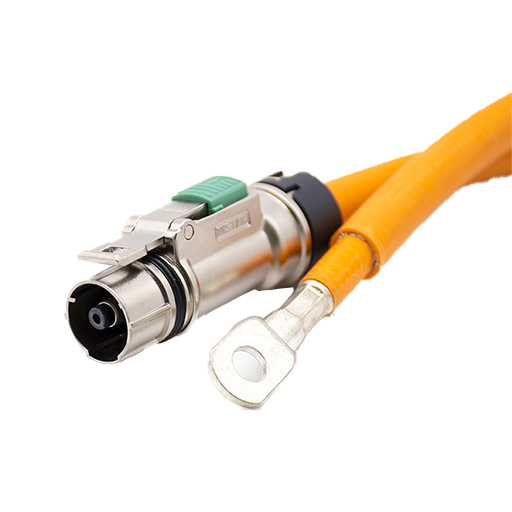
Renhotec EV Cable, crafted with top-notch conductive materials and meticulously engineered insulation, showcases outstanding impedance control and voltage-withstanding properties. Its design combines flexibility and durability to meet a wide array of installation needs. This cable is widely utilized in grid interconnections, large-scale industrial power supply systems, and high-voltage renewable energy projects, enabling smooth and efficient power transmission.
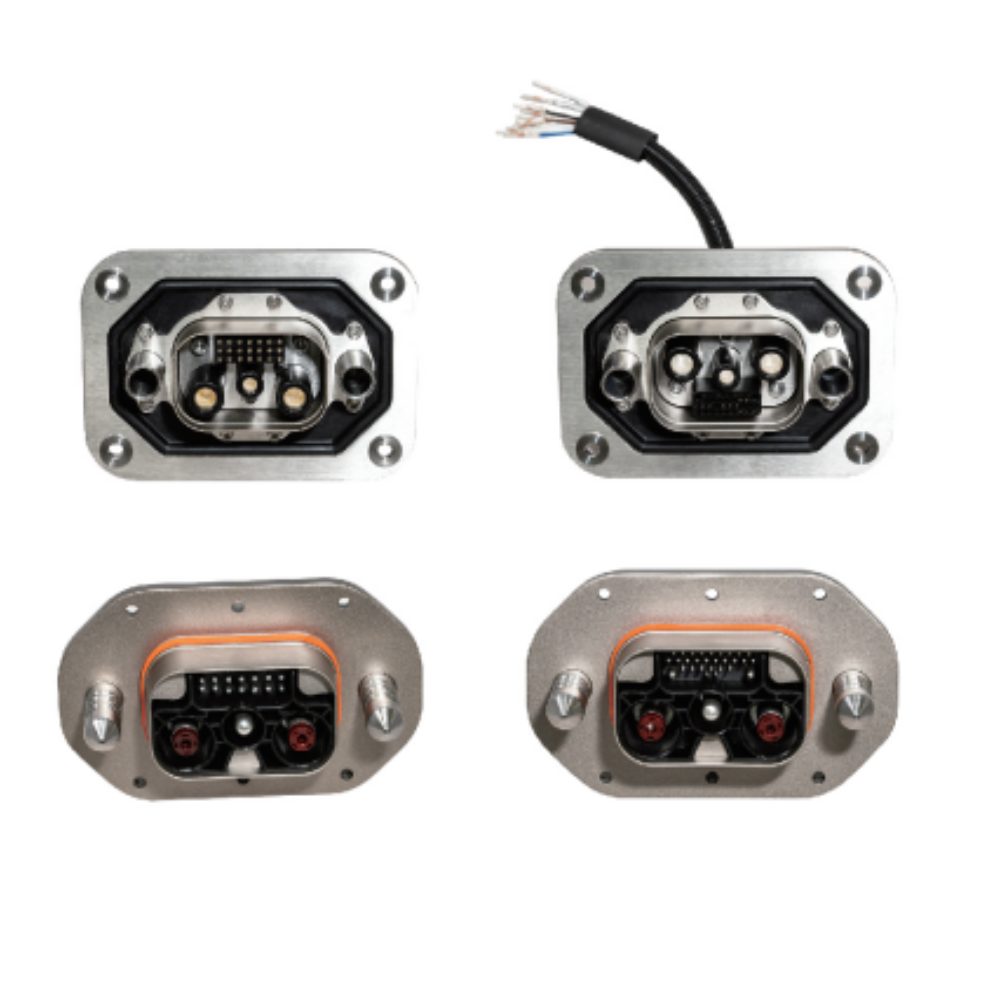
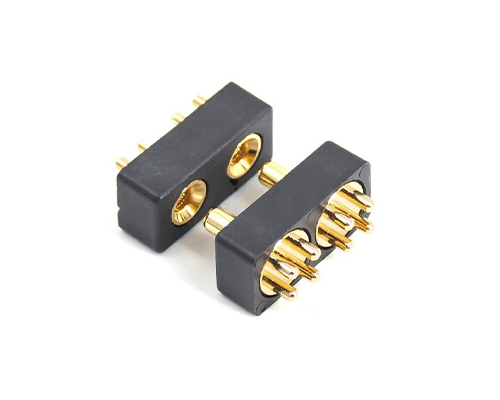
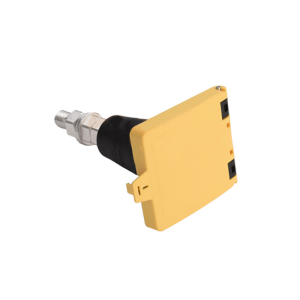
Renhotec, as a professional supplier, offers a comprehensive range of these Signal Transmission Connector products. Whether it is the high-reliability applications of the metal series or the wide adaptability of the plastic series in consumer electronic products, Renhotec can provide customers with high-quality options to meet the diverse requirements of signal transmission connections in different industries and scenarios.
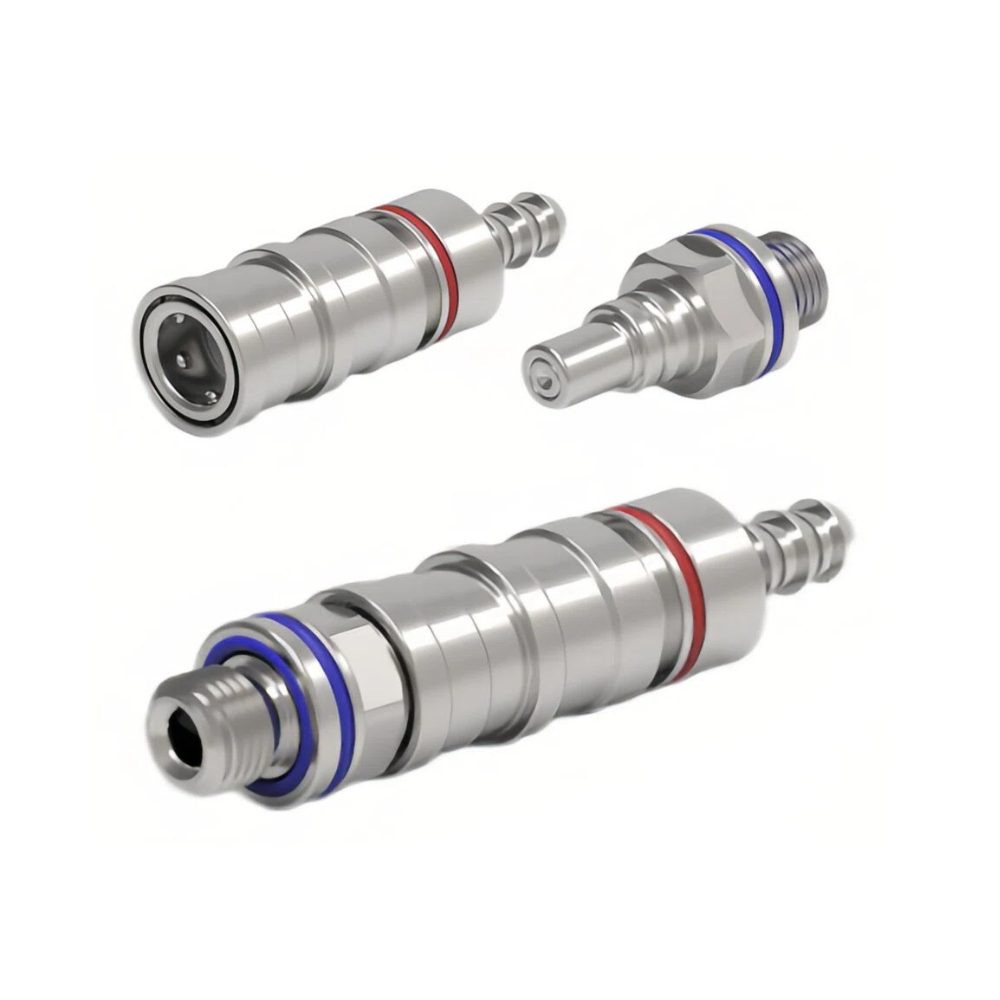
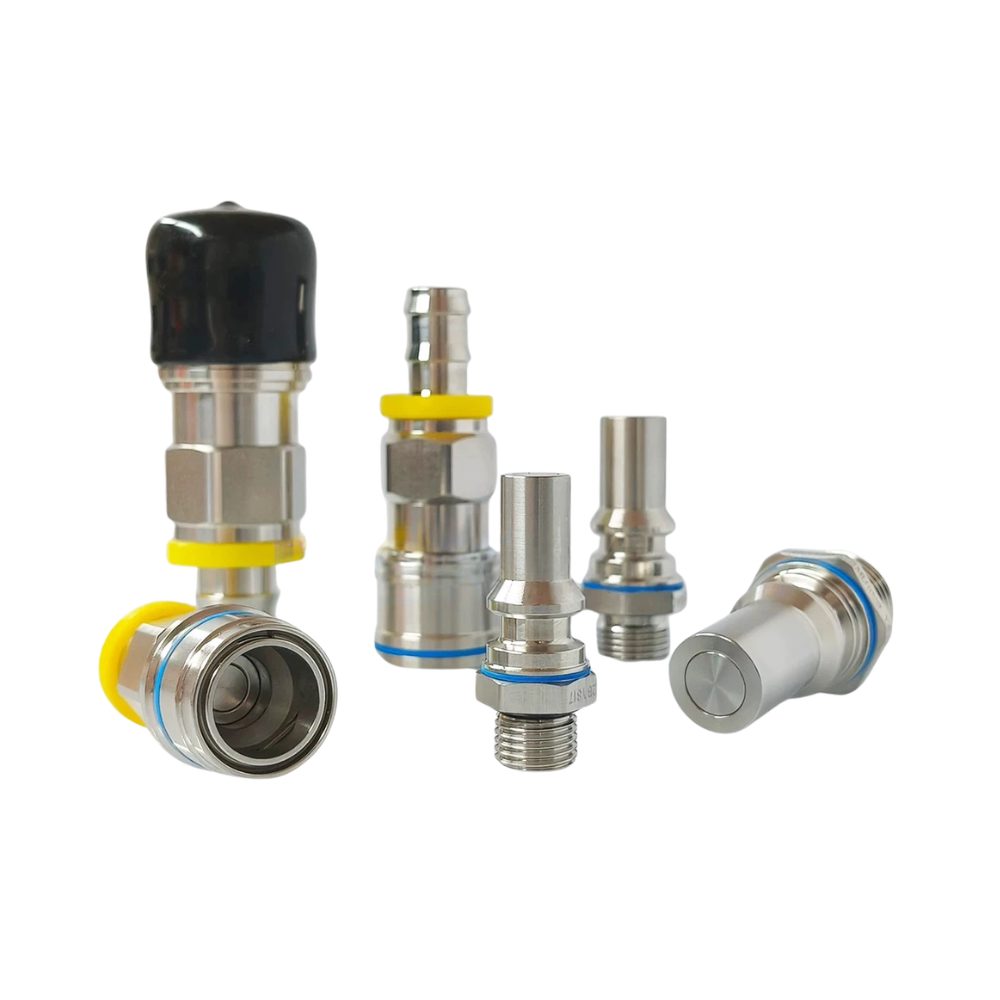
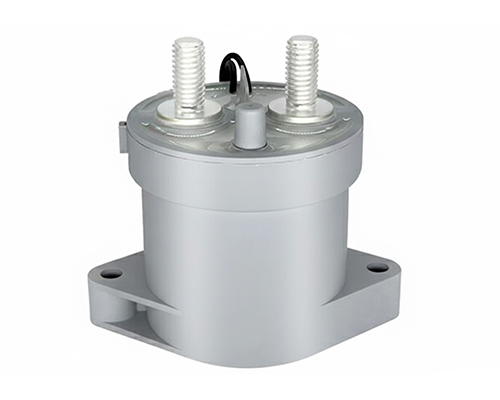
Renhotec, active in electrical components, offers High Voltage DC Contactors in Epoxy Resin Sealing and Ceramic Sealing variants, with a 20A – 1000A current range. The Epoxy Resin Sealing one is cost-effective and protective. The Ceramic Sealing variant excels in thermal stability and insulation. They’re widely used in EV charging, renewable energy grid, and industrial high-voltage DC power distribution for reliable circuit control and current interruption, providing comprehensive solutions for multiple sectors.
Hybrid Connectors: Types, Applications, and How to Choose the Right Configuration
Modern equipment often needs to transmit more than one function through the same connection interface. A system may require power for operation, signals for control, and data for communication. Using separate connectors for each function can increase the number of connection points, take up more space, and make cable routing more complex.
Hybrid connectors offer another approach by combining multiple connection functions into a single interface. However, the term itself is broader than it first appears. Products described as hybrid connectors can differ significantly in their structure, contact arrangement, and intended application—from a streamlined hybrid power connector that carries high-current power and control signals in one housing to more complex multi-function configurations.
This article looks at how hybrid connectors are understood in practice, the main configurations found in the market, and how application requirements influence the choice of a hybrid connector design.
A hybrid connector combines two or more different types of contacts or connection functions within a single connector housing or mating interface.
A common example is a connector that carries both power and control signals. Depending on the application, other combinations may include power and data, signal and RF, or several different functions within the same interface.
The purpose of a hybrid design is not simply to increase the number of contacts. It is to bring different connection requirements together when doing so can simplify the overall system, reduce installation space, or make equipment integration more efficient.
Why “Hybrid Connector” Is Not a Single Product Category
Unlike a connector standard that refers to a specific interface or defined structure, “hybrid connector” is a broad product description rather than a single product category.
Manufacturers use the term inconsistently: some refer to power-plus-signal combinations, others to power-plus-data, communication, or RF integration, and some combine contacts of different sizes or electrical ratings within the same housing. These are sometimes grouped under the label combination connector.
As a result, two products both described as hybrid connectors may have completely different structures and serve very different applications. Related terms such as mixed-contact connector or power and hybrid connectors also appear in the market. Although these terms are not always identical in meaning, they generally describe the same basic idea: integrating different connection requirements into one interface.
For this reason, hybrid connectors are better understood by looking at the functions they combine and the application requirements they are designed to meet, rather than expecting them to follow one universal product definition.
How Hybrid Connectors Are Classified in Practice
Hybrid connectors are commonly described by the functions combined within the same interface. While individual products vary widely, this provides a practical way to understand the main hybrid configurations found in the market.
The categories below are not official industry standards, and some products may overlap between them. They simply reflect common ways in which different connection functions are combined.
Power + Signal Hybrid Connectors
2-14 Pin Power-signal Hybrid Connector
Power and signal is one of the most common hybrid configurations. These connectors combine power contacts with lower-current signal or control contacts.
The power contacts supply energy to equipment, motors, batteries, or other loads, while the signal contacts may be used for control, monitoring, feedback, sensing, or interlock functions.
This type of configuration is widely used in industrial equipment, automation systems, robotics, transportation, and battery-related applications. In these settings, hybrid power & signal connectors are typically expected to keep power and control within a single, compact housing.
The contact arrangement can vary from a simple combination of a few power and signal contacts to designs that integrate high-current terminals with multiple low-voltage control circuits.
Power + Data Hybrid Connectors
Power-data Hybrid Connector with Gold-plated Terminals
Power and data hybrid connectors combine electrical power with digital data transmission in the same interface.
Typical applications include industrial automation, smart equipment, machine vision, and other systems where a device needs both power and a communication connection.
Depending on the application, the data side may support Ethernet or other digital communication systems. Compared with conventional power-and-signal designs, these connectors are more commonly associated with applications where data transmission performance is an important part of the connection requirement.
Power + Signal + Data or Communication Hybrid Connectors
Right-angle Metal Circular Hybrid Connector with a Square Flange Base
More complex equipment may require power, control signals, and communication functions to pass through the same interface.
This configuration is typically used in highly integrated systems where several separate connectors would make installation and cable management more complicated. A single interface may, for example, provide operating power while also carrying sensor signals and communication with a control system.
Such combinations are found in advanced automation, robotics, transportation, and other complex electromechanical systems.
Multi-Function Hybrid Connectors
Exploded View of a Heavy-Duty Rectangular Connector
Some applications require more specialized combinations that go beyond the common categories above.
A multi-function hybrid connector may combine several types of contacts or transmission functions, such as power, signal, high-speed data, communication, or RF. It may also combine contacts with different sizes or electrical ratings. In equipment where space is constrained or signal density is high, designers often turn to high density hybrid connectors, frequently supplied as a pre-built hybrid cable assembly that simplifies routing inside compact structures.
These designs are usually driven by specific application requirements rather than a standard connector configuration. They are more common in specialized equipment where system integration, limited space, or complex connection requirements make a conventional connector arrangement impractical.
The combination does not need to include every possible function. The design is determined by what the equipment actually needs to transmit through the interface.
From Application Requirements to Hybrid Connector Design
Hybrid connector design usually starts with the requirements of the equipment rather than with a predefined connector type. Different industries may need to combine similar functions, but the electrical, mechanical, and environmental requirements behind those combinations can be very different.
The following examples show how application requirements influence the type of hybrid configuration used.
Industrial Automation
Connecting a Modular Heavy-Duty Connector in an Industrial Environment
Industrial equipment often needs to supply power while transmitting control or feedback signals between different parts of a machine. Motors, sensors, actuators, and control systems may all require connections within a limited installation space.
In these applications, hybrid connectors can simplify machine wiring by bringing related functions into one interface. In many control-cabinet and PLC wiring scenarios, engineers rely on a power-plus-signal hybrid form to combine motor supply with a 24 V control loop in a single housing and reduce the number of separate interfaces. The final configuration depends on factors such as power level, signal type, installation space, and the operating environment.
Robotics
Modular Hybrid Connector for Robot Tool Changers
Robotic systems place particular demands on connector integration. A robot joint or module may require motor power, encoder feedback, brake signals, and communication connections at the same time.
Space is often limited, especially in articulated robots where cables and connectors must fit within compact moving structures. For this reason, hybrid designs can help reduce the number of separate interfaces between robot modules.
Mechanical reliability is also important because connectors may be exposed to vibration, repeated movement, and frequent system operation.
E-Mobility and Battery Swapping
Application of Hybrid Connectors in Electric Motorcycles
Electric mobility applications often require high-current power transmission together with low-voltage monitoring or communication functions.
For example, a battery connection may need to transfer power while also supporting functions related to battery management, status monitoring, or safety circuits. Integrating these functions into one interface can simplify the battery connection system.
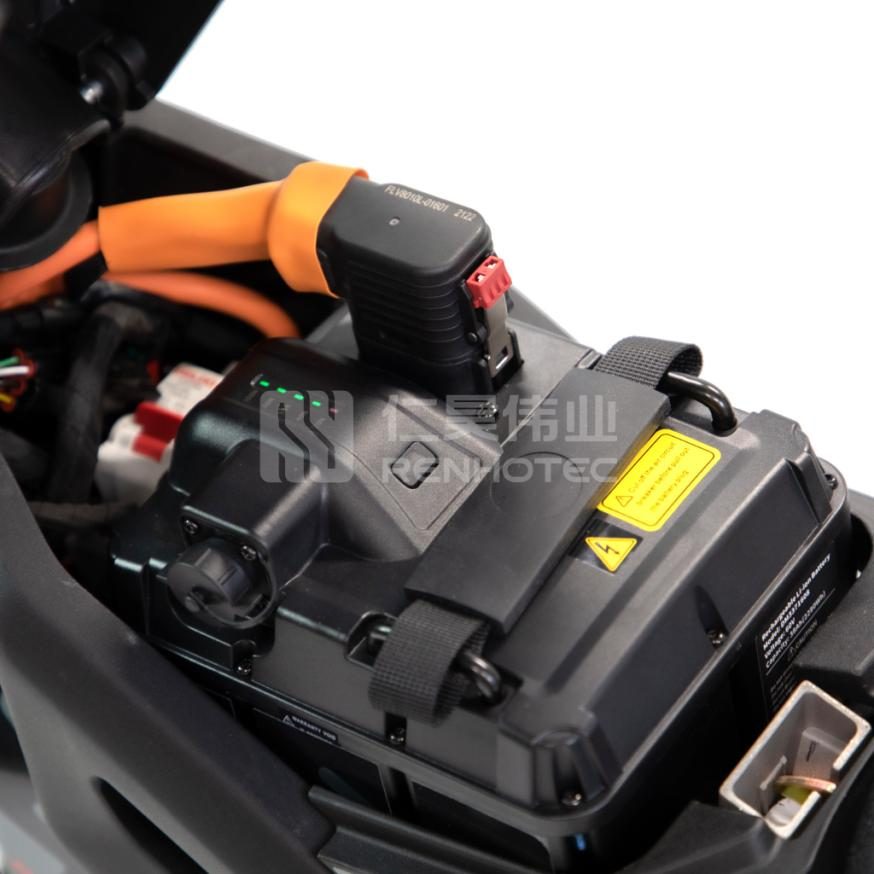
Battery-swapping applications add another requirement: the connector must support frequent mating and unmating while maintaining reliable electrical performance. Connector designs for an electric motorcycle connector that continuously endures vibration and must be mated and unmated repeatedly throughout the vehicle’s service life therefore integrate high-current power contacts with monitoring and communication contacts in a single housing. These designs are usually engineered as a whole around rated current, IP protection level, and mating-cycle durability so that the same interface carries battery output, signal acquisition, and low-voltage control—exactly why hybrid electric vehicle connectors are often specified in battery-swap and light-EV systems.
Rail and Heavy-Duty Transportation
Transportation systems such as rail equipment, commercial vehicles, and heavy-duty machinery often operate in demanding environments involving vibration, temperature changes, dust, and moisture.
At the same time, equipment may require several electrical functions to be connected through limited installation points. Hybrid connectors can combine power, control, and communication functions.
The connector design must also consider environmental protection and long-term mechanical reliability, which can be as important as the electrical configuration itself.
Aerospace
Aerospace equipment often requires a high level of functional integration within limited space and weight constraints.
A single connector may need to accommodate different electrical functions, including power, signals, data, or RF transmission. These applications may also require specialized contact arrangements and compact mechanical designs.
Environmental and reliability requirements are typically much more demanding, which makes the connector configuration highly application-specific.
Hybrid Connector vs. Using Multiple Separate Connectors
Integrating multiple functions into one connector is not always the best solution. Whether to use a hybrid connector or several separate connectors depends on the requirements of the equipment.
A hybrid connector can offer a number of benefits, however, integration also creates trade-offs. If one function or contact section fails, maintenance may be more complicated than replacing a separate connector. A highly integrated design can also make future system modifications more difficult, especially when different functions need to be upgraded independently.
Consideration
Hybrid Connector
Multiple Separate Connectors
Installation space
More compact
Requires more space
Cable routing
Usually simpler
Can be more complex
Number of interfaces
Reduced
Increased
System integration
Higher
More modular
Maintenance
May require replacing the complete interface
Individual functions can be serviced separately
Future modification
Less flexible in some designs
Easier to upgrade individual connections
In general, a hybrid connector is most useful when multiple functions regularly need to pass through the same physical interface and system integration is a priority.
Separate connectors may be a better choice when different functions need to be maintained, replaced, or upgraded independently. They can also be more suitable when the electrical or mechanical requirements of each connection are too different to integrate efficiently into one design.
The goal should not be to combine as many functions as possible. The better solution is the one that provides the right balance between integration, reliability, maintenance, and long-term system flexibility.
How to Select the Right Hybrid Connector Configuration
Selecting a hybrid connector should start with the application rather than the connector itself. The right configuration depends on what the system needs to transmit, how the equipment will operate, and whether integrating multiple functions into one interface provides a real advantage.
The following steps provide a practical framework for defining those requirements.
Step 1: Define the Functions That Need to Pass Through the Interface
Schematic of a hybrid connector distributing power and data to internal components.
Start by listing every function that needs to pass through the connection point.
This may include:
Power
Control signals
Sensor or feedback signals
Data
Communication
RF transmission
Safety or interlock circuits
It is also important to identify which functions need to share the same physical interface. Not every connection in a system needs to be combined. In industrial equipment and light electric vehicles, the hybrid form that places power and control signals in one housing is among the most common an engineer encounters; this first step helps establish the basic hybrid configuration before specific electrical or mechanical requirements are considered.
Step 2: Decide Whether a Hybrid Design Is Actually Necessary
Once the required functions are identified, the next question is whether they should be integrated into one connector.
A hybrid design may be justified when installation space is limited, cable routing needs to be simplified, or several functions always connect and disconnect together.
However, separate connectors may be more practical when different functions require independent maintenance, replacement, or upgrades. In some cases, combining unrelated functions into one interface can increase complexity without providing enough system-level benefit.
The goal is to determine whether integration solves a real problem rather than treating a hybrid design as the default choice.
Step 3: Define Electrical and Transmission Requirements
Hybrid Connector with Bus Module
Each function within the connector should have clearly defined performance requirements.
For power circuits, this may include rated current, voltage, temperature rise, and the number of power contacts required.
For signal, data, or communication circuits, the relevant requirements may include transmission type, data rate, impedance, shielding, or other application-specific parameters.
These requirements are particularly important when different circuits have significantly different electrical characteristics. They provide the basis for determining suitable contact types and overall connector architecture.
Step 4: Evaluate Signal Integrity and EMC Requirements
When power circuits are integrated with sensitive signal or high-speed data circuits, electrical interference can become an important consideration.
The application should therefore define whether shielding, grounding, contact separation, or other EMC measures are required.
For high-speed data transmission, signal integrity requirements may also affect the connector configuration and cable design. These issues do not apply equally to every hybrid connector, but they should be considered whenever sensitive or high-frequency signals share an interface with power circuits.
Step 5: Consider Mechanical and Environmental Conditions
The operating environment can significantly affect connector selection.
Key factors may include:
Available installation space
Vibration and shock
Temperature range
Dust and moisture
Chemical exposure
Required protection level
In practice this step also leads to the choice of physical form—for example, with hybrid power & signal connectors, vibration tolerance and locking mechanism often carry the same weight as the power rating.
The application may also place limits on connector size, orientation, locking mechanisms, or cable exit direction. These requirements should be considered early, especially when several functions need to be integrated into a compact interface.
Step 6: Define the Interface and Operating Requirements
The physical use of the connector is another important part of the selection process.
Consider how often the connector will be mated and unmated, whether the connection is made manually or automatically, and whether keying or other measures are needed to prevent incorrect mating.
Requirements for contact arrangement, mating force, locking, and service life should also be defined at this stage.
For applications such as battery swapping or modular equipment, frequent connection cycles may have a direct impact on the connector design.
Step 7: Confirm Customization and Long-Term Requirements
Finally, determine whether a standard hybrid connector can meet the application requirements or whether a customized configuration is needed.
Customization may involve changes to the contact arrangement, power rating, signal layout, keying, cable assembly, or housing design.
Long-term requirements should also be considered. For example, will the system remain unchanged throughout its expected service life, or is there a realistic need to add or modify functions in future versions?
This does not mean every project should be designed for maximum flexibility. It simply helps avoid selecting a connector configuration that becomes unsuitable as the product develops.
A well-defined requirement set makes it easier for both the equipment manufacturer and connector supplier to evaluate whether a standard product is suitable or a custom hybrid solution is required.
Common Hybrid Connector Design Challenges
Combining different connection functions into one interface can simplify a system, but it also creates additional engineering challenges. The more functions that are integrated, the more important it becomes to balance electrical, mechanical, and manufacturing requirements.
Electrical Isolation Between Different Circuits
Power, signal, and data circuits may operate at very different voltage and current levels. The connector design must provide appropriate isolation between them to prevent unwanted electrical interaction.
This can affect contact spacing, insulation design, and the overall arrangement of contacts within the connector.
Signal Interference and Shielding
Circular hybrid connectors featuring robust metal shells for 360-degree EMI shielding and physically isolated signal (green) and power (black) inserts to minimize internal crosstalk.
Sensitive signals or high-speed data circuits can be affected by nearby power circuits. Depending on the application, shielding, grounding, contact separation, or cable design may be required to maintain reliable transmission performance.
This becomes particularly important when high-current power and sensitive communication functions are integrated into the same interface.
Thermal Management
High-current contacts generate heat during operation. When they are placed close to lower-power signal or data contacts, the overall connector design must account for temperature rise and heat dissipation.
Contact size, material selection, current rating, and contact arrangement can all influence thermal performance.
Mechanical Layout and Assembly
Integrating multiple contact types into one connector can make the internal structure more complex. Different contacts may have different sizes, termination methods, or assembly requirements.
The challenge is to achieve the required functional integration without making the connector unnecessarily difficult to manufacture, assemble, or maintain.
A successful hybrid connector design therefore requires more than combining different contacts in one housing. The different functions must work together as part of a balanced connection system.
Frequently Asked Questions About Hybrid Connectors
▼ What is the difference between a hybrid connector and a mixed-contact connector?
The two terms can overlap, but they are not always used in exactly the same way. A hybrid connector generally refers to a connector that combines different functions, such as power and signal or power and data. A mixed-contact connector may place more emphasis on combining different contact types or sizes within the same connector.
In practice, terminology can vary between manufacturers.
▼ Can a hybrid connector carry high current?
Yes. Many hybrid connectors include high-current power contacts together with lower-current signal or communication contacts. The actual current capability depends on the connector design, contact size, materials, and thermal requirements.
▼ Can power and data be transmitted through the same connector?
Yes. Some hybrid connector designs integrate power contacts with dedicated data contacts. However, the design must consider transmission performance and possible interference between the power and data circuits.
▼ Are hybrid connectors standardized?
There is no single universal standard that defines all hybrid connectors as one product category. Some hybrid connectors are based on existing connector standards, while others are developed for specific applications or customized system requirements.
▼ Are hybrid connectors always better than separate connectors?
No. Hybrid connectors are useful when integration provides clear benefits, such as saving space or simplifying installation. Separate connectors may be a better option when different functions need independent maintenance, replacement, or future upgrades.
Choosing the Right Hybrid Connector for Your Application
For the right application, a hybrid power connector suits scenarios where high-current power and control signals must share the same interface—such as a battery connector that continuously endures vibration and is mated and unmated many times. What really drives the selection is the system’s electrical, mechanical, and long-term operating requirements can be matched by the interface.
In some applications, a hybrid design can simplify equipment and improve integration. In others, separate connectors may remain the more practical solution. The best choice is therefore the configuration that best matches the electrical, mechanical, and operational requirements of the system.

 Deutsch
 Русский