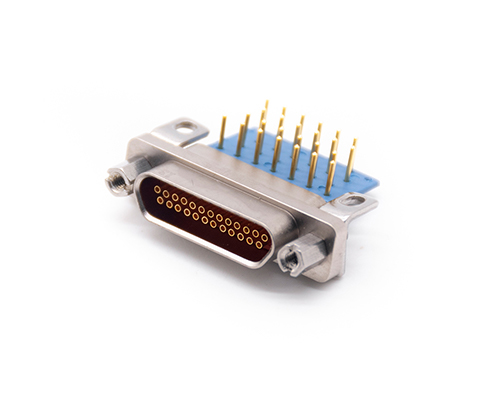
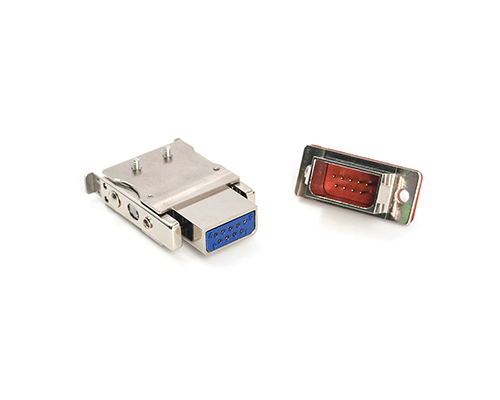
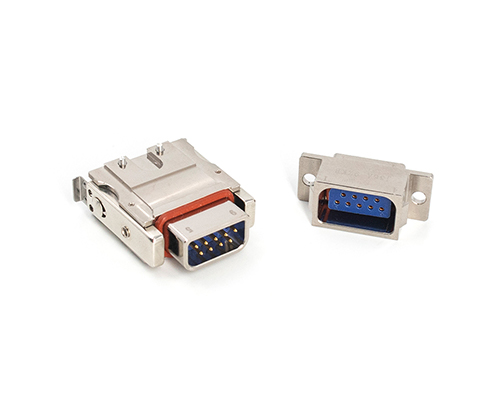
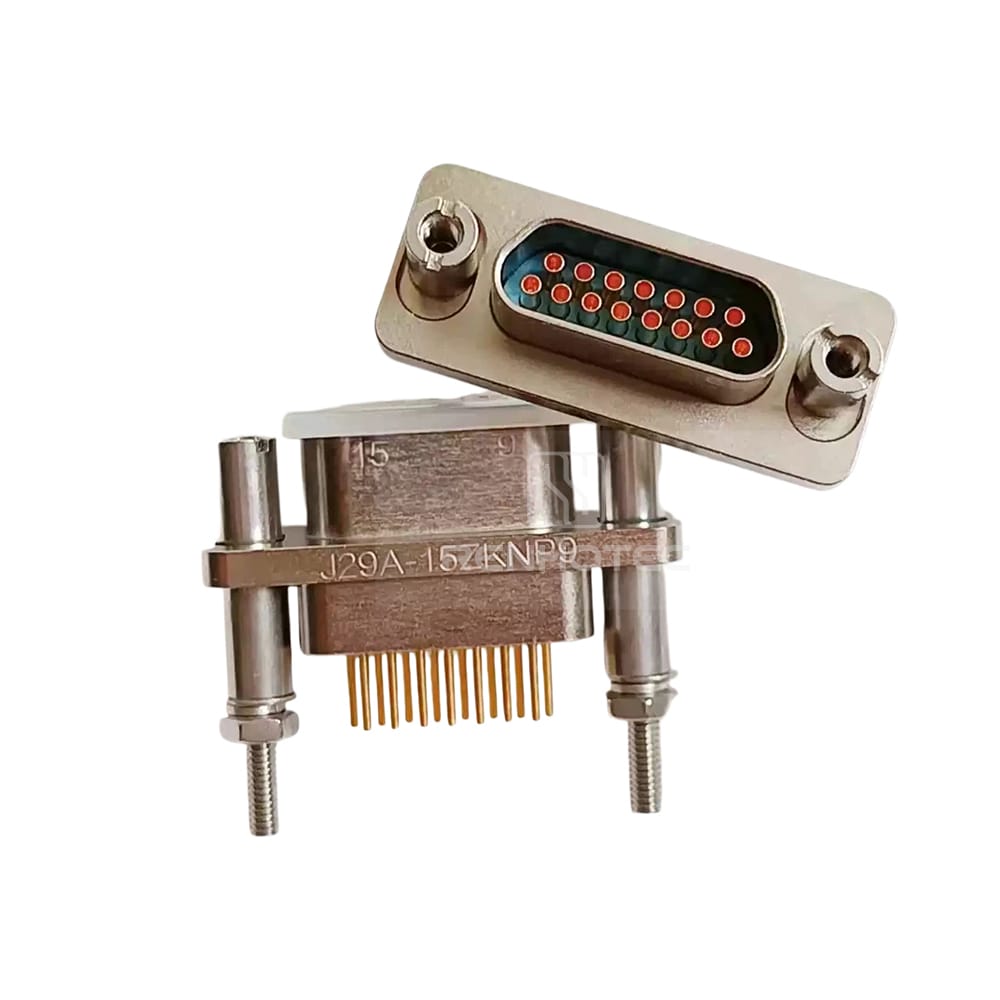
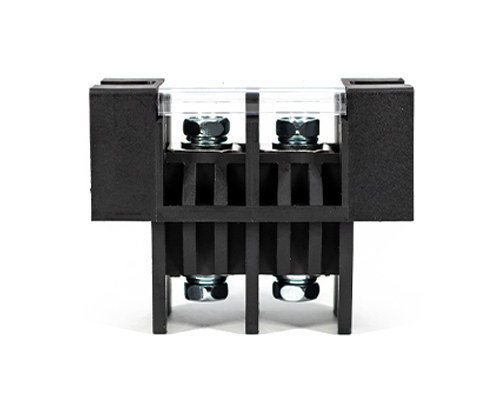
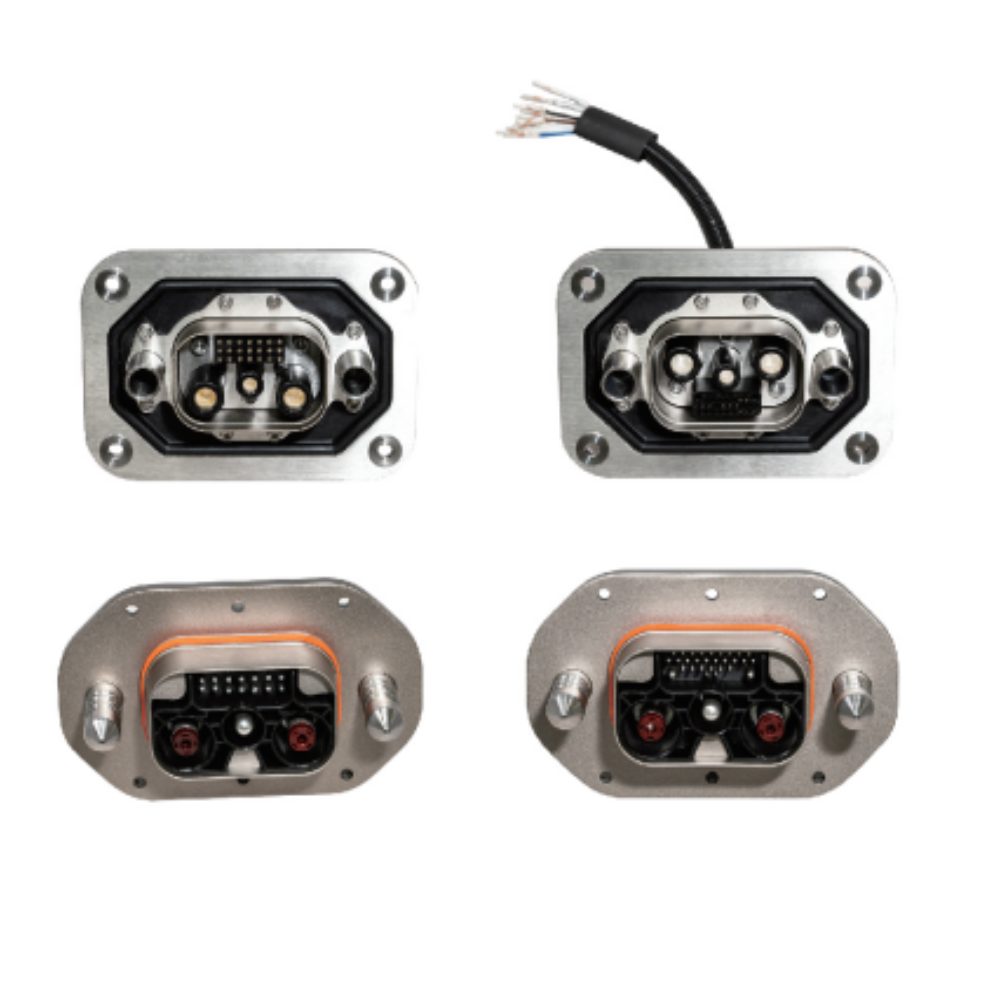
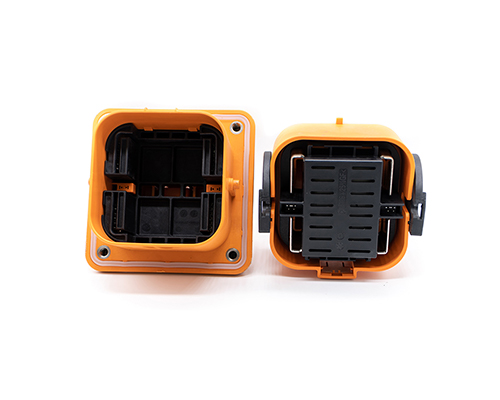
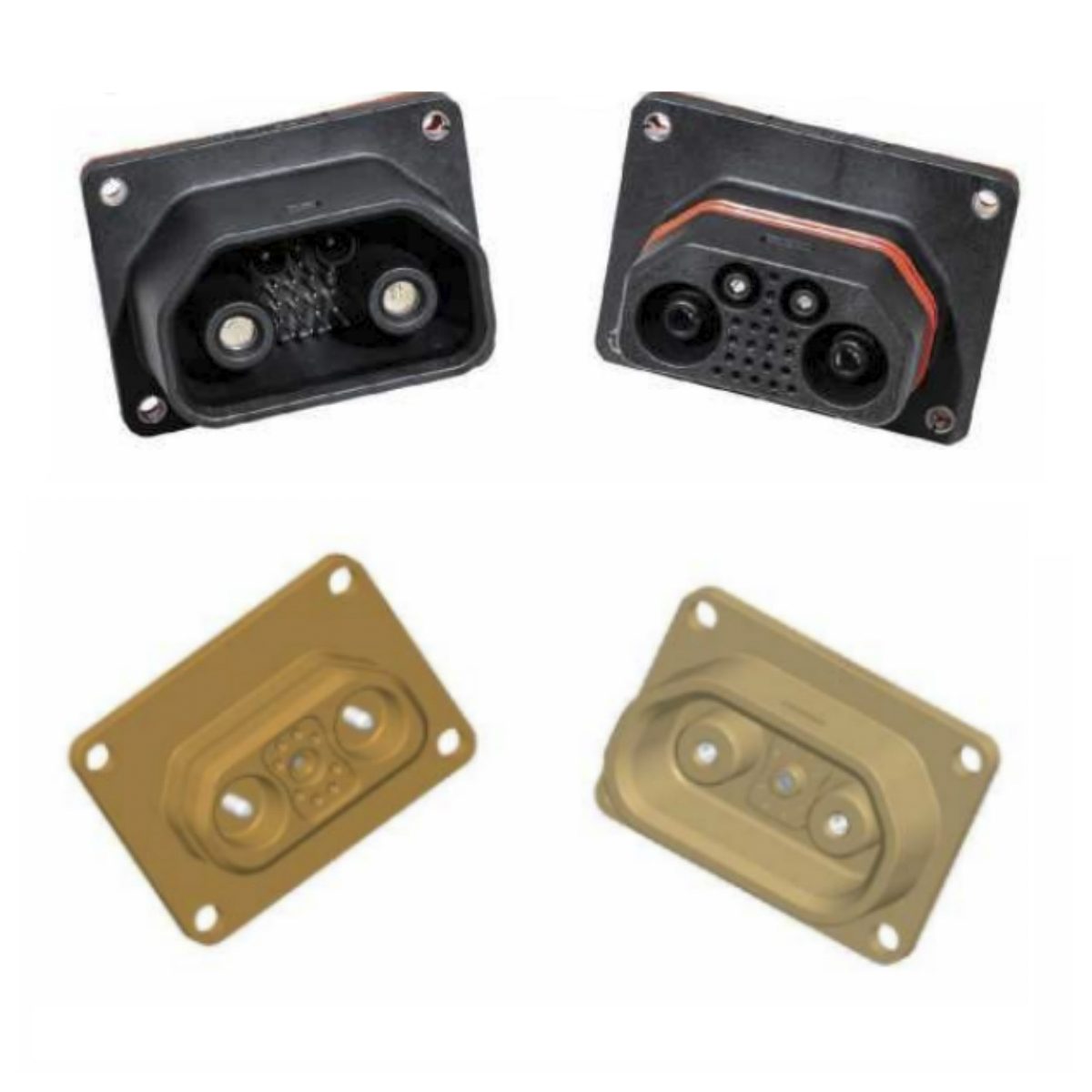
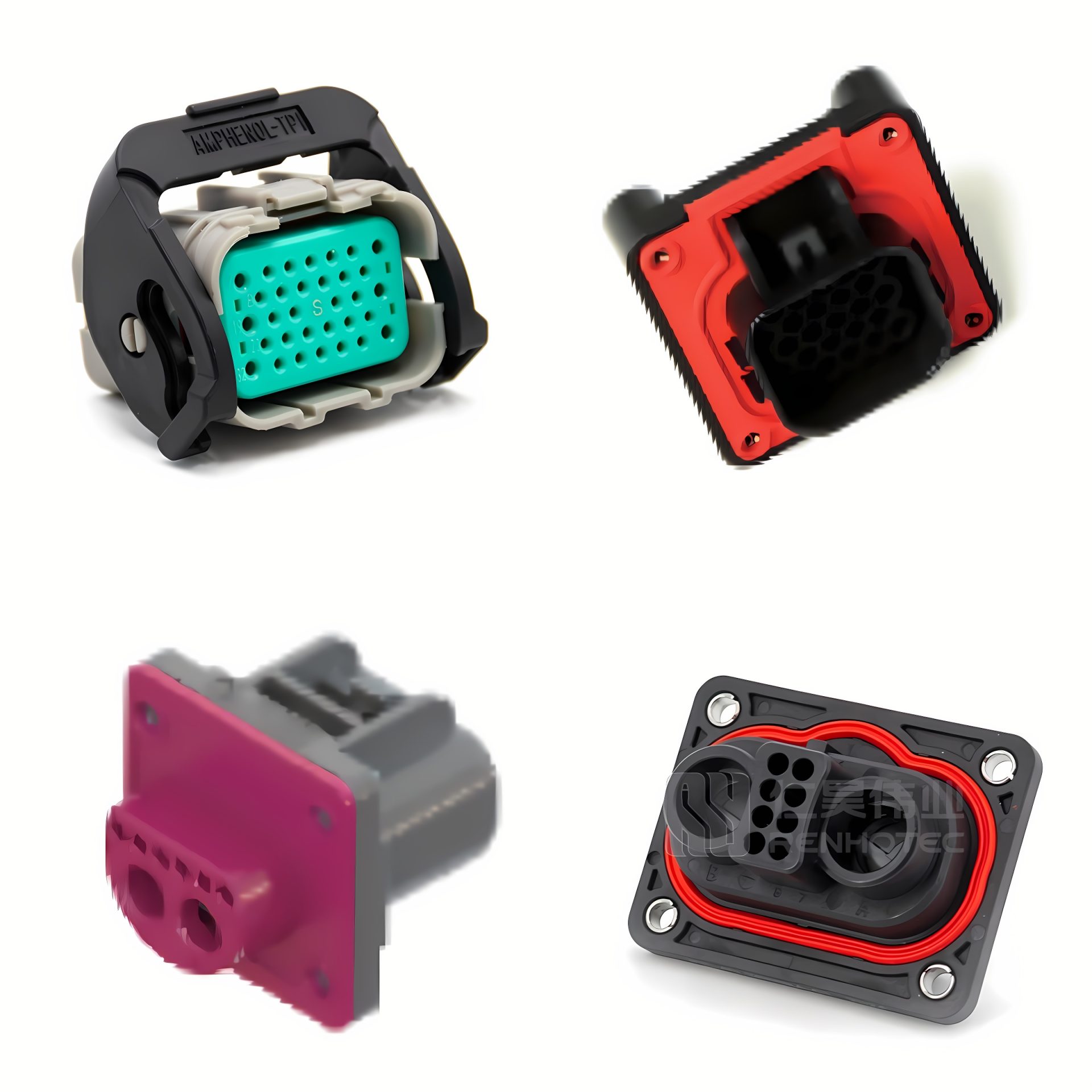
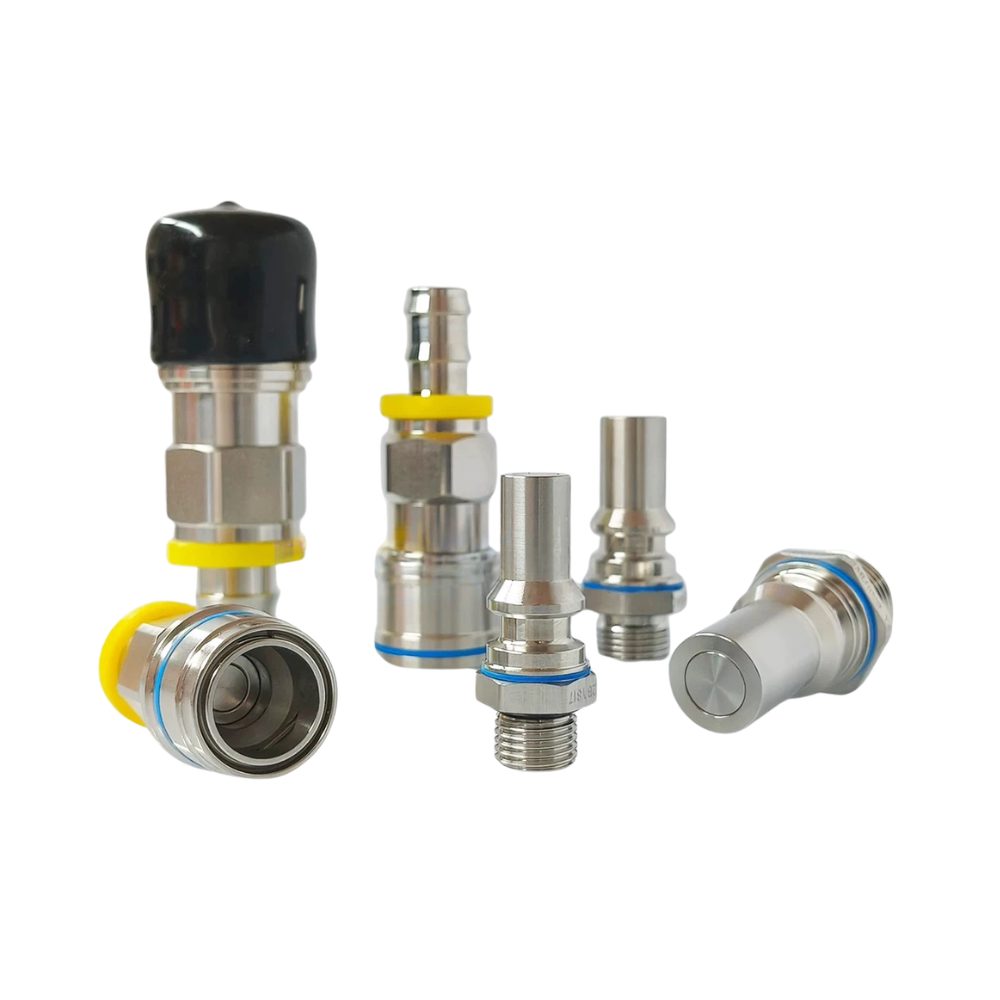
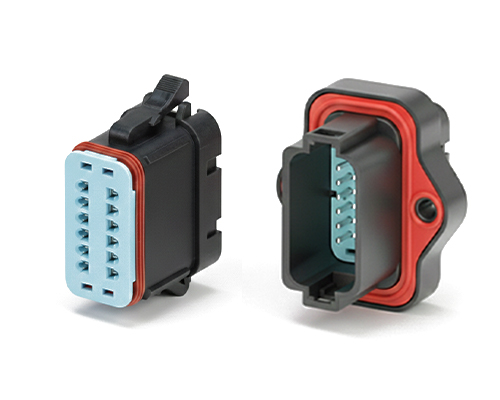
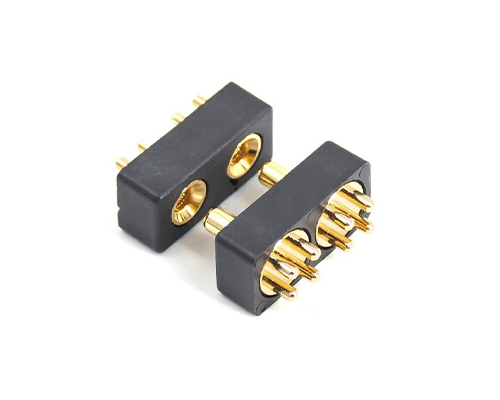
The Rectangular Connector is widely used in aerospace, medical instruments, consumer electronics (such as computers, TVs, game consoles, etc.), industrial control equipment, communication equipment, and automotive electronics. With its reliable connection performance, diverse specifications, and relatively convenient plug-in and unplug operations, it has become an indispensable component in various electronic and electrical applications.
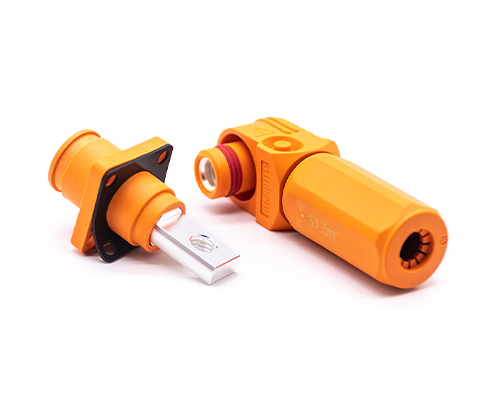
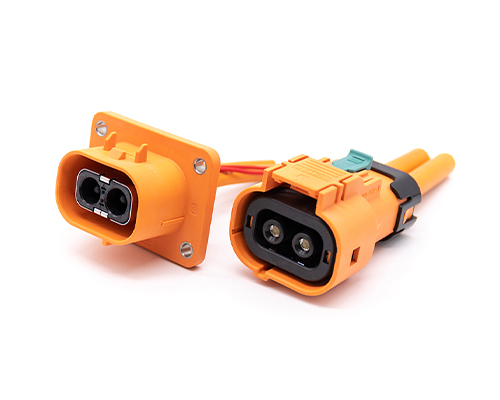
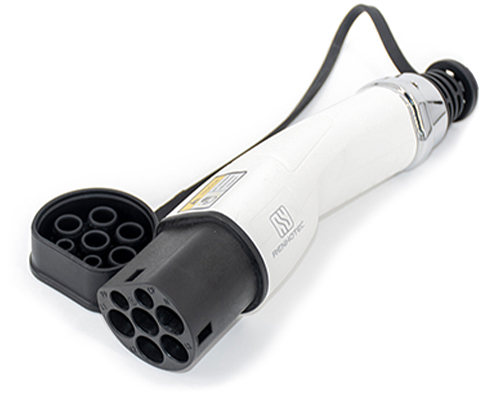
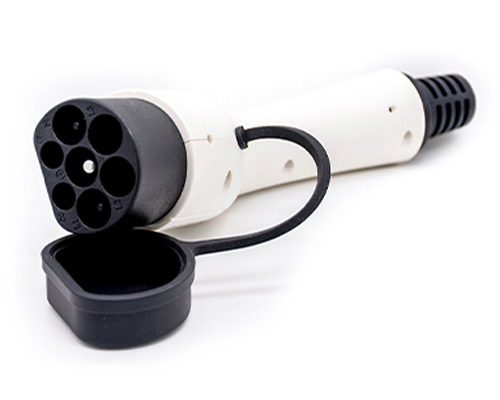
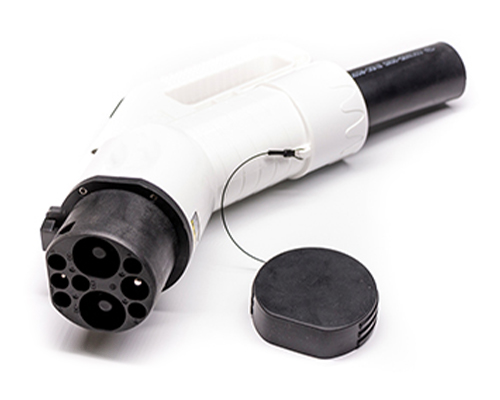
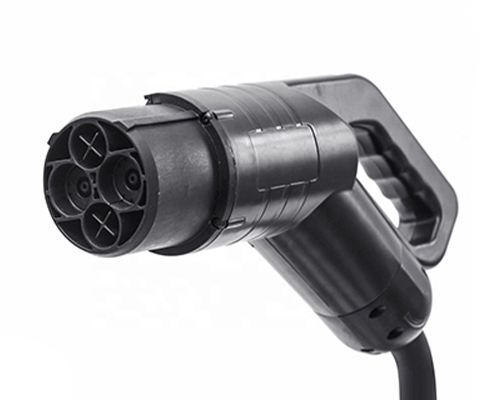
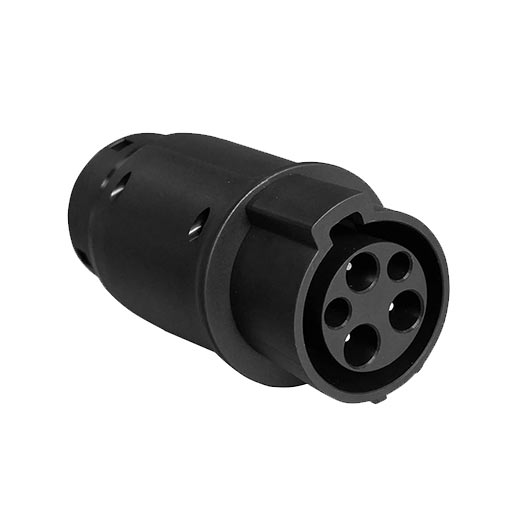
High Voltage Connectors are widely used in EV power systems, renewable energy installations, and industrial high-voltage circuits. Renhotec’s series drives the building of efficient, safe, and sustainable electrical ecosystems, meeting current technological demands.
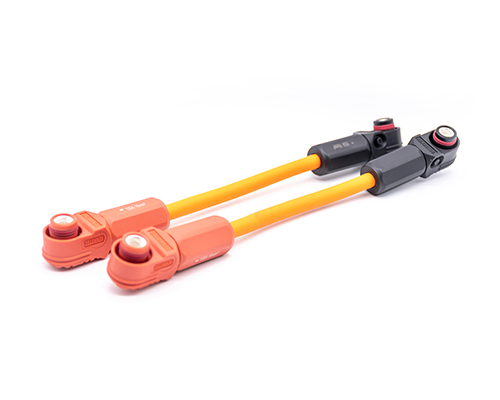
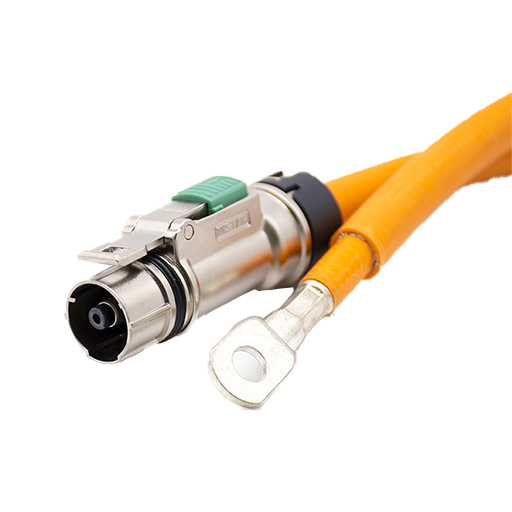
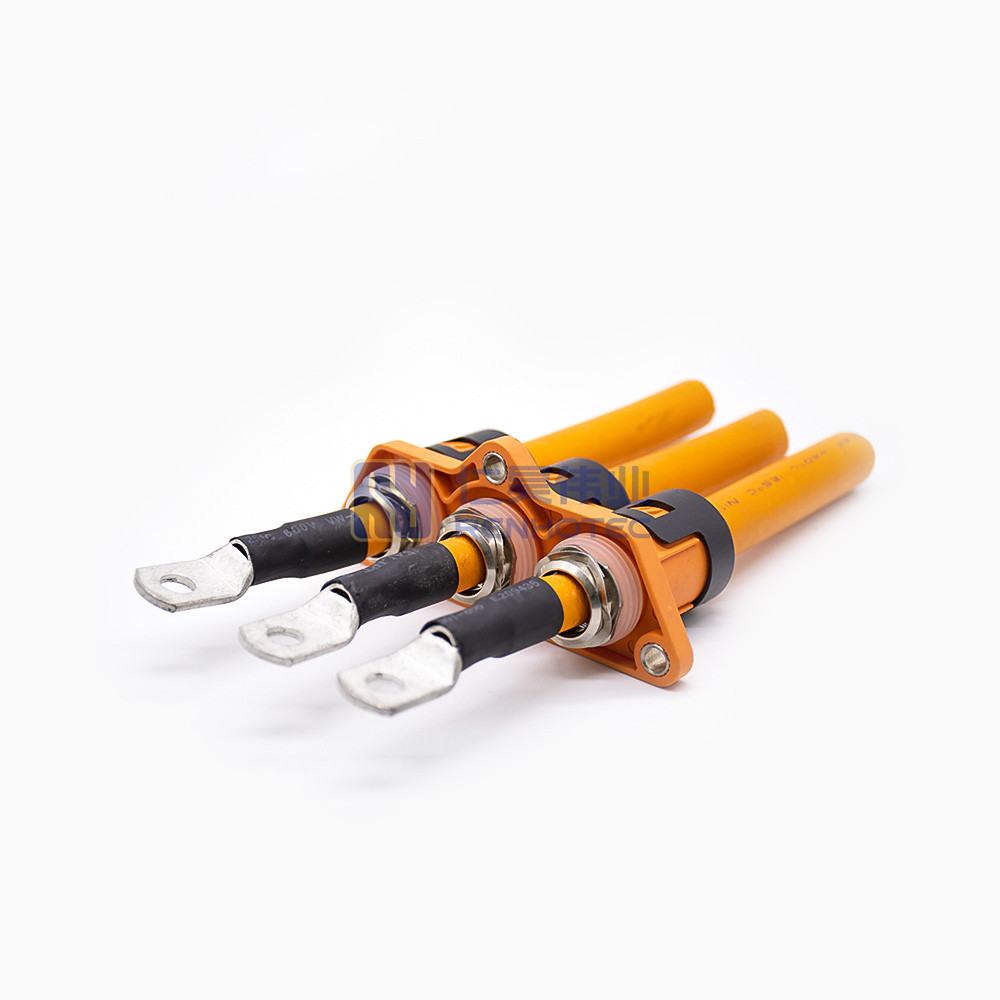
Renhotec EV Cable, crafted with top-notch conductive materials and meticulously engineered insulation, showcases outstanding impedance control and voltage-withstanding properties. Its design combines flexibility and durability to meet a wide array of installation needs. This cable is widely utilized in grid interconnections, large-scale industrial power supply systems, and high-voltage renewable energy projects, enabling smooth and efficient power transmission.
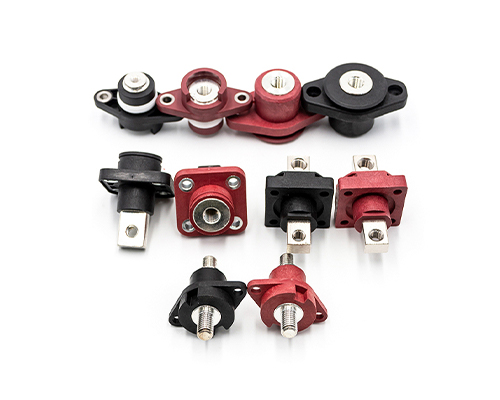
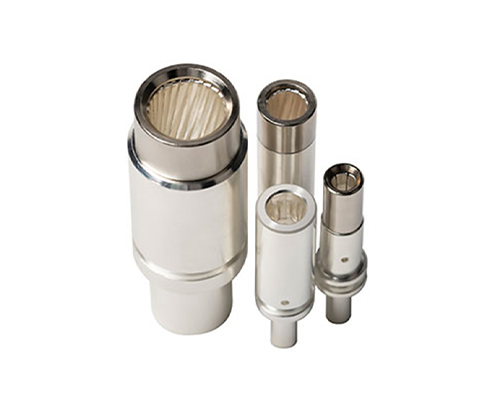
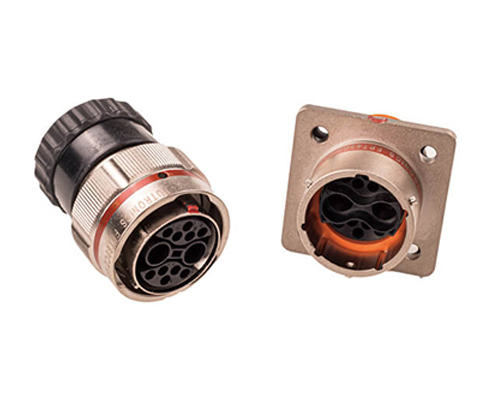
Renhotec, as a professional supplier, offers a comprehensive range of these Signal Transmission Connector products. Whether it is the high-reliability applications of the metal series or the wide adaptability of the plastic series in consumer electronic products, Renhotec can provide customers with high-quality options to meet the diverse requirements of signal transmission connections in different industries and scenarios.
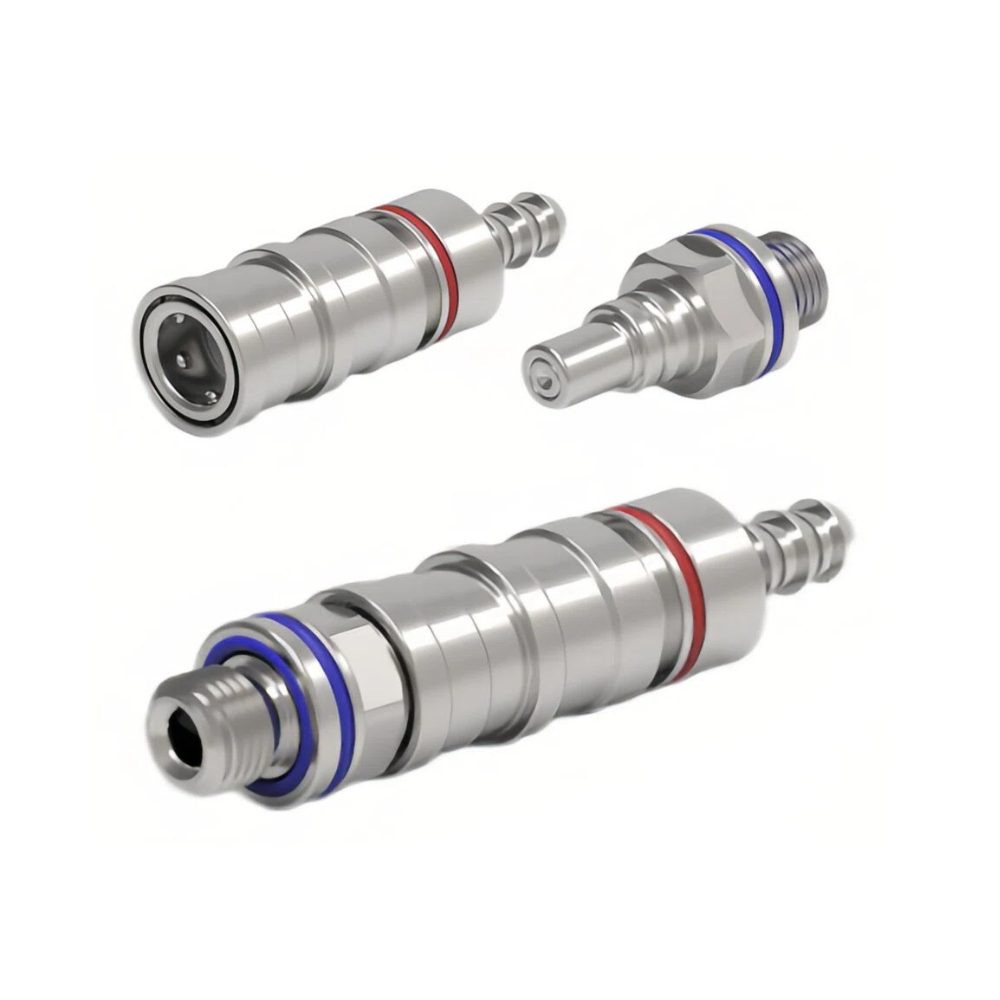
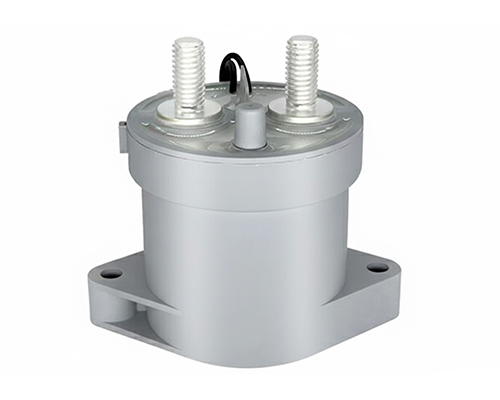
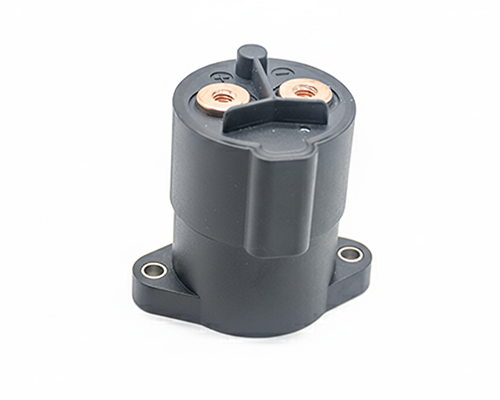
Renhotec, active in electrical components, offers High Voltage DC Contactors in Epoxy Resin Sealing and Ceramic Sealing variants, with a 20A – 1000A current range. The Epoxy Resin Sealing one is cost-effective and protective. The Ceramic Sealing variant excels in thermal stability and insulation. They’re widely used in EV charging, renewable energy grid, and industrial high-voltage DC power distribution for reliable circuit control and current interruption, providing comprehensive solutions for multiple sectors.
A Comprehensive Guide to Six Common Wire Connections
Wire, in the automation industry and even the electrician industry are very important materials, generally made of copper or aluminum. Wire connection is the basic skills that electricians need to master, but also a very important work. At the same time, we also need to consider the safety aspects of electricians, then the quality of the wire connection is directly related to the entire line can be safe and reliable long-term operation.
The common wire connection
In the electrician’s work in accordance with the structure of the commonly used wire single-stranded wire and multi-stranded wire, this article will start from the two commonly used wire to introduce in detail.
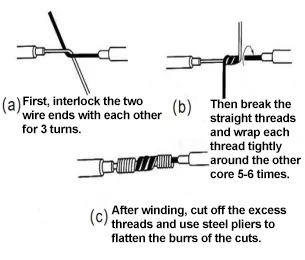
(1) Small cross-section single-stranded copper wire connection method
Specific steps as shown in the figure, the first two wires of the core wire head for the “X” shape cross, and then wrap them around each other 2 to 3 laps after wrenching the two threads straight, and then each thread in the other core wire tightly close to the dense winding of 5 to 6 laps after cutting off the excess threads can be.
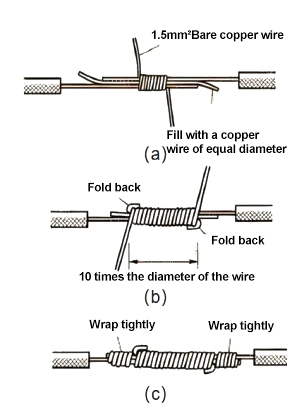
(2) Large cross-section single-stranded copper conductor connection method
The specific steps are shown in the figure.
(a) First in the overlap of the core wire of the two wires into a core wire of the same diameter, and then use a cross-section of about 1.5mm ² of bare copper wire in its tight winding.
(b) Then fold back each of the core wire ends of the connected wires.
(c) And then both ends of the winding bare copper wire continue to wind 5 to 6 turns after cutting off the excess wire.
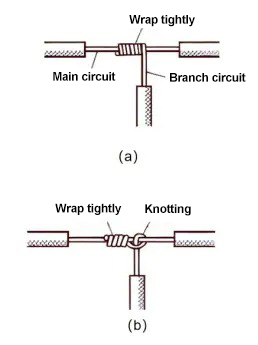
(3) Branch connection of single stranded copper wire
The operation steps are shown in the figure.
(a) The tip of the branch core wire is tightly wrapped around the trunk core wire for 5 to 8 turns and then the excess tip is cut off.
(b) For smaller cross-section of the core wire, the branch core wire can first be tied in the trunk core wire of the thread a wrap-around knot, and then tightly wound 5 to 8 turns after cutting off the excess thread can be.
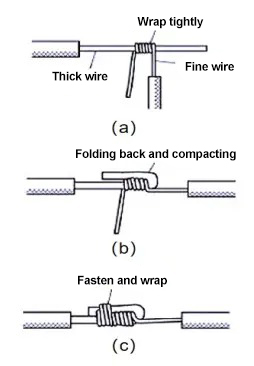
(a) First, tightly wind the core wire of the thin conductor on the core wire of the thick conductor for 5 to 6 turns.
(b) The thick wire core wire of the wire folded back tightly pressed in the winding layer.
(c) And then use the fine wire core wire in its continued winding 3 to 4 turns after cutting off the excess wire can be.
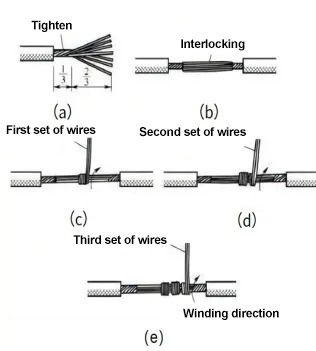
(5) Direct connection of multi-stranded copper wires
The operation steps are shown in the figure.
(a) First of all, strip the insulation layer of the multi-stranded core wire straight, will be close to the insulation layer of about 1 / 3 core wire stranded tight, and then the remaining 2 / 3 core wire into an umbrella-like spread, another need to be connected to the conductor core wire is also so dealt with.
(b) Pinch the core wires flat after inserting the two umbrella-shaped core wires into each other opposite to each other
(c) Then each side of the core wire thread into 3 groups, first of all, a side of the first group of thread warped and tightly wound on the core wire
(d) Then the second group of threads is cocked and tightly wound on the core threads.
(e) Finally, warp and tightly wind the 3rd set of wires around the core wire. Wrap the other side of the wire in the same way.
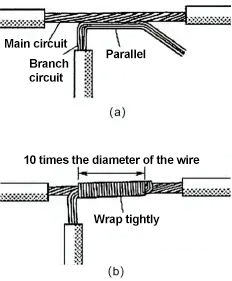
(6) Branch connection of multi-stranded copper wires
The specific operation steps are shown in the figure.
(a) Bend the branch core wire at 90 degrees and then parallel it with the trunk core wire.
(b) will be folded back and tightly wound on the core wire can be.
1. Planing and cutting wire insulation, should not damage the core.
2. The wire intermediate connection and branch connection should be used welding, wire clips, porcelain joints or crimping method of connection
3. Branch line connection, the trunk line should not be from the branch line of the lateral tension.
4. Cross-section of 10 square and below single-stranded copper wire, 2.5 square and below multi-stranded copper wire and single-stranded aluminum wire and electrical appliances can be directly connected to the terminals, but the multi-stranded copper wire should be tightened to hang the tin before connecting.
5. Multi-stranded aluminum core wire and cross-section of more than 2.5 square multi-stranded copper core wire terminals, should be welded or crimped terminals, and then connected to the terminals of the appliance.
6. Wire if welding, the residual flux and slag of the terminal should be removed. Solder should be filled to the brim and acidic flux should not be used.
7. The joints should be wrapped evenly and tightly with insulating tape, not less than the insulation strength of the original wire.
8. It is strictly prohibited to exploit or connect the wire with electricity.

 Deutsch
 Русский