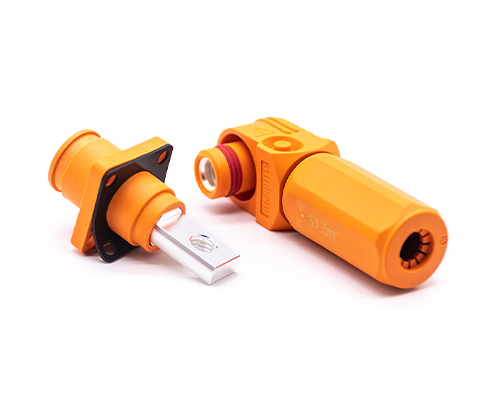
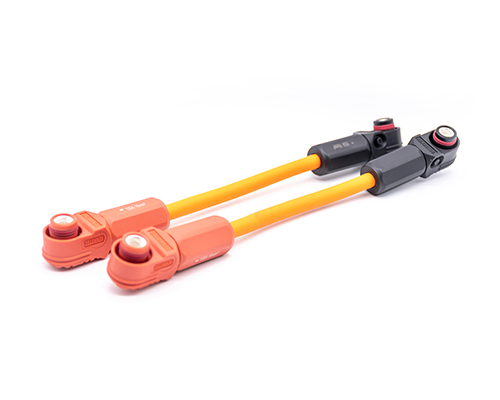
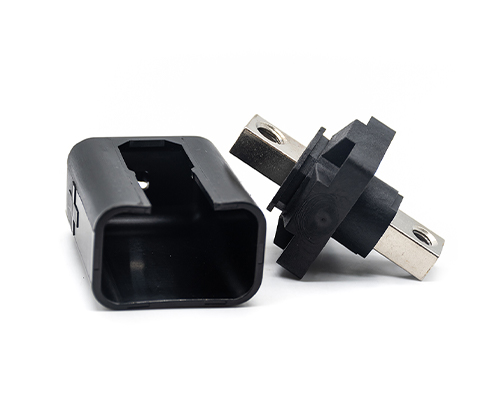
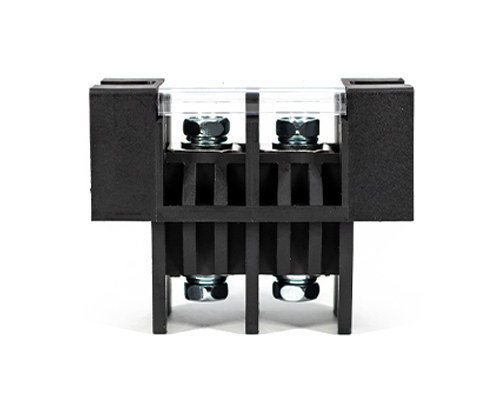
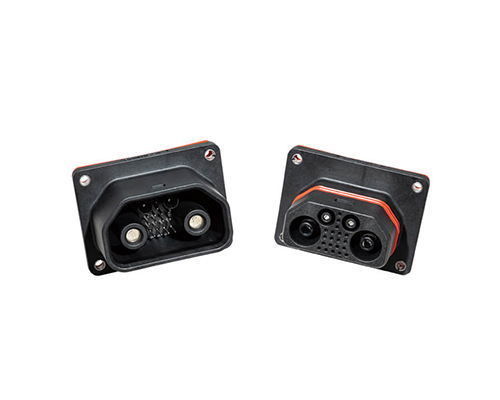
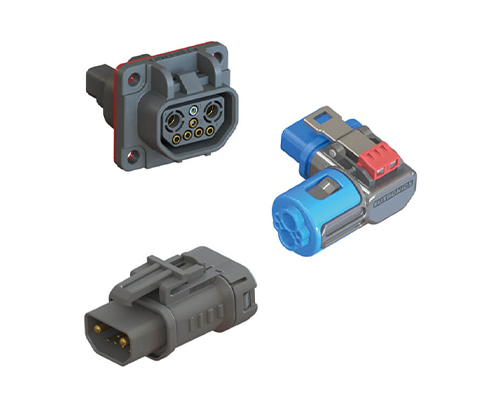
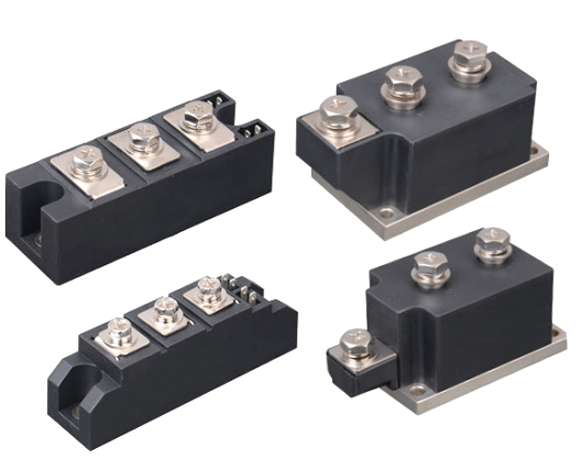
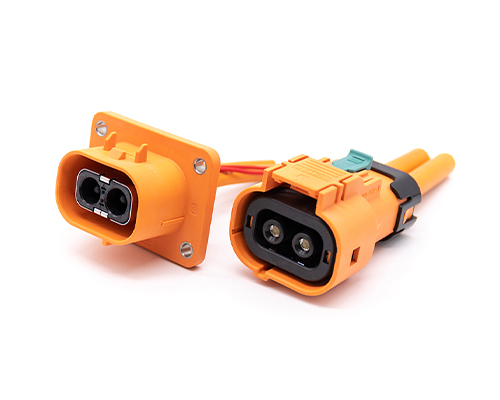
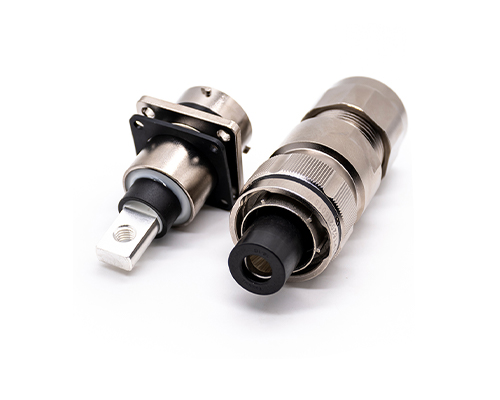
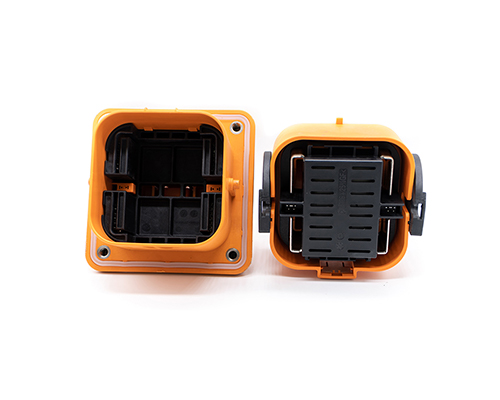
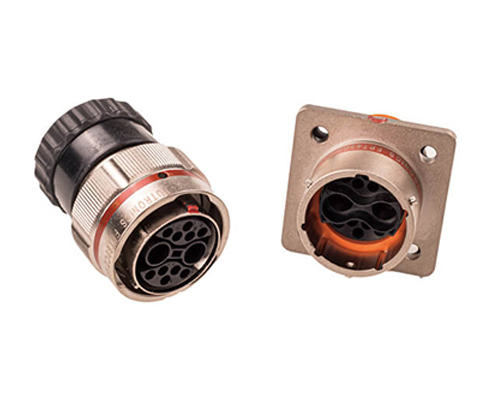
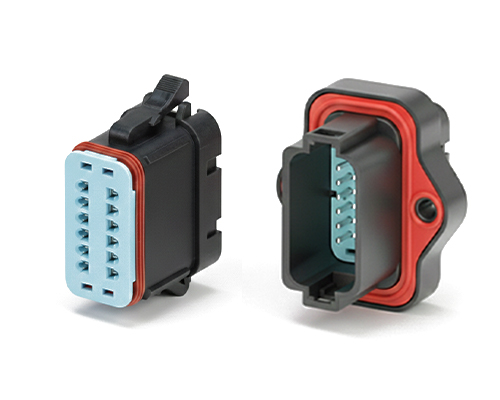
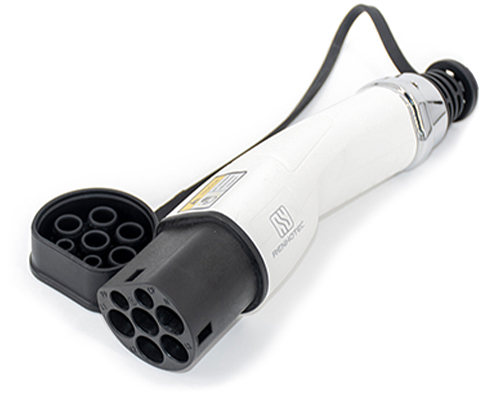
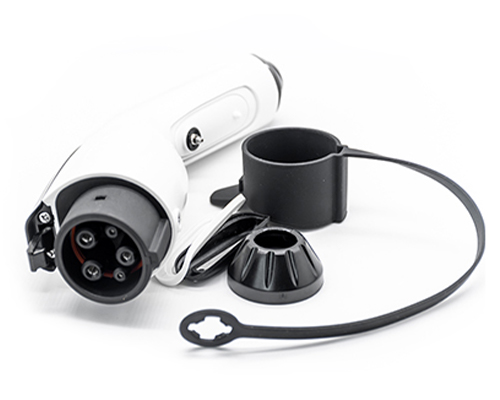
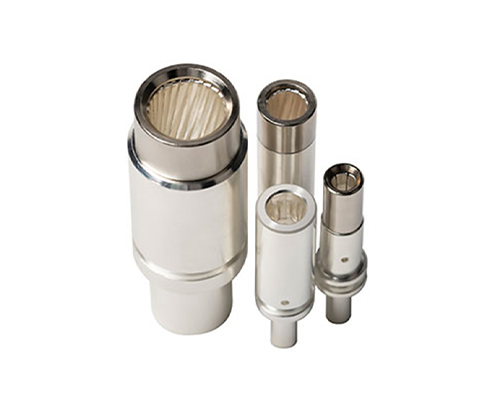
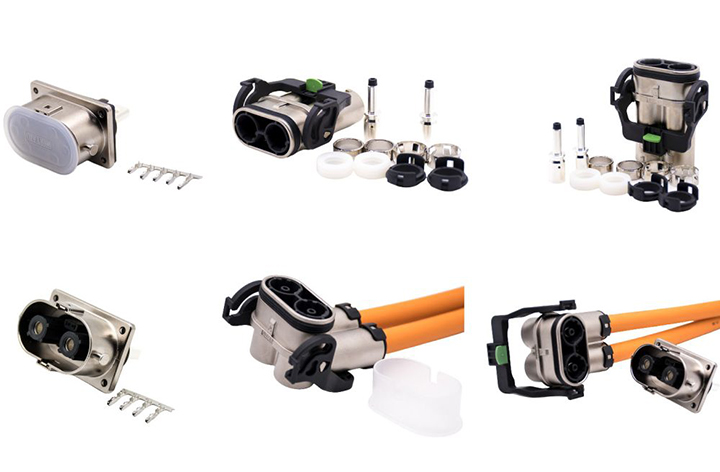
High Voltage Connectors are widely used in EV power systems, renewable energy installations, and industrial high-voltage circuits. Renhotec’s series drives the building of efficient, safe, and sustainable electrical ecosystems, meeting current technological demands.
Plastic Shell HVIL Connectors and Cable Assemblies
Renhotec, as a professional supplier, offers a comprehensive range of these Signal Transmission Connector products. Whether it is the high-reliability applications of the metal series or the wide adaptability of the plastic series in consumer electronic products, Renhotec can provide customers with high-quality options to meet the diverse requirements of signal transmission connections in different industries and scenarios.
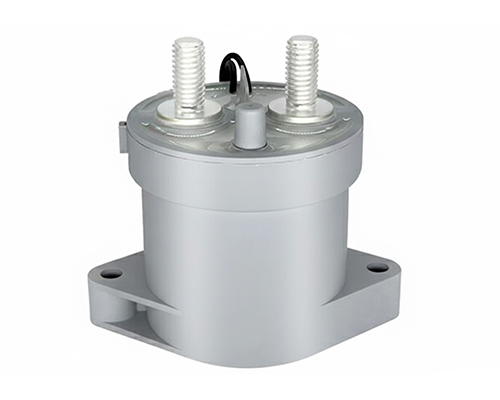
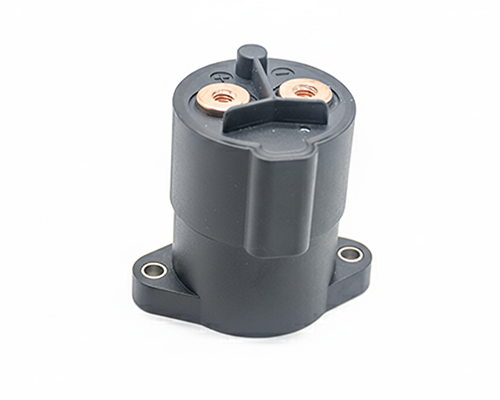
Renhotec, active in electrical components, offers High Voltage DC Contactors in Epoxy Resin Sealing and Ceramic Sealing variants, with a 20A – 1000A current range. The Epoxy Resin Sealing one is cost-effective and protective. The Ceramic Sealing variant excels in thermal stability and insulation. They’re widely used in EV charging, renewable energy grid, and industrial high-voltage DC power distribution for reliable circuit control and current interruption, providing comprehensive solutions for multiple sectors.
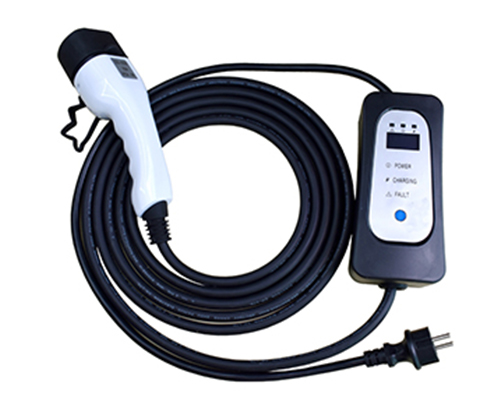
Renhotec EV Cable, crafted with top-notch conductive materials and meticulously engineered insulation, showcases outstanding impedance control and voltage-withstanding properties. Its design combines flexibility and durability to meet a wide array of installation needs. This cable is widely utilized in grid interconnections, large-scale industrial power supply systems, and high-voltage renewable energy projects, enabling smooth and efficient power transmission.
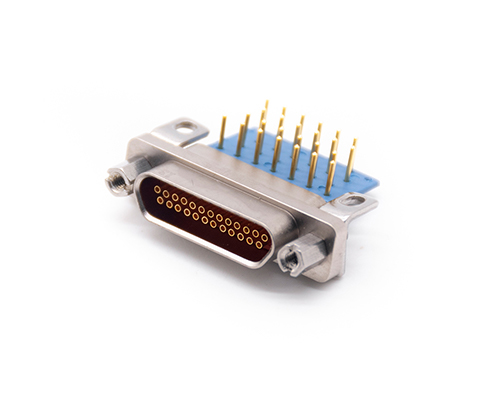
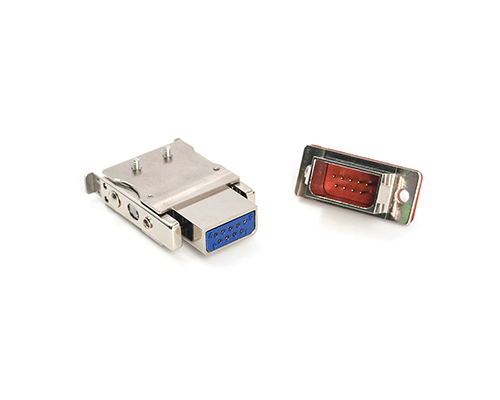
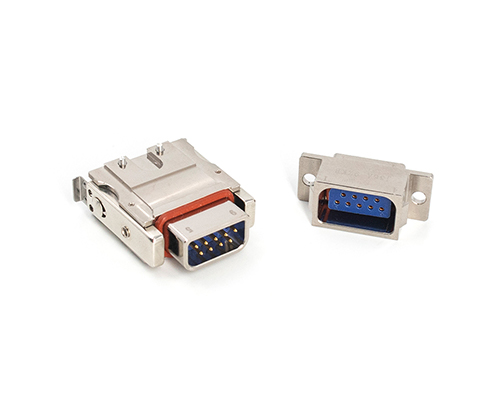
Renhotec’s Drawer Connector, available in 4 – 37 cores, features a compact and flexible design. It can provide reliable electrical connections varying in complexity. The various core options make it suitable for a wide variety of small electrical appliances and drawer-mounted devices. It enables efficient power and signal transfer, facilitating the operation and integration of internal components, and is a viable option in the connector market.
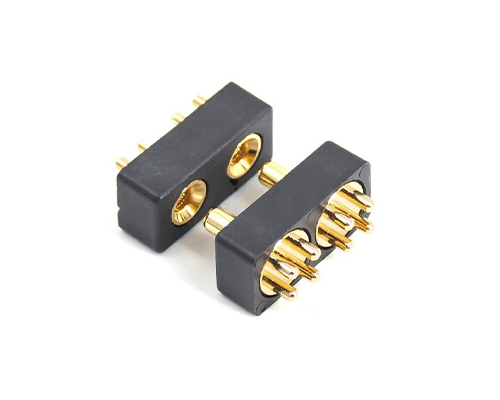
The Floating BTB Connector is a key component designed to achieve a reliable electrical connection between two circuit boards. It is widely used in various electronic devices that require high connection stability and signal integrity, such as smartphones, tablets, laptops, and industrial control equipment etc., to build a stable and efficient communication bridge between circuit boards in complex electronic systems.
The Rectangular Connector is widely used in consumer electronics (such as computers, TVs, game consoles, etc.), industrial control equipment, communication equipment, and automotive electronics. With its reliable connection performance, diverse specifications, and relatively convenient plug-in and unplug operations, it has become an indispensable component in various electronic and electrical applications.
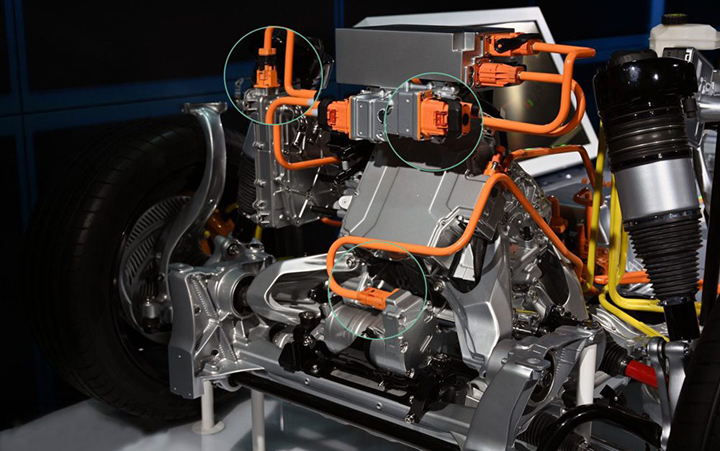
High voltage connector is widely used in electric vehicles. As the link of each functional module of electric vehicles and an essential part of high voltage circuits, it is crucial to analyze and select the types of high voltage connector.
Here is everything you need to know about the type of high voltage connector in Electric Vehicles.
High voltage connector is a functional component that connects the circuit by an electrical signal or mechanical force. It consists of a fixed-end electrical connector (socket) and a free-end electrical connector (plug).
Usually, we classify high-voltage connectors according to their structure, termination method, and installation method.
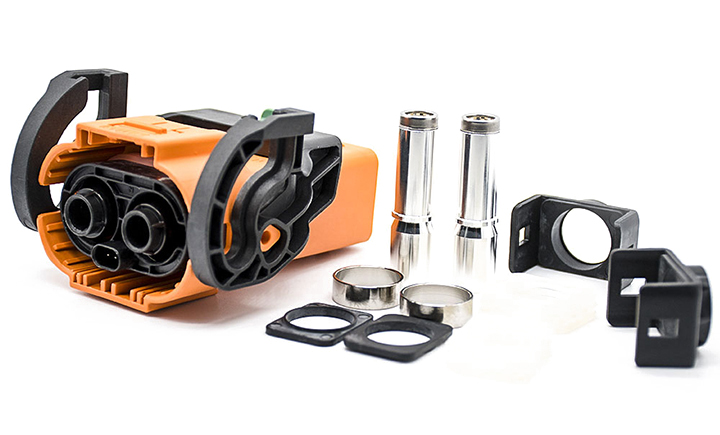
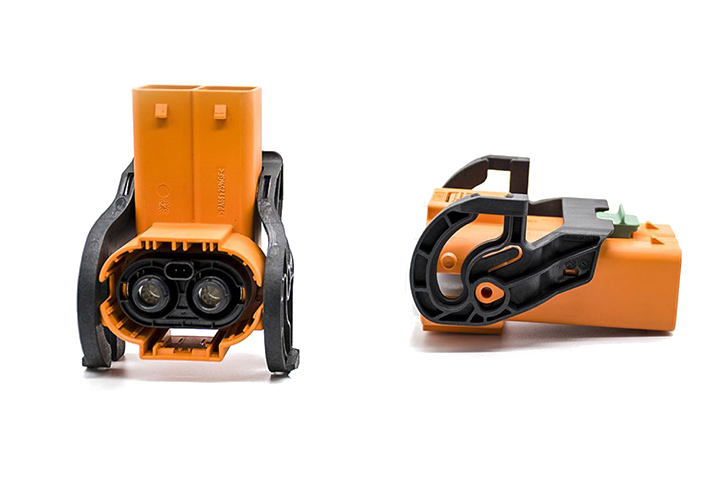
Structure: terminal, seal, bracket, shell, shielding structure, insulation structure, butt lock structure, positioning structure, high voltage interlock structure, etc.
We generally design the high voltage connectors from the overall and internal structures.
Overall Strctures: Operation space, anti-misoperation structure, connection in place indication, etc.
Internal Structures: Removability of terminals, type, and structure of terminals, etc.
Regarding product performance requirements, high voltage connectors are pretty different from low voltage connectors. Usually, we have higher requirements for electrical performance, mechanical performance, and environmental performance of high voltage connector.
Electrical performance
Electrical properties include operating voltage, rated current, contact resistance of inner and outer conductors, characteristic impedance, voltage standing wave ratio, shielding performance, anti-interference performance, etc.
The electrical performance of high voltage interlocks generally has the following requirements.
The rated voltage of the high-voltage connector must be greater than the peak voltage of the equipment. Generally need to test the connector’s withstand voltage, insulation resistance, creepage distance, etc..
The rated current of the high-voltage connector must be greater than the average operating current of the equipment. Generally need to test the connector’s terminal contact resistance, terminal temperature rise, terminal holding force, cable crimping force, connector locking device strength, etc.
To ensure the safety of the connection of high voltage circuit, we usually add high voltage interlock function to the connector to avoid the potential hidden trouble caused by the disconnection of high voltage circuit.
In addition, High voltage connectors can be designed with shielding parts to meet 360-degree shielding.
Mechanical performance
Mechanical performance includes vibration shock, mechanical life, single hole separation, total separation force, etc.
Generally, the high voltage connector plugging and unplugging times and connection locking method is reliable to determine whether its mechanical properties meet the requirements.
As an infrequently disassembled component in electric vehicles, the high voltage connector is generally required to be pluggable more than 50 times.
Environmental performance
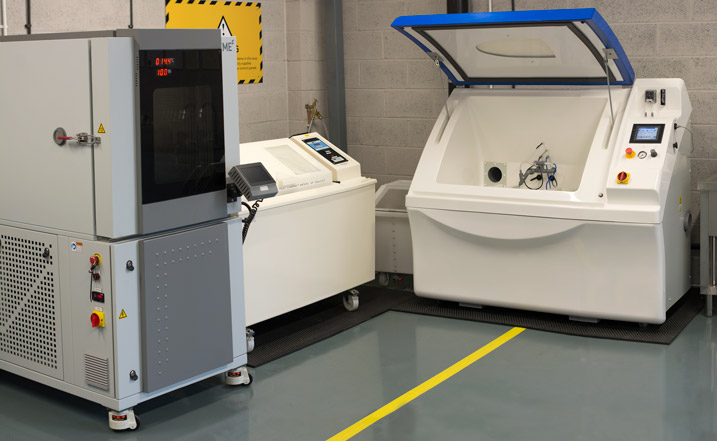
Environmental performance includes temperature, humidity, vibration, shock, salt spray, dust, and sealing (water pressure and rain).
The operating temperature of the high voltage connector must be greater than the sum of the ambient temperature of the equipment and the temperature rise of the terminals when the rated current is passed.
The most critical impact on the environmental performance of high voltage connector is the IP protection performance. Generally, we take the water tightness test or airtightness test on the connector to test.
In addition, flame retardant performance is also an important measure to meet the standard.
Types of high voltage connectors (how to choose them)
According to the actual needs of using the high-voltage connector selection, designers must consider a vital issue.
Here we explain the type selection of high voltage connector from three aspects.
Select high voltage connector according to the high voltage system of electric vehicles
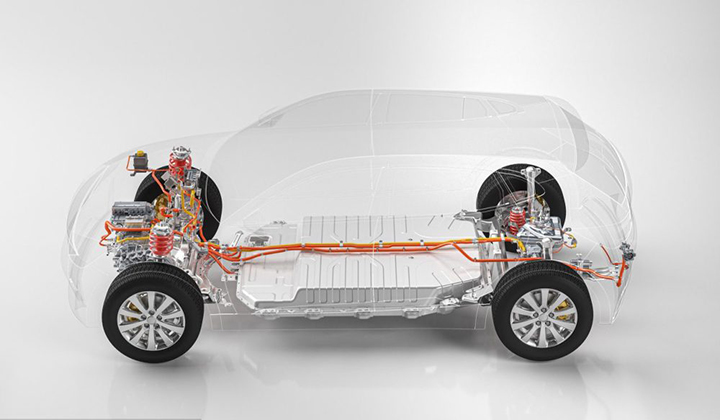
The whole vehicle’s high-voltage system includes power battery, motor/motor controller, PDU, DC or AC charging system, electric heating, electric air conditioning, DCDC, and other electric accessories.
First of all, we need to know the voltage of the entire high-voltage system and the amount of power distribution of each device to determine the load capacity of the high-voltage connector.
Then, according to the layout of the practical electric equipment, determine whether the connectors used are single-core or multi-core.
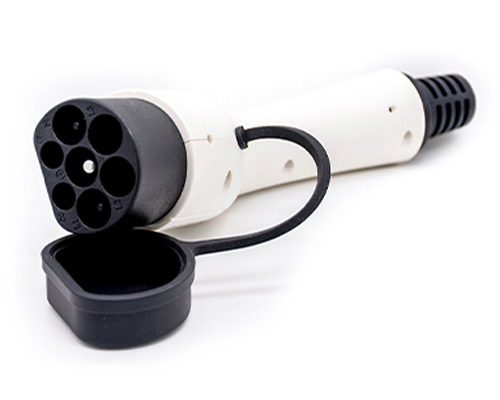
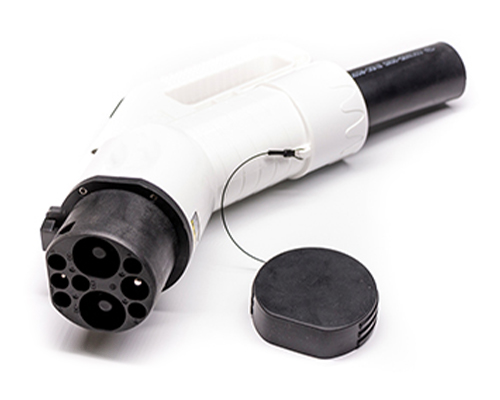
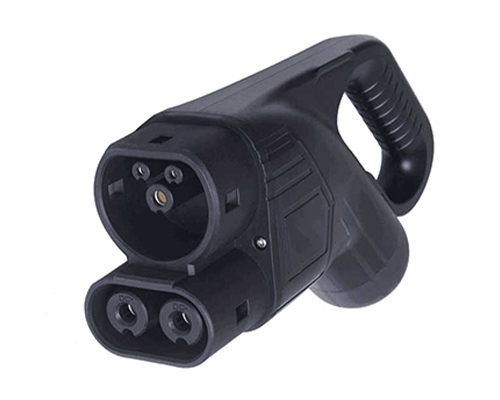
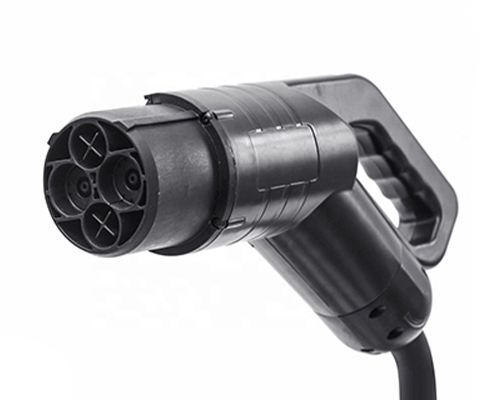
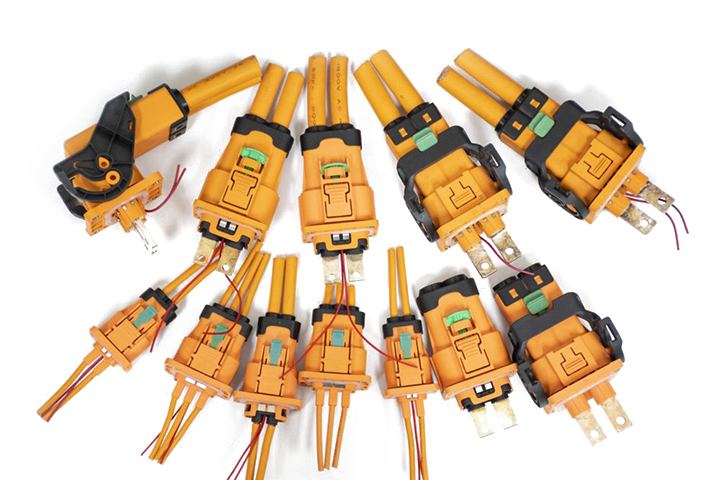
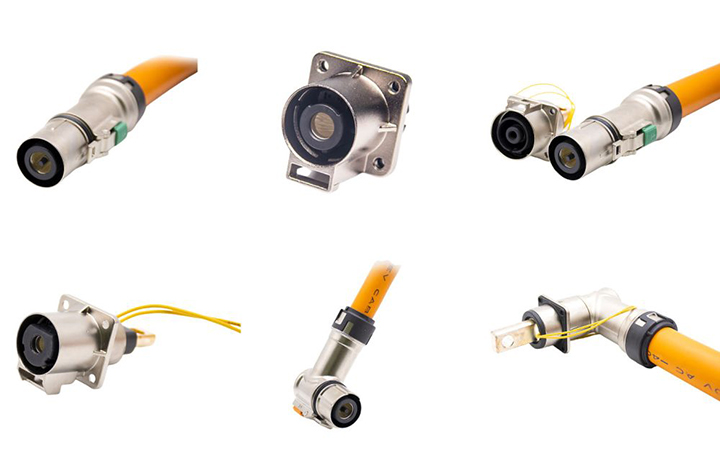
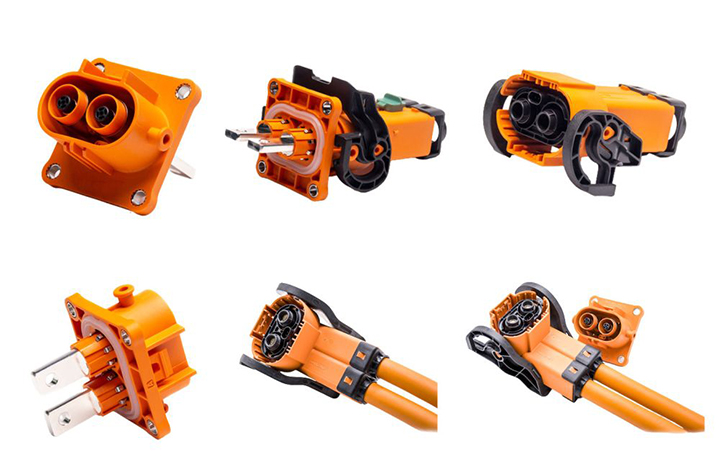
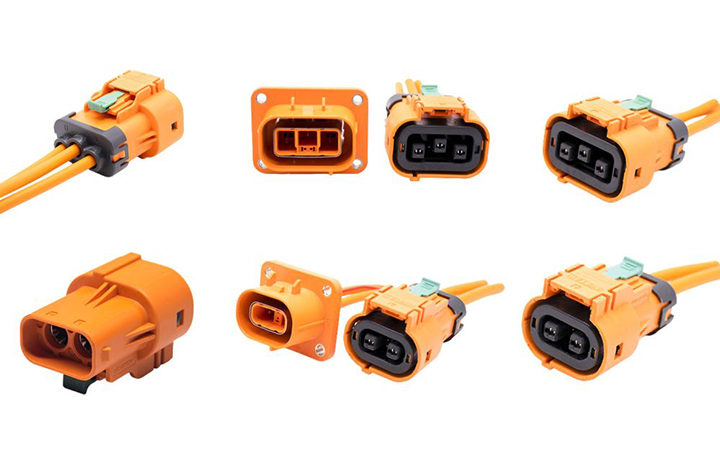
Here are 4 standard series of high voltage connectors.
These high-voltage connectors are mainly used for PDU, Air Condition, Defrosting, Electric Heating, etc.
Product parameters
Rated Voltage:960V AC / 1000V DC
Rated Current:From 16A to 23A
Insulation Resistance: ≥500mΩ
Wire Range: 2.5~4mm²
Mating Cycles: >100
Number of Positions: 2 / 3PIN
Connection Type: Terminal Machine
Shell: PA66
Terminal: Copper alloy, Silver Plating
Select high voltage connector according to installation conditions
High-voltage connectors are available in many construction designs designed to meet different installation conditions. Depending on how the high-voltage harness is lined up on the electric vehicle, we can determine what high-voltage connector is needed.
We can use linear plugs or right-angle plugs to adjust the wire direction of the harness.
Select high voltage connector according to the use environment
After determining the electrical and mechanical properties of the high-voltage connector, we also need to determine whether the environmental performance of connector can meet the actual use of the environment.
The four high-voltage connectors mentioned above have the same environmental performance. They all have excellent water and salt spray resistance levels and HVIL function for most harsh environments.
Below are their specific environmental performance parameters.
Operating Temperature:-40℃~125℃
Withstand Voltage: 3500V AC
Shielding: 360° Shielding
IP Class: IP67 IP6K9K
Salt Spray: MAX 96h
Flammability Rating: UL94 V-0
HVIL Function: Yes
Summary
High-voltage connector is the blood vessel and nerve of the electrical system of new energy vehicles.
This article introduces and analyzes the selection of high-voltage connectors to improve the vehicle’s reliability and safety performance. High-voltage connector design is more delicate, structure and performance requirements are high, the future has more excellent development prospects and progress space.
If you have any questions or suggestions, please leave a comment.

 Deutsch
 Русский