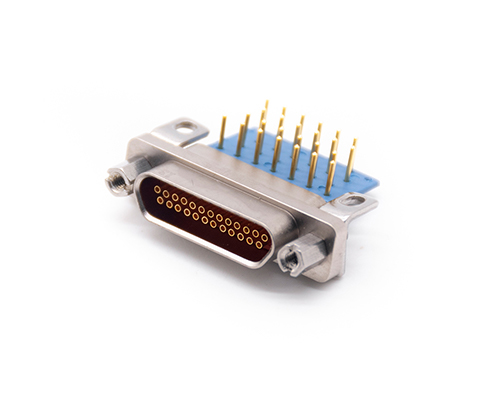
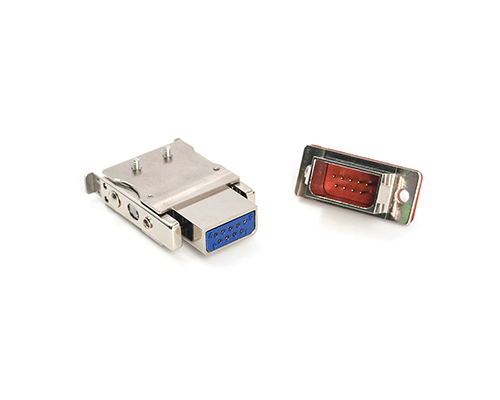
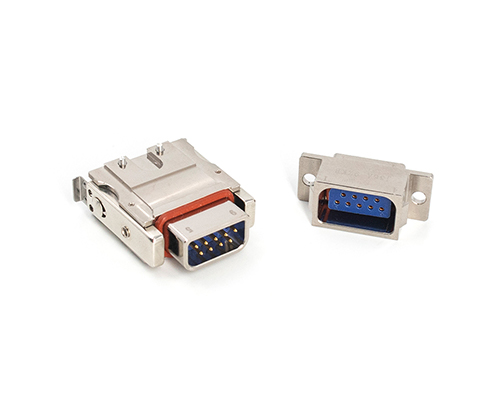
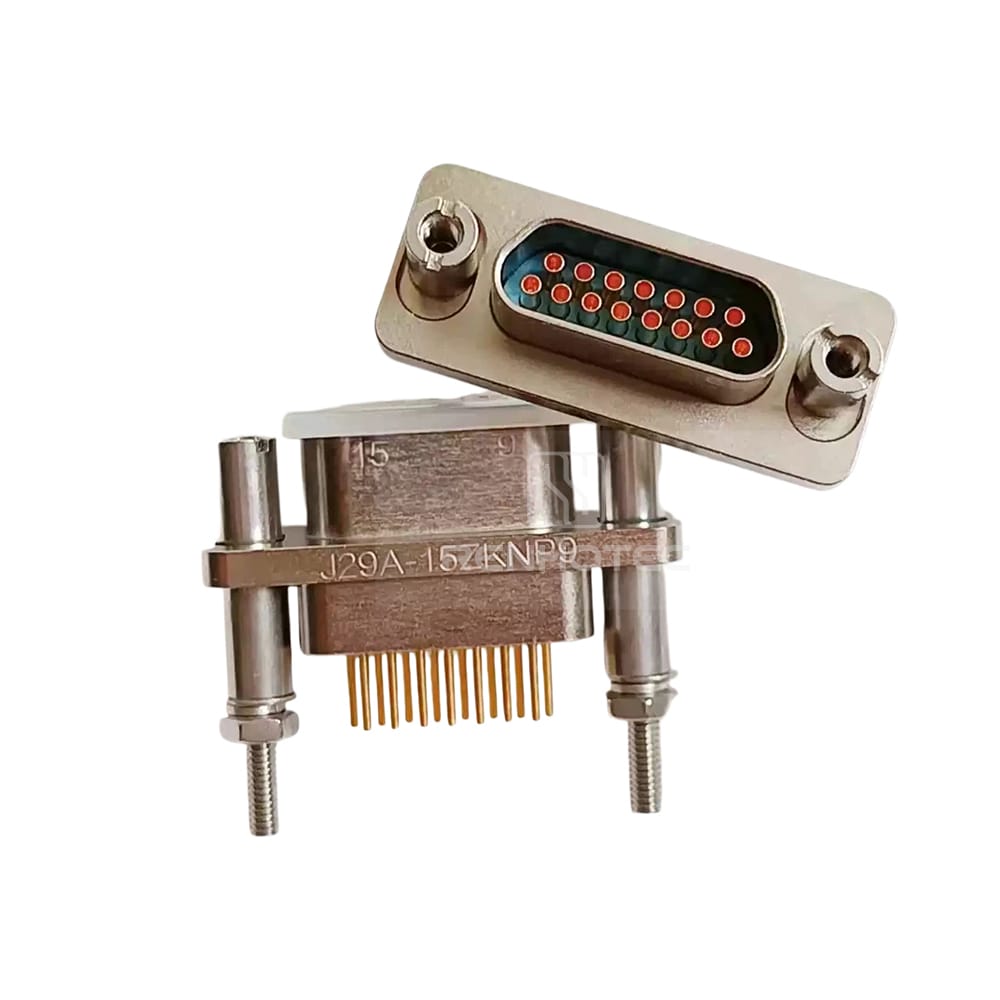
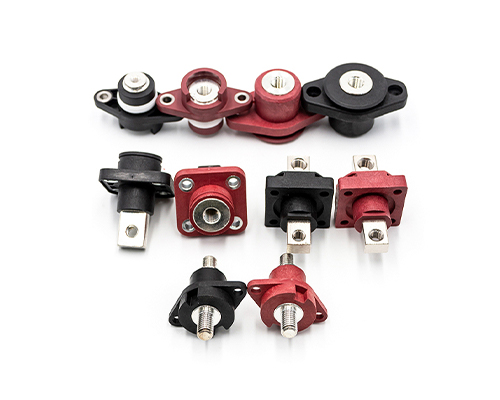
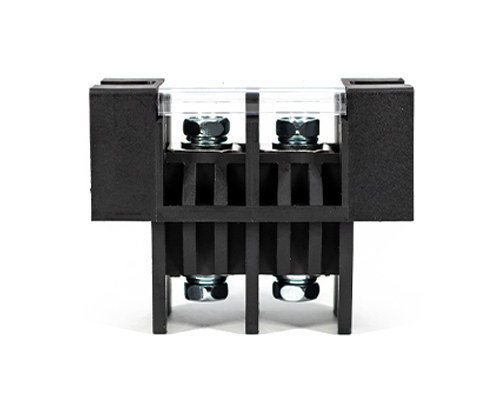
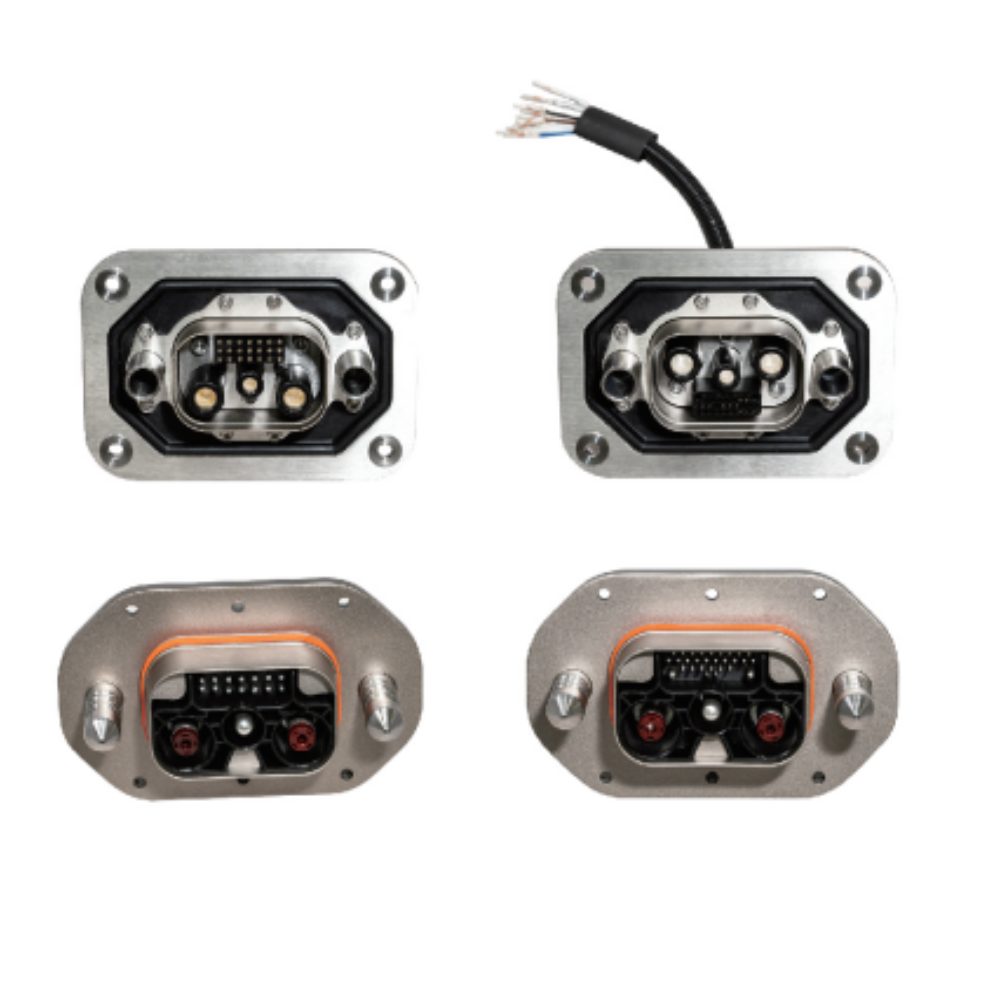
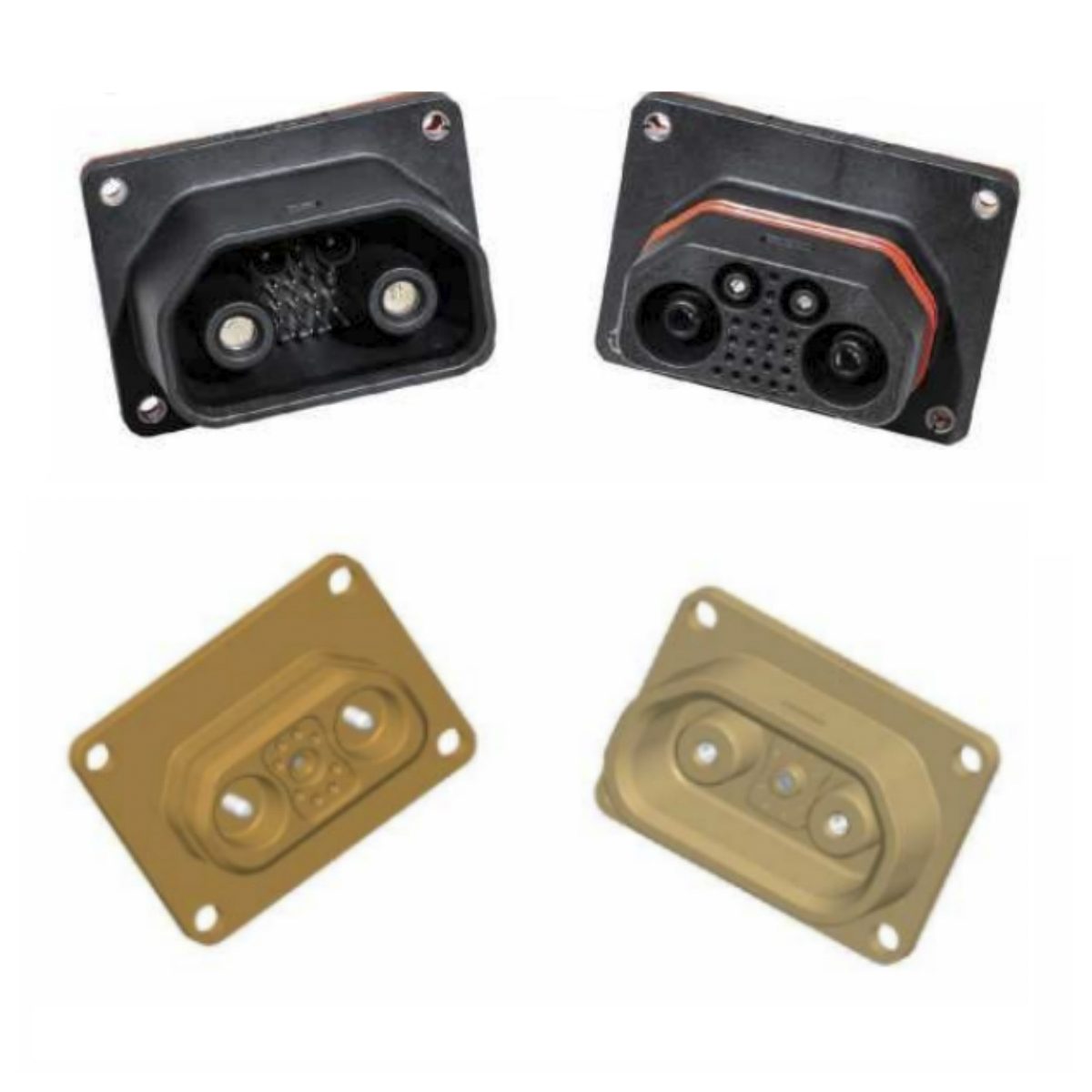
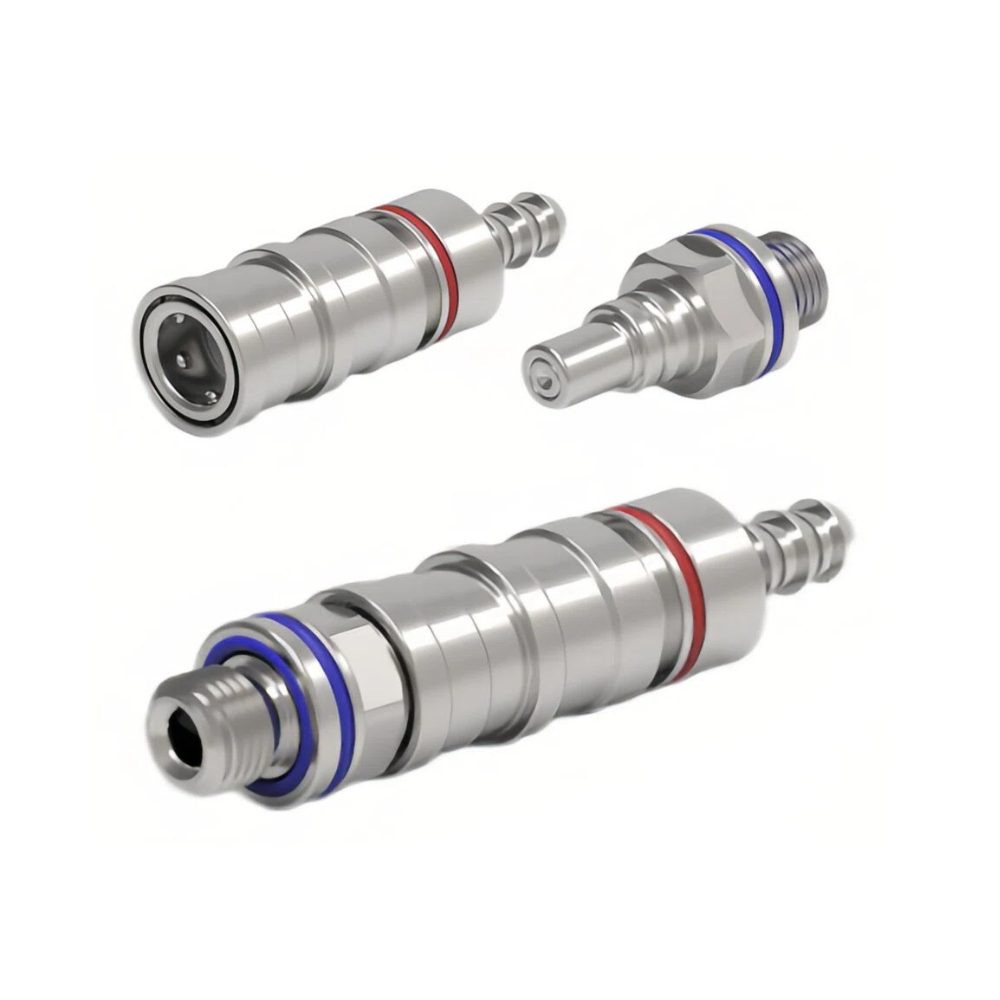
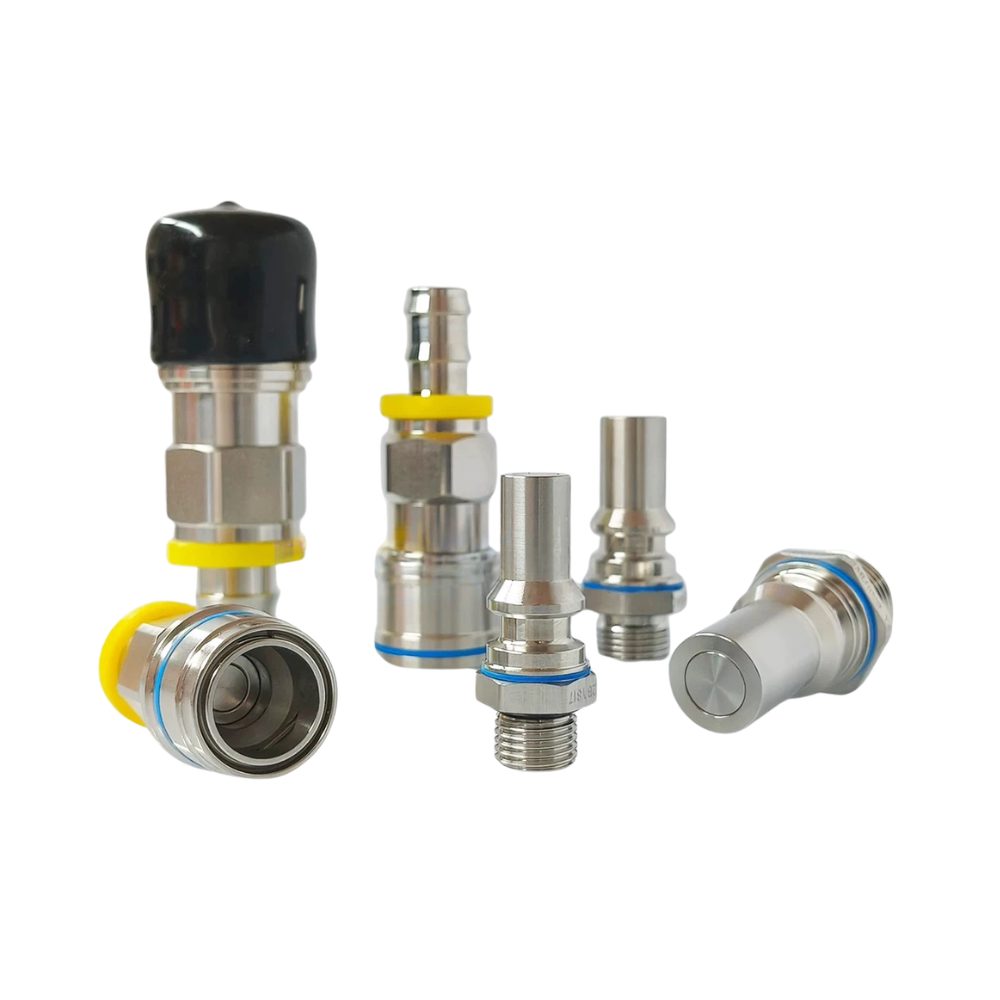
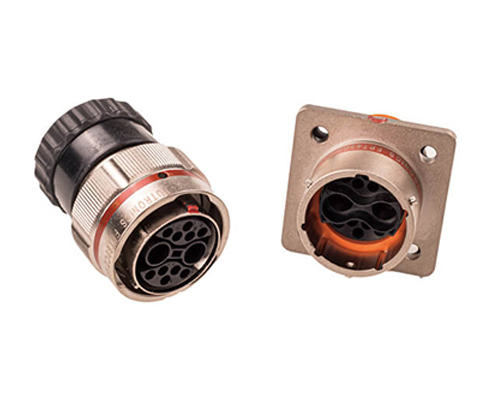
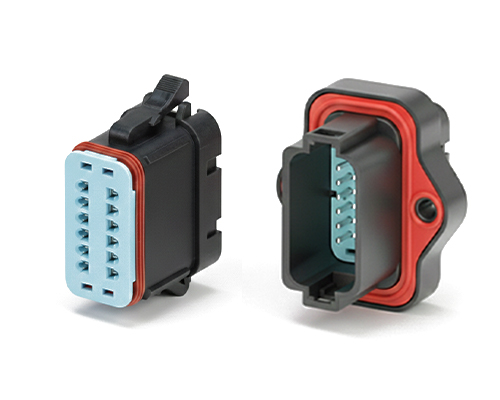
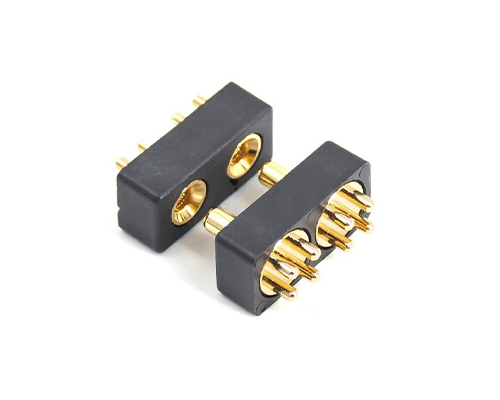
The Rectangular Connector is widely used in aerospace, medical instruments, consumer electronics (such as computers, TVs, game consoles, etc.), industrial control equipment, communication equipment, and automotive electronics. With its reliable connection performance, diverse specifications, and relatively convenient plug-in and unplug operations, it has become an indispensable component in various electronic and electrical applications.
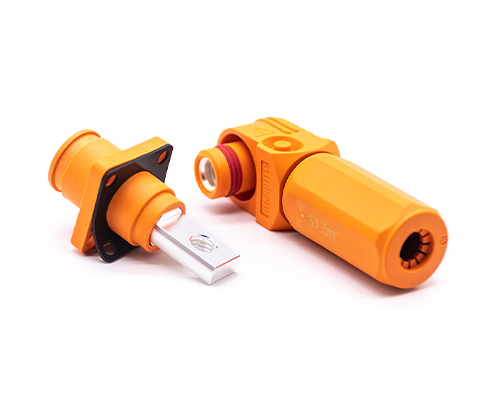
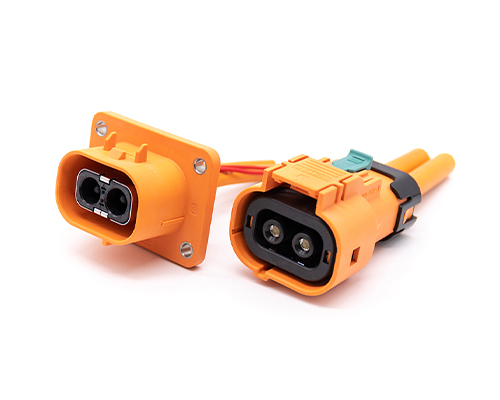
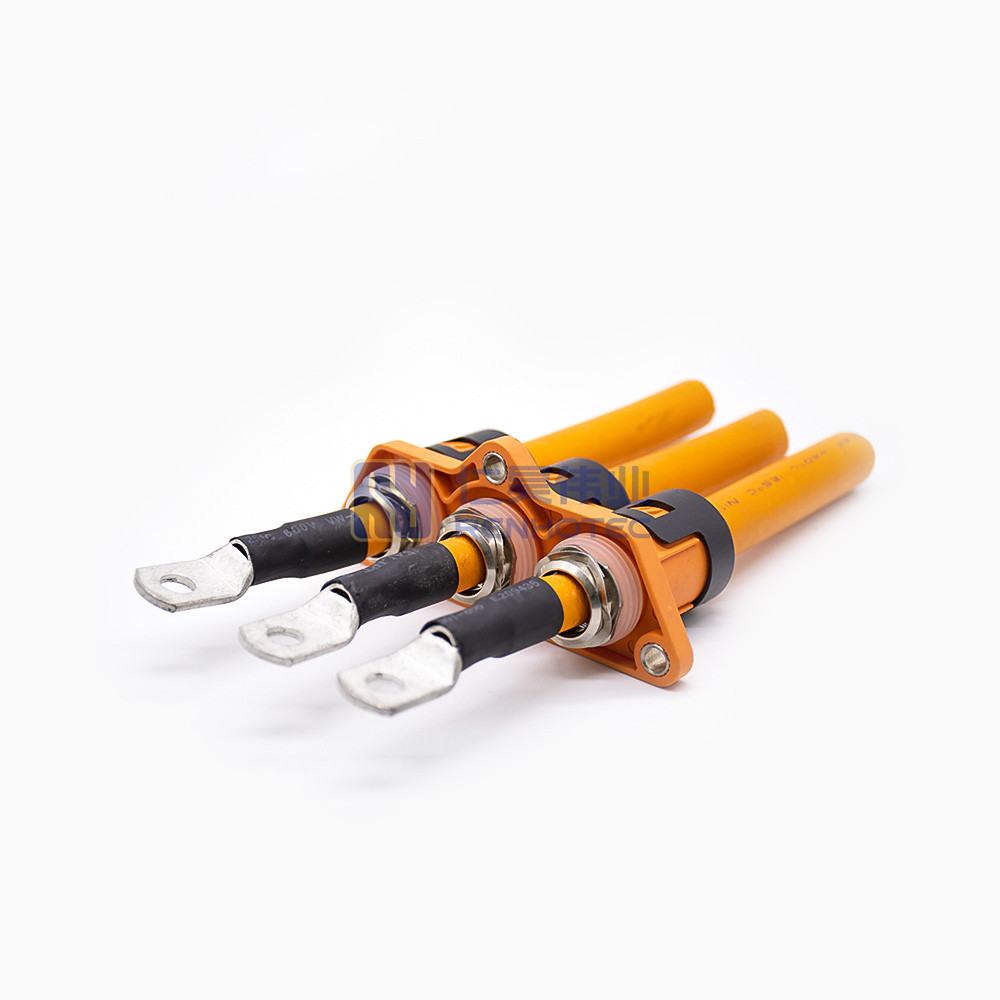
High Voltage Connectors are widely used in EV power systems, renewable energy installations, and industrial high-voltage circuits. Renhotec’s series drives the building of efficient, safe, and sustainable electrical ecosystems, meeting current technological demands.
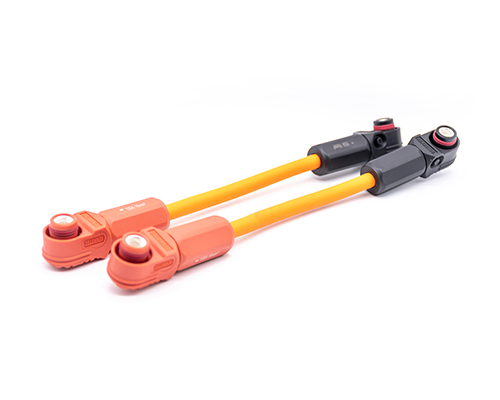
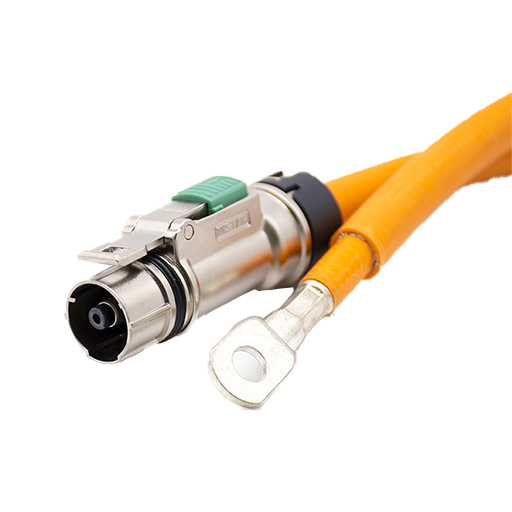
Renhotec EV Cable, crafted with top-notch conductive materials and meticulously engineered insulation, showcases outstanding impedance control and voltage-withstanding properties. Its design combines flexibility and durability to meet a wide array of installation needs. This cable is widely utilized in grid interconnections, large-scale industrial power supply systems, and high-voltage renewable energy projects, enabling smooth and efficient power transmission.
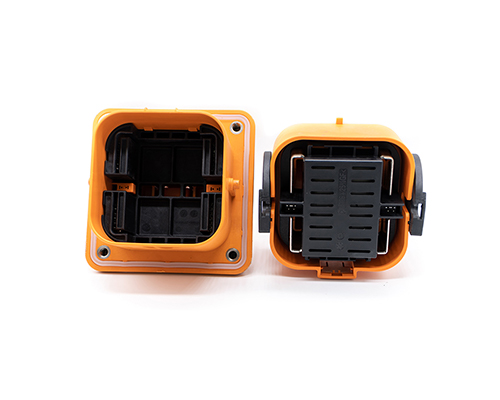
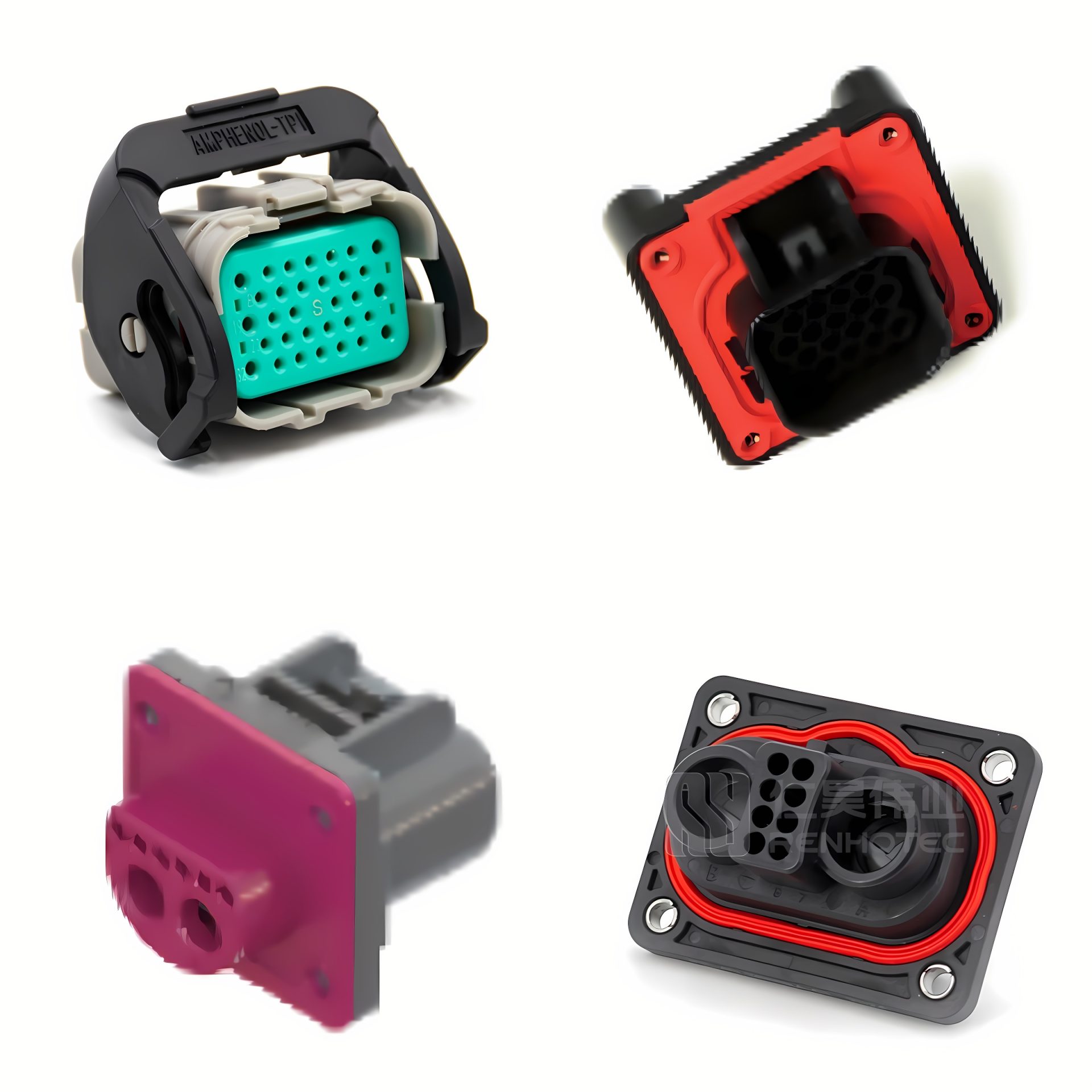
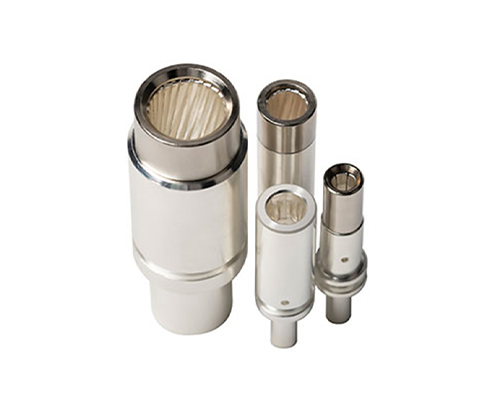
Renhotec, as a professional supplier, offers a comprehensive range of these Signal Transmission Connector products. Whether it is the high-reliability applications of the metal series or the wide adaptability of the plastic series in consumer electronic products, Renhotec can provide customers with high-quality options to meet the diverse requirements of signal transmission connections in different industries and scenarios.
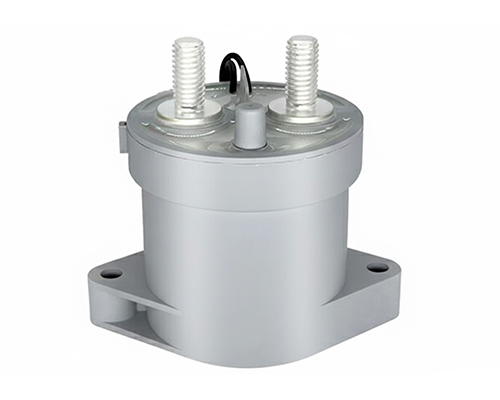
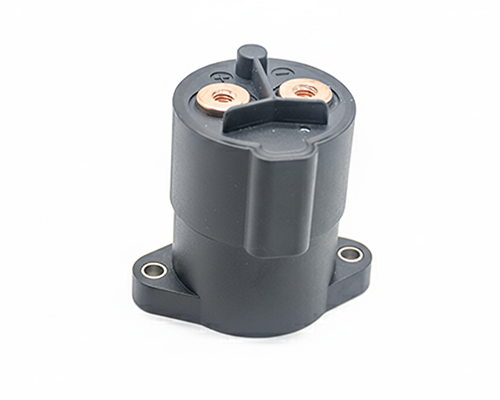
Renhotec, active in electrical components, offers High Voltage DC Contactors in Epoxy Resin Sealing and Ceramic Sealing variants, with a 20A – 1000A current range. The Epoxy Resin Sealing one is cost-effective and protective. The Ceramic Sealing variant excels in thermal stability and insulation. They’re widely used in EV charging, renewable energy grid, and industrial high-voltage DC power distribution for reliable circuit control and current interruption, providing comprehensive solutions for multiple sectors.
What is an MSD(Manual Service Disconnect) Connector and How to Select It
High voltage systems in electric vehicles (EVs) and energy storage systems (ESS) present significant safety challenges for maintenance personnel and first responders. To mitigate these risks, a reliable physical isolation mechanism is mandatory. This is where the Manual Service Disconnect (MSD) comes into play.
This comprehensive guide will explain the mechanics of an MSD Manual Service Disconnect, compare the available types on the market, and provide a clear framework to help engineers and procurement teams select the right high voltage manual service disconnect switch for their specific system architectures.
What is an MSD(Manual Service Disconnect) Connector?
A Manual Service Disconnect (MSD) is a critical safety device installed in the high-voltage circuit of an EV battery pack or an energy storage system. Its primary function is to physically sever the high-voltage electrical connection, rendering the system safe for service, maintenance, or emergency response.
While it is often referred to as a connector because it mates two electrical contact points, its functional identity is a high voltage manual service disconnect switch. It requires no software or secondary power source to operate; removing it physically breaks the circuit.
The Position of MSD in EV and ESS High-Voltage Circuits
Understanding the electrical and physical placement of an MSD Manual Service Disconnect is crucial for grasping its safety role.
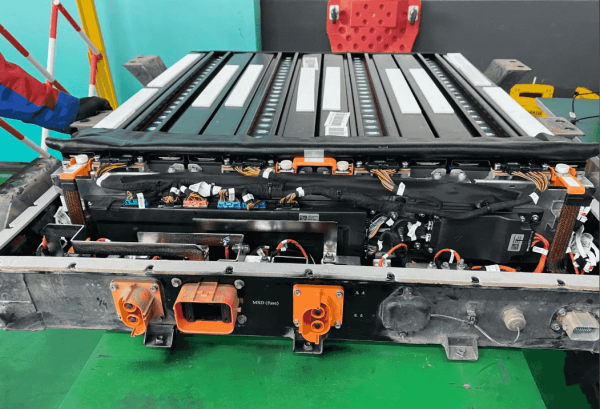
A disassembled EV battery pack. The middle of the three orange connectors shown is the MSD connector.
In Electric Vehicles (EVs): Electrically, the MSD is typically installed in the middle of the battery pack’s main series circuit. When removed, it splits the total pack voltage in half, significantly reducing the severity of a potential high-voltage shock. Physically, it is mounted directly on the external housing of the battery pack (often on the top or side), ensuring mechanics have immediate access to cut the power without breaking the pack’s main structural seals.
In Energy Storage Systems (ESS): In grid or commercial energy storage, a high voltage manual service disconnect switch is typically integrated into the High Voltage Control Box (or Power Distribution Unit – PDU) of each battery rack. Electrically, it sits between the individual battery clusters and the main DC bus leading to the Power Conversion System (PCS). Physically, it is positioned on the front access panel of the rack. This allows operators to quickly and safely isolate specific racks for maintenance without shutting down the entire energy storage plant.
How Does an MSD Work?
The operation of an MSD Manual Service Disconnect relies on a two-stage disconnection process designed to prevent electrical arcing, which could damage the terminals or injure the operator.
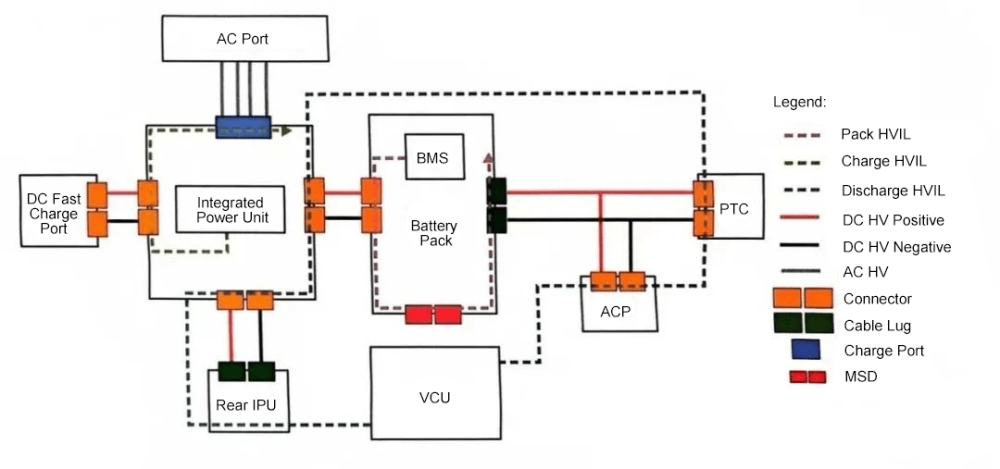
The red blocks at the edge of the battery pack indicates the location of the MSD in an EV.
Stage 1: Breaking the HVIL (High Voltage Interlock Loop). When an operator begins to unlock and pull the lever of the MSD, the shorter, low-voltage HVIL pins disconnect first. The system’s Battery Management System (BMS) detects this loss of the low-voltage signal and immediately commands the main high-voltage contactors to open.
Stage 2: Breaking the Main High Voltage Circuit. As the operator continues to pull the lever and fully removes the MSD, the main high-voltage copper terminals separate. Because the contactors have already cut the power in Stage 1, this physical separation happens safely without any load or arcing.
Why Use MSD Connectors in EV and ESS?
The inclusion of a manual service disconnect switch is not merely a design preference; it is a fundamental safety requirement driven by industry standards and operational necessity.
Operator Safety: Mechanics and technicians require absolute certainty that a battery system is deactivated before opening the enclosure. A removed MSD provides visual, physical proof of circuit isolation.
Emergency Response: In the event of a severe collision or system failure, first responders need a fast, accessible, and tool-free method to cut high-voltage power.
Regulatory Compliance: International standards such as ISO 6469-3 and various regional safety regulations require a tool-less, manual disconnect mechanism for high-voltage battery packs.
Key Application Areas
Passenger Electric Vehicles (EVs): Used primarily on the main battery pack enclosure.
Commercial EVs and Heavy Machinery: Electric buses, mining trucks, and agricultural equipment rely heavily on traditional MSDs due to harsh operating environments where mechanical reliability is paramount.
Energy Storage Systems (ESS): Commercial and grid-scale battery racks utilize MSDs to isolate individual battery clusters for maintenance without shutting down the entire facility.
MSD Types (Standard MSD vs. Mini MSD)
Depending on the system’s overcurrent protection strategy, continuous current requirements, and spatial constraints, practical B2B procurement generally categorizes MSDs into two main types.
Standard MSD
The standard MSD Manual Service Disconnect is the robust default choice for high-power applications.
Function & Specs: Designed for high power loads, it typically handles rated currents of 250A and above. Its internal housing is scaled to accommodate standard, larger high-voltage fuses for primary overcurrent protection.
Advantage: Provides maximum thermal mass for heat dissipation and features a highly durable mechanical lever system. It is ideal for heavy-duty commercial EVs and large-scale ESS racks.
Mini MSD
A Mini MSD is a compact high voltage manual service disconnect switch tailored for modern battery architectures with tighter packaging space.
Function & Specs: It handles slightly lower rated currents (typically around 200A) and utilizes smaller fuse specifications. In practical applications, a Mini MSD is highly flexible: it can be configured either with a built-in fuse or without one (acting purely as a physical disconnect), depending on the pack’s internal circuit design.
Size & Footprint: Compared to a standard MSD, the Mini version reduces the overall dimensions (length, width, and height) by a few centimeters. This slightly optimized footprint saves crucial space on the battery enclosure while delivering the exact same physical isolation and HVIL safety mechanism.
Internal Structure and Materials of MSD and Mini MSD
Understanding the bill of materials (BOM) and structural design of a high voltage manual service disconnect is crucial for evaluating long-term reliability.
Core Components:
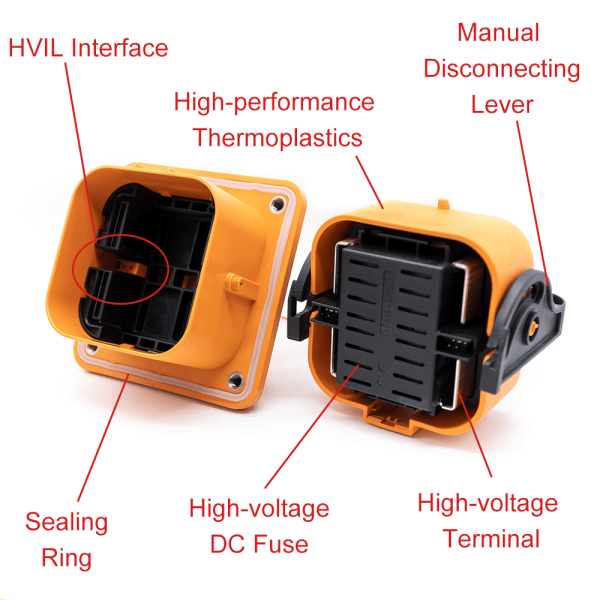
Housing and Lever: Usually constructed from high-performance thermoplastics like PA66 + GF (Glass Fiber). These materials provide high mechanical strength, excellent thermal stability, and meet strict UL94 V-0 flame retardant standards.
High-Voltage Terminals: Manufactured from high-conductivity copper alloys (such as T2 copper) with heavy silver plating. Silver plating ensures minimal contact resistance, which is critical for reducing heat generation under continuous high-current loads.
HVIL Pins: Typically gold-plated or silver-plated brass, ensuring stable low-voltage signal transmission even in vibrating environments.
Sealing Mechanisms: High-grade silicone or EPDM O-rings and perimeter seals ensure the connection remains watertight and dustproof.
Fuse: A replaceable, fast-acting high-voltage DC fuse, often filled with quartz sand for arc quenching.
MSD Locking Mechanisms: Two-Stage Disconnect with Secondary Interlock
Beyond the core housing and terminals, the mechanical locking structure of an MSD is engineered around a strict safety principle: Two-Stage Disconnect with an integrated Secondary Lock. This structural design prevents accidental disconnects under severe road vibrations and physically enforces a mandatory time delay, guaranteeing that the low-voltage HVIL circuit opens before the main high-voltage copper contacts separate.
In industrial practice, manufacturers employ two primary locking mechanisms based on current ratings and spatial requirements:
Two-Stage Rotary Lever with Secondary Latch (Standard MSDs): Common in robust, high-current platforms, this mechanism combines lever advantage with a sequential three-step safety lock:
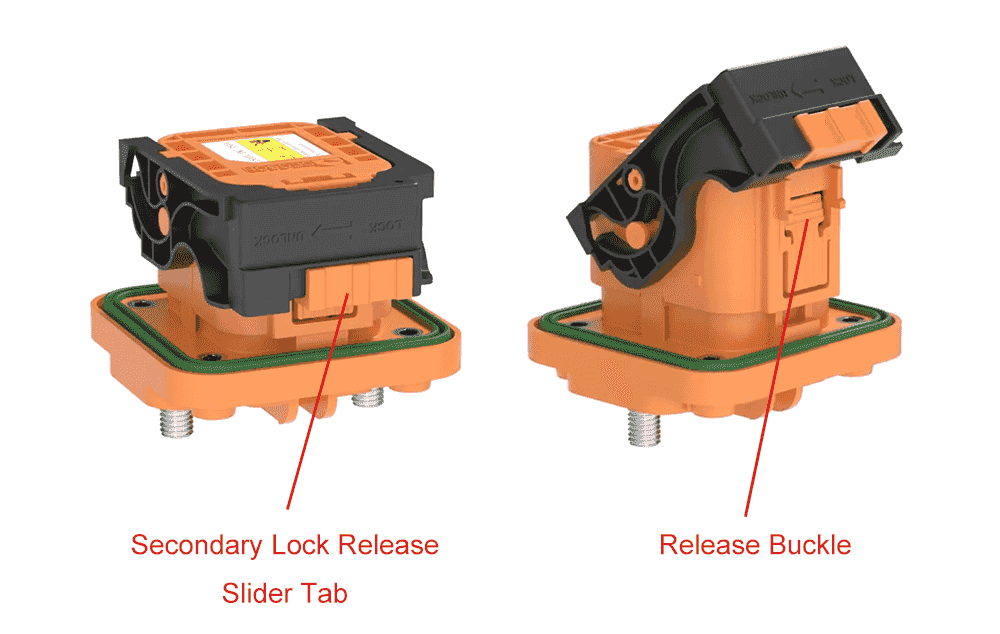
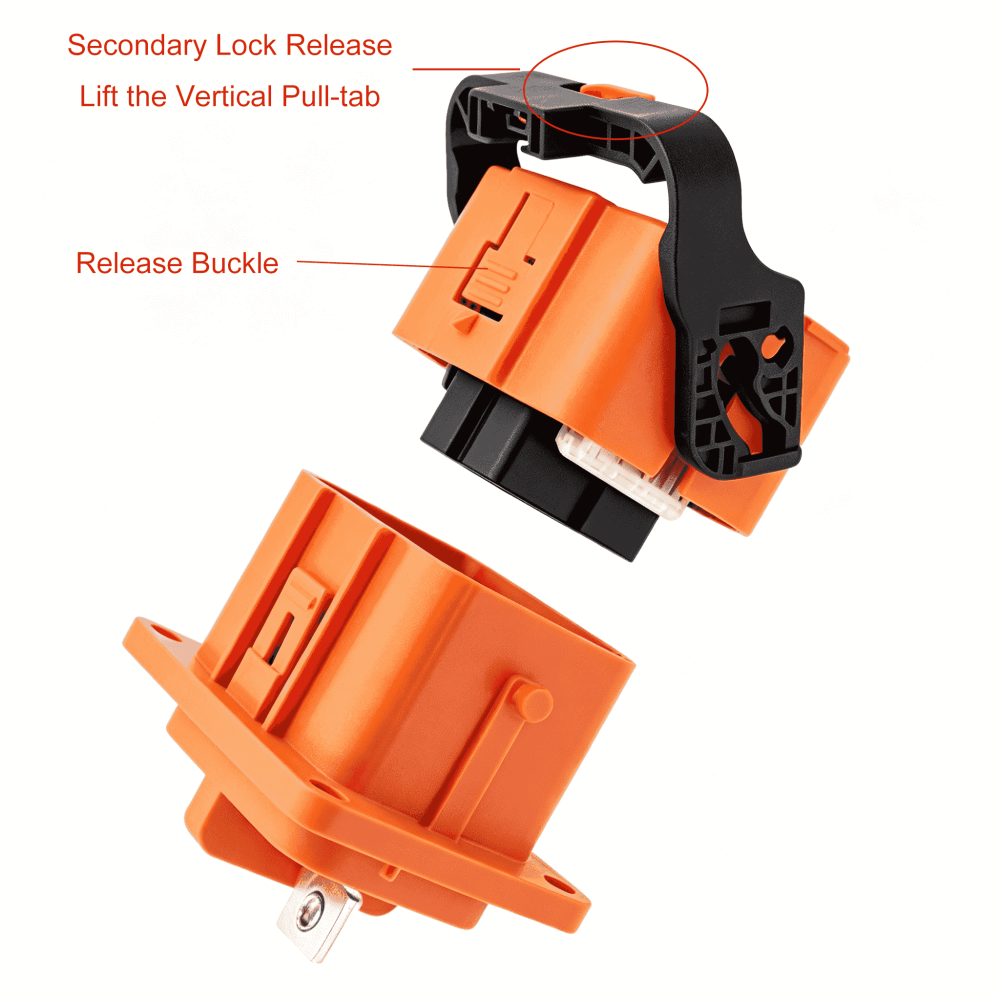
Unlock (Secondary Lock Release): Technicians must first release the secondary interlock on the lever—either by sliding back a slider tab or lifting a vertical pull-tab (green/red latch)—to allow lever movement.
Stage 1 (HVIL Break): The lever is pulled up to approximately 45°. This action isolates and breaks the internal HVIL pins while the main high-voltage terminals remain safely engaged.
Stage 2 (HV Disconnect): At the ~45° position, an internal release buckle becomes exposed. The technician must press this buckle to release the mechanical stop, then smoothly rotate the lever to the fully open 90° position. This leverages the mechanical advantage to completely overcome O-ring friction, allowing the upper cap and main high-voltage terminals to be fully extracted. (Note: While a hard mechanical stop at 45° is the industry standard, some designs utilize a high-resistance tactile detent to achieve the same two-stage time delay.)
Slide / Push-Button Latch (Mini MSDs): Designed for space-constrained Service Plugs where vertical lever clearance is limited. Instead of a bulky rotating lever, it relies on a low-profile sliding latch or push-button interlock. Technicians must slide back a secondary locking tab to release the primary clip before pulling the cap out vertically. This minimizes vertical footprint while maintaining USCAR-rated vibration resistance.
Key Parameters and Selection Considerations
Choosing the right Manual Service Disconnect (MSD) Connector starts with understanding one key principle: modern high-voltage systems treat continuous current capacity and short-circuit protection as two separate design considerations.
Continuous Current Capacity
The continuous current rating of an MSD (for example, 200A or 240A) represents the maximum current the complete assembly—including the contacts, terminals, and insulating housing—can carry continuously without exceeding its allowable temperature rise. Under normal operating conditions, the system’s continuous current should remain below this rating to ensure long-term reliability and prevent excessive heat buildup.
Fuse Rating
A common question is: Why can an MSD rated for 240A continuous current be fitted with a 400A or even a 630A fuse?
The answer is that a fuse is not selected based solely on the continuous operating current. Instead, it is chosen according to the system’s overload characteristics and short-circuit protection requirements.
During rapid acceleration, hill climbing, or high-power regenerative braking, the battery system may experience short-duration current peaks that are much higher than its normal continuous current. If the fuse rating is too low, these normal transient overloads could increase the risk of nuisance blowing, even though the system is operating as intended.
How to Select the Right MSD
The MSD’s continuous current rating determines how much current it can safely carry over long periods, while the fuse is responsible for interrupting the circuit quickly when a severe short circuit occurs.
In practice, fuse selection takes multiple factors into account, including continuous operating current, allowable overload duration, the fuse’s time-current characteristics, and the prospective short-circuit current of the system.
For this reason, a fuse’s current rating should never be interpreted as the MSD’s continuous current carrying capacity. The two ratings serve different purposes: the MSD is designed for long-term thermal performance, while the fuse is designed to provide effective fault protection.
Other critical parameters to evaluate include:
Rated Voltage (V DC): Ensure the MSD can handle the system’s peak voltage. While legacy systems operate at 400V, modern platforms require 800V, and commercial ESS platforms are pushing toward 1000V to 1500V DC.
Mating Cycles: A standard requirement is typically 50 to 100 mating cycles. As a maintenance component, it is designed for secure, occasional access rather than daily plug-and-play use.
Operating Temperature Range: Components should be rated from -40°C to +125°C to guarantee reliability across extreme environmental conditions.
View and Download MSD (Manual Service Disconnect) Catalog
A manual service disconnect switch is a critical safety node. Technical datasheets must demonstrate compliance with rigorous testing standards.
Ingress Protection (IP Rating): The MSD must be sealed against the environment. Look for IP67 or IP68 ratings for submerged conditions, and IP6K9K to withstand high-pressure, high-temperature washdowns.
Vibration and Shock: The connector must maintain electrical continuity and mechanical integrity under severe road vibrations, typically tested against standards like USCAR-2, LV214, or ISO 16750-3.
Dielectric Withstanding Voltage: Ensures the plastic housing provides sufficient insulation to prevent electrical breakdown between the high-voltage terminals and the chassis.
The Synergy Between Pyrofuse and MSD in Different Safety Scenarios
In complex high-voltage architectures, the Pyrofuse (pyrotechnic initiator switch) and the traditional MSD Manual Service Disconnect operate in synergy, as they are designed to address different safety dimensions.
A Pyrofuse excels in dynamic safety. Triggered by the airbag ECU or BMS, it uses a micro-explosive charge to sever the high-voltage busbar in under 2 milliseconds during a collision, providing extreme short-circuit protection. Conversely, an MSD provides static safety. It guarantees absolute physical isolation and a visual disconnect point (Lockout/Tagout) for maintenance personnel.
In the highly competitive passenger EV market, engineers continuously seek ways to increase energy density and reduce battery pack sealing complexity, which has driven the widespread adoption of the Pyrofuse. In some high-end, highly integrated passenger vehicles, OEMs have eliminated the external MSD entirely. Instead, they use a Pyrofuse for rapid short-circuit protection and rely on electronic software locks to ensure maintenance safety.
However, several applications are fundamentally unsuitable for this Pyrofuse-only approach and rely predominantly on physical MSDs:
Commercial Fleets and Heavy Machinery: In electric buses, mining trucks, and agricultural equipment, operational uptime and maintenance costs are paramount. A deployed Pyrofuse requires opening the sealed battery pack for a costly, time-consuming replacement. In contrast, a standard MSD allows for quick, low-cost external resets and fuse replacements.
Grid-Scale Energy Storage Systems (ESS): Commercial ESS installations are governed by strict industrial safety regulations. These standards mandate a visible, mechanical disconnect mechanism (Lockout/Tagout) before any technician enters the high-voltage zone. A concealed Pyrofuse cannot meet this regulatory requirement, making the physical MSD the only compliant choice.
How to Select Standard MSD, Mini MSD, and Pyrofuse (Comparison Matrix)
Use the following clinical comparison to determine which high voltage isolation strategy fits your project architecture.
Feature / System
Standard MSD (Fusing)
Mini MSD (Service Plug)
Pyrofuse (Alternative)
Primary Function
Physical disconnect + Overcurrent fuse
Physical disconnect only (trigger HVIL)
Instantaneous short-circuit cutoff
Size & Weight
Large, bulky
Small, lightweight
Highly integrated (internal)
Action Mechanism
Manual (Operator)
Manual (Operator)
Electronic (BMS triggered)
Reset/Repair
Replace fuse/cap (Low cost)
Re-insert plug (Zero cost)
Replace entire module (High cost)
Best For
Commercial EVs, ESS, standard 400V packs
High-density packs with internal fuses
800V passenger EVs, CTC/CTP packs
Frequently Asked Questions (FAQs)
Q1. Can an MSD be reused after removal?
A: Yes. Under normal maintenance conditions, an MSD can usually be reinstalled and reused as long as it has not been damaged and the fuse remains intact. Before reinstalling, always inspect the housing, locking mechanism, terminals, and seals for signs of wear, cracks, or corrosion. If any component is damaged or the fuse has blown, replace the affected parts before returning the vehicle to service.
Q2. Does a blown fuse mean I need to replace the entire MSD?
A: Not necessarily. Many modular MSD designs integrate the fuse into a removable handle or fuse carrier, allowing only that assembly to be replaced instead of the entire MSD housing. However, replacement procedures vary depending on the product design, so always follow the manufacturer’s service instructions.
Q3. Can I replace the fuse with one that has a different current rating?
A: No. The replacement fuse must match the original specification, including its current rating, voltage rating, breaking capacity, and fuse type. Installing a fuse with a different rating may compromise system protection, increase the risk of equipment damage, or create a safety hazard. Always use the fuse specified by the vehicle or equipment manufacturer.
Why Choose Renhotec for Your MSD Solutions
When sourcing mission-critical high-voltage safety components, supply chain stability and quality control are just as vital as datasheet specifications. Renhotec delivers automotive-grade interconnect solutions for EV and ESS platforms:
Automotive-Grade & UL Compliant: Facilities operate strictly under IATF 16949; our ESS-dedicated MSD series is UL certified.
Comprehensive Voltage Matrix: A proven product catalog covering 690V, 700V, 750V, and 800V systems, offering ready-to-deploy Standard Fusing MSDs and Non-Fusing Mini MSDs.
Rigorous Validation: Independently tested to meet IP67 ingress protection when mated and IP2XB finger-proof safety when unmated, proven against high-frequency vibration and thermal shock.
Full On-Site Factory Audits: We support complete on-site supplier audits by your purchasing and SQE teams.
Download MSD Connector Catalog PDF & Request a Quote
Ready to integrate a reliable MSD Manual Service Disconnect into your next battery pack or energy storage project?
Ready to Specify MSDs for Your EV or ESS Project?
Contact our engineering team today for 3D CAD models, test reports, pricing structures, and sample requests.

 Deutsch